Imagine pushing your limits in a workout that feels just as fierce as running, but with none of the joint jarring. Many don’t realize there are cardio alternatives that mimic the thrill of high-intensity training while gently caressing your knees and hips.
These options are like a secret garden—hidden treasures waiting to transform your fitness routine. Surprisingly, they not only protect your joints but also boost your overall stamina in ways you might never expect.
Keep reading to uncover gentle yet powerful ways to stay active without sacrificing comfort.
Why Joint-Friendly Cardio Is Better for Your Joints
Joint-friendly cardio is the best choice for protecting your joints while staying active. It means doing exercises that get your heart rate up without putting too much stress on your joints. Low-impact exercises like walking, swimming, or cycling are good options. They help you stay fit and strengthen your muscles without the pounding that can cause injuries.
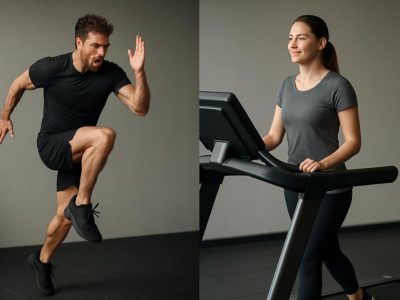
Some people might wonder, why not just do high-impact workouts like running or jumping rope? These exercises can be great for quick fitness gains, but they also put a lot of strain on your knees, hips, and ankles. Over time, this can lead to joint pain or injuries. If you have joint problems or are older, high-impact workouts may not be the best choice.
But there are two sides to this. Some argue that high-impact exercise can boost fitness faster and improve bone strength. If done carefully and in moderation, it might work for healthy joints. Still, for most people, especially those with joint issues or who want to exercise regularly without pain, low-impact options are safer and more sustainable.
A simple example is swimming. It’s like floating on water and moving your arms and legs gently. This kind of exercise supports your joints and helps improve cardiovascular health. If you’re new to exercise or worried about joint pain, trying low-impact workouts can be a smart way to build endurance without risking damage.
What Is Low-Impact Cardio and How Does It Help?
Low-impact cardio is a type of exercise that puts less stress on your joints. It is a safe way to stay active, especially if you have joint pain or are just starting out. Examples of low-impact cardio include walking, swimming, and cycling. These activities help you build endurance without making your body work too hard or causing injury.
This kind of exercise can improve your stamina over time. For example, if you walk for 20 minutes three times a week, you might notice you can walk longer or faster after a few weeks. It is also good for people at different fitness levels. Beginners can start slow, and more active people can increase intensity gradually.
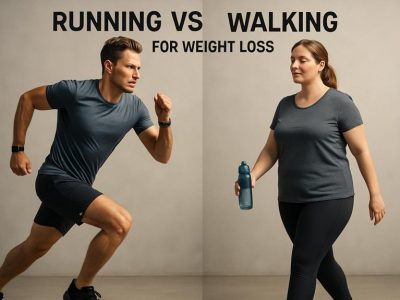
Some people love low-impact cardio because it’s easy to do anywhere and doesn’t require special equipment. Others worry it might not burn as many calories as high-impact exercises like running or jumping. For weight loss or intense training, high-impact workouts might be better, but they can also be harder on your joints.
In short, low-impact cardio is a gentle way to stay active, improve your health, and protect your joints. It may not be the fastest way to burn calories, but it’s safe and effective for many people. Just remember to listen to your body and choose activities you enjoy.
Reduced Joint Stress
Low-impact cardio exercises are a great way to stay active without stressing your joints too much. These activities are gentle on your joints while still giving you a good workout. They help reduce joint swelling and inflammation because they avoid high-impact moves that can jolt or jar your joints. These exercises also help keep your cartilage healthy by moving your joints without putting too much pressure on them. This is especially helpful if you’re healing from an injury or dealing with joint problems.
Activities like swimming, cycling, and brisk walking are good choices. For example, swimming supports your body in water, so your joints don’t have to handle much weight. Cycling on a stationary bike is easy on your knees and hips. Brisk walking is simple and can be done almost anywhere. Choosing these low-impact activities lets you stay active, protect your joints, and enjoy regular exercise.
Some people might worry that low-impact exercises aren’t enough to keep them fit. While they are gentler, they still improve your heart health and overall fitness. However, if you have severe joint problems or recent injuries, it’s best to talk with a doctor or physical therapist before starting new activities. These exercises work well for many, but they might not be enough if you’re looking for intense workouts. Always listen to your body and stop if you feel pain.
Enhanced Endurance Benefits
Low-impact cardio exercises are a good way to build endurance safely. These activities, like cycling or swimming, let you exercise longer and more often without hurting your joints. When you do these workouts regularly, your muscles get better at recovering and growing stronger. This means you can do more activity without getting tired or injured.
Some people worry that low-impact exercise isn’t enough for fitness. While it is gentle, it can still improve your heart health and stamina if done consistently. For example, a person who bikes for 30 minutes three times a week might see their energy improve in daily tasks like climbing stairs or walking longer distances. But others might find that they need more intense workouts to reach their goals.
A simple way to use low-impact cardio is to start slow. First, choose an activity like swimming or brisk walking. Then, increase the time gradually each week. This helps your muscles recover and makes your heart stronger over time. However, it’s good to remember that pushing too hard too soon can lead to injury.
In the end, low-impact cardio can give you steady progress and make your everyday life easier. It’s a safe way to boost your endurance without putting too much stress on your body. Just be sure to listen to your body and add variety to your workouts to keep things interesting and effective.
Suitable For All Levels
Low-impact cardio is a gentle form of exercise that is good for everyone, no matter how fit they are. It is easy on your joints, which makes it perfect for beginners and people with joint issues. These exercises help your heart stay healthy without causing injuries or making joint pain worse. Because they are safe and gentle, you can do them regularly without getting hurt.
Here are three reasons why low-impact cardio works well for all fitness levels:
It puts less stress on your joints. Activities like walking, swimming, or cycling protect your joints from extra wear and tear. This helps you stay active longer without hurting yourself.
You can adjust how hard you work out. If you are just starting, you can do slow, easy exercises. If you are more experienced, you can make it more challenging by increasing the pace or duration.
It is safer and lowers the chance of injury. Since there is less strain on your body, you are less likely to pull a muscle or fall. This makes it easier to stick with your exercise routine over time.
For example, a person recovering from knee surgery might find swimming a good choice because it is low-impact and easy on the joints. Or someone who is new to exercise might start with brisk walking in their neighborhood before trying more intense workouts.
However, some people might find low-impact cardio too easy or not enough to improve their fitness fast. If you want to get stronger or lose weight quickly, you might need to combine it with higher-impact exercises. Also, always talk to a doctor before starting new workouts, especially if you have health problems.
How to Choose the Best Low-Impact Cardio Workout for Your Fitness Level
Low-impact cardio workouts are exercises that get your heart moving without putting too much stress on your joints. They are a good choice if you are just starting out, recovering from an injury, or have joint problems.
If you want to find the best low-impact workout for your fitness level, here are some steps to follow. First, figure out your current fitness level. Are you a beginner, or have you been active before? Next, think about your goals. Do you want to lose weight, build endurance, or just stay healthy?
Once you know this, pick activities that match your level. For beginners, gentle options like swimming or riding a bike are great because they are easy on your knees and hips. For people with more experience, brisk walking or using an elliptical machine can challenge you without the high impact of running or jumping.
Some people may see quick results from high-impact exercises, but they can be hard on your joints. If you have joint pain or arthritis, these exercises might cause more harm than good. Low-impact activities let you build endurance safely while still helping you stay active.
Remember to listen to your body. If an activity causes pain or discomfort, stop and try something gentler. As you get stronger, you can slowly make your workout tougher by adding more time or intensity.
In the end, choosing the right low-impact cardio workout depends on your fitness level and goals. Try different exercises to see what you enjoy most and what feels best for your body.
Top Gentle Cardio Exercises to Try Today
Top Gentle Cardio Exercises to Try Today
Gentle cardio exercises are a good way to get your heart beating without putting too much stress on your joints. Here are some easy options that can help you stay active and healthy.
Walking: Walking is a simple exercise that most people can do. It helps your heart and doesn’t hurt your joints if you wear supportive shoes and walk on flat surfaces. For example, walking in your neighborhood or at a nearby park can be both fun and good for your health. If you walk regularly, you may notice more energy and better mood.
Swimming or Water Aerobics: Being in water makes your body lighter. This means your joints don’t have to work as hard. Swimming laps or joining a water aerobics class at your local pool can be very gentle on your body while still giving you a good workout. This is especially helpful if you have joint pain or arthritis.
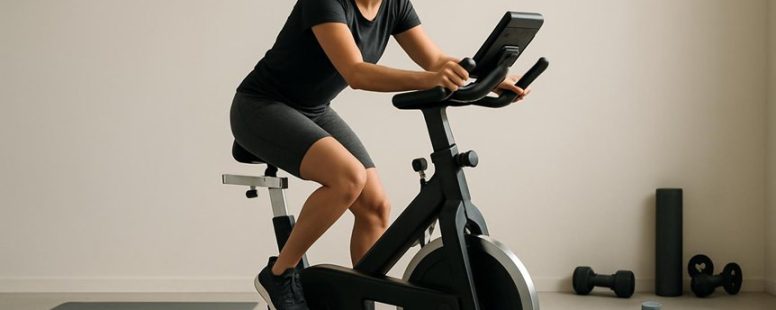
Cycling: Riding a bike, whether outside or on a stationary bike, is another low-impact exercise. You can control how hard you pedal by adjusting resistance. For example, if you feel tired or sore, lower the resistance or pedal slower. Cycling can improve your heart health without stressing your knees or hips.
Some people might worry that gentle exercises don’t burn enough calories. But they are a good start if you are new to exercise or have joint problems. Just remember to listen to your body and stop if you feel pain. These activities are safe for most people, but if you have health issues, talk to your doctor before starting a new exercise routine.
What Equipment Do You Need for Low-Impact Cardio?
Low-impact cardio exercises don’t need fancy equipment. You can do many effective workouts with just a few simple items or even none at all. Choosing the right equipment depends on your space, budget, and what you enjoy.
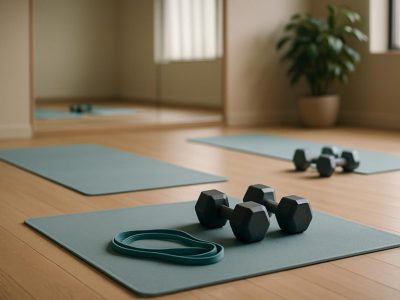
For example, a sturdy chair can help support seated moves like leg lifts or arm exercises. Resistance bands are cheap and easy to use for gentle strength training. A stability ball can make exercises more fun and help strengthen your core. Even walking or cycling on a stationary bike requires very little gear.
The most important thing is to pick equipment that encourages you to move regularly and keeps your joints safe. Some people prefer exercising with no equipment at all, simply walking outside or doing gentle stretches. Others like using small tools to add variety.
There are two sides to consider. Some say using equipment makes workouts more interesting, while others believe that simple movements without gear can be just as effective. Keep in mind that some equipment may not be suitable for everyone, especially if you have joint problems or health concerns.
In the end, the best low-impact cardio routine is the one you can do consistently. Start small, choose what feels right for you, and don’t be afraid to try different tools or no equipment at all.
How Can You Progress Your Low-Impact Cardio Routine Safely?
The best way to safely progress your low-impact cardio routine is to take small steps. Start by slowly increasing how hard or long you exercise. For example, if you walk for 10 minutes, try adding a few extra minutes each week. This lets your body get used to the change without overdoing it.
Another good idea is to mix different activities. For instance, if you usually walk, you can try swimming or cycling now and then. This helps avoid overuse injuries and keeps your routine fun. It also gives different muscles a chance to rest and recover.
It’s also very important to pay attention to your form. Make sure you are moving correctly, like keeping your back straight when walking or cycling. Good technique helps you get the most benefits and lowers the chance of getting hurt.
Some people might worry that they are not pushing themselves enough. If you only do low-impact exercises, you might not see much progress. But remember, slow and steady wins the race, especially if you want to stay injury-free. You can always talk to a trainer or a doctor if you’re unsure about how much to increase your activity.
Gradually Increase Intensity
Increasing the intensity of your low-impact cardio workout should be done slowly. This helps protect your joints by giving them time to adjust and stay cushioned properly. Here’s how you can do it step by step:
Start with Longer Workouts: First, focus on extending how long you exercise. For example, if you walk for 20 minutes, try to go for 25 or 30 minutes before adding more challenge. This helps your joints get used to moving for longer periods.
Add Small Resistance or Inclines: Once you’re comfortable with longer sessions, try adding a little resistance, like using light weights or walking uphill. This increases the challenge without putting too much impact on your joints.
Watch How Your Body Feels: Pay close attention to how your joints feel during and after exercise. If you notice pain or discomfort, slow down or take a break. Pushing through pain can cause injuries.
Some people believe that increasing intensity faster can build strength more quickly, but it also raises the risk of joint damage or injuries. Others prefer slow progress because it keeps joints healthy and reduces setbacks. Both views have pros and cons.
Incorporate Cross-Training
Cross-training means doing different types of exercises to improve your fitness and protect your joints. It is a simple way to stay active without putting too much stress on the same joints all the time. For example, instead of only running, you might swim, ride your bike, or row on a machine. These activities give your joints a break from the repeated pounding of one exercise. This can help keep your cartilage healthy and prevent injuries caused by overuse.
Some people think cross-training is very helpful because it works different muscles and keeps exercise interesting. It can make you stronger and more balanced. However, if you are new to exercise or have joint pain, it’s best to start slowly. Adding new activities too fast might cause discomfort or injury. Listening to your body is key. If something hurts, stop and rest.
Two good ways to start cross-training are to pick two or three activities you enjoy and alternate between them. For example, you could swim on Mondays, bike on Wednesdays, and row on Fridays. Doing this helps your body recover and avoids stressing the same joints every day.
But some people worry that switching exercises too often may not build as much endurance as sticking with one activity. Others say that it can be confusing to keep up with different routines. It’s best to find a balance that works for you and stay consistent.
Prioritize Proper Technique
Proper technique is the most important part of your low-impact cardio workout. It helps you move safely and avoid injuries, especially when you add more intensity. Good alignment keeps your body balanced and prevents strain. For example, standing tall with your shoulders relaxed and your stomach muscles tight makes a big difference.
Breathing correctly is also key. Steady, deep breaths through your nose and out through your mouth give your muscles the oxygen they need. This keeps your energy up and helps you work longer without getting tired too fast.
Here are some simple steps to improve your technique:
Keep your spine straight and avoid leaning or overextending yourself.
Breathe slowly and evenly, inhaling through your nose and exhaling through your mouth.
Move smoothly and on purpose, not rushing through your exercises.
Some people may find it helpful to watch themselves in a mirror or work with a trainer to check their form. Remember, rushing or poor posture can lead to injuries, so take your time and focus on doing each movement right. Practicing these tips can help you stay safe, build strength, and enjoy your workout more.
Benefits of Low-Impact Cardio Beyond Protecting Your Joints
Low-impact cardio is a type of exercise that is gentle on your joints. It helps keep your joints healthy by reducing inflammation and supporting cartilage. Activities like swimming, walking, or cycling are good examples. When I do these exercises, I notice less pain and swelling afterward. This is because they improve blood flow, which helps bring nutrients to your joints and repair small damage. Keeping your cartilage healthy is important for long-term joint movement. Gentle cardio can slow down the breakdown of cartilage over time.
Some people worry that low-impact cardio might not burn enough calories or improve fitness as much as high-impact activities. While it is easier on your joints, it may take longer to see big results. On the other hand, low-impact exercises are easier to do regularly because they don’t cause as much strain or pain. This can help you stay active for many years.
If you have joint problems or arthritis, low-impact cardio can be a safe way to stay active. However, if you push too hard or do activities that cause pain, it can still hurt your joints. So listen to your body and talk to a doctor if needed. Overall, gentle exercises like swimming or cycling help protect your joints and keep you moving comfortably.
Tips to Stay Motivated When Switching to Gentle Cardio
Switching to gentle cardio means doing easier exercises like walking, swimming, or cycling. This kind of exercise helps improve your health without stressing your joints or muscles too much. It’s a good choice if you want to stay active but avoid injury or overexertion.
To keep motivated, start with small goals. For example, aim to walk for 10 minutes a day and then slowly add more time. Tracking your progress can help you see your improvements, like walking a little farther each week. Celebrate these small wins because they build confidence and keep you moving forward.
Joining a supportive group or finding a workout buddy can make exercise more fun. Having someone to encourage you keeps you motivated, especially on days when you don’t feel like moving. Sharing your goals with friends or family can also give you extra support.
Reminding yourself of the benefits helps too. Think about how gentle cardio can make your joints healthier, boost your mood, and give you more energy. These benefits can keep you focused when motivation dips. Some people prefer gentle exercise because it feels less intimidating, but others worry it might not be enough to see results. Both views are valid. Gentle cardio is not as intense, but it can still improve your health over time if done regularly.
Lastly, pay attention to your diet. Eating good food fuels your body and makes exercise easier. For example, eating fruit, vegetables, and lean proteins gives you energy to stay active. Small changes in your eating habits can support your new exercise routine.
Frequently Asked Questions About Joint-Friendly Cardio
The best joint-friendly cardio activities are low-impact exercises that are gentle on your joints but still give your heart a good workout. Examples include swimming, cycling, and brisk walking. These activities put less stress on your knees, hips, and ankles, making them great choices if you have joint pain or arthritis.
Some people worry that these exercises won’t be tough enough. But you can make them more challenging by increasing your pace or duration. For example, riding your bike up a hill or walking faster on a treadmill can boost your workout without hurting your joints. Always listen to your body and stop if you feel pain. Pushing through pain can cause more damage.
Two views exist on low-impact cardio. One says it’s the safest way for people with joint problems to stay active. The other warns that too little intensity might not improve your fitness as much. So, it’s good to find a balance that works for you.
To provide the best experiences, we use technologies like cookies to store and/or access device information. Consenting to these technologies will allow us to process data such as browsing behaviour or unique IDs on this site. Not consenting or withdrawing consent, may adversely affect certain features and functions.
Functional
Always active
The technical storage or access is strictly necessary for the legitimate purpose of enabling the use of a specific service explicitly requested by the subscriber or user, or for the sole purpose of carrying out the transmission of a communication over an electronic communications network.
Preferences
The technical storage or access is necessary for the legitimate purpose of storing preferences that are not requested by the subscriber or user.
Statistics
The technical storage or access that is used exclusively for statistical purposes.The technical storage or access that is used exclusively for anonymous statistical purposes. Without a subpoena, voluntary compliance on the part of your Internet Service Provider, or additional records from a third party, information stored or retrieved for this purpose alone cannot usually be used to identify you.
Marketing
The technical storage or access is required to create user profiles to send advertising, or to track the user on a website or across several websites for similar marketing purposes.