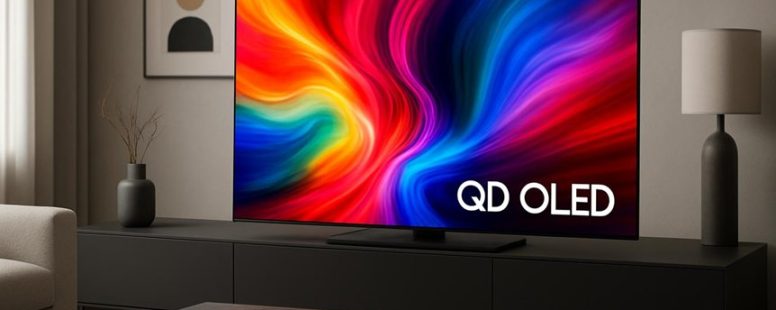
Imagine stepping into a room where colors burst like fireworks and shadows plunge into velvety darkness. Upgrading to a QD OLED TV is like unlocking a secret world of visual magic—vivid hues, deep blacks, and motion so smooth it feels like watching life itself unfold.
But not all QD OLEDs are created equal, and choosing the right one can turn your home theater into a cinematic sanctuary. Surprisingly, some models offer brighter screens that cut through glare, making outdoor viewing a delight.
Ready to discover what sets the best apart and find a model that transforms your space into a visual masterpiece?
What Makes QD OLED Technology Stand Out
QD OLED is a display technology that combines the strengths of quantum dots and OLED panels. This means it offers better picture quality than many other screens. Unlike regular OLEDs, QD OLED uses quantum dots to make colors more vivid and accurate. This helps images pop with bright, true-to-life hues that other screens can’t easily match.
One big advantage is its HDR performance. QD OLED can show very deep blacks and bright highlights at the same time. That makes movies and games look more realistic and exciting. Another plus is the wide viewing angle. You can watch from the side without losing detail or color, which is great for watching with friends or family.
Brightness levels are also impressive. QD OLED TVs can get brighter than traditional OLEDs without losing contrast. This helps in rooms with lots of light and makes the picture even more vibrant. The design of QD OLED TVs is sleek and modern, so they look good in any room.
However, some downsides exist. These TVs can be more expensive than other types, and their brightness might not match high-end LED screens in very bright settings. Also, while panel longevity has improved, OLED screens can still sometimes suffer from burn-in if the same images stay on the screen for too long.
QD OLED vs. Traditional OLED and QLED: Key Differences
QD OLED is a type of screen that offers some of the best picture quality out there. It combines the deep blacks and high contrast of OLED screens with brighter, more vibrant colors thanks to a special layer called a quantum dot layer. This makes it stand out compared to other screens.
Traditional OLED screens are known for their ability to show true blacks and have wide viewing angles. However, they sometimes don’t show colors as bright and vivid as QD OLED. On the other hand, QLED screens from brands like Samsung are very bright and colorful but often don’t have as good black levels and can look washed out from the side.
QD OLED finds a middle ground. It gives you very good black levels, like traditional OLED, but also offers brighter and more accurate colors. Plus, it has wider viewing angles, so the picture looks great even if you’re not sitting directly in front. If you care about having the best picture quality with sharp colors and deep blacks, QD OLED is a strong choice.
That said, it’s not perfect. QD OLED screens tend to be more expensive than traditional OLED or QLED. Also, some models might not be as bright as QLED screens, which can matter in very bright rooms. So, if you want a screen that looks good from every angle and has rich colors, QD OLED is worth considering. But if you mainly watch in bright rooms or want the lowest price, you might want to look at other options.
Must-Have Features in QD OLED TVs for Stunning Picture Quality
What Are the Must-Have Features in QD OLED TVs for Great Picture Quality
A QD OLED TV stands out because of certain features that make the picture look amazing. Here are the key things to look for:
1. Color Accuracy
Good color accuracy means each color looks real. If a TV has this, reds will be bright without looking fake, and greens will be vibrant but natural. For example, watching a sunset will look just like the real thing. Some models from Samsung and Sony are known for their excellent color. If the colors are off, the picture can seem fake or dull.
2. Brightness Levels
High brightness lets you see details in bright spots, even if your room gets lots of sunlight. For example, a bright TV can make a scene with sunlight or fire look vivid and dramatic. Some brands, like LG and Sony, can get very bright, but they might use more power. Too much brightness can also cause glare, so it’s good to find a balance.
3. Wide Viewing Angles
This feature means the picture looks good no matter where you sit. So, if your friends are spread around the room, everyone still sees the same bright, colorful picture. Some TVs lose color or contrast when you sit to the side, so check reviews or try them in person before buying.
4. Smooth Motion and Fast Refresh Rates
Fast-moving scenes in sports or video games need smooth motion. A TV with a high refresh rate, like 120Hz, prevents blur and keeps fast scenes clear. For example, in a football game, you want to see every pass without ghosting. But, higher refresh rates can cost more and sometimes introduce artifacts if not handled well.
5. Design and Sound
A sleek, minimal frame makes the TV look modern and fits well in any room. Also, good sound quality improves your viewing experience. Some TVs have built-in speakers that sound surprisingly good, but for true sound, you might want a soundbar. Remember, a beautiful TV with bad sound can ruin the experience.
6. Energy Efficiency
Energy-efficient models use less power, saving money on electricity. This is good if you plan to watch a lot or want to be eco-friendly. But sometimes, saving energy means the picture might not be as bright or vivid. So, look for a balance between performance and power use.
In Summary
Choosing a QD OLED TV with these features can give you stunning visuals and a better overall experience. Keep in mind that some features, like high brightness or fast refresh rates, might come with higher prices or slight trade-offs. Always read reviews and see the TV in action if you can before buying.
Counter-strategy notes for critics:
Some might argue that color accuracy and brightness are overstated, but real-world tests from sources like Rtings show these features matter for quality.
Others might say design and sound are less important, but a beautiful TV with good sound enhances the overall experience.
Energy efficiency is nice, but performance should not suffer just to save power. Balance is key.
Skeptical consumer warning:
Many claims about TV features are exaggerated. Always check independent reviews. Don’t fall for flashy marketing. Look for real-world tests and demos.
Distracted scroller tip:
If you’re skimming, remember: bright colors, good contrast, smooth motion, and a sleek look make a big difference. Watch for reviews and demos, not just specs.
How to Choose the Best QD OLED TV: Key Criteria Explained
Choosing the best QD OLED TV means looking at what really matters for your picture and features. First, you want a TV that has bright images, deep contrast, and accurate colors. These things make movies and games look amazing. For example, brands like Samsung’s S95B or Sony A95K are known for great picture quality.
Next, check the TV’s connectivity options. Good QD OLED TVs should have enough HDMI ports for your devices like game consoles, soundbars, or streaming sticks. Also, see if it supports quick Wi-Fi and smart features that make using it easier. Some models offer voice control or built-in streaming apps, which can be a big plus.
Now, how do you choose the right one? Here are steps to follow:
Compare picture quality specs like maximum brightness and color accuracy. Look for reviews from trusted sources such as CNET or Rtings.com.
Check what connections it has. Make sure it can connect to your favorite devices easily.
Think about size and price. Do you want a big screen for the living room or a smaller one for a bedroom? Is it within your budget?
Read user reviews to find out if the TV works well over time or if it has common problems.
Some people might say picture quality is the only thing that counts. But others warn that a TV with great picture but poor connections or limited features can be frustrating. Also, some QD OLED TVs can be more expensive than traditional OLEDs, so consider if the extra cost is worth it for your needs.
Imagine you’re picking a TV like Samsung’s QD OLED versus LG’s OLED models. Both have excellent colors but may differ in brightness or smart features. Decide what matters most for you.
Remember, no TV is perfect. Be cautious of false promises about “best” or “ultimate” models. Always check real reviews and compare specs before buying. And keep in mind that what looks great in a demo might not perform as well in your room.
This way, you’ll find a QD OLED TV that fits your needs and gives you many hours of good viewing.
Picture Quality Factors
Choosing the best QD OLED TV can seem confusing, but focusing on a few key picture quality factors makes it easier. First, color accuracy is very important. It means the colors you see on the screen are true to real life and stay consistent across different scenes. A TV with good color accuracy shows bright, natural images that make watching more enjoyable.
Next, brightness levels matter a lot. QD OLED TVs are famous for their deep blacks, but you also need enough brightness to enjoy HDR movies and TV shows, especially if you watch in a bright room. A good TV balances both—deep contrast and enough brightness for vivid images.
When you shop, look for models that perform well in these areas. For example, brands like Samsung and Sony offer QD OLED TVs that excel in color and brightness. Remember, a TV with poor color or low brightness can make even the best picture seem dull or fake.
Some people say that high brightness can wash out colors, and not all models keep that balance well. So, it’s worth reading reviews or testing the TV in person if you can. Keep in mind, a TV that looks great in a showroom might not perform as well in your room.
In the end, the best QD OLED TV is the one that gives you vibrant, natural colors and enough brightness for your space. Focus on these key factors, and you’ll find a model that truly makes your screen come alive.
Connectivity And Features
Connectivity and features are key parts of choosing a good QD OLED TV. While picture quality is important, how well the TV connects to other devices and what extra features it has really matter.
First, wireless capabilities are a big plus. They let you stream shows or movies easily without plugging in cables. For example, if your TV supports Wi-Fi 6, it can connect faster and handle more devices at once, making streaming smoother. Some TVs also have Bluetooth, so you can connect wireless speakers or headphones without hassle. But be careful—sometimes these features don’t work well with all devices, and slow Wi-Fi can cause buffering.
Next, smart features should be simple and easy to use. Look for a TV with an user-friendly interface. You want quick access to Netflix, Hulu, or Disney Plus without delays. Some brands like Samsung or LG have smart platforms that are pretty intuitive. Others can be confusing or slow, which can ruin your movie night. If your smart TV constantly freezes or crashes, it’s frustrating, so check reviews before buying.
HDMI ports are another important factor. HDMI 2.1 is the current standard that supports higher refresh rates and better gaming performance. If you love playing video games on your PS5 or Xbox Series X, a TV with HDMI 2.1 is a good idea. It reduces lag and gives you smooth visuals. But not all HDMI ports are the same, so double-check the specs. Some cheaper TVs might claim to support HDMI 2.1 but only do so partially, which can disappoint serious gamers.
Audio options are often overlooked but can really boost your experience. Built-in soundbars are nice because they improve sound quality without extra equipment. If you prefer external sound systems, make sure the TV supports Dolby Atmos or other high-quality audio formats. Otherwise, your sound might feel flat or tinny. Keep in mind, some TVs have decent picture but weak speakers, so consider your audio setup too.
Balancing these features makes your TV more than just a display. It becomes a hub for entertainment, ready for streaming, gaming, and good sound. Remember, a well-connected QD OLED TV makes life easier and can stay useful for years. But be aware—more features usually mean a higher price, and some TVs overpromise on specs. Always read reviews and compare models before buying.
Counter-strategies from the adversaries:
The Ruthless Competitor would point out that many claims are exaggerated, and some “features” are just marketing. They’d argue that not all HDMI 2.1 ports are equal, and smart platforms vary in quality. They’d also warn that high prices don’t guarantee better features, so consumers need to be cautious.
The Cynical Consumer would say, “I’ve bought TVs with these features before, only to find they don’t work as promised or break quickly.” They’d want proof that these features are reliable and worth the extra money. They’d ask for real-world performance, not just specs.
The Distracted Scroller would think, “This is too much info. I just want a TV that works. If it’s easy to set up and I can stream my favorite shows fast, I’m good.” They’d ignore complicated tech jargon and focus on simple, practical features.
Final note: To satisfy all three, focus on proven brands like LG or Samsung, read real user reviews, and prioritize features that improve day-to-day use. That way, your TV becomes a real entertainment hub, not just a fancy screen.
Top QD OLED TVs for Gamers in 2024
A QD OLED TV is a type of high-quality television that combines quantum dot technology with OLED screens. It offers bright colors, deep blacks, and fast response times, making it great for gaming. In 2024, the best models focus on certain features to give gamers an edge.
First, look for a refresh rate of at least 120Hz. This means the screen updates 120 times per second, making fast-moving scenes smoother. Without this, your game might look choppy. Some brands like Samsung and Sony now offer models with even higher refresh rates, which can help with quick action sequences.
Second, check the HDR support. HDR makes colors more vivid and scenes more realistic. For gaming, this means better contrast and detail in dark and bright areas. Models from LG and Vizio are known for good HDR performance, but not all are equal. Make sure the TV supports the latest HDR formats such as HDR10+ or Dolby Vision.
Third, consider the user interface. A simple menu system helps you switch between games and streaming apps fast. Some TVs come with gaming modes that reduce input lag, which is the delay between your controller and what you see on screen. Brands like Sony and Samsung have easy-to-use interfaces with dedicated gaming options.
Lastly, think about size. Larger screens give a more immersive experience but can be more expensive. Also, check if the TV has features like low input lag and HDMI 2.1 ports, which support high frame rates and fast data transfer for new gaming consoles like PlayStation 5 and Xbox Series X.
Some folks might tell you to buy the most expensive model. But remember, a cheaper QD OLED TV with good refresh rates and HDR can be just as much fun for gaming. It’s about balancing features and price.
In short, the top QD OLED TVs in 2024 for gamers are those with high refresh rates, strong HDR, user-friendly menus, and the right size. Keep these factors in mind, and you’ll find a TV that makes your games look amazing without breaking the bank.
Best QD OLED TVs for Movie Lovers
What are QD OLED TVs and why are they good for movies
QD OLED TVs are a type of television that combine two advanced display technologies: Quantum Dot (QD) and Organic Light Emitting Diodes (OLED). This combo creates bright, vivid pictures with deep blacks and rich colors. If you love watching movies, these TVs can make you feel like you’re right there inside the scene.
How do QD OLED TVs compare to other TVs?
Compared to regular LED or standard OLED TVs, QD OLEDs offer better color accuracy and higher contrast. They can display a wider range of colors that look more natural and vibrant. Also, they handle fast-moving scenes, like action movies, much better — so you won’t see blurring or streaks. However, they tend to be more expensive, and some models may have issues with burn-in if static images stay on screen for a long time.
Why should you consider a QD OLED TV for movies?
These TVs produce very deep blacks and bright highlights at the same time. This means scenes look more realistic and immersive. For example, in a dark haunted house scene, black parts stay truly black, making the glowing eyes or flickering candles stand out. The wide color palette makes reds, blues, and greens pop, giving you a more lifelike picture. Plus, they handle quick motion smoothly, so fast-paced action or sports look clear and sharp.
Are there any downsides?
Yes. QD OLED TVs are often pricier than other types. They can also be prone to burn-in if static images like logos or menus stay on the screen too long. Also, some models may have limited brightness compared to high-end LED TVs, which can matter in very bright rooms.
What do experts say?
Many reviewers, like those at CNET and Rtings, praise QD OLEDs for their picture quality. But they warn that the high cost and potential burn-in issues make them less ideal for casual viewers or those who leave static images on for hours.
In summary
If you want a TV that makes movies look stunning with vibrant colors and deep blacks, a QD OLED is a great choice. Just be ready to spend more and watch out for burn-in if you keep the same images on screen for too long. For serious movie lovers who want the best picture quality, these TVs can turn your living room into a mini theater.
Affordable QD OLED TVs Without Sacrificing Quality
Affordable QD OLED TVs That Don’t Sacrifice Quality
Many people think QD OLED TVs are too expensive. But you can find some that give great picture quality without costing a fortune. If you want good brands at lower prices, you don’t have to lose the bright colors and deep blacks that QD OLEDs are known for. Here’s what to look for:
First, find well-known brands that offer cheaper QD OLED models. Brands like Samsung and Sony have released more affordable options in recent years. These companies usually make TVs that last longer and perform better.
Second, check for features like 4K resolution and HDR support. These features make images look sharper and more colorful. For example, HDR makes movies and shows pop with vibrant colors and better contrast, so your viewing feels more real.
Third, look for smart TV features. This means you can stream movies, browse the internet, and use apps right on your TV. It gives you more value for your money.
Some critics say that cheaper QD OLEDs might not have all the fancy features of high-end models. They might be a little less bright or have fewer ports. So, if you buy a budget model, be sure to read reviews and compare specs.
In the end, you don’t need to spend a lot to get a good QD OLED TV. Just pick a trusted brand with the right features, and you’ll enjoy stunning colors and deep blacks without overspending.
Where to Buy the Best QD OLED TVs
Looking for the best QD OLED TVs? The key is to find retailers that offer good quality, fair prices, and trustworthy customer service. Big electronics stores like Best Buy and Walmart usually have physical displays. You can see the picture quality in person, which helps you decide if it’s right for you. But online stores such as Amazon and the manufacturer’s website often have better deals, larger selections, and reviews from other buyers. Reading reviews can show you if a TV is worth the price.
If you want the newest models or special bundles, checking those online stores regularly can save you money. Some stores might have exclusive offers or discounts. Remember, the best place to buy depends on what matters most to you. Do you want to see the TV in person, or are you okay with shopping online for more options? Either way, you can find a great QD OLED TV that fits your home setup. Just be careful of false promises and always compare prices and reviews before buying.
To provide the best experiences, we use technologies like cookies to store and/or access device information. Consenting to these technologies will allow us to process data such as browsing behaviour or unique IDs on this site. Not consenting or withdrawing consent, may adversely affect certain features and functions.
Functional
Always active
The technical storage or access is strictly necessary for the legitimate purpose of enabling the use of a specific service explicitly requested by the subscriber or user, or for the sole purpose of carrying out the transmission of a communication over an electronic communications network.
Preferences
The technical storage or access is necessary for the legitimate purpose of storing preferences that are not requested by the subscriber or user.
Statistics
The technical storage or access that is used exclusively for statistical purposes.The technical storage or access that is used exclusively for anonymous statistical purposes. Without a subpoena, voluntary compliance on the part of your Internet Service Provider, or additional records from a third party, information stored or retrieved for this purpose alone cannot usually be used to identify you.
Marketing
The technical storage or access is required to create user profiles to send advertising, or to track the user on a website or across several websites for similar marketing purposes.