Imagine the burn of a good workout, the thrill of pushing your limits, only to realize that squats—your go-to move—might not be everyone’s cup of tea.
Maybe your joints protest or maybe you crave a fresh twist that keeps your muscles guessing. Luckily, there are secret weapons in the fitness world—moves that hit the same targets without the usual strain.
These alternatives can turn your routine into a symphony of movement, offering surprising benefits like improved balance and stability.
Ready to discover some game-changing substitutions that will keep your workouts exciting and effective?
Why You Might Need Squat Alternatives
Squat alternatives are helpful when you can’t do traditional squats safely or comfortably. Squats are great for building leg and butt muscles, but sometimes they cause pain or aren’t suitable for everyone. For example, if you have joint problems or limited flexibility, doing a squat might hurt or worsen your condition.
There are many other exercises that work similar muscles without putting too much strain on your joints. Bodyweight lunges or step-ups on a sturdy chair are good options. These exercises can be easier on your knees or hips but still help strengthen your legs and glutes. If you’re unsure, ask a trainer or physical therapist for advice, especially if you have health concerns.
Some people prefer alternatives because they find squats boring or too hard to do properly. Changing things up keeps workouts fun and helps target different muscles. For example, doing wall sits or glute bridges can give your muscles a good workout while being gentler on your body.
However, there are limits. Not all squat alternatives work the same way. Some might not be enough if you want to build a lot of strength or improve balance. Also, if you have serious joint issues, even some alternatives might not be safe. Always listen to your body and stop if you feel pain.
In the end, finding the right exercise depends on your goals and your body. Trying different moves can help you stay active without risking injury. It’s a good idea to talk with a fitness expert to find options that fit your needs and keep you safe.
Step-Ups: A Simple, Effective Squat Substitute
Step-ups are a simple and effective exercise you can do instead of squats. They help build strong legs and glutes while putting less stress on your knees. Unlike squats, which can sometimes cause discomfort, step-ups are gentler and easy to do at home or in the gym. You can make them harder or easier by changing the height of the step or adding weights like dumbbells or kettlebells.
Some reasons to try step-ups include:
They target your legs and glutes well.
You can adjust the step height based on your fitness level.
Using weights makes the exercise more challenging.
They help improve your balance and coordination.
You only need a small space and a sturdy step or box.
Many people find step-ups useful because they are simple to learn and flexible. For example, if you have knee pain from squats, step-ups might be a better choice. However, if you have knee problems or balance issues, you should be careful and maybe talk to a trainer or doctor first.
To do step-ups, follow these steps:
Stand facing a step or box.
Step onto the box with one foot, then bring the other foot up.
Step back down with the same foot, then repeat.
Switch legs after a set number of repetitions.
Adding weights like dumbbells in your hands can make the move tougher. Just be sure to step carefully and listen to your body.
In short, step-ups are a simple exercise that can work your muscles effectively. They are a good alternative if squats hurt your knees or you want a change. But always remember to start slow and consult a professional if you’re unsure.
Lunges for Stronger Legs and Glutes
Lunges are a simple way to make your legs and glutes stronger without doing squats. They are easy to do at home or in the gym. Lunges help improve your balance and muscle tone.
There are different types of lunges, like forward lunges, walking lunges, and reverse lunges. Each one works your muscles a little differently. For example, forward lunges target your front thigh muscles and glutes. Walking lunges are good if you want to move across a room, and reverse lunges can be easier on your knees.
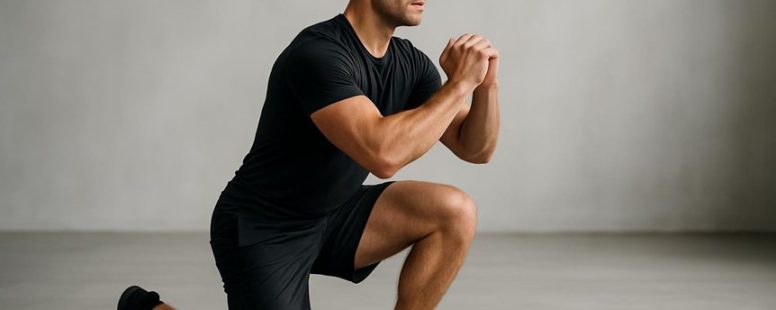
To do a lunge correctly, step one foot forward and bend both knees until your back knee almost touches the ground. Keep your front knee over your ankle. Then push back up and switch legs. It’s important to keep your back straight and not let your knees go past your toes. Good form prevents injuries and makes the exercise work better.
Some people worry lunges will hurt their knees or be too hard. If you have knee problems, try doing reverse lunges or hold onto a wall for balance. Lunges can be tough at first, but with practice, they become easier.
If you want the best results, aim for 2 or 3 sets of 10 to 15 lunges on each leg. You can add weights, like dumbbells, to make them harder. But don’t rush—focus on proper form first. Lunges are a cheap, effective way to strengthen your legs and glutes without fancy equipment.
Sources like the American Council on Exercise say lunges help build muscle and improve stability. So, give them a try and see how they work for you. Just remember, even the best exercise won’t help if you ignore your body’s limits.
Lunge Variations Explained
Lunges are a great way to build stronger legs and glutes without doing squats. They are simple to do and can be changed to target different muscles. Knowing how each lunge works helps you get the most out of your workout. Here are some common lunge types and what they do:
Forward Lunge: This is the most common lunge. You step forward with one leg, then lower your body. It mainly works your front thigh muscles, called quadriceps, and your glutes. Think of it as stepping out to reach something — easy and effective.
Reverse Lunge: Instead of stepping forward, you step backward. This move is easier on your knees and focuses more on your glutes. It’s good if you have knee pain or want to avoid extra strain.
Walking Lunge: You keep moving forward, lunging with each step. This adds a challenge for your balance and coordination. It feels like walking on a tightrope but with your legs.
Side Lunge: Instead of moving forward or back, you step to the side. This targets the inner thighs and helps stabilize your hips. Imagine sliding to sit in a chair sideways.
Curtsy Lunge: You step one leg diagonally behind the other, like a curtsy. This works your glutes and outer thighs in a different way. It’s like bowing gracefully, but with your legs.
Some people prefer certain lunges over others based on their goals or comfort. For example, if your knees hurt, reverse lunges might be better. However, doing too many of one type can cause muscle imbalance. Mixing different lunges keeps your workout balanced and interesting.
In short, lunges can be a simple, effective part of your fitness routine. They can be done almost anywhere, with no equipment needed. Just remember to keep your knees aligned over your ankles and don’t let your front knee go past your toes. This helps prevent injuries. Want stronger legs? Try adding different lunge styles to your workout and see how your muscles respond.
Benefits For Leg Strength
Lunges are a great exercise for building leg strength and shaping your glutes. They are simple to do and don’t need any special equipment. When you do lunges regularly, you can notice your legs getting stronger and more endurance. This means you can walk, run, or workout longer without feeling tired.
Lunges work many muscles at once, like your quadriceps, hamstrings, and glutes. Because they target multiple muscles, your legs become more balanced and stable. This can help prevent injuries and improve your overall strength. If one leg is weaker than the other, lunges can help fix that since you work each leg separately.
Some people prefer lunges over squats because they are easier on the knees or because they can do them anywhere. However, if you do lunges wrong, you might hurt your knees or lose your balance. Always keep your upper body straight and don’t let your knees go past your toes.
There are two ways to look at lunges. Some say they are the best for leg strength because they do not require weights and can be done anywhere. Others think lunges are only good as a part of a larger workout because they don’t target every muscle as well as weighted exercises.
In the end, lunges are a simple way to build strong, shapely legs and glutes. Just remember to do them correctly and include other exercises for best results. Would you try lunges at home or in the gym? Either way, they can help you get stronger without needing fancy equipment.
Proper Lunge Form
Lunges are a great way to build leg and glute strength, but only if you do them the right way. Proper lunge form is key to getting results and avoiding injury. Knowing how to do a lunge correctly helps you target the muscles properly and stay balanced.
Here are the basic steps for a good lunge:
Keep your chest up and your stomach tight during the move. Imagine standing tall like a tree.
Take a step forward that feels comfortable, so your front knee stays directly over your ankle. Don’t let it go past your toes or you might strain your knee.
Lower your back knee toward the floor. It should come close but not touch the ground.
Push through your front heel to stand back up.
You can try different types of lunges, like reverse lunges where you step backward or walking lunges that move forward.
Some people like to do reverse lunges because they are easier on the knees. Others prefer walking lunges for more challenge. But no matter what style you choose, focus on control and balance.
If your form is off, you risk hurting your knees or hips. For example, leaning forward too much or stepping too short can cause problems. It’s better to start slow and get used to the correct form before adding weight or more reps.
Remember, lunges can replace squats for many workouts. But only if you do them right. Think of lunges like walking on a tightrope—balance and alignment are everything.
Sources like the American Council on Exercise recommend practicing proper form to prevent injury and improve effectiveness. Some trainers warn that doing lunges incorrectly can cause knee pain or muscle strain. So, take your time learning the right technique.
In the end, lunges are simple but powerful. Do them wrong, and they might hurt instead of help. Do them right, and you’ll see stronger legs and glutes. Are you ready to master your lunge form?
Glute Bridges: Safe Lower Body Activation
Glute bridges are a simple exercise that help strengthen your butt muscles safely. They work well if you want to activate your glutes without putting stress on your knees or lower back. To do a glute bridge, lie on your back with your knees bent and feet flat on the floor. Push through your heels and lift your hips until your body forms a straight line from your shoulders to your knees. Squeeze your glutes at the top, then slowly lower back down.
This move is good for building lower body strength and improving stability. Some people prefer glute bridges instead of squats if they have joint pain or are just starting exercise. They are easy to do at home and don’t need any equipment.
However, do not overdo it. If you lift your hips too high or use momentum, you might not activate your glutes properly or strain your back. It’s better to focus on slow, controlled movements. Also, some may find this move too simple and want more challenging exercises for their glutes.
In short, glute bridges are a safe and effective way to target your butt muscles. They can be part of your regular workout to help improve strength and stability. Just make sure to do them with good form and listen to your body.
Wall Sits for Low-Impact Leg Strength
Wall sits are a simple exercise that help build leg strength without hurting your joints. They are a good option if you want to strengthen your legs without jumping or running. When I do wall sits, I make sure to keep my back flat against the wall and knees at a 90-degree angle. This helps me work my muscles well and last longer during the exercise. Plus, wall sits also help your core stay steady, which is good for your posture and balance. Here are some reasons why wall sits are effective:
They work your thighs, hamstrings, and buttocks all at once
They build endurance because you hold the position for a while
They strengthen your core, helping you stay balanced
They are low-impact, so they are easier on your knees and hips
You can change how hard they are based on your fitness level
Some people might say wall sits are boring or not enough on their own. Others might worry they don’t build as much strength as more active exercises. But for many, wall sits are a safe way to stay fit, especially if you’re recovering from an injury. Just be careful not to hold the sit too long if your knees or back hurt. Start with short holds and go longer as you get stronger. Do you think these exercises could help you stay active?
Resistance Band Exercises to Replace Squats
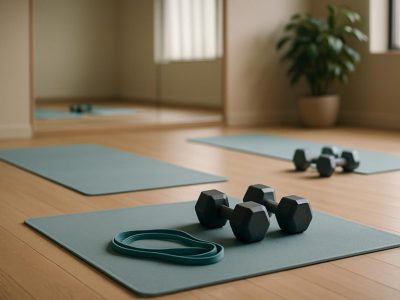
Resistance band exercises can be a good alternative to traditional squats, especially if you want to avoid putting too much strain on your joints. Here are three easy moves to try.
First, band-resisted glute bridges. Lie on your back with the band around your thighs. Keep your feet flat on the floor and knees bent. Push through your heels and lift your hips up until your body makes a straight line from shoulders to knees. Keep your core tight so you don’t wobble. This move works your butt and lower back, and it’s easier on your knees than regular squats.
Second, band lateral walks. Place the band just above your knees. Stand with your feet shoulder-width apart and slightly bend your knees. Step to the side, then bring your other foot to meet the first. Repeat in both directions. This targets your hip muscles and helps improve balance. It’s a simple way to build strength without heavy weight or joint stress.
Third, banded standing leg presses. Stand with the band around one foot and hold onto a wall or chair for balance. Push your foot forward against the band’s resistance, then bring it back. Switch sides. This exercise works your front and back thigh muscles without putting pressure on your knees like traditional squats.
Some people like these exercises because they are gentle on joints but still strengthen your lower body. Others worry they might not replace all the benefits of regular squats, especially for building maximum strength. Plus, if you don’t do the exercises correctly, they won’t be effective. It’s a good idea to start slow and focus on form.
These resistance band moves can be a safer choice for many, but they don’t work exactly the same. For example, they may not give you the same heavy weight training benefits. Still, they can help you stay active and strong without risking joint pain. Would you try these instead of squats? Or do you prefer traditional moves? Either way, just make sure to listen to your body and stop if anything hurts.
Chair Squats and Other Modified Squat Moves
Chair squats are a simple way to start building strength, especially if you’re new to exercise or worried about hurting yourself. They are easier on your knees and back than regular squats. To do a chair squat, stand in front of a sturdy chair with your feet shoulder-width apart. Keep your chest up and bend your knees as if you are going to sit down. Gently touch the chair with your bottom, then stand back up. It’s like sitting on an invisible chair.
Make sure your knees do not go past your toes and keep your back straight. Do not rush. Take your time with each move. If you feel pain or dizziness, stop right away. Remember, doing these correctly is better than doing a lot wrong.
Besides chair squats, there are other modified moves that work the same muscles. For example, wall sits are good if you want extra support. Stand with your back against the wall and slide down until your knees are bent at about 90 degrees. Hold this position for a few seconds and then stand up. You can also try step-ups using a sturdy step or low bench. Step up with one foot, then bring the other up, and step back down. These moves help strengthen your legs without risking injury.
Some people worry that these exercises are too easy or won’t help much. But for beginners or people with joint problems, they are a safe way to build strength. Keep in mind that overdoing it or doing poor form can lead to injuries. Always listen to your body and start slow.
Benefits of Chair Squats
Chair squats are a simple exercise that can help you build leg and butt muscles. They are easy to do and safe for most people. When you sit down and stand up from a chair, you use your leg muscles without putting too much pressure on your knees or back. This makes chair squats a good choice if you are new to working out or if you have joint pain.
Here are some reasons why chair squats are useful:
They give support while strengthening your legs and glutes. Imagine sitting down and standing up repeatedly — it’s like a gentle workout that helps tone your muscles.
They reduce stress on your knees and lower back. If you have pain in these areas, chair squats are less likely to cause discomfort compared to regular squats.
They help you learn the proper way to squat. Doing it slowly and with support can teach you how to balance and move correctly.
They boost confidence. When you use a chair, you can practice squatting without fear of falling, making it easier to try more challenging moves later.
They create a safe space to improve your stability. You can focus on controlling your movements without worry.
Some people might worry that chair squats are not enough or too easy. While they are great for beginners or those with health concerns, more advanced exercisers might need to challenge themselves further. Also, if you don’t do them right, you might not get the full benefit. Make sure to keep your back straight and push through your heels when standing up.
In simple words, chair squats can be a helpful exercise for many. They might not replace more intense workouts if you want to build serious strength, but they are a good start. Try them out and see how they work for you. Remember, any exercise is better than none, especially when it helps you move better and feel stronger.
Proper Form Tips
Proper form is key when doing chair squats. Using the right technique makes sure you get the most benefit and stay safe. First, focus on how your body lines up. Keep your knees over your toes and lift your chest. This helps prevent injury and keeps your balance. Improving your hip mobility can help you squat lower without straining your muscles. Always engage your stomach muscles to support your back and make your muscles work better. A common mistake is leaning too far forward, which can hurt your back or knees. Remember to breathe properly: breathe in as you sit down and breathe out as you stand up. If you want to get stronger, try going a little lower or add a light weight, like a small dumbbell. Just be careful not to push too hard too fast. Following these simple tips helps prevent injuries and makes sure you get the most out of chair squats or any similar exercises.
Alternative Modified Squats
Modified Squats: What They Are and How to Do Them
Modified squats are simple exercises that help people build strength without putting too much stress on their joints. Unlike regular squats, these are easier to do and safer for beginners or those with joint pain. They focus on improving mobility and strength by reducing the difficulty.
One popular type is chair squats. To do a chair squat, stand in front of a sturdy chair. Keep your feet shoulder-width apart. Slowly bend your knees and hips, as if you’re sitting down. Touch the chair lightly with your backside, then stand back up. This exercise helps you practice proper form and gives support, so you won’t fall or strain your knees.
Another good option is wall sits. Stand with your back against a wall and slide down until your knees are bent at a 90-degree angle. Stay in this position for as long as you can. Wall sits build endurance in your thighs and improve your stability.
Partial squats are easier because you don’t go as deep. Just bend your knees a little, then stand up. This reduces pressure on your knees but still works your leg muscles.
Box squats use a box or bench to guide how far you squat. You sit down on the box, then stand up. This helps control your movement and prevents overdoing it.
Supported squats with a stability ball are done by placing the ball against a wall. Rest your lower back on the ball as you squat down. It gives extra support and helps keep your balance.
These modified squats are good for staying active without hurting yourself. They are especially helpful if you’re just starting out or managing joint issues. But remember, even these exercises can cause strain if done wrong. Always move slowly and stop if you feel pain. It’s best to check with a doctor or physical therapist if you’re unsure.
Some people may prefer more advanced options or find these too easy. That’s okay. The key is to choose exercises that match your body’s needs. Modified squats can be a safe way to build strength gradually. Just be careful and listen to your body.
Targeting Your Leg and Glute Muscles Without Squats
If you cannot do squats, don’t worry. There are other good exercises to work your leg and glute muscles. These exercises focus on moving your muscles directly without putting too much strain on your joints. For example, lunges, glute bridges, and step-ups are simple moves that help build strength and activate your glutes. These exercises are easy to do at home or in the gym, and they can be changed to fit your fitness level.
Adding variety to your workout is helpful because it keeps you interested and stops your muscles from getting used to the same moves. Mixing in stretching and flexibility exercises also helps prevent injuries and makes your joints more mobile. As you get stronger, slowly making your exercises more challenging — like adding more reps or using weights — helps you keep improving without risking injury.
Focusing on good form and slow, controlled movements is key. This way, you make sure the right muscles are working and avoid hurting yourself. Even if you don’t do squats, you can still get strong legs and glutes, improve your balance, and stay injury-free. A well-rounded workout routine with these exercises can help you reach your fitness goals safely and effectively.
Combining Squat Alternatives for Balanced Results
Combining Squat Alternatives for Better Leg and Glute Work
Squats are popular for building leg and glute muscles, but they’re not the only way. Using different exercises can give you better results and help prevent injuries. Mixing various movements activates more muscles and keeps your workouts balanced. Here’s how to include squat alternatives in your routine:
Do mobility exercises first. These help your joints move freely and prevent strains. For example, leg swings or ankle circles.
Practice balance exercises. These engage small muscles that stabilize your body. Try standing on one leg or using a balance board.
Add unilateral moves. These work one leg at a time, like lunges or step-ups. They help correct muscle imbalances and build strength evenly.
Choose low-impact options. These are gentle on your joints but still effective. Examples are glute bridges or seated leg presses.
Change up your exercises regularly. Swapping different moves keeps your workout interesting and works muscles in new ways.
Some people worry that skipping squats might reduce progress. While squats are great, combining other exercises can be just as effective if you do them correctly. For example, lunges and step-ups target similar muscles but also improve balance and coordination. However, some may find certain alternatives less challenging or less effective for building maximum strength. It’s good to listen to your body and adjust accordingly.
To provide the best experiences, we use technologies like cookies to store and/or access device information. Consenting to these technologies will allow us to process data such as browsing behaviour or unique IDs on this site. Not consenting or withdrawing consent, may adversely affect certain features and functions.
Functional
Always active
The technical storage or access is strictly necessary for the legitimate purpose of enabling the use of a specific service explicitly requested by the subscriber or user, or for the sole purpose of carrying out the transmission of a communication over an electronic communications network.
Preferences
The technical storage or access is necessary for the legitimate purpose of storing preferences that are not requested by the subscriber or user.
Statistics
The technical storage or access that is used exclusively for statistical purposes.The technical storage or access that is used exclusively for anonymous statistical purposes. Without a subpoena, voluntary compliance on the part of your Internet Service Provider, or additional records from a third party, information stored or retrieved for this purpose alone cannot usually be used to identify you.
Marketing
The technical storage or access is required to create user profiles to send advertising, or to track the user on a website or across several websites for similar marketing purposes.