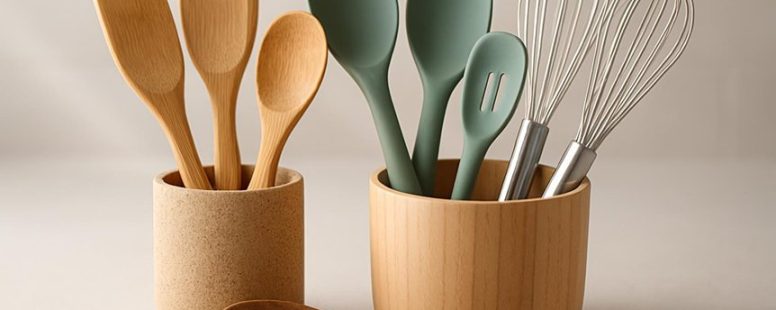
Imagine stirring your favorite sauce with a utensil that feels warm and natural in your hand, not cold and synthetic. Rethinking your kitchen tools might be the fresh start you need.
Plastic utensils seem harmless enough, but beneath their convenience lies hidden health risks and a footprint that shadows the planet. Switching to bamboo, silicone, or stainless steel not only protects your health but also transforms cooking into a more mindful, enjoyable experience.
Did you know some materials are naturally resistant to bacteria, making your kitchen safer? Embrace these alternatives and turn your cooking space into a sanctuary of sustainability and style.
Reasons To Switch From Plastic Cooking Utensils
Plastic cooking utensils may seem easy and cheap, but they have serious downsides. Here’s why switching to other options is a smart choice.
First, plastic utensils can be bad for your health. When you heat them, they can release chemicals that might cause health problems over time. For example, some plastics contain BPA, a chemical linked to hormone issues and cancer. If you often cook with plastic utensils, you might be exposing yourself to these risks without even realizing it.
Second, plastic utensils hurt the environment. They take hundreds of years to break down and add to pollution. Every year, millions of plastic utensils get thrown away and end up in landfills or oceans. This damages wildlife and pollutes water sources. Imagine a plastic fork floating in the ocean, threatening fish and sea birds. It’s clear that plastic utensils are not good for the planet.
However, some people argue that plastic utensils are convenient and cheap. It’s true they are easy to buy and throw away, but is that really worth the long-term risks? Alternatives like wooden, silicone, or stainless steel utensils last longer and are safer. For example, stainless steel spoons don’t melt or release chemicals, and they can be used many times.
On the other hand, switching to better options costs a little more upfront. Plus, some materials like silicone can get stained or retain odors. But in the end, the benefits of safer food and a cleaner planet outweigh these small problems.
How To Choose Durable, Safe Cooking Utensils
Choosing the right cooking utensils is simple when you know what to look for. The most important thing is safety. You want utensils made from materials that meet strict safety standards so they don’t release harmful chemicals into your food. For example, look for utensils labeled BPA-free or made from food-grade silicone and stainless steel. These are generally safer choices.
Durability is also key. Good utensils should last many years without breaking or wearing out. Think about how often you replace your spatulas or pots. If they fall apart quickly, you’re wasting money. Brands like OXO and Calphalon make utensils that are built to stand up to regular use. Also, consider how easy they are to clean because a utensil that is hard to wash might end up in the trash sooner.
There are two main ways to judge quality. First, compare the materials. Silicone and stainless steel are popular because they resist heat and don’t scratch cookware. Second, look at reviews. Customers who have used the product for months can tell you if it really lasts or if it’s just a pretty picture on the box. Sometimes, cheaper utensils look good but break after a few uses.
Some people say that investing in high-quality utensils saves money in the long run. But others warn that expensive tools aren’t always better — sometimes they are just overpriced. You need to balance safety, durability, and your budget. Also, beware of fake labels or brands that make false safety claims. Always buy from reputable stores or brands you trust.
In the end, choosing safe and long-lasting utensils comes down to checking the materials, reading reviews, and thinking about your cooking habits. Are you frying often? Then go for heat-resistant utensils. Do you want something easy to clean? Look for dishwasher-safe options. Picking the right tools makes cooking safer and more fun, but don’t forget to stay cautious about false promises and cheap knock-offs.
Material Safety Standards
Material safety standards are the main rules that make sure your cooking utensils are safe to use. When you pick utensils, knowing where they come from and what they are made of matters a lot. Poor quality materials can release harmful chemicals, especially when heated. So, always check if the utensil follows health rules set by authorities like the FDA. If it does, it’s safer for your family.
Here are some tips to find safe cooking tools:
Look for utensils made from non-toxic materials, without BPA or lead.
Make sure they meet FDA or similar health rules.
Check if the brand shows where and how they make their products.
See if they have safety certificates from trusted organizations.
Choosing utensils that follow these standards helps you cook safely. It also makes sure your tools last longer and don’t harm your health. Remember, a cheap-looking utensil might be dangerous if it’s made with bad materials. Always read labels and trust brands with good safety records.
Longevity and Maintenance
Choosing cooking utensils that last and stay safe is very important since we use them every day. The best options are materials like wood, silicone, and stainless steel. These last longer than plastic and don’t break down or release harmful substances over time. For example, wooden spoons can last for years if cared for properly, while cheap plastic utensils might crack or warp quickly.
Durability is important, but how you take care of your utensils also matters. Wooden tools need regular oiling to keep from cracking. Silicone utensils should be washed gently to avoid wearing out the material. Stainless steel needs to be dried quickly after washing so it doesn’t rust. If you don’t clean and store them right, even the strongest utensils can break or become unsafe.
Some people might think that all utensils are the same and can be ignored after purchase. But a well-maintained utensil can last years, saving money over time. Brands like OXO and KitchenAid offer good stainless steel and silicone options. Still, be aware that some wooden utensils might crack if left in water too long or if not oiled regularly.
If you want utensils that last and are easy to care for, choose ones made of stainless steel, silicone, or wood. Each has pros and cons. For example, stainless steel is very tough but can get hot if left in a pan, while silicone is flexible but can wear out if washed harshly. Knowing how to clean and store them helps keep your kitchen safe and your utensils in good shape.
Wooden And Bamboo Utensils: Classic, Sustainable Alternatives
Wooden and bamboo utensils are popular choices for eco-friendly kitchens. They are considered some of the best options because they are sustainable, durable, and gentle on cookware. Unlike metal tools, they won’t scratch pots and pans, which helps your kitchen last longer. These utensils are versatile too—they work well for stirring sauces, flipping pancakes, or serving food.
To get the most out of wooden or bamboo utensils, you should wash them by hand and avoid soaking them in water for too long. Regularly oil them with food-safe oil to keep them from cracking or drying out. With proper care, these utensils can last for many years.
Some people like bamboo because it grows fast and is lightweight, making it easy to handle. Others prefer wood for its natural look and feel. But keep in mind, wooden and bamboo utensils can sometimes crack if they get very dry or are exposed to high heat for too long. They are not the best choice for dishwasher cleaning, which can cause them to warp or split.
In the debate about eco-friendly kitchen tools, wooden and bamboo utensils are often compared to plastic or metal. While plastics can be cheap and easy to clean, they may not last long and can harm the environment. Metal utensils are durable but can scratch cookware and may be heavier. Some people say that bamboo and wood are better for the planet because they come from renewable resources and biodegrade naturally. But others argue that if not sourced responsibly, they can still harm forests or be treated with chemicals.
If you want a simple and natural tool that helps the environment, wooden or bamboo utensils are a good choice. Just remember, they need a little extra care to stay in good shape. Would you want utensils that last long but need special cleaning? Or are you okay with replacing them more often if they are eco-friendly? Think about what matters most to you.
Sources:
EcoWatch: Bamboo versus Plastic Kitchen Tools
Green America: Sustainable Kitchen Utensils
Eco-Friendly Material Benefits
Wooden and bamboo utensils are better choices than plastic ones. They are made from natural materials that come from sustainable sources. This means they don’t harm the environment when they are produced or disposed of. Unlike plastic, which can take hundreds of years to break down, wooden and bamboo utensils decompose naturally and quickly.
Here are some reasons I prefer wooden and bamboo utensils:
They help cut down on plastic waste and pollution. Have you ever seen a plastic fork stuck on a beach for years? Wooden and bamboo tools don’t stay around that long.
They are renewable because they grow fast and can be harvested responsibly. That means we can keep using them without running out.
Making these utensils creates a smaller carbon footprint. They use less energy during production compared to plastic.
They look and feel natural and warm. Imagine eating with a smooth bamboo spoon that feels good in your hand.
Some people say they are just as strong as plastic, but others worry they might not last as long if not taken care of. Also, bamboo and wood need to be cleaned properly to stay safe to use.
Durability And Maintenance Tips
Wooden and bamboo utensils are good choices for eco-friendly cooking tools. They are less likely to warp or melt compared to plastic because they handle heat well. But to keep them in good shape, you need to take care of them.
First, avoid leaving these utensils soaking in water for a long time. Soaking can cause cracking or splitting over time. Instead, wash them by hand with mild soap and dry them right after. Using a dishwasher is not recommended because the high heat and strong detergents can damage the wood or bamboo fibers.
Regularly applying a small amount of food-safe mineral oil to your utensils helps prevent them from drying out and cracking. Think of it like moisturizing your skin — it keeps the wood or bamboo supple and extends their life.
Some people worry about durability, but with proper care, these utensils can last many years. Keep in mind that cheap or poorly made options might break faster. If you buy from trusted brands like OXO or BambooMN, you’re more likely to get sturdy tools.
Versatile Kitchen Uses
Wooden and bamboo utensils are great tools to use in your kitchen. They are known for being versatile and easy to handle. Unlike ceramic tools, which can chip or break easily, wooden and bamboo spoons or spatulas handle heat well and won’t scratch your pots and pans. These tools are good for many kitchen jobs.
For example, you can use them to stir soups or sauces without hurting your non-stick pans. They are gentle enough to toss salads without damaging delicate leaves. When serving hot dishes from a pot, wooden or bamboo utensils are safe and comfortable to use. You can also mix dough or batter without making noise or damaging your mixing bowls.
Their natural texture helps grip food better, making cooking simpler and more fun. Plus, they are eco-friendly and last a long time if you take good care of them. Some people worry about how long they will stay nice, but with proper cleaning and drying, they can be your reliable kitchen helpers for years.
However, there are a few downsides to consider. Wooden and bamboo tools can crack or develop splinters if not cared for properly. They also might absorb odors or stains from certain foods over time. Some cheaper brands may not be as durable, so it’s good to check reviews before buying.
If you want kitchen tools that work well for many tasks and are good for the environment, wooden and bamboo utensils are a smart choice. They may not be the best for heavy-duty tasks like cutting or chopping, but for stirring, serving, and mixing, they are often better than metal or plastic options.
Sources: Kitchenware brands like OXO and Bamboo Supply recommend using wooden or bamboo tools for non-stick cookware to prevent scratches.
Silicone Utensils: Heat-Resistant And Flexible Tools
Silicone utensils are popular kitchen tools because they are heat resistant and flexible. They are a good choice for cooking because they can handle high temperatures without melting or warping. Many brands, like OXO and Tovolo, make silicone spatulas and spoons that can withstand up to 450°F, making them safe for high-heat cooking. Their flexibility helps you scrape every bit of batter or sauce from bowls, which means less waste and mess. Unlike plastic, silicone does not release harmful chemicals into your food, so it’s safer to use. Plus, silicone utensils are gentle on non-stick pans, so you won’t scratch your cookware.
But there are some things to keep in mind. Silicone tools can be more expensive than plastic ones. And not all silicone utensils are made equal—some might not last long if they are low quality. Also, while silicone is heat resistant, it can still get damaged if used with very sharp tools or rough scrapers.
If you want utensils that are safe, durable, and easy to use, silicone is a smart choice. Brands like OXO and Tovolo have tested their tools to handle heat well. Still, make sure to buy good quality silicone utensils and check reviews before buying. They might not be perfect for every task, but for most cooking needs, silicone tools are a handy addition to your kitchen.
Stainless Steel Utensils: Durable And Hygienic Options
Stainless steel utensils are a popular choice for many kitchens. They are known for being durable and easy to clean, making them a safe option for cooking and eating. Unlike plastic or wood, stainless steel won’t warp, melt, or absorb odors over time.
Here’s why many people prefer stainless steel utensils:
They last a long time without breaking or wearing out.
The smooth, non-porous surface stops bacteria from sticking and growing.
They can handle high heat without releasing any chemicals, which is safer for cooking.
They look modern and fit well with any kitchen style.
To keep them clean, just wash with soap and water and dry them well. They stay shiny and new for years if you take care of them. But remember, stainless steel can get scratched if you use harsh scrubbers or abrasive cleaners.
Some people worry that stainless steel might be heavy or noisy when you use it. Also, cheaper brands may not be as resistant to rust or scratches. So, it’s good to look for trusted brands like All-Clad or Cuisinart.
If you want utensils that are strong, safe, and easy to maintain, stainless steel is a smart choice. It might cost a little more upfront but can last a lifetime. Would you rather buy cheap utensils that break easily or spend a little more for something that stays good as new?
Easy Tips To Care For Your Non-Plastic Utensils
Stainless steel and other non-plastic utensils can last many years if you take good care of them. To keep your tools in the best shape, hand wash them with mild soap. Avoid using harsh scrubbers because they can scratch or damage the finish. If your utensils have grooves or handles, make sure to clean those areas well to stop build-up. After washing, dry them quickly to prevent water spots or rust, especially on wooden or bamboo handles. Wooden utensils should not soak in water for a long time because that can make them crack or warp. You should also oil wooden handles regularly with food-safe oil to keep them smooth and strong.
Some people think you should only buy the most expensive utensils, but proper care is more important than price. For example, cheap stainless steel can last just as long as high-end brands if cleaned and stored well. On the other hand, some folks ignore cleaning routines and find their utensils rusted or damaged quickly.
A quick warning: never soak wooden utensils for hours or leave them wet on the counter. Doing so can ruin them faster. Also, while hand washing is best, some say dishwasher cleaning is okay for stainless steel, but it might harm wooden or bamboo parts over time. Always check the manufacturer’s instructions.
Taking care of your non-plastic utensils is simple. Just follow these steps and you’ll keep them safe, comfortable, and long-lasting. That way, your kitchen stays healthier and more fun to cook in. Would you like tips for specific utensils like wooden spoons or bamboo spatulas?
Where To Buy Quality Plastic Utensil Alternatives
Where to Find Good Alternatives to Plastic Utensils
The best way to find quality non-plastic kitchen tools is by looking for options that are both easy to buy and better for the environment. When choosing alternatives, consider how durable they are, how easy they are to clean, and if they match your kitchen style. Here are some places I recommend:
1. Eco-Friendly Online Marketplaces
These sites sell products that are made from sustainable materials like bamboo, stainless steel, or silicone. They often have reviews so you can see if others think the products last. For example, Amazon’s eco-friendly section or Thrive Market are good options. Just be sure to check if the items are truly eco-friendly, not just labeled that way.
2. Local Artisan Shops
Small shops and craft fairs often carry handmade utensils made from natural materials. These are unique and support small businesses. For instance, a local farmer’s market might have wooden or bamboo spoons that last long and look nice in your kitchen. But, keep in mind, handmade items might need more care or occasional oiling.
3. Farmers’ Markets
At these markets, artisans sell eco-conscious kitchen tools. It’s a great way to see and feel the utensils before buying. Plus, you can ask the seller about how the products are made and their environmental impact.
4. Specialty Kitchen Stores
Many large kitchen stores now have eco-friendly sections. Stores like Williams Sonoma or Bed Bath & Beyond often carry utensils made from recycled or sustainable materials. However, these might be more expensive than other options, so consider your budget.
A Few Tips:
Look for utensils labeled as BPA-free or made from natural materials.
Read reviews to see how long the items last.
Be cautious of products that claim to be eco-friendly but aren’t verified.
Some people like bamboo because it grows fast and is biodegradable. Others prefer stainless steel because it lasts forever but can be heavier. Both have pros and cons, so think about what matters most to you.
It’s easy to find good options if you know where to look. Just remember, quality and sustainability go hand in hand, but always check reviews and labels before buying. That way, you make a choice that’s better for your kitchen and the planet.
Bonus: Eco-Friendly Utensil Brands Worth Trying
Eco-friendly utensil brands are a good choice if you want to help the environment. The best brands are made with materials like bamboo and recycled wood. These materials are better for the planet because they grow quickly and can be recycled easily. Brands like Bamboo Home and Green Kitchen Co are popular options. They make sure their products are produced fairly, paying workers fair wages and keeping conditions safe. Their utensils are strong and look good, so you don’t have to use plastic anymore. Switching to their products can help reduce plastic waste and support companies that care about the environment. But keep in mind, some eco-friendly utensils may cost more or wear out faster. It’s good to compare brands and see what fits your needs best. Choosing products from companies that focus on sustainability and fairness can make your kitchen greener and more responsible.
To provide the best experiences, we use technologies like cookies to store and/or access device information. Consenting to these technologies will allow us to process data such as browsing behaviour or unique IDs on this site. Not consenting or withdrawing consent, may adversely affect certain features and functions.
Functional
Always active
The technical storage or access is strictly necessary for the legitimate purpose of enabling the use of a specific service explicitly requested by the subscriber or user, or for the sole purpose of carrying out the transmission of a communication over an electronic communications network.
Preferences
The technical storage or access is necessary for the legitimate purpose of storing preferences that are not requested by the subscriber or user.
Statistics
The technical storage or access that is used exclusively for statistical purposes.The technical storage or access that is used exclusively for anonymous statistical purposes. Without a subpoena, voluntary compliance on the part of your Internet Service Provider, or additional records from a third party, information stored or retrieved for this purpose alone cannot usually be used to identify you.
Marketing
The technical storage or access is required to create user profiles to send advertising, or to track the user on a website or across several websites for similar marketing purposes.