Imagine reaching for your favorite pasta sauce and finding the jar empty. Instead of a culinary dead-end, a world of flavorful substitutes opens up like a treasure chest.
From the zing of fresh herbs to the creamy richness of alternative bases, these options can turn your simple dish into a symphony of tastes.
Surprisingly, using a substitute can sometimes enhance your meal, adding layers of complexity you never expected.
Knowing how to adapt your ingredients is like having a secret key—unlocking new possibilities with every spoonful.
Top Tomato Sauce Substitutes to Try Now
Tomato sauce is a common ingredient in many dishes, but sometimes you run out. So, what are the best substitutes? The key is to find options that taste good, are easy to find, and can work well in recipes.
One top choice is marinara sauce or canned tomato puree. These are shelf-stable, ready-made options that you can keep in your pantry. They’re convenient, and many brands like Hunt’s or Muir Glen offer good quality. They often taste similar to homemade sauce but save you time. Just be sure to check the ingredients for added sugar or preservatives if you want a healthier option.
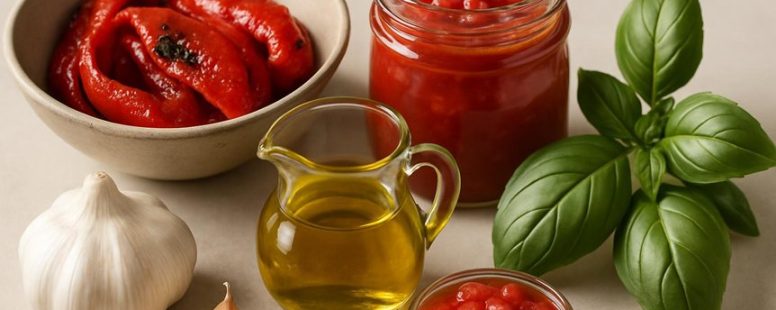
Another good substitute is making a simple homemade blend. For example, roast red peppers and blend them with garlic, a splash of vinegar, and some olive oil. This mix gives a tangy, rich flavor that can replace tomato sauce in many recipes. Plus, it’s easy to customize with herbs or spices you like. Making your own sauce takes a few minutes and can be a fun way to add a personal touch to your meal.
There are also some pros and cons. Shelf options like canned puree are quick but might lack the fresh taste of homemade. Homemade blends are healthier and more flexible but take a bit more effort. Keep in mind that substitutes like these may not work perfectly in every dish, especially if you need the acidity or sweetness of real tomato sauce.
Fresh Tomato-Based Alternatives
Fresh tomato-based alternatives are a great way to add flavor to your dishes. Using fresh tomato puree, roasted tomato blend, or chopped fresh tomatoes can make your meals taste brighter and more natural. These options often have a sweeter, more vibrant flavor compared to canned sauces, which can sometimes taste dull or overly salty. For example, if you’re making spaghetti sauce, try blending fresh tomatoes in a blender or roasting them in the oven first. This simple change can make your sauce feel more homemade and fresh.
Some people prefer fresh tomatoes because they bring out the true tomato flavor. Others worry that fresh options might be more work or less consistent than canned. If you’re in a hurry, canned sauce is quick and reliable, but if you want a brighter taste, fresh options are worth the extra step. Just remember, fresh tomatoes can sometimes be less shelf-stable and may need to be used quickly.
In short, if you want a flavor boost, try swapping canned sauce for fresh tomato puree or chopped tomatoes. It’s a simple way to make your dishes taste more natural and full of flavor. But keep in mind, fresh tomatoes can be harder to keep around and may take a little more prep. Whether you prefer the convenience of canned or the punch of fresh, both have their place in the kitchen.
Fresh Tomato Puree
Fresh tomato puree is just pureed ripe tomatoes, made without added ingredients. It’s a simple way to get the real tomato flavor in your cooking. Many people use it instead of store-bought tomato sauce because it tastes fresher and more natural.
Here’s why I choose fresh tomato puree:
It has a bright, fresh flavor with no added sugars or preservatives. Unlike canned sauces, it’s just tomatoes.
You can decide how smooth or chunky you want it, making it perfect for different recipes.
It cooks fast, which is great when you’re in a hurry.
It’s full of vitamins and antioxidants, making your meals healthier.
Some people worry that fresh tomato puree might be too watery or not thick enough for certain dishes. If you want a thicker sauce, you can cook it longer or add a little tomato paste. Others say it’s not as convenient as store-bought sauce because you need fresh tomatoes and a blender.
Using fresh tomato puree is a good choice if you want a natural, healthy flavor. But if you need a quick, consistent sauce that’s easy to store, then a bottled or canned sauce might be better.
Next time you have ripe tomatoes, try making your own puree. It’s simple and gives your dishes a fresh taste that store-bought sauces can’t match.
Roasted Tomato Blend
A roasted tomato blend is a simple and tasty way to replace regular tomato sauce in many dishes. First, roasting tomatoes makes them sweeter and adds a smoky flavor that raw tomatoes or plain purees just don’t have. Think of it like turning plain fruit into caramelized goodness—more depth and richness. Second, adding garlic, herbs, or a splash of olive oil while roasting boosts the flavor even more. This creates a complex taste that feels more special than just blending raw tomatoes. Finally, the texture of roasted tomato blend is thicker than fresh puree but not as thick as traditional sauce. It’s perfect for spreading on bread, tossing with pasta, or topping grilled meats.
Some people say it’s the best because of how easy it is to customize and how much flavor it adds. But beware, roasting takes time, and if you overcook, the tomatoes can become bitter. Also, for those who want a completely smooth sauce, the slightly chunky nature of this blend might not be ideal.
If you want a quick way to make a flavorful tomato base, try roasting with garlic and herbs. Just cut the tomatoes, spread them on a baking sheet, add garlic and herbs, then roast at 400°F (200°C) for about 20-25 minutes. Blend everything until smooth, and you’re ready to go. This makes a fresh, layered sauce that works great in many recipes.
Some people might think it’s just a fancy shortcut, but if you want the best flavor, roasting is worth the extra step. Just remember, it’s not a quick fix and requires planning, but the rich taste makes it all worthwhile.
Chopped Fresh Tomatoes
Chopped fresh tomatoes are a simple alternative to traditional tomato sauce. They are not as smooth as store-bought sauce but have a bright, fresh flavor. Many people like to use chopped tomatoes when they want something a little chunky and lively. If you add herbs like basil or oregano, the flavor gets even better. Here’s why chopped fresh tomatoes can work well as a substitute:
They give a juicy, natural texture that feels homemade.
Fresh herbs blend easily, making the dish taste fresh.
They cook fast, saving you time without losing flavor.
You can control the seasonings, making it mild or bold.
To use chopped tomatoes, start by rinsing them well. Then, chop them into small pieces. If you want, add some chopped herbs and a little salt or garlic. Cook for about 10 minutes to soften the tomatoes and blend the flavors. Remember, chopped tomatoes are good for quick meals and fresh dishes. But if you want a smooth sauce or are making something fancy, you might prefer canned tomato sauce instead.
Think about it: do you want a quick, fresh flavor or a smooth, rich sauce? Both have their place. Just know that chopped tomatoes are a simple, tasty choice for many recipes.
Canned and Jarred Tomato Sauce Substitutes
Tomato sauce is a common ingredient in many kitchens, but sometimes you run out or need a quick fix. Canned options like crushed tomatoes or tomato puree are good substitutes because they have a similar texture and rich flavor. Just add some seasoning to make them taste just right for your dish. Jarred sauces such as marinara or pasta sauce can also work, especially if you’re in a hurry. Be careful though, because some jarred sauces have extra herbs or spices that might change your recipe’s flavor. Both canned and jarred substitutes are convenient and reliable. They help you keep cooking without fresh sauce when you don’t have it or want to save time. Just remember to taste and adjust seasonings as needed.
Creamy and Dairy-Based Tomato Sauce Replacements
Creamy and dairy-based sauces can be a good substitute for tomato sauce if you want a smooth, rich flavor. These sauces add comfort and depth to your dish. They also have a subtle tang or sweetness that can balance flavors well.
Here are some popular creamy sauces that work as tomato sauce replacements:
Alfredo sauce: This is a classic made with Parmesan cheese and butter. It’s thick, cheesy, and very creamy. It works well with pasta or chicken dishes.
Bechamel: A simple white sauce with milk and butter. You can add herbs to make it more flavorful. It’s smooth and easy to customize.
Cream cheese mixed with herbs: This sauce is thick, tangy, and very rich. It’s great for spreading on bread or mixing into pasta.
Greek yogurt sauce: Lighter than other creamy sauces, it has a slight tang. It’s good with grilled vegetables or chicken.
These sauces give you a creamy, tomato-free option. Try them if you want a smooth, indulgent dish. But keep in mind, some of these sauces are very rich and may not be suitable for everyone. Also, they might not work well with all recipes. For example, Greek yogurt can curdle if cooked at high heat, so be careful.
Would you like to learn how to make these sauces step-by-step? Or maybe you want to know which one tastes best with your favorite dish? Either way, these options can help you create a tasty, creamy meal without tomato sauce.
Spicy Sauces That Replace Tomato Sauce
Spicy sauces can be a good substitute for tomato sauce when you want a bold, hot flavor. They bring heat and flavor that can make your dishes more exciting. For example, spicy salsa is a popular choice. It adds vibrant heat and fresh taste that can brighten tacos, eggs, or even pasta. It’s easy to pour over food or mix in while cooking.
Chili paste is another option. Because it’s concentrated, you only need a small amount. It adds smoky heat and depth to stews, rice bowls, or grilled meats. Both spicy salsa and chili paste give your dishes more punch than plain tomato sauce sometimes does.
Some people love using spicy sauces because they make meals more flavorful and interesting. But, keep in mind, spicy sauces can be very hot. They might overpower milder flavors if you’re not careful. Also, some brands can be very salty or contain added sugars, so check the ingredients.
If you want to try spicy sauces as a tomato sauce replacement, start small. Add a spoonful first, taste, and then add more if needed. This way, you won’t end up with a dish that’s too spicy. Depending on what you’re cooking, spicy salsa is best for quick dishes, while chili paste works well in slow-cooked or rich recipes.
In the end, spicy sauces are a fun way to switch things up. They can turn a simple meal into something fiery and flavorful. Just be cautious with the heat level, and experiment to find what works best for your taste buds. Give them a try and enjoy the spicy twist!
How to Adjust Seasonings for Tomato Sauce Substitutes
Adjusting seasonings when using tomato sauce substitutes is simple but important. The main goal is to balance acidity because many substitutes can taste flat or too tangy. To fix this, start by tasting your dish after adding the substitute. If it tastes too sour, add a pinch of sugar or a splash of baking soda to cut the acidity. Be careful with baking soda—it can change the flavor if you add too much.
Next, boost the flavor by adding herbs or spices like garlic, basil, or oregano. These will help make the dish taste more like real tomato sauce. If the flavor feels weak, add a little more salt or a dash of olive oil to bring out the richness.
Some people prefer to adjust seasonings in small steps. For example, add a teaspoon of sugar first, then taste again. Repeat until it tastes good. Remember that different substitutes may need different tweaks. For instance, if you’re using pumpkin puree instead of tomato sauce, it might need more salt and herbs to match the flavor.
There are two ways to look at this. Some cooks like to keep it simple and just tweak a little at a time. Others prefer to do a full adjustment at once, which can be risky because overdoing one flavor might ruin the dish. Warnings? Always taste as you go. Too much sugar or salt can make your dish worse.
If you want a quick fix, try adding a splash of lemon juice to brighten the flavor or a small amount of vinegar to add tang. But remember, these can quickly overpower if you’re not careful.
In the end, adjusting seasonings is about balancing flavors. It’s not a perfect science, but with a little taste testing and patience, you can make your tomato sauce substitute taste just right. Would you prefer a simple method or a more detailed step-by-step? Either way, your dish can turn out delicious with some practice.
Balancing Acidity Levels
Acidity helps tomato sauce taste bright and fresh. If you use substitutes without enough acidity, your dish can taste flat or dull. Here’s how you can fix that:
First, add a splash of vinegar, like apple cider or red wine vinegar. This gives a quick burst of acidity, but don’t overdo it or it might taste sour.
Second, squeeze fresh lemon juice into the sauce. It brightens the flavor and adds natural acidity. Just a little at first, then taste and add more if needed.
Third, stir in a small pinch of citric acid. This is a concentrated way to add sharpness without changing the flavor too much. Be careful because too much can make it overly tangy.
Finally, if your sauce is too acidic, balance it out with a little sugar or honey. This rounds out the sharpness and makes the flavor more balanced.
Remember, adding acidity is about taste. Start small and adjust gradually. Some people prefer a little more tang, while others want just a hint. It’s okay to experiment until you find what works best for your dish.
For example, if you’re making a spaghetti sauce with store-bought tomato paste, it might lack the natural brightness of fresh tomatoes. A splash of vinegar and a squeeze of lemon can make it taste fresher, but too much vinegar might overpower the dish. So, add slowly and taste often.
Some cooks warn that too much acidity can ruin your dish. Vinegar or lemon can quickly become overpowering if not careful. Also, citric acid is very concentrated, so measure carefully. If you’re worried about changing the flavor too much, start with small amounts and taste as you go.
Others say balancing acidity is simple and quick. Just remember, adding sugar or honey can soften sharp flavors if needed. The key is to taste frequently and adjust slowly.
This way, you can make substitutes taste just as good as the real thing. Whether you want a quick fix or a more controlled approach, adjusting acidity helps your sauce stay flavorful and lively.
Enhancing Flavor Profiles
Adjusting the acidity in a tomato sauce substitute is just one step. To really improve the flavor, you need to add layers of taste. Here’s how you can do it:
First, start with aromatics like garlic and onions. These give a good base flavor. Then add herbs such as basil or oregano to give it that classic tomato sauce smell and taste.
Next, think about ingredient pairings. For example, adding a splash of balsamic vinegar can make the flavor richer. A pinch of smoked paprika can add a smoky note without overpowering the dish. Sometimes, a little sweetness helps balance bitterness—try honey or roasted red peppers.
Building flavor this way means adding ingredients gradually and tasting as you go. This helps you avoid making the sauce too salty or too strong. Some people prefer a simple, clean taste, while others like a complex, layered flavor. Both are okay, but it’s good to know how to build those layers.
Keep in mind, adding too much of one ingredient can ruin the balance. For example, too much vinegar or paprika can overpower the sauce. Also, some flavorings like honey can make the sauce sweeter, so measure carefully.
Best Tomato Sauce Substitutes by Recipe Type
Tomato sauce is a common ingredient in many recipes, but sometimes you need a substitute. Knowing the best alternatives depends on what dish you’re making and what qualities you want. Here’s a quick guide to help you pick the right substitute for your recipe.
For pasta dishes, roasted red pepper sauce works well. It has a similar smooth texture and adds a sweet, smoky flavor without overpowering the dish. Some people prefer to use canned roasted red peppers blended until smooth. But if you want a milder taste, try adding a little garlic or olive oil.
If you’re making stews or braised dishes, pureed pumpkin can be a good choice. It adds thickness and a touch of sweetness that balances savory flavors. Pumpkin is also rich in nutrients and gives your dish a hearty feel. Just blend canned pumpkin until smooth and add it in the same amount as tomato sauce.
For pizza, a mix of tomato paste and herbs can mimic the tangy flavor of tomato sauce. Spread a thin layer of tomato paste on your dough, then sprinkle with oregano, basil, and a pinch of salt. This combo creates a rich, flavorful base that works well with cheese and toppings.
When you need a dip or spread, salsa is a great option. It adds a fresh, zesty taste and pairs well with chips, vegetables, or bread. Choose a mild or spicy salsa depending on your preference, and use it as a direct substitute for tomato sauce.
Some people might tell you to always stick with authentic tomato sauce, but these substitutes can work in a pinch. Just keep in mind that each alternative has its own flavor and texture. For example, pumpkin adds sweetness, while salsa brings acidity and zest. Consider what works best for your dish and taste preferences.
Remember, no substitute is perfect in every case. It’s good to experiment and see what fits your style of cooking. Do you want something similar in flavor or just a different texture? Knowing these differences will help you make the best choice.
Sources: Cooking magazines, chef tips, and my own kitchen experiments.
To provide the best experiences, we use technologies like cookies to store and/or access device information. Consenting to these technologies will allow us to process data such as browsing behaviour or unique IDs on this site. Not consenting or withdrawing consent, may adversely affect certain features and functions.
Functional
Always active
The technical storage or access is strictly necessary for the legitimate purpose of enabling the use of a specific service explicitly requested by the subscriber or user, or for the sole purpose of carrying out the transmission of a communication over an electronic communications network.
Preferences
The technical storage or access is necessary for the legitimate purpose of storing preferences that are not requested by the subscriber or user.
Statistics
The technical storage or access that is used exclusively for statistical purposes.The technical storage or access that is used exclusively for anonymous statistical purposes. Without a subpoena, voluntary compliance on the part of your Internet Service Provider, or additional records from a third party, information stored or retrieved for this purpose alone cannot usually be used to identify you.
Marketing
The technical storage or access is required to create user profiles to send advertising, or to track the user on a website or across several websites for similar marketing purposes.