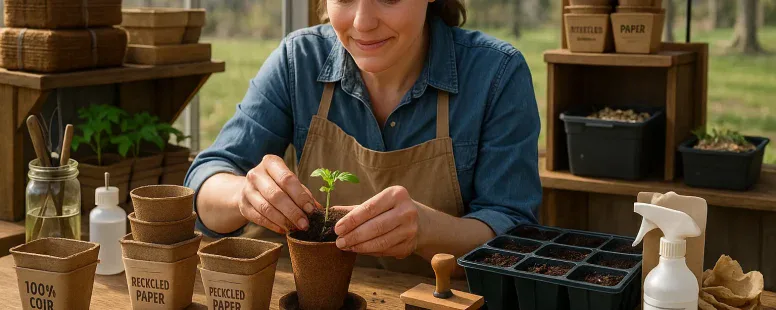
Peat pots once felt like a gardener’s quick fix: cheap, tidy, and biodegradable. But those same pots depend on peat, a fragile material that stores huge amounts of carbon and takes centuries to form. You can keep the convenience of a single-use starter container without fueling peat extraction. This guide shows practical, evidence-based alternatives to peat pots, explains how they perform, and helps you pick the right option for your plants and values. Expect clear comparisons, real-world tips, and steps you can use at your next seed-starting session.
Why Gardeners Are Moving Away From Peat Pots
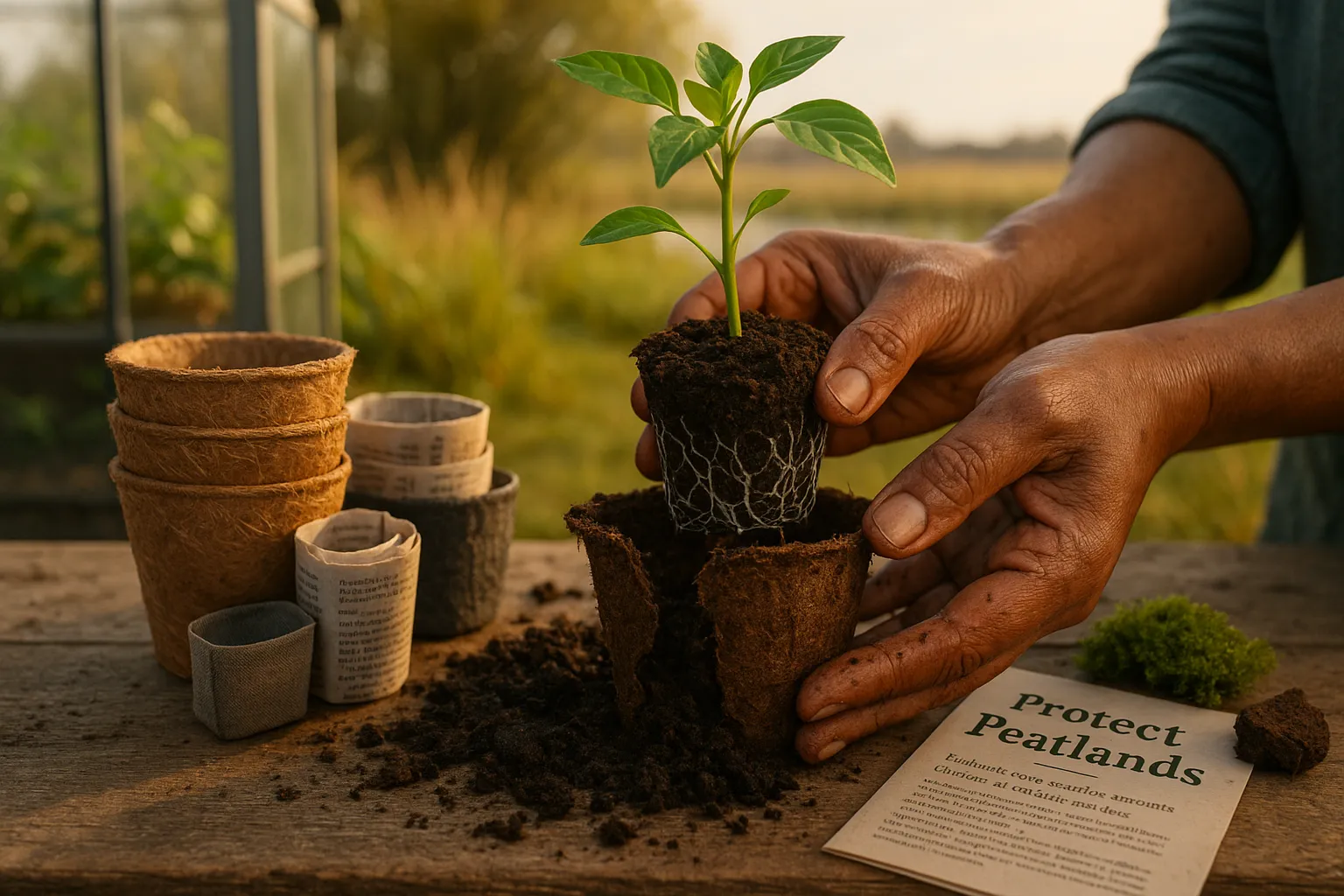
Fact: Peat extraction damages peatlands and releases stored carbon. Peatlands store more carbon per hectare than most forests, so removing peat for pots increases greenhouse gas emissions and harms habitat for species like the Eurasian curlew and sphagnum moss communities. Gardeners are responding because consumers now link everyday choices to climate impact.
Peat pots also present practical downsides. They can crumble when overly wet, wick moisture away from the root ball, and sometimes slow root penetration. Many home gardeners have switched after noticing poor transplant success or after learning about peatland conservation campaigns by groups such as the International Union for Conservation of Nature (IUCN). You may want an alternative that reduces environmental harm while improving seedling health and transplant success.
Criteria For Choosing The Best Peat Pot Alternative
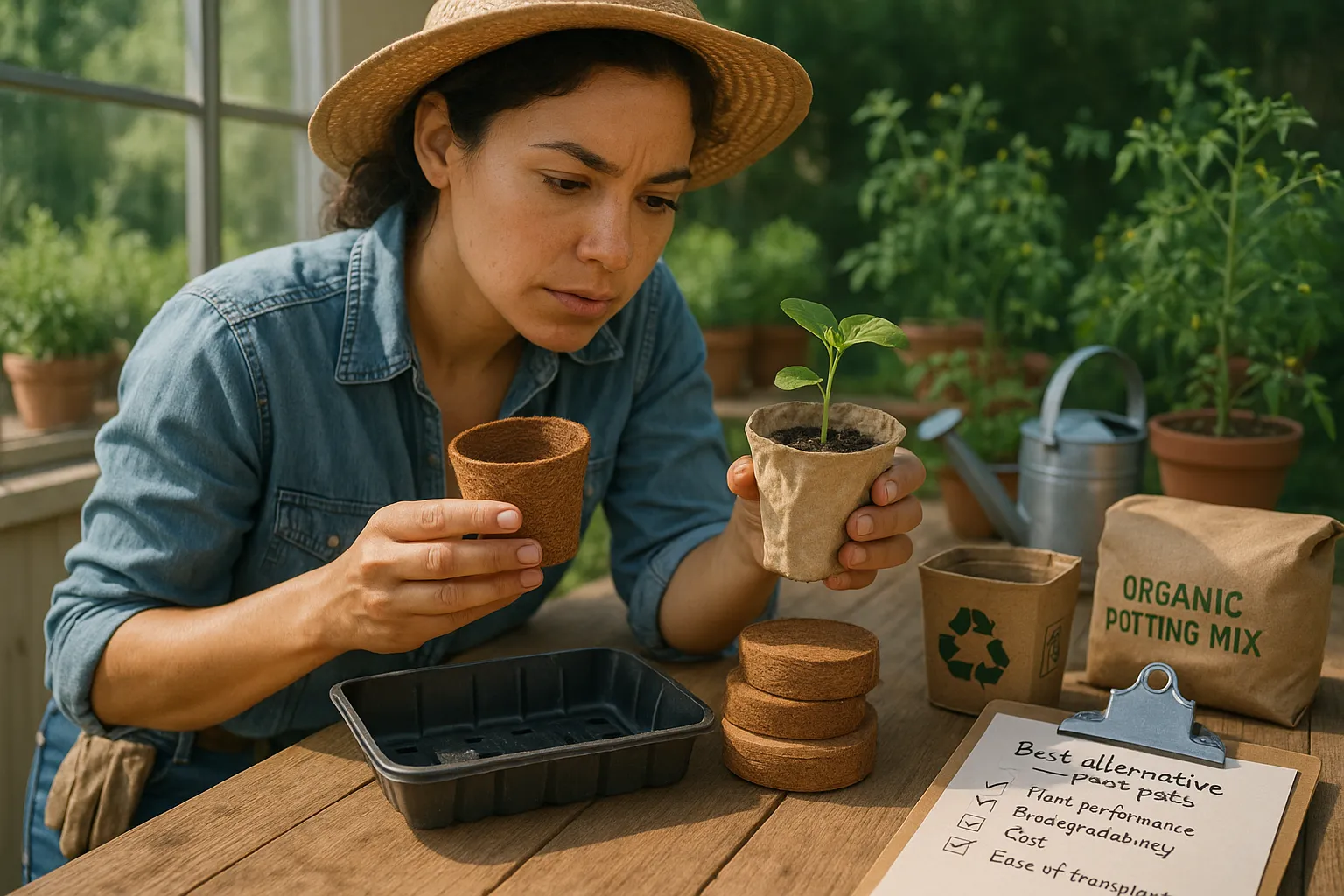
Insight: Choose alternatives by evaluating these core criteria first. Start with plant needs, then weigh sustainability, cost, and convenience.
Plant performance: Will roots penetrate easily? Does the material hold moisture without waterlogging? Seedlings need stable moisture and good aeration.
Biodegradability and cradle-to-cradle impact: Does the material truly break down (and how fast)? What energy and transport footprints does it carry?
Cost and availability: Can you source it locally or buy in bulk? Are upfront costs offset by reuse lifespan?
Ease of transplant: Does the alternative let you plant without disturbing roots, or will it require root teasing and extra care?
These criteria help you decide when to prioritize sustainability over convenience or vice versa. For example, pressed coconut coir often balances sustainability and performance: reusable plastic trays favor cost-effectiveness for multiple seasons.
Top Alternatives To Peat Pots And How They Compare
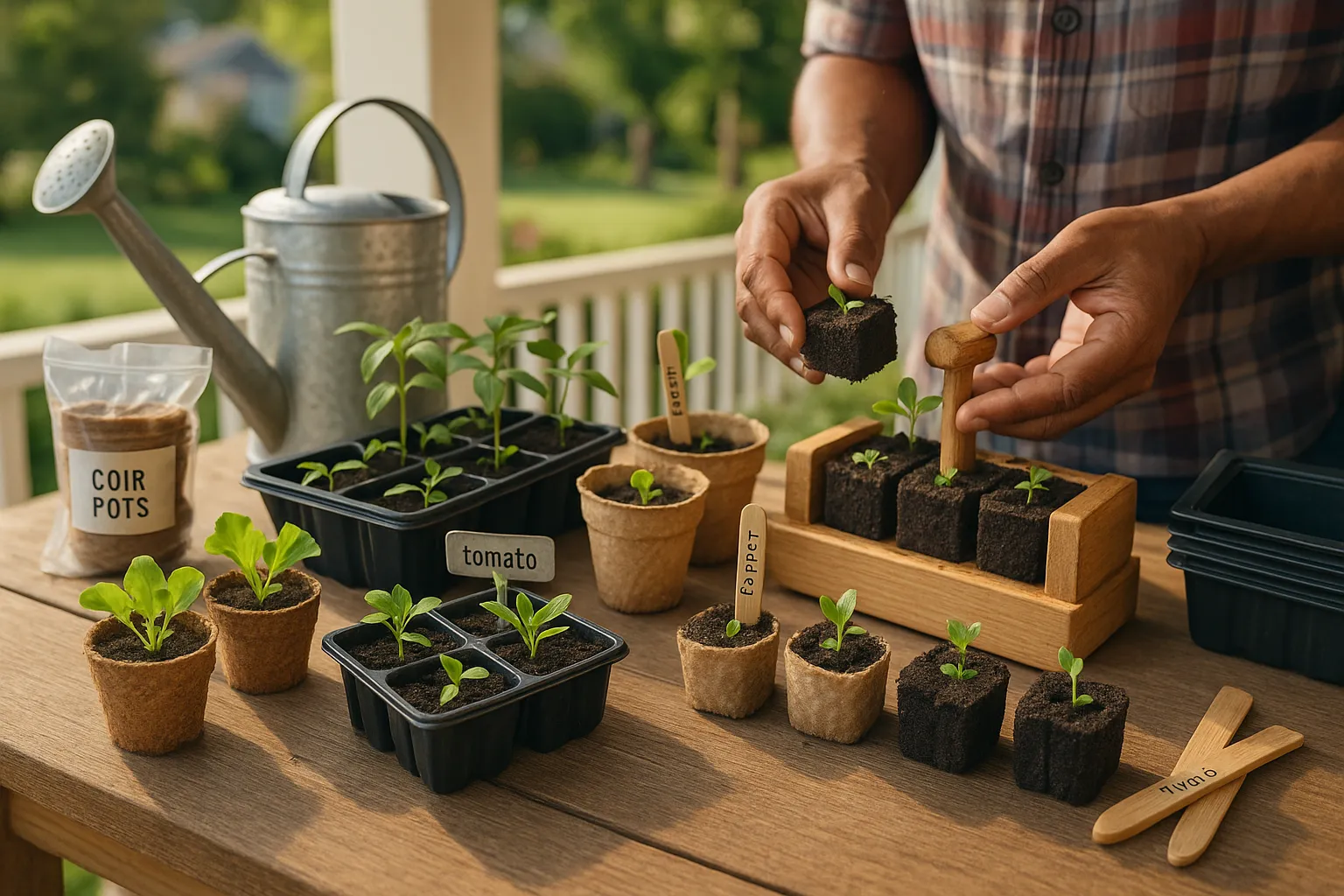
Insight: Several clear categories replace peat pots: compostable fiber, reusable plastic, biodegradable paper/starch, and potless methods like soil blocks. Each has trade-offs.
Compostable fiber pots (coconut coir, pressed fiber) give good aeration, steady moisture, and degrade in the soil over weeks to months. They often come as “coir pots” or “pressed fiber plugs.”
Plastic seed trays and reusable containers let you start many seedlings cheaply and avoid single-use waste, but they require cleaning and storage.
Biodegradable pots made from paper or plant starch (corn or potato starch blends) break down faster than peat but sometimes collapse if overwatered.
Soil blocks and potless methods remove containers altogether. Soil blocks reduce transplant shock and cut costs, but you need a special press and a firmer mix.
Performance varies by plant type: delicate seedlings (lettuce, herbs) like fine-textured media and may do best in coir pots or soil blocks. Heavier feeders (tomatoes, peppers) benefit from deeper reusable cells or coir plugs that hold more water and nutrients.
How To Choose The Right Alternative For Your Plants
Insight: Match the alternative to the plant’s root habit and your workflow.
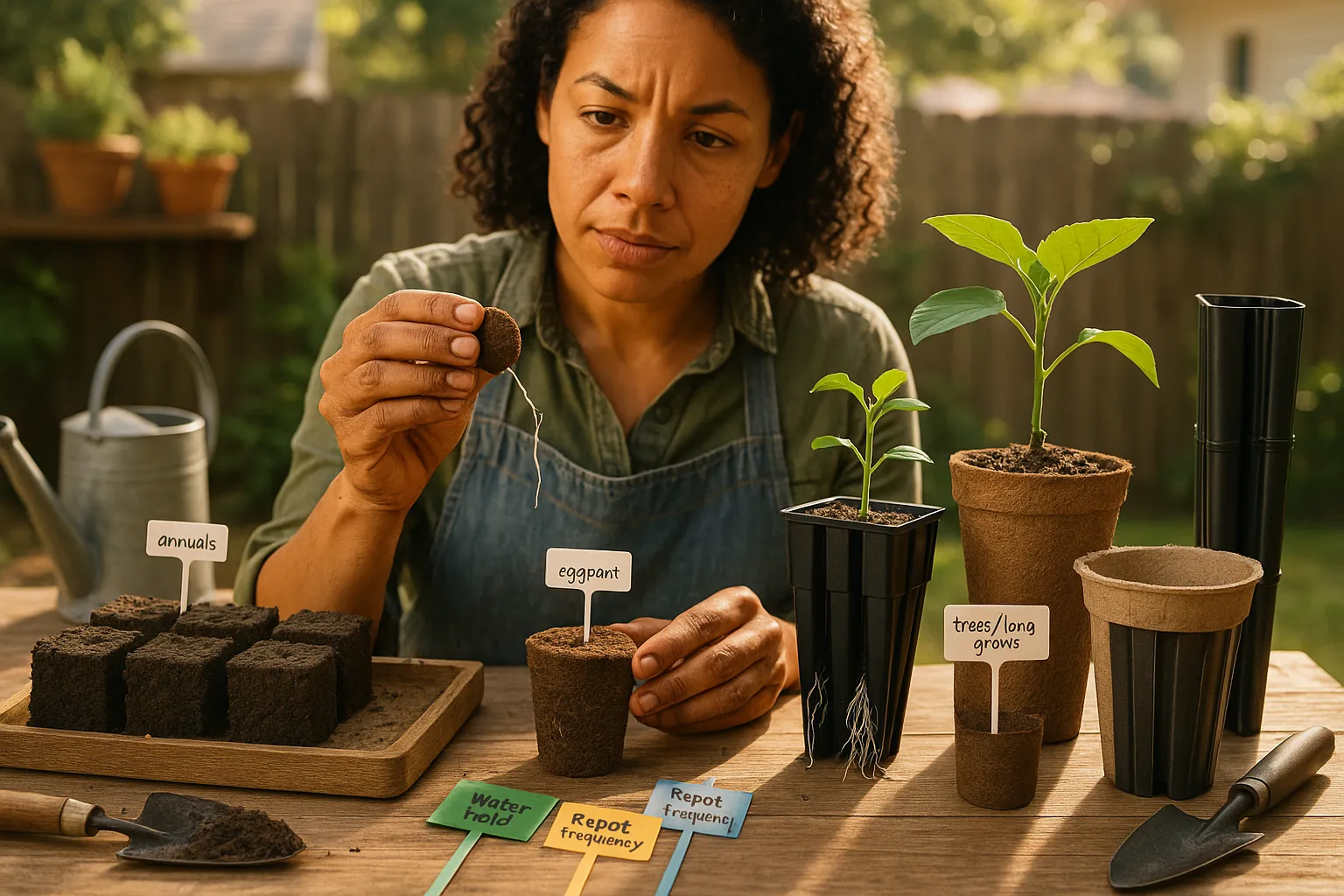
For fast-rooting annuals: Use soil blocks or coir plugs. They let roots move freely and reduce shock.
For slow, deep-rooted vegetables (peppers, eggplants): Use reusable deep cells or large coir pots so roots have room.
For long grows and trees: Start in sturdy, larger biodegradable pots (pressed fiber) or in durable plastic root trainers to avoid multiple repots.
Ask yourself: Will you transplant once or several times? How often will you water? If you water infrequently, choose containers with higher water-holding capacity (coir mixed with compost). If you prefer low-waste, soil blocks or potless sowing are best. Be honest about your patience, some methods demand more attention.
Planting, Transplanting, And Care With Alternatives
Fact: Proper transplant technique improves survival more than container type. Handle roots gently and keep roots moist during the move.
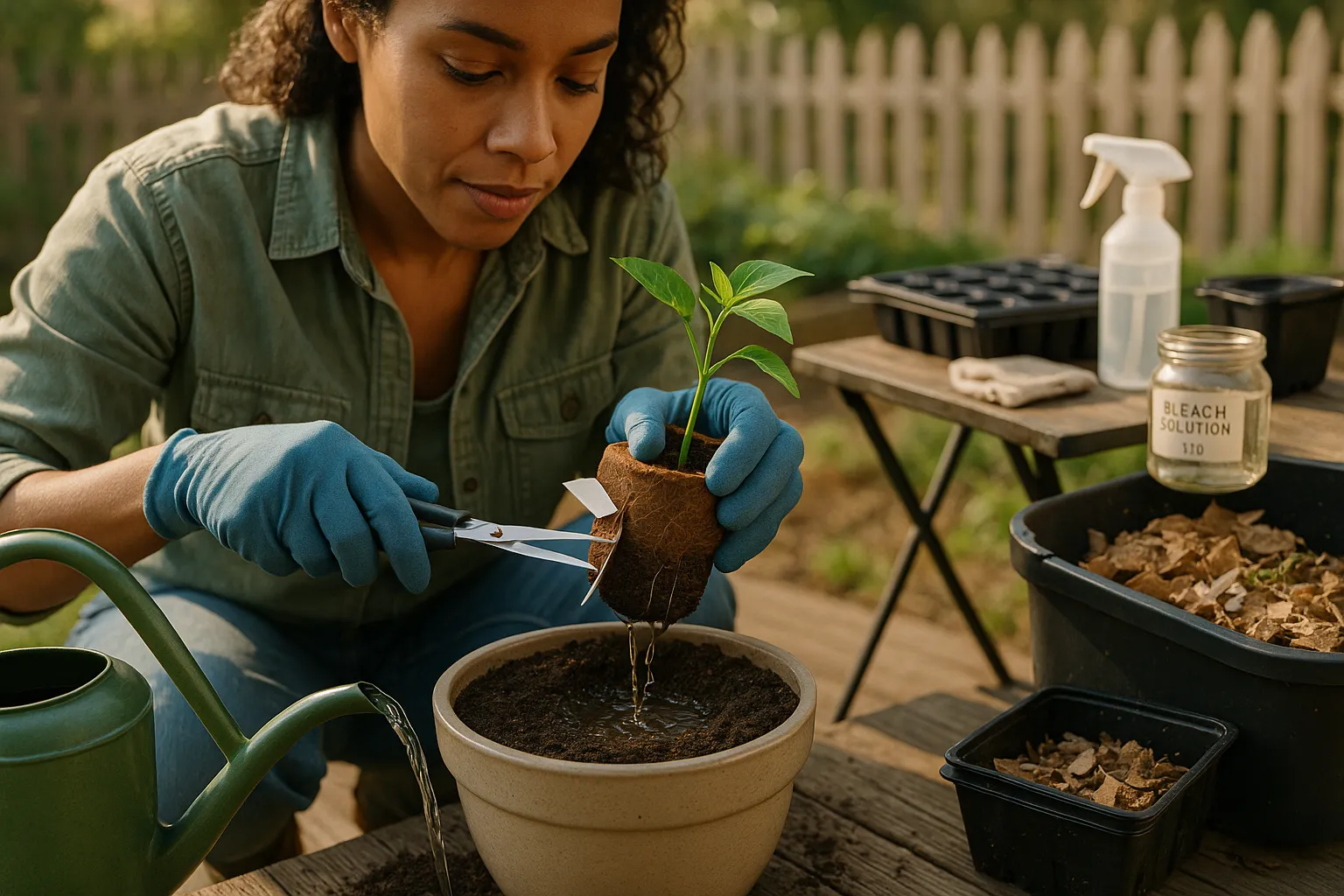
How to transplant plants started in biodegradable pots: Remove the outer string or label, plant the whole pot unless the pot resists breakdown. If the pot is slow to break, slit the sides to encourage root escape. For coir or pressed-fiber pots, set the pot at the same soil level as nursery and backfill. Water to settle soil and reduce air pockets.
Preparing reusable containers for seed starting and reuse best practices: Clean trays with a dilute bleach solution (1 part household bleach to 9 parts water) between uses to kill pathogens. Use fresh seed-starting mix each season or top up with compost to restore nutrients. Store trays in a dry place to prevent mold.
Disposal and composting guidelines for biodegradable pots: Check product labeling first. Coir and paper pots usually compost in a home pile within months: starch pots may need industrial composting if they include additives. If composting at home, shred pots first and mix with green waste for faster breakdown.
Environmental And Cost Comparison Of Common Options
Fact: Environmental impact depends on raw material origin, transport, and end-of-life disposal. Not all “biodegradable” options are equal.
Comparing carbon footprint, resource use, and peat substitution impact: Coconut coir repurposes a byproduct of coconut production and can displace peat effectively, though transport from Southeast Asia raises emissions. Paper pots sourced from recycled paper keep material local with a lower transport footprint. Plastic trays have lower emissions over time if you reuse them many seasons, because amortized impact falls with each reuse.
Typical price ranges and long-term cost considerations: Expect small packet peat-free coir pots for $0.03–$0.15 per pot depending on brand and size. Reusable plastic trays range from $2–$10 each but last multiple seasons. Soil block presses cost $25–$80 once: they save on pots long-term. Calculate cost per seedling across three seasons to compare fairly, upfront costs often pay off if you reuse gear.
Where To Buy Alternatives And Practical Buying Tips
Fact: You can buy alternatives from local nurseries, national garden centers, or online retailers. Sourcing locally reduces emissions and supports small businesses.
Local nurseries, garden centers, and online retailers, what to look for: Check ingredient lists. Look for “100% coir,” “recycled paper,” or clear statements about industrial versus home compostability. Ask staff about product origins: many independent stores list suppliers like Espoma, Burpee, or local potting mix brands.
Buying in bulk, seasonal sales, and sustainability certifications to check: Buy coir blocks or large packs to lower unit price. Watch spring sales at Home Depot, Lowes, and local co-ops. For certifications, look for the Biodegradable Products Institute (BPI) or Compost Manufacturing Alliance logos for compostability claims, and FairTrade/organic marks for peat-substitute media when available.
When to prioritize cost, sustainability, or convenience: If you start hundreds of seedlings, prioritize reusable trays for cost savings. If your priority is peat avoidance with low effort, choose coir pots or paper pots that compost easily. If you want the lowest waste, learn soil-blocking, there’s a small learning curve but big benefits.
Best choices for seed starting, vegetables, flowers, and trees: For seed starting, coir plugs or soil blocks work well. For vegetables, deep reusable cells or coir pots are solid. For flowers, pressed fiber or paper pots are fine for short-season annuals. For trees, start in large biodegradable fiber pots or root trainers to protect sensitive taproots.
How to transplant plants started in biodegradable pots: (See earlier transplant steps.) Quick tip: always water thoroughly before lifting, and plant pot-and-all unless the material repels roots.
Preparing reusable containers for seed starting and reuse best practices: (See cleaning steps above.) Rotate trays and repair cracked cells with duct tape or replace individual cells: you will save money this way.
Disposal and composting guidelines for biodegradable pots: (See composting steps above.) If unsure, contact your municipal composting facility: they often list accepted items.
Comparing carbon footprint, resource use, and peat substitution impact: (See comparison earlier.) Small choices add up, switching a household’s seed-starting routine can reduce peat demand and support peatland recovery initiatives.
Typical price ranges and long-term cost considerations: (See price ranges earlier.) Remember: the cheapest item per pot is often peat, but true cost includes environmental and long-term soil health factors.
Local nurseries, garden centers, and online retailers, what to look for: (Repeated advice) Ask for product spec sheets. Good sellers will provide origin, compostability claims, and mixing recommendations.
Buying in bulk, seasonal sales, and sustainability certifications to check: (Final tip) If you’re unsure about a brand, buy a small pack first and test it with a dozen seeds. That saves money and reveals practical issues before full commitment.
To provide the best experiences, we use technologies like cookies to store and/or access device information. Consenting to these technologies will allow us to process data such as browsing behaviour or unique IDs on this site. Not consenting or withdrawing consent, may adversely affect certain features and functions.
Functional
Always active
The technical storage or access is strictly necessary for the legitimate purpose of enabling the use of a specific service explicitly requested by the subscriber or user, or for the sole purpose of carrying out the transmission of a communication over an electronic communications network.
Preferences
The technical storage or access is necessary for the legitimate purpose of storing preferences that are not requested by the subscriber or user.
Statistics
The technical storage or access that is used exclusively for statistical purposes.The technical storage or access that is used exclusively for anonymous statistical purposes. Without a subpoena, voluntary compliance on the part of your Internet Service Provider, or additional records from a third party, information stored or retrieved for this purpose alone cannot usually be used to identify you.
Marketing
The technical storage or access is required to create user profiles to send advertising, or to track the user on a website or across several websites for similar marketing purposes.