Best Alternatives To Milk
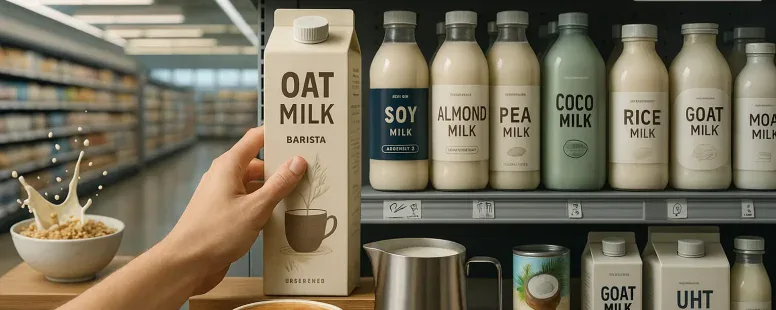
You face the dairy aisle and you wonder: is there a better choice than cow’s milk for your morning coffee, your cereal, and your cooking? The options now resemble a craft market, rows of cartons labeled with legumes, grains, nuts, and something called “barista blend.” Each one promises different benefits: more protein, lower environmental impact, or a smoother foam for lattes. This article cuts through the noise. You’ll get clear, evidence-based answers and practical tips so you can pick the best alternatives to milk for taste, nutrition, and use. Expect concise comparisons, honest trade-offs, and a few real-world tips I’ve learned from testing dozens of brands in kitchens and cafés.
Quick Comparison: Nutrition, Flavor, And Best Uses
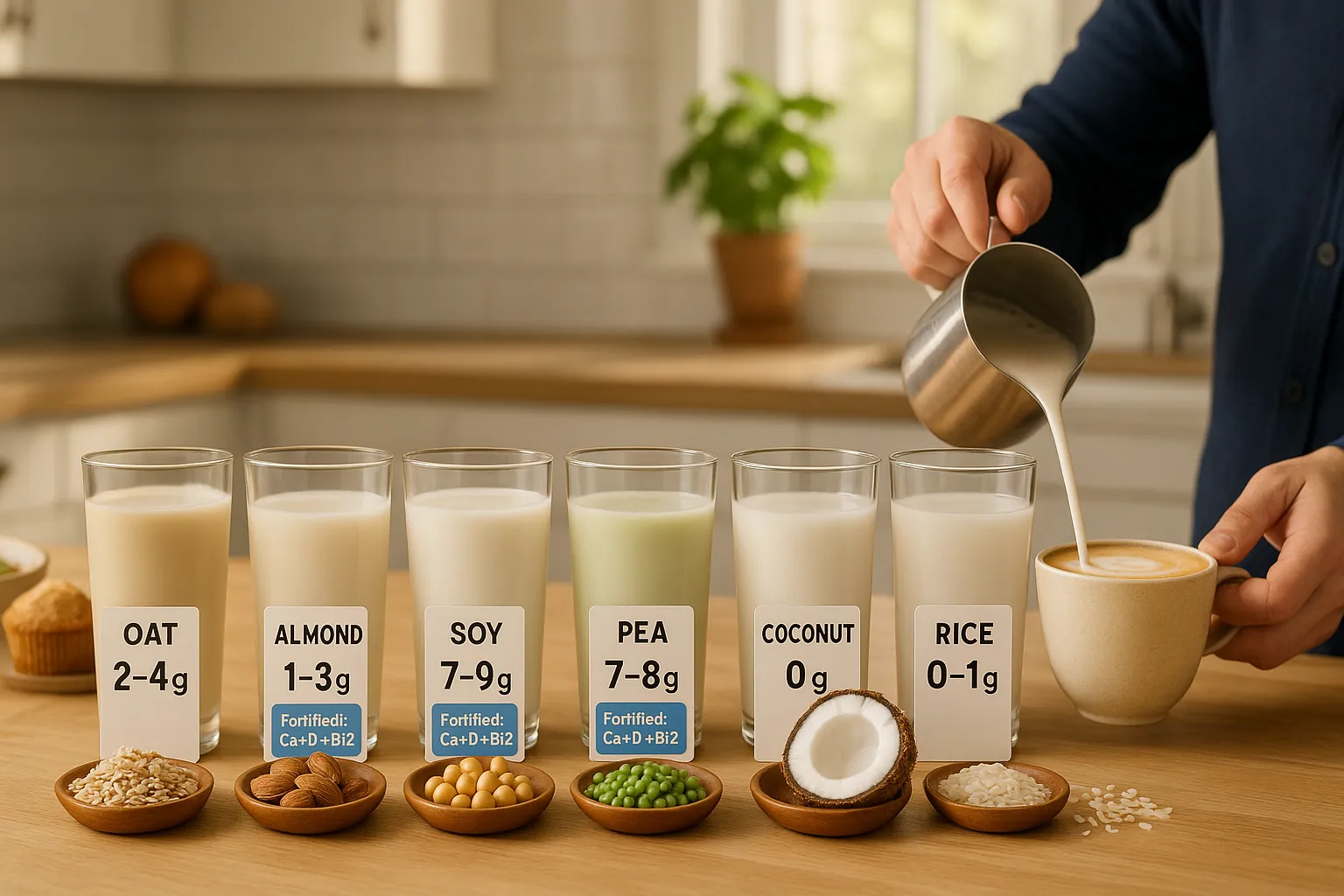
Fact: Not all milk alternatives are the same, some replace protein, others mimic texture. Below you’ll find the fast takes and the details you need.
Key Nutritional Differences (Protein, Calcium, Vitamins)
Soy milk gives protein closest to cow’s milk. An unsweetened soy cup often has about 7–9 g protein, similar to 8 g in cow’s milk. Oat, almond, and rice milks usually have 1–3 g per cup. Pea protein milks, like Ripple, deliver 8–10 g per cup and are a strong option if you want plant protein.
Fortification matters. Many brands add calcium, vitamin D, and B12 to match dairy’s micronutrients. Check labels: fortified milks can provide 25–30% of your daily calcium per cup. If you avoid dairy, consider a vitamin B12 supplement or fortified beverages, B12 is rare in plants. These facts align with USDA nutrient data and clinical guidance.
Flavor, Texture, And Culinary Performance
Almond milk tastes light and slightly nutty: it thins soups and can yield a thin latte if you use low-fat versions. Oat milk tastes sweet with a creamy mouthfeel: it steams and foams well for coffee. Soy milk has a neutral, beany note and stable texture: it behaves closest to cow’s milk in baking and savory sauces. Pea milk tastes neutral and creamy and holds up well in coffee. Coconut milk gives a distinct tropical flavor and is excellent in curries and smoothies, but it can overpower delicate recipes.
Environmental And Allergy Considerations
Fact: Plant milks generally use less greenhouse gas and land than cow’s milk. Almond milk uses more water than oat or pea milk, while rice milk generates higher methane and has a larger water footprint than oat. If you have nut allergies, avoid almond and cashew milks: if you have soy allergy, skip soy and many processed barista blends. Pea and oat milks often fit allergen-limited diets, but always read labels for cross-contact warnings.
Top Plant-Based Milk Alternatives
Fact: Plant-based milks cover a wide range, choose by nutrition or culinary need.
Soy Milk, Nutrition And Best Uses
Soy milk offers the best balance of protein and neutral flavor among plant milks. You’ll get 7–9 g protein per cup in unsweetened versions, plus fortified calcium and vitamin B12 when processed. Use soy for: coffee (some brands foam well), baking (it replaces cow’s milk cup-for-cup), and savory sauces (it emulsifies and thickens reliably). Avoid sweetened soy milk when baking if a neutral sugar level matters.
Oat Milk, Texture, Taste, And When To Use It
Oat milk produces a creamy, sweet mouthfeel. It shines in coffee, baristas use it because it froths and creates a stable crema. Use oat milk for cereal, lattes, and creamy soups. Nutrition-wise, it gives more fiber than many alternatives and often includes added iron and B vitamins. Watch out for added sugars and higher carbs if you’re watching blood sugar.
Almond Milk, Pros, Cons, And Cooking Tips
Almond milk has low calories and a delicate nutty flavor. Use it in smoothies, light baking, and cereal. It’s not ideal for thick sauces or recipes that need protein for structure. Homemade almond milk gives you control over sweetness, but store-bought versions are more fortified. If sustainability matters, know almonds consume significant water, especially in California where most U.S. almonds are grown.
Pea Protein Milk, High Protein, Neutral Flavor
Pea protein milk gives you strong protein without soy. The texture is creamy and neutral in flavor, so it works across coffee, cereal, and cooking. It also tends to have a low allergen profile compared with nut milks. Use pea milk as a direct cow’s milk substitute when you want protein retention in recipes.
Coconut, Rice, And Hemp Milk, When They Make Sense
Coconut milk has distinct tropical flavor and high saturated fat in canned forms: it’s great in curries and smoothies but can split in coffee. Rice milk is thin and sweet: use it for cereal or as a hypoallergenic option, but it’s high in carbs and low in protein. Hemp milk brings omega-3s and a subtle earthy note: it works in smoothies and cold cereals, and it’s a solid option for those avoiding soy, nuts, and oats.
Dairy-Based And Hybrid Alternatives
Fact: Not everyone wants plant-only options, there are dairy-based and hybrid products that solve common problems.
Lactose-Free Cow’s Milk And A2 Milk Explained
Lactose-free milk has the same nutrients as cow’s milk but with lactase added to break down lactose: it’s a direct swap for most uses. A2 milk comes from cows that produce only A2 beta-casein protein. Some people report less bloating with A2 milk, though clinical evidence is mixed. If you’re lactose intolerant, lactose-free milk is often the simplest fix: if you suspect a casein sensitivity, trialing A2 milk might help isolate symptoms.
Goat Milk And Other Animal-Based Options
Goat milk differs in fat structure and often tastes tangier. It can be easier to digest for some due to smaller fat globules and slightly different proteins. Sheep milk is richer, higher in protein and fat, and commonly used in cheeses. These animal alternatives carry similar environmental and ethical considerations as cow’s milk and may be less available at mainstream supermarkets.
Specialty Formats And Functional Alternatives
Fact: Format affects use, powdered milks, barista blends, and cultured options serve distinct needs.
Barista Blends, Fortified Milks, And Powdered Options
Barista blends often mix oat, pea, and coconut or added oils to optimize steaming and foam stability. If you make espresso drinks at home, choose a barista version, daily results will be creamier. Fortified milks add calcium, vitamin D, and B12: these make the nutrition closer to dairy. Powdered milks (plant or dairy) save space and can be convenient for travel. They reconstitute differently, stir or blend to avoid graininess.
Cultured Alternatives And Shelf-Stable Choices (Kefir, UHT)
Cultured options like plant-based kefir or dairy kefir add probiotics: they can support gut health when they contain live strains. UHT (ultra-high temperature) milks are shelf-stable and handy for storage, but they can taste slightly cooked. If you want probiotics with milk alternatives, look for labeled live cultures and check CFU counts, some products carry specific strains similar to Lactobacillus or Bifidobacterium.
How To Choose The Right Milk Alternative For You
Fact: Choose by priority, nutrition, cooking use, allergy, or sustainability.
Reading Labels, Checking Fortification, And Allergen Tips
Start with the ingredient list. The first ingredient tells you the base (oat, almond, soy). Check for added sugars: select unsweetened if you control carbs or calories. Look for “calcium carbonate” or “calcium citrate” and vitamin D2 or D3 on the nutrition facts to ensure fortification. If you have allergies, inspect cross-contact warnings, many brands process products in shared facilities. For B12, iron, and protein targets, compare per-cup values instead of just ingredient names.
Choosing For Cooking, Coffee, Cereal, And Baking
For coffee: pick barista oat, pea, or soy for stable foam and neutral taste. For cereal: almond or oat milk works well, almond for lower calories, oat for creaminess. For baking: soy or full-fat oat recreates moisture and texture best. For sauces and soups: soy and oat resist curdling: coconut works in coconut-forward recipes. If you need browning or Maillard reaction, a higher protein milk (soy or pea) often helps.
Storage, Shelf Life, And Cost Considerations
Fact: Shelf-stable cartons last months unopened: opened cartons last 7–10 days in the fridge. Homemade milks last 3–4 days refrigerated. Powdered formats extend shelf life and cut shipping weight, but they can cost more at first. Price per serving often favors cow’s milk or basic almond/oat blends: specialty pea or barista blends cost more but deliver performance benefits in coffee and cooking. Balance cost against use-case: if you drink milk mainly in coffee, pay for a barista blend: if you sip on cereal, a standard unsweetened oat or almond will likely do.

- Equitybee Competitors - October 17, 2026
- Nutanix Competitors - October 16, 2026
- Best Alternative for Hdfc Infinia Credit Card - October 16, 2026
by Ellie B, Site Owner / Publisher