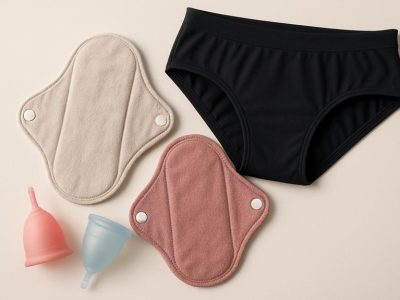
Picture the soft whisper of fabric against your skin or the discreet confidence of a small, absorbent cylinder nestled just right. managing your period, choosing between tampons and pads isn’t just about comfort—it’s about how you want to feel throughout your day. Each option offers surprising benefits that go beyond the basics, shaping your experience in ways you might not expect.
You might wonder which one truly suits your lifestyle, body, and preferences. Whether you crave freedom of movement or gentle security, understanding the subtle differences can empower you to make the best choice. Let’s discover the realm of tampons and pads to uncover which might be better for you.
Understanding Tampons and Pads
Choosing between tampons and pads starts with understanding what each option offers. Both serve the same purpose but differ in design, usage, and how they interact with your body.
What Are Tampons?
Tampons are small, cylindrical products made of absorbent materials like cotton or rayon. You insert them into the vagina, where they absorb menstrual fluid internally. This internal absorption prevents leakage and allows for greater freedom of movement, making tampons popular among those who swim or exercise during their periods. Tampons come in various absorbency levels—from light to super plus—to match your flow and reduce the risk of discomfort or toxicity. It’s important you change tampons every 4 to 8 hours, as leaving them in longer can increase the risk of toxic shock syndrome, a rare but serious condition. For example, athletes often prefer tampons during intense workouts since pads may feel bulky or shift out of place. But, if you’re new to tampons, it might take a couple tries to find the right size and insertion technique that feels comfortable.
What Are Pads?
Pads, also called sanitary napkins, are external absorbent products that stick to the inside of your underwear. They vary in thickness, length, and absorbency to suit different flow levels and lifestyle needs. You can find pads with wings that wrap around underwear edges for extra protection and stability. Pads offer the advantage of not requiring insertion, which makes them a favored choice for those who feel uncomfortable using tampons or want to avoid potential health risks. During heavy flow days or overnight, thicker pads give reliable coverage without needing frequent changes. For example, if you spend long hours at work or school without easy access to a private restroom, pads allow quick replacement with minimal hassle. On the downside, pads can sometimes cause irritation or chafing, especially if worn too long or if your skin is sensitive.
Feature
Tampons
Pads
Placement
Internal (vagina)
External (underwear)
Absorbency
Multiple levels for flow customization
Varies in thickness and length
Movement
Allows swimming, sports, close activities
May feel bulky; limited for swimming
Health Risks
Possible toxic shock syndrome if misused
Lower risk; possible skin irritation
Comfort
Requires correct insertion and size choice
Easy to use; may cause chafing if worn long
Each product interacts uniquely with your body and daily activities. You might find tampons better for active days when you want discreet protection, while pads might suit overnight or gentle days. It’s smart to keep both options available to adjust based on your evolving flow and comfort preferences.
Comparing Tampons and Pads
Choosing between tampons and pads affects how you navigate your day. Understanding their distinct features helps you pick what suits your unique needs better.
Comfort and Convenience
Tampons offer discreetness and freedom; you can swim or run without worrying about shifting or bulkiness. Inserted internally, they often feel less noticeable, although some people may find the insertion process uncomfortable or awkward at first. Pads are easy to use with no insertion needed, making them convenient for beginners or when you want a no-fuss option. But, pads can sometimes cause skin irritation or feel bulky, especially during active days. Which comfort is more important for you, the freedom of movement or simplicity of use?
Absorbency and Protection
Tampons come in multiple absorbency levels like light, regular, and super — letting you match your flow precisely and change every 4 to 8 hours for safe use. They provide reliable internal protection, but wearing them too long increases health risks. Pads cover externally and vary from thin liners to heavy overnight options, giving you options for all flow intensities. Many prefer pads overnight for extra security and skin breathability. Have you noticed how your flow changes throughout the day and which product adapts better?
Product
Absorbency Levels
Recommended Usage Duration
Ideal For
Tampons
Light, Regular, Super, Ultra
4 to 8 hours
Active lifestyle, swimming
Pads
Light liners to Overnight
Change every 4 to 6 hours
Overnight use, heavy flow days
Health and Safety Considerations
You must change tampons regularly to avoid toxic shock syndrome, a rare but serious condition. Always choose the lowest absorbency needed. Pads decrease risk of internal infections but can cause skin irritation or rash if not changed often. Breathable materials in pads reduce irritation, but sensitivity varies person to person. Have you checked product ingredients if you have allergies or skin sensitivities? Consulting healthcare providers can offer personalized advice to maintain health and comfort.
Environmental Impact
Pads generally generate more waste; they contain plastic layers that persist long after use. Tampons create less bulky waste but often come with applicators made of plastic or cardboard—cardboard being more eco-friendly. Some brands offer organic, biodegradable versions of both products, reducing environmental footprints. Considering sustainable options and proper disposal practices makes a significant impact if you’re conscious about your ecological responsibility. Does your choice align not just with comfort but also with your environmental values?
Personal Preferences and Lifestyle Factors
Choosing between tampons and pads centers on more than just comfort. Your lifestyle, daily activities, and personal preferences shape which option fits your needs best.
Activity Levels and Daily Routine
Active days demand discreet, reliable protection. Tampons offer freedom of movement, making them ideal when you’re hitting the gym, swimming, or running errands. Because tampons sit internally, they eliminate bulk that pads create, preventing chafing during physical activities. If you find yourself switching shoes, outdoors, or traveling frequently, tampons adapt better to your routine without frequent adjustment.
By contrast, pads suit relaxed or low-movement days when comfort and ease take priority. Pads provide broad coverage that doesn’t require insertion; this simplicity appeals especially during heavy flow or overnight, allowing you to rest without worries. But, pads can shift during vigorous activity or cause discomfort with prolonged wear, so you might find them less suited if your day involves intense or spontaneous movement.
Consider how often you change your menstrual products. Tampons require changing every 4 to 8 hours to reduce toxic shock syndrome risk, while pads usually need changing every 3 to 6 hours to prevent irritation. Factoring these intervals into your routine ensures both hygiene and convenience.
Budget and Accessibility
Budget influences product choice more than often acknowledged. Pads generally cost less upfront and are easier to stock in bulk, which can ease monthly expenses. For example, a 36-pack of regular pads might cost around $10, lasting through several cycles.
Tampons, especially those with applicators or specialized designs, often come at a higher price point. A 20-pack might cost about $12 to $15, influenced by brand and absorbency type. This cost variation matters if you prefer daily changes or higher absorbency products.
Accessibility also plays a role. If you shop at local stores, pads tend to be more widely stocked across brands and sizes. Online retailers, but, offer a broader range of tampons, including organic and hypoallergenic options. Seeking sustainable or eco-friendly products might further shape your decision, as reusable pads and menstrual cups enter the budget consideration.
What questions do you ask when choosing your menstrual products? How does your daily schedule adapt to your product needs? Reflecting on these details help identify what fits best, ensuring comfort and confidence throughout your cycle.
Expert Opinions and Recommendations
Experts highlight different factors that influence whether tampons or pads suit your needs. Gynecologists emphasize tampons’ advantage for active lifestyles, noting their discreet design enhances ease during exercise or swimming, as reported by the American College of Obstetricians and Gynecologists (ACOG). Given that tampons absorb internally, they reduce visible bulk which some users find comforting. Yet, they caution that improper or prolonged use may increase risks like toxic shock syndrome (TSS), making regular changing necessary every 4 to 8 hours to minimize exposure.
In contrast, healthcare professionals often recommend pads for those new to menstruation or those experiencing irritation from tampons. Pads’s external absorption lowers concern over insertion discomfort but the increased surface area sometimes leads to skin chafing if not changed frequently. The Mayo Clinic supports pads as ideal for overnight protection since they accommodate longer use without internal risks. If skin sensitivity is a major concern, hypoallergenic or organic cotton pads might improve comfort while reducing allergic reactions.
Environmental experts advise considering product waste in your choice. Pads contribute significantly more waste volume than tampons, though tampons with plastic applicators create hidden plastics. In response, leaders advocate for organic cotton options and reusable products like menstrual cups or cloth pads, highlighting their long-term sustainability benefits.
A panel of nutritionists and wellness coaches suggest listening closely to your body’s signals during different cycle phases. You may prefer tampons for days packed with movement to maintain confidence and freedom, whilst pads offer a reliable, low-maintenance option on restful days. Some athletes share real-life anecdotes describing tampons as “game changers” for pacing their routines without worry.
Eventually, your decision thrives on balancing safety, comfort, and lifestyle fit. Testing both product families can offer firsthand insight, empowering better protection choices aligned with personal health goals and daily demands. If you value discretion and mobility AND understand the importance of changing intervals, tampons provide a potent combination. If comfort and ease dominate your priorities, AND potential skin sensitivity is present, pads become the leading choice.
Thoughtful evaluation guided by expert insight assures that whichever product you prefer, you maintain menstrual wellness that supports and adapts as your life unfolds.
Conclusion
Choosing between tampons and pads comes down to what fits your body and lifestyle best. Whether you prioritize freedom of movement, ease of use, or environmental impact, there’s no one-size-fits-all answer. Pay attention to how your body feels and what makes you most comfortable during different activities and flow days.
Remember, your period care routine can evolve. You might find that switching between tampons and pads depending on your needs offers the best balance. Trust your instincts and make choices that keep you feeling confident and supported every day of your cycle.
To provide the best experiences, we use technologies like cookies to store and/or access device information. Consenting to these technologies will allow us to process data such as browsing behaviour or unique IDs on this site. Not consenting or withdrawing consent, may adversely affect certain features and functions.
Functional
Always active
The technical storage or access is strictly necessary for the legitimate purpose of enabling the use of a specific service explicitly requested by the subscriber or user, or for the sole purpose of carrying out the transmission of a communication over an electronic communications network.
Preferences
The technical storage or access is necessary for the legitimate purpose of storing preferences that are not requested by the subscriber or user.
Statistics
The technical storage or access that is used exclusively for statistical purposes.The technical storage or access that is used exclusively for anonymous statistical purposes. Without a subpoena, voluntary compliance on the part of your Internet Service Provider, or additional records from a third party, information stored or retrieved for this purpose alone cannot usually be used to identify you.
Marketing
The technical storage or access is required to create user profiles to send advertising, or to track the user on a website or across several websites for similar marketing purposes.