When delving into the world of climbing, you inevitably encounter the terms bouldering and rock climbing, two fascinating pursuits within the outdoor adventure realm. Although they share a common essence of scaling surfaces, their approaches, requirements, and experiences offer distinct thrills. Whether you’re a beginner exploring your first climbing gym or an enthusiast seeking your next challenge, understanding the nuances between these activities can help you select the path that resonates most with your aspirations.
Understanding Bouldering
Defining Bouldering: Key Characteristics
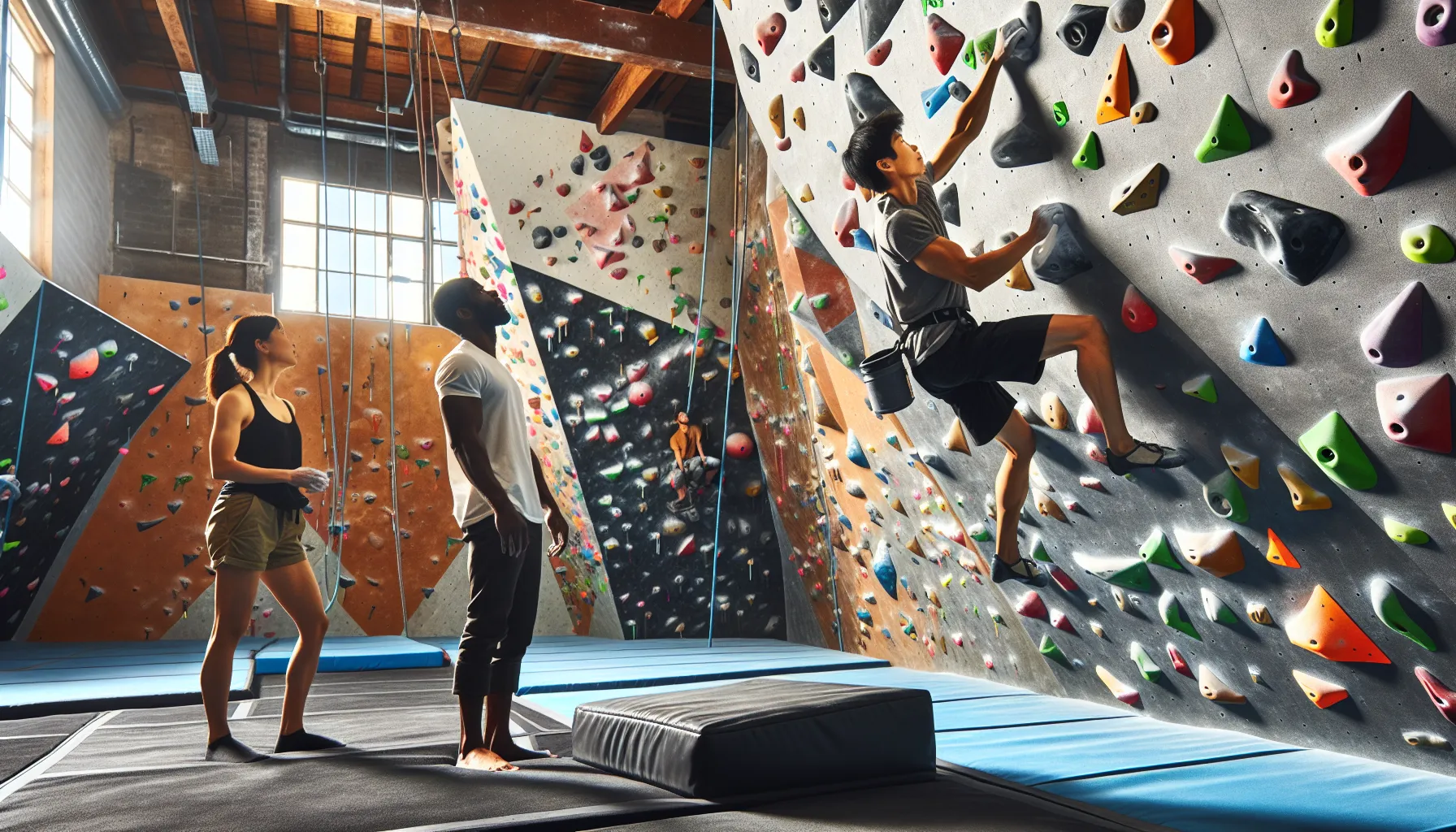
Bouldering is a form of climbing performed on small rock formations or climbing walls without the use of ropes or harnesses. It typically involves shorter climbs, usually no higher than 20 feet, focusing on strength, strategy, and technical skill to navigate routes called problems.
Equipment Required for Bouldering
To participate in bouldering, you’ll need climbing shoes, which provide grip and precision, chalk for hand dryness and better grip, and crash pads to cushion falls and offer safety.
Safety Measures in Bouldering
To ensure safety while bouldering, always position crash pads strategically and have a spotter guide your fall. Familiarizing yourself with the climb and adhering to gym or area rules is crucial to avoiding injuries.
Overview of Rock Climbing
Types of Rock Climbing
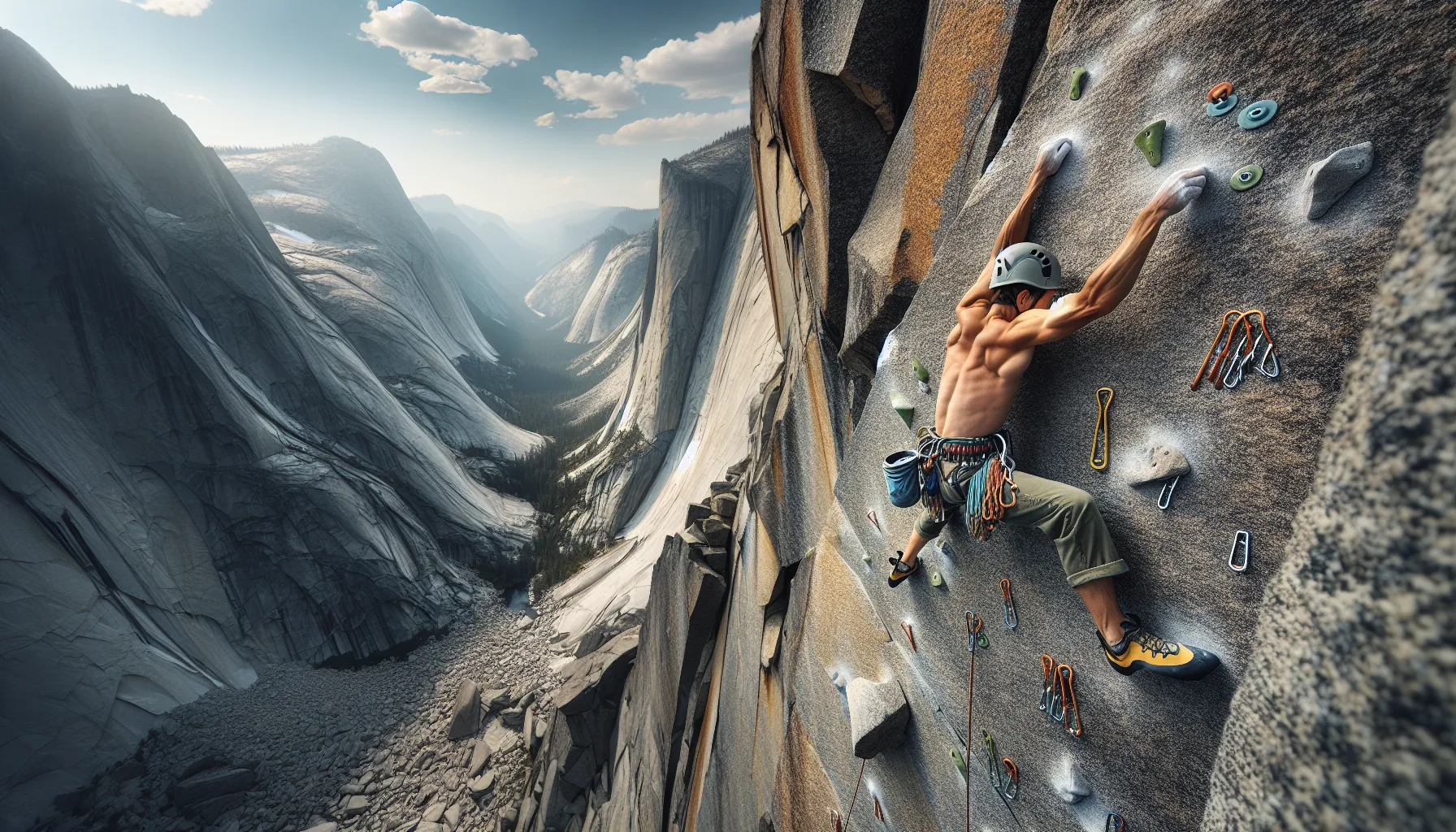
Rock climbing encompasses various styles, including traditional climbing (placing and removing gear as you ascend), sport climbing (utilizing permanent anchors), and top-rope climbing (where the rope anchors at the top, managed by a belayer).
Essential Equipment for Rock Climbing
Beyond climbing shoes and chalk, necessities for rock climbing include harnesses, ropes, belaying devices, and protective hardware like cams and nuts, depending on the climbing style.
Technical Skills Needed for Rock Climbing
Rock climbing demands a blend of skills, such as rope management, securing anchors, belaying, and performing advanced movements. Practicing these extensively fosters competence and safety.
Comparing Bouldering and Rock Climbing
Physical and Mental Challenges
Bouldering typically emphasizes raw power and problem-solving, while rock climbing balances endurance, technicality, and adaptability over diverse terrains.
Group Versus Solo Dynamics
Although spotting, a key safety component of bouldering, requires cooperation, it often leans towards an individual try. In contrast, rock climbing generally involves teamwork for tasks such as belaying and managing gear.
Length and Style of Routes
Bouldering involves shorter, explosive routes, while rock climbing features extended ascents and varying difficulty levels, accommodating diverse climbing preferences.
To provide the best experiences, we use technologies like cookies to store and/or access device information. Consenting to these technologies will allow us to process data such as browsing behaviour or unique IDs on this site. Not consenting or withdrawing consent, may adversely affect certain features and functions.
Functional
Always active
The technical storage or access is strictly necessary for the legitimate purpose of enabling the use of a specific service explicitly requested by the subscriber or user, or for the sole purpose of carrying out the transmission of a communication over an electronic communications network.
Preferences
The technical storage or access is necessary for the legitimate purpose of storing preferences that are not requested by the subscriber or user.
Statistics
The technical storage or access that is used exclusively for statistical purposes.The technical storage or access that is used exclusively for anonymous statistical purposes. Without a subpoena, voluntary compliance on the part of your Internet Service Provider, or additional records from a third party, information stored or retrieved for this purpose alone cannot usually be used to identify you.
Marketing
The technical storage or access is required to create user profiles to send advertising, or to track the user on a website or across several websites for similar marketing purposes.