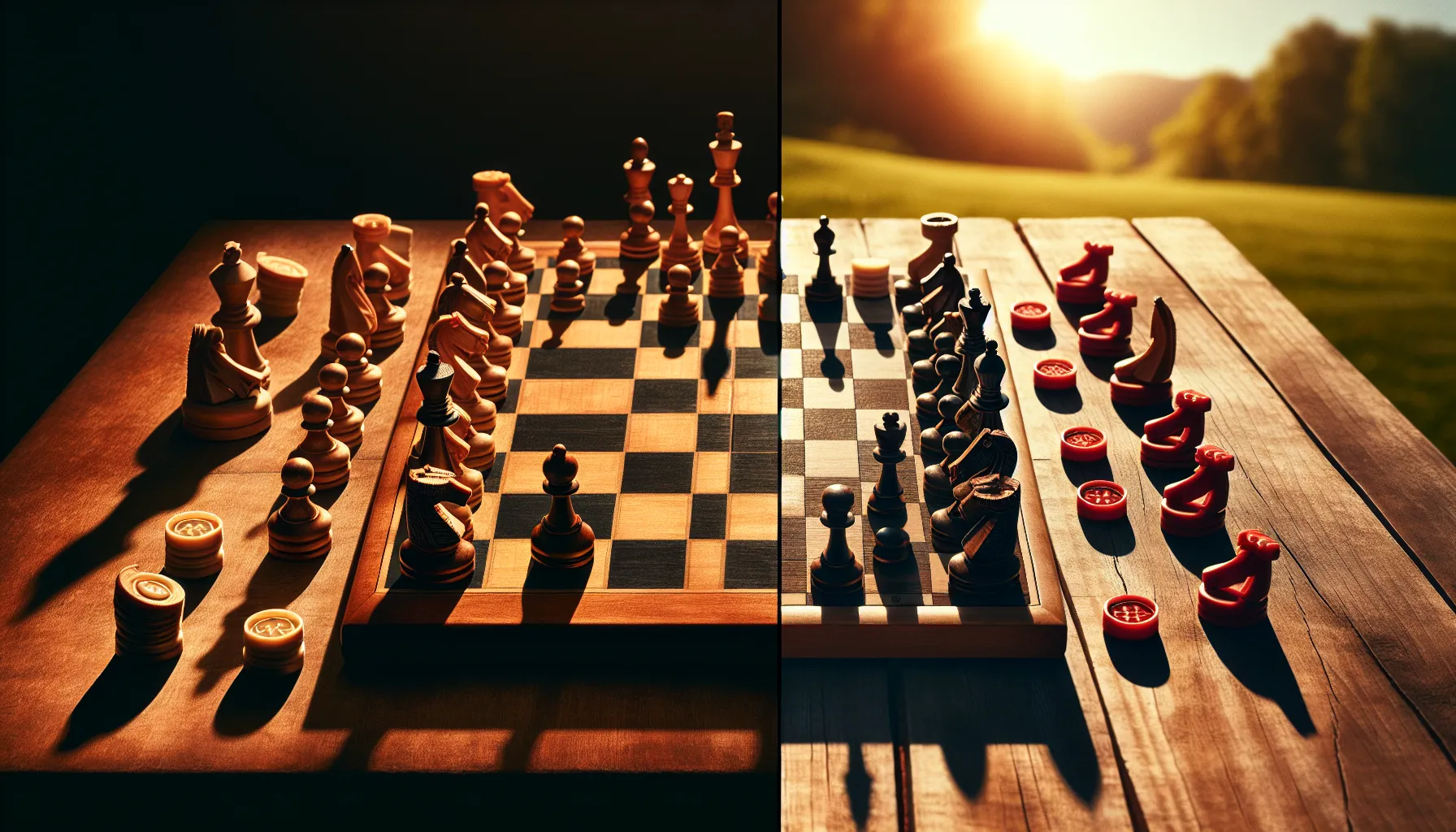
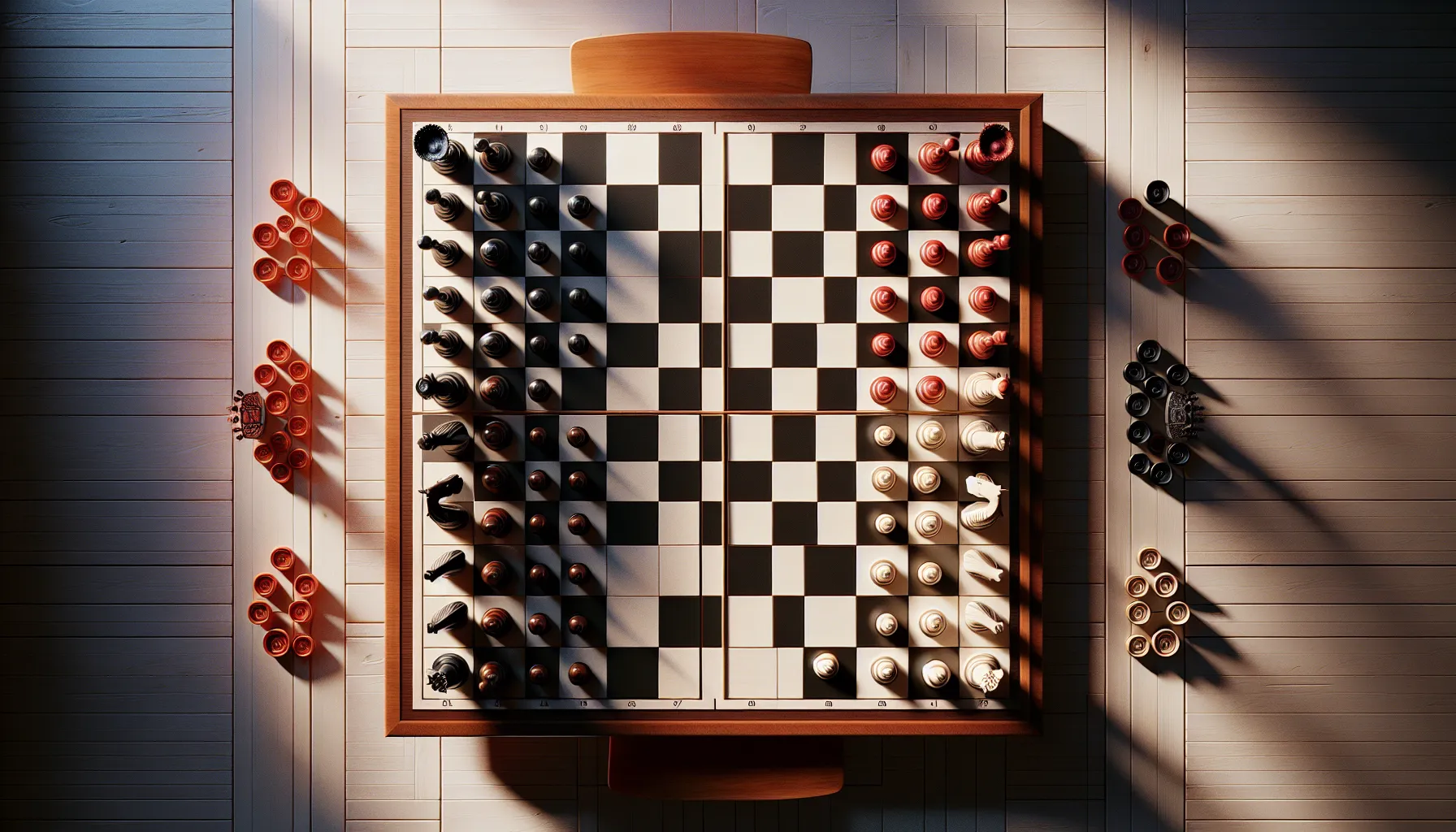
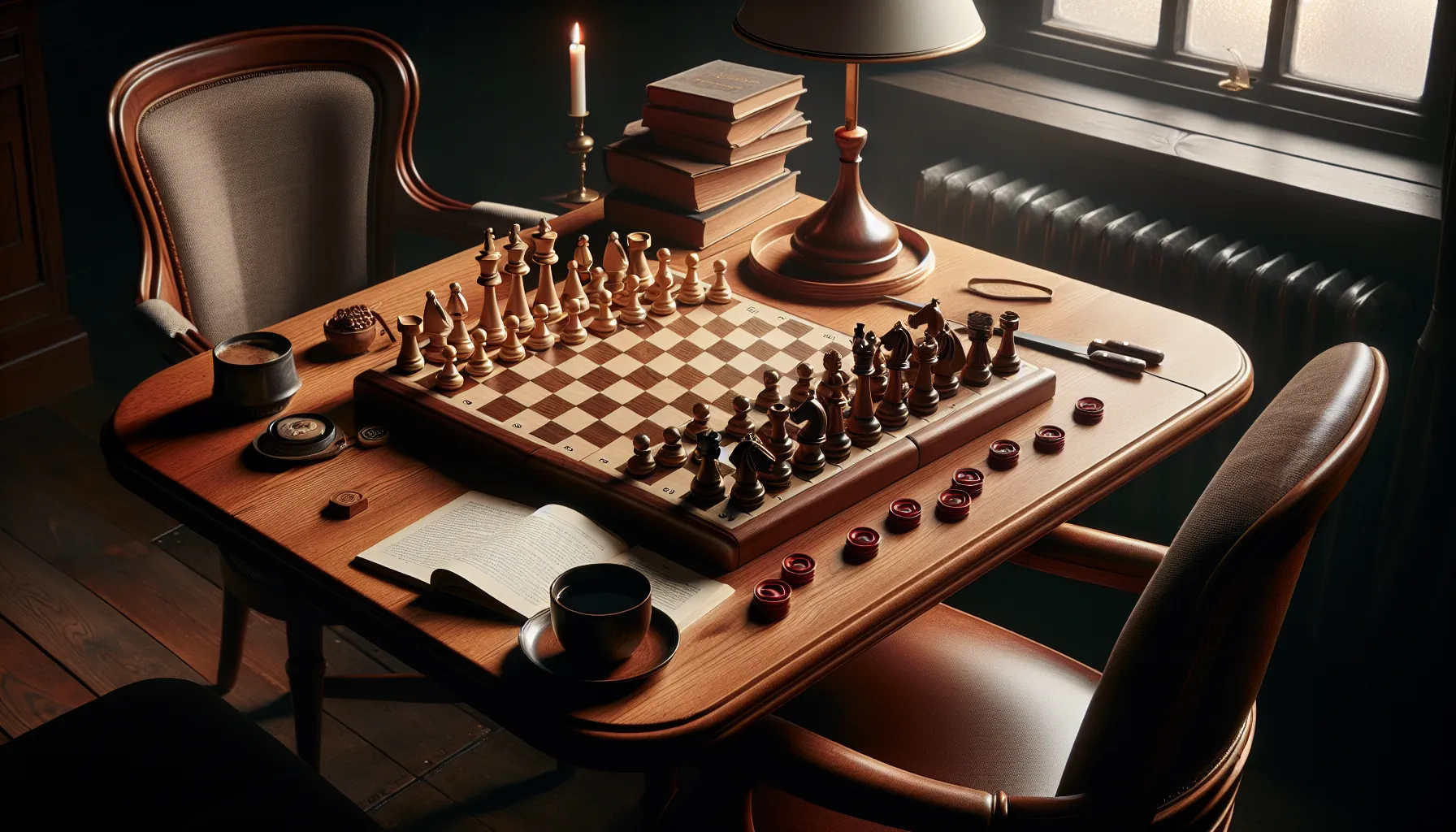
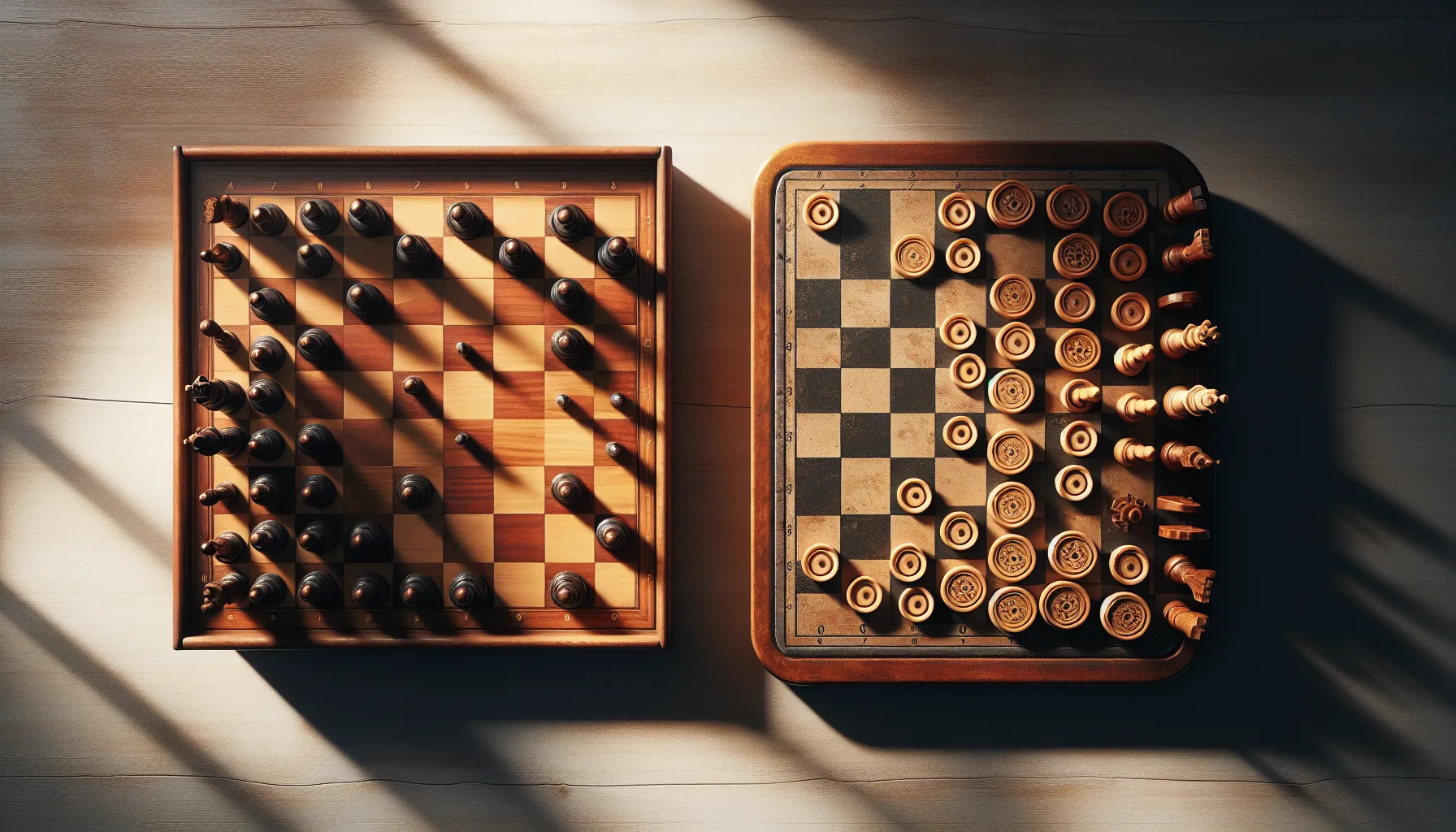
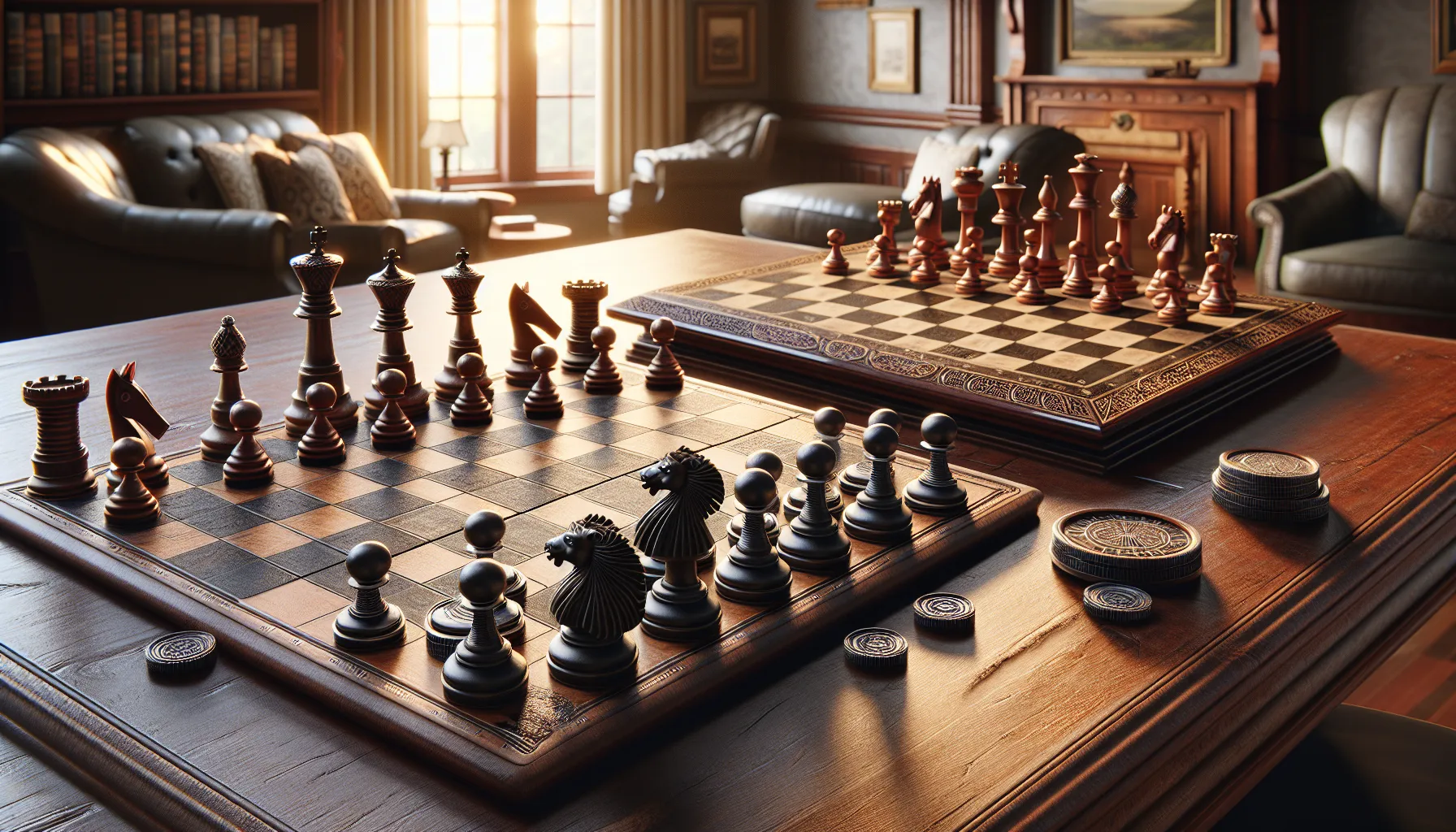
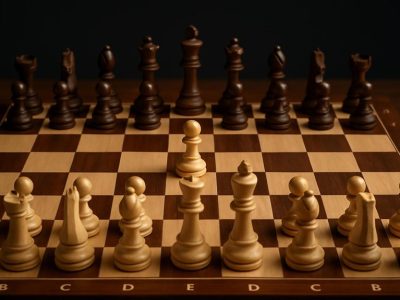
what makes chess and checkers, two of the most iconic board games, unique and engaging in their own ways? These games, seemingly similar at a glance, unfold distinct worlds of strategy, complexity, and history. Understanding their differences not only deepens your appreciation for their individual charms but also hones your skills as a player in either or both.
Overview of Chess and Checkers
Historical Background
Chess, originating in India around the 6th century, embodies centuries of strategic evolution, symbolizing warfare and intellectual refinement. Checkers, with roots tracing back to ancient Mesopotamia, evolved as a game emphasizing tactical foresight and simplicity. Each game’s historical journey mirrors its global cultural impact and the development of its unique gameplay dynamics.
Differences in Game Boards and Pieces
Layout of the Game Boards
Chess is played on an 8×8 grid, comprising alternating light and dark squares, amounting to 64 in total. Checkers also employs an 8×8 grid: but, its active play is limited to the dark squares, accounting for 32 usable spaces.
Design and Number of Game Pieces
In chess, each player commands 16 pieces with distinct roles and movements: pawns, rooks, knights, bishops, a queen, and a king. Checkers simplifies its pieces to 12 uniform markers per player, which can transform into “kings” upon promotion.
Rules and Objectives of Play
Chess Rules and Strategic Goals
Chess emphasizes strategy through unique movement and interaction of its pieces. The ultimate goal is to checkmate your opponent’s king.
Checkers Rules and Strategic Goals
Checkers focuses on capturing your opponent’s pieces by jumping over them, aiming to immobilize the opponent entirely.
Gameplay Strategies and Depth
Tactical Approaches in Chess
Chess demands foresight and adaptability, with countless opening theories and endgame strategies to master.
Tactical Approaches in Checkers
Checkers requires careful planning and positioning, offering deceptively deep strategic elements within its straightforward rules.
Cultural and Competitive Relevance
Chess enjoys global prestige, fueling competitive scenes, literature, and even technological advancements like AI. Checkers carries cultural significance as a familial and competitive pastime cherished across generations.
To provide the best experiences, we use technologies like cookies to store and/or access device information. Consenting to these technologies will allow us to process data such as browsing behaviour or unique IDs on this site. Not consenting or withdrawing consent, may adversely affect certain features and functions.
Functional
Always active
The technical storage or access is strictly necessary for the legitimate purpose of enabling the use of a specific service explicitly requested by the subscriber or user, or for the sole purpose of carrying out the transmission of a communication over an electronic communications network.
Preferences
The technical storage or access is necessary for the legitimate purpose of storing preferences that are not requested by the subscriber or user.
Statistics
The technical storage or access that is used exclusively for statistical purposes.The technical storage or access that is used exclusively for anonymous statistical purposes. Without a subpoena, voluntary compliance on the part of your Internet Service Provider, or additional records from a third party, information stored or retrieved for this purpose alone cannot usually be used to identify you.
Marketing
The technical storage or access is required to create user profiles to send advertising, or to track the user on a website or across several websites for similar marketing purposes.