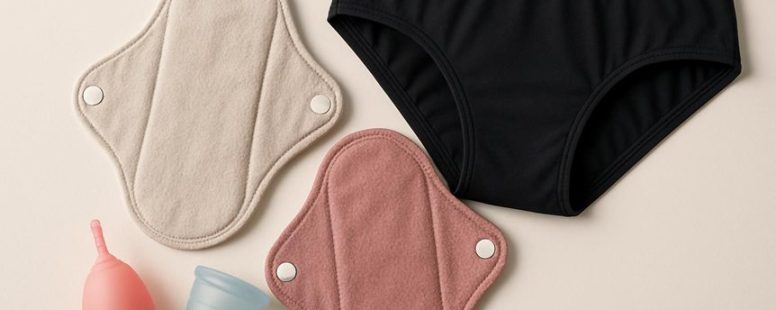
Imagine a world where your period care feels like a gentle breeze rather than a cumbersome chore. Switching to eco-friendly options like menstrual cups and reusable pads transforms more than just sustainability—it turns your cycle into a smoother, more comfortable experience that’s kind to both you and the planet.
Surprisingly, these alternatives can also reduce odor and irritation, turning what used to be a hassle into a moment of empowerment. Are you ready to discover how your period can become a part of your eco-conscious lifestyle, flowing effortlessly like a calm river?
Why Choose Eco-Friendly Alternatives to Tampons?
Eco-friendly alternatives to tampons are products like menstrual cups and reusable pads that help protect the environment. These products are made from sustainable materials and are designed to last a long time. Unlike traditional tampons, which often come with lots of packaging that adds to waste, eco-friendly options reduce trash and pollution. For example, menstrual cups can be used for years, cutting down on the amount of waste sent to landfills. Reusable pads can be washed and reused many times, making them a good choice for people wanting to cut back on waste.
Some people prefer eco-friendly options because they feel good knowing they are helping the planet. They can also be more comfortable since they don’t have the dryness or irritation some women get from tampons. But, it’s worth knowing that switching to these products might take some getting used to. Menstrual cups, for example, need to be inserted properly, and reusable pads need regular washing.
Two viewpoints exist on eco-friendly menstrual products. Supporters say they are better for the environment and save money over time. Critics warn that some products may not work well for everyone and can be tricky to clean at first. For instance, menstrual cups are reusable but require thorough cleaning, which can be inconvenient for some women.
How Do Reusable Menstrual Cups Work?
Reusable menstrual cups are small, flexible devices made from medical-grade silicone, rubber, or elastomer. They are inserted into the vagina to collect menstrual fluid. When placed correctly, they create a seal that stops leaks and feels comfortable. Here’s how they work:
Insertion: Fold the cup and gently put it into the vagina.
Placement: It unfolds and presses against the walls, forming a seal.
Collection: The cup holds menstrual fluid, often more than a tampon can.
Removal and cleaning: When it’s full, pinch the bottom, pull it out, empty the fluid, rinse it with water, and put it back in.
Many people like menstrual cups because they produce less waste and can be more comfortable than pads or tampons. However, some may find inserting or removing the cup tricky at first. It’s also good to be careful to clean the cup well to prevent infections. Overall, they give users more control over their period care and can be a long-term money saver.
Types of Cloth Menstrual Pads and How to Use Them
Cloth menstrual pads are a good choice for many people because they are reusable and eco-friendly. They come in different shapes and styles to fit different needs. Some are contoured to stay close to your body, while others are rectangular or shaped for more comfort. Most cloth pads have a waterproof outer layer to prevent leaks and an absorbent core made from fabrics like cotton, bamboo, or hemp. These materials soak up menstrual flow and keep you dry.
Menstrual sponges are another natural option. They are sea sponges that can be moistened before use. You insert them like a tampon, and they can be reused after rinsing. Many people like menstrual sponges because they are natural and reduce waste. However, they need proper cleaning to avoid infections.
To use cloth pads, you fold or snap them into place in your underwear. You may need to change them every few hours, just like disposable pads. When you’re done, wash the pads with warm water and soap, then let them dry completely before using again. Menstrual sponges require soaking in water, rinsing well, and then reinserting. Both options can feel more comfortable than synthetic products, especially for people with sensitive skin, but they take more care to keep clean.
Some people prefer cloth pads or sponges because they produce less trash and are better for the environment. Others worry about the extra steps of washing and drying. Both options are worth trying to see what feels best for you.
Selecting the Best Period Underwear for Comfort and Sustainability
Choosing the best period underwear for comfort and sustainability means picking underwear that works well and is good for the environment. Many brands now offer eco-friendly options that are comfortable and reliable. Here are some tips to help you find the right pair:
Material: The best period underwear is made from breathable, moisture-wicking fabrics like organic cotton or bamboo. These materials help keep you dry and comfortable during your period. For example, Thinx and Dear Kate offer underwear made from these eco-friendly fabrics.
Absorbency: Pick underwear with enough layers to match your flow. Some brands, such as Ruby Love and Lunapads, make underwear with different levels of absorbency. This can help you feel secure without needing extra pads or tampons, reducing waste.
Fit: Make sure the underwear fits snugly but comfortably. If it is too tight, it can cause discomfort or leaks. If it is too loose, it might not protect well. Brands like Knix and Modibodi offer sizes and styles that fit many body types and boost your confidence.
Sustainability: Choose brands that prioritize eco-friendly practices. Look for labels that use sustainable fabrics, reduce waste, and avoid harmful chemicals. Some companies even donate a part of their profits to environmental causes. However, keep in mind that some sustainable products might cost more or require special care to last longer.
Some people prefer traditional disposable products because they are cheap and easy to use. But eco-friendly period underwear can be a good long-term choice if you want to reduce waste and be kinder to the planet. Just remember, no product is perfect. Some underwear may not hold up well after many washes, or might not fit as expected. Always read reviews and check the return policies before buying.
Are Menstrual Sponges a Safe and Effective Option?
Menstrual sponges are a type of reusable product used during periods. They are soft, natural sponges that can be inserted into the vagina to absorb menstrual flow. Some people find them comfortable and eco-friendly, but safety is very important when using them.
If you want to try a menstrual sponge, make sure to clean it well before use. Rinse it thoroughly with clean water and boil it for a few minutes to kill germs. After use, wash it again, and let it dry completely to stop bacteria from growing. Proper care helps prevent infections, which can happen if bacteria build up inside the sponge.
However, there are some risks. Because they are placed inside the body, if not cleaned properly, they can cause infections like bacterial vaginosis or yeast infections. Some women also find sponges difficult to remove or uncomfortable. It is always a good idea to talk with a doctor before trying a menstrual sponge, especially if you have a history of infections or sensitive skin.
Some people say menstrual sponges work well for light to moderate flow and are easy to carry around. Others warn that they may not be safe for everyone, especially if you have certain health issues. It is best to compare sponges based on how easy they are to clean, how comfortable they feel, and how well they absorb.
In the end, menstrual sponges can be a useful choice for some, but they are not perfect for everyone. Be sure to learn how to use and care for them properly, and always listen to your body. If you notice any discomfort or unusual symptoms, stop using the sponge and see a healthcare provider.
Safety Considerations
Menstrual sponges can be a good eco-friendly choice, but safety is really important. Here are some key points to think about:
Hormonal effects: Sponges do not affect hormones like tampons do. But if you don’t use them right, they can cause irritation or infections. Always follow instructions for cleaning and inserting.
Cultural perceptions: Some people see sponges as natural and safe, while others think they are unusual or uncomfortable. Your comfort with using a sponge depends on your cultural background and personal preferences.
Infection risk: Sponges can grow bacteria if they are not cleaned well. Using a dirty sponge can lead to infections. It’s best to rinse and boil the sponge regularly to keep it clean.
Material safety: Make sure the sponge is made from natural, chemical-free material. Some cheap sponges might have dyes or chemicals that can cause allergic reactions or skin irritation.
Knowing these facts can help you decide if a menstrual sponge is right for you. Remember, safety isn’t just about the product but also about how you use it and how comfortable you feel with it.
Effectiveness and Use
Menstrual sponges are a safe and useful way to manage your period. They are a type of reusable product you insert into your vagina to absorb menstrual flow. Unlike tampons, sponges are made from natural or synthetic materials and can be rinsed and reused. They don’t affect your hormones or the natural cycle, which is good for your overall health.
However, how well sponges work depends on how you use them. They need to fit your body well to prevent leaks or discomfort. Some women find sponges comfortable, but others might feel uneasy if the sponge isn’t positioned right. It’s a good idea to learn how to insert and remove the sponge properly. For example, wetting it with water before insertion can make it easier to place correctly.
Sponges work best for lighter or moderate flow days. If you have heavy bleeding, they might not be enough and could leak. They also aren’t ideal for overnight use because they need to be emptied and cleaned regularly.
Some women prefer sponges because they are eco-friendly and cost less over time. But others might find them tricky to use or uncomfortable. It’s smart to know your period pattern and flow to decide if a sponge will work for you. Always follow the instructions carefully and listen to your body for signs of irritation or discomfort.
Maintenance and Cleaning
Menstrual sponges are a safe and eco-friendly way to manage periods, but they need proper care to stay safe and last longer. Proper cleaning and maintenance help keep the sponge effective and prevent infections.
First, after each use, rinse the sponge well with cold, clean water. This removes blood and dirt. Sometimes, warm water can help, but cold water is best to keep the sponge’s material safe.
Second, boil the sponge once a week for about five minutes. Boiling kills bacteria and germs that might grow on the sponge if it’s left unused for a while. Make sure to use a pot and water only for this. Do not add soap or other cleaners before boiling, as some chemicals can damage the sponge or cause irritation.
Third, when you are not using the sponge, store it in a breathable container like a paper bag or a cloth pouch. Avoid plastic containers because they trap moisture, which can cause mold or bacteria to grow.
Finally, replace the sponge every six to twelve months. Over time, the material can break down or develop smells, even with good cleaning. If the sponge starts to smell sour or feels rough, it’s time to get a new one.
Some people believe that regular cleaning makes the sponge last longer and keeps it safe. Others warn that no matter how well you clean it, sponges can still carry bacteria if not replaced often enough. So, always follow the manufacturer’s advice and listen to your body.
Taking care of your menstrual sponge is simple but important. With regular rinsing, boiling, proper storage, and timely replacement, you can enjoy a safe, comfortable, and eco-friendly period experience.
How to Transition Seamlessly to Reusable Period Products
Reusable period products are a good choice for many people. To switch smoothly, start by learning what options are available. Popular choices include cloth pads, menstrual cups, and period underwear. These products work differently, so trying a few can help you find what feels best.
Next, gather your supplies before your period begins. For example, if you choose a menstrual cup, have one ready and practice inserting it a few times before your period starts. This can make using it during your period easier. Keep in mind that it may take some time to get used to new products, so be patient.
Some people find cloth pads comfortable and easy to wash, while others prefer the convenience of a menstrual cup. You might want to try both to see which fits your lifestyle best. Remember, it’s normal to feel unsure at first. Using reusable period products is a process, but with practice, it becomes simpler.
Be aware that reusable products require regular cleaning. Cloth pads need to be rinsed and washed, and cups should be sterilized between uses. Make sure to follow the instructions from the brands like DivaCup or Lunette to keep everything clean and safe.
There are advantages and disadvantages to each option. Cloth pads are eco-friendly and affordable, but they take time to wash. Cups are eco-friendly, last many years, but some people find inserting them tricky at first. Period underwear is easy to wear and wash, but it might not hold as much as other products during heavy flow days.
Starting with a few products and giving yourself time to adjust can help you feel more comfortable. Over time, many people find that switching to reusable period products saves money and reduces waste. Are you ready to try something new?
Preparing Your Supplies
Using reusable period products like menstrual cups and cloth pads can be easier if you prepare your supplies first. Knowing how to get ready can make the switch less scary, especially since myths and cultural taboos can make people worry about these products. Here’s what you should do to get started:
Learn about different reusable options such as menstrual cups and cloth pads. For example, brands like DivaCup or Lunapads are popular choices. Knowing your options helps you find what works best for you.
Buy high-quality products from trusted brands. Cheaper products may not be safe or comfortable. Look for reviews and recommendations to choose reliable options.
Understand how to clean and care for your supplies. For cloth pads, you usually rinse them in cold water and wash them in a hot cycle. For menstrual cups, boil them in water for a few minutes after each period. Proper cleaning keeps you safe and healthy.
Join online forums or local groups about reusable period care. Talking with others can give you useful tips and make you feel less alone in trying something new.
Getting prepared helps you understand reusable products better and can challenge the negative ideas about them. It also makes your transition smoother and more confident. Remember, the more you know, the easier it is to choose a comfortable, eco-friendly way to take care of your period.
Adjusting to New Routine
Adjusting to a new routine with reusable period products means changing how you handle your period. These products include options like menstrual cups and cloth pads. They can feel strange at first, but taking small steps can help you get used to them faster.
Start by trying just one reusable item, such as a menstrual cup or a cloth pad. Use it for a day or two to see how it feels. Give yourself time to get comfortable with it before trying more. Remember, it is normal to have questions or doubts when trying something new.
Some people worry about whether reusable products are discreet or stylish. The good news is that many brands now offer products that look nice and are easy to carry. Fashion trends are also moving towards sustainable choices, so using reusable products can be both practical and fashionable.
There are two main views about switching to reusable period products. Some people love how comfortable they are and how much waste they save. Others worry about cleaning and convenience. It’s true that reusable products need proper cleaning after each use, but many find it simple once they get used to it.
Making the switch takes patience. With practice, using reusable products can become just part of your routine. You might find that you feel more confident and eco-friendly. Remember, it’s okay to start slow, and over time, these products can become your new normal.
Key Factors to Consider When Choosing Eco-Friendly Menstrual Products
Choosing eco-friendly menstrual products means looking at more than just what is most sustainable. You need to think about what works best for your body and lifestyle. Sometimes, myths and cultural beliefs can make it hard to choose the right product or feel comfortable using it. Here are four key factors to help you pick the best eco-friendly options:
Material safety: The product should be free from harmful chemicals. For example, some pads and tampons contain bleach or synthetic fragrances that can irritate your skin or cause health issues. Look for brands like Organicup or Lunette, which use safe, natural materials. Always check labels to make sure no toxic substances are involved.
Comfort and fit: A product that feels natural and fits well will make your period easier. Some women prefer soft, flexible materials like silicone or cloth. For example, menstrual cups like DivaCup mold to your body, offering comfort for hours. If a product feels itchy or uncomfortable, it might not be right for you, even if it’s eco-friendly.
Ease of use: Think about how simple it is to put in, take out, or clean the product. Menstrual cups may take a little practice but can last for years. Reusable cloth pads need washing, which might be inconvenient for some. Consider your daily routine and choose what’s easiest for you. If you dislike complicated cleaning or inserting, a simple pad might work better.
Cultural acceptance: Be aware of cultural beliefs or taboos that may affect your comfort or access. Some cultures might oppose certain products like menstrual cups, or there may be social stigma around using reusable options. It’s okay to choose what makes you feel safe and respected. For example, in some places, it’s easier to buy disposable pads than reusable ones due to social norms.
Making the right choice can help you feel more confident and comfortable during your period. Remember, there is no one perfect product, but considering these factors can guide you to what fits your needs best.
How Reusable Menstrual Products Save Money and Reduce Waste
Reusable menstrual products are a smart choice because they save you money and help the environment. These products, like cloth pads or menstrual cups, can be used over and over again. This means you don’t have to buy new disposables every month, which can add up to big savings. For example, a menstrual cup costs about $20 but can last for years, while disposable pads might cost $7 each month. Over time, using reusable products can save hundreds of dollars.
They also cut down on waste. Disposable pads and tampons create a lot of trash that ends up in landfills and oceans. Reusable products can be washed and used again, which means less trash and less pollution. Imagine throwing away fewer plastic wrappers and packaging every month—that’s good for the planet.
Some people might worry about cleaning reusable products or whether they are safe. It’s true that you need to wash cloth pads or boil a menstrual cup regularly, but many brands give clear instructions. Reusable products are safe if they are kept clean. However, they might not be for everyone, especially if you have certain medical conditions or allergies. Also, some places may not have easy access to proper washing facilities.
Cost Savings Over Time
Reusable menstrual products can save you money over time compared to disposable ones. Here’s how they work:
Initial cost: Reusable products like menstrual cups or cloth pads cost more at first. But they last for years, so you don’t have to buy new ones each month. For example, a menstrual cup might cost $30 but can be used for up to 10 years.
Monthly savings: Instead of buying tampons or pads every month, you only need to buy your reusables once or twice. This can add up to big savings over time.
Less waste and disposal costs: When you use fewer disposables, there’s less trash and fewer fees for waste disposal. This can save money for communities and households.
Long-term savings: Over many years, using reusables can be cheaper than buying disposable products each month. Some people save hundreds of dollars by switching.
However, some people worry about the upfront cost or cleaning time. Reusables may take some effort to care for, and not everyone can afford the initial buy-in. Also, some brands like Diva Cup or Lunette are popular choices because they last long and are easy to clean.
Knowing these facts helps you decide if switching to reusables makes sense for your budget. They are an investment that can pay off in the long run, but it’s good to think about your own needs first.
Eco-Friendly Waste Reduction
Reusable menstrual products are a good way to reduce waste and help the environment. They also save you money over time. Unlike disposable pads and tampons that end up in landfills and can take hundreds of years to break down, reusable products can be used again and again. This helps cut down on the amount of trash we produce. Making fewer single-use products also means less pollution from factories, packaging, and waste disposal.
When choosing reusable options, think about where the materials come from. Many brands like Lunapads and GladRags make products from sustainable fabrics such as organic cotton or silicone. These materials are better for the environment because they need less energy and resources to produce. By picking these products, you support companies that care about responsible sourcing and reduce the demand for resource-heavy manufacturing.
Some people might worry that reusable products are hard to clean or not as safe. While they do need regular washing, many brands provide easy cleaning instructions. Reusable menstrual cups or cloth pads can last for years if taken care of properly. However, not everyone finds them comfortable or convenient, so it’s good to explore different options before switching completely.
Tips for Cleaning and Maintaining Your Reusable Period Products
Reusable period products need proper cleaning to stay safe and last longer. Cleaning them well helps keep bacteria away and keeps the materials comfortable to wear.
Here are some simple steps:
Rinse the product with cold water right after you use it. This helps prevent stains and bacteria from sticking.
Wash it gently with a fragrance-free detergent. This protects the fabric and keeps it soft.
Let it air dry completely before storing. This prevents mold and bad smells.
Check your product often for tears, holes, or signs of damage. Replacing worn-out products makes sure they stay safe and effective.
Some people prefer to boil their products once a month for extra cleaning, while others avoid high heat because it might weaken the fabric over time. Both methods can be good, but always follow the product’s care instructions.
Taking care of your reusable period products not only keeps them comfortable and safe but also helps them last longer. This saves money and reduces waste. Remember, clean products are happier products!
How Eco-Friendly Menstrual Products Support a Sustainable Lifestyle
Eco-friendly menstrual products are a good choice for anyone who wants to help the environment. These products include options like menstrual cups, cloth pads, and biodegradable tampons. They are better for the planet because they create less waste compared to regular disposable products. For example, a menstrual cup can last for years, which means fewer plastic pads and tampons ending up in landfills. Using reusable products encourages you to think more about consumption and waste.
Some people worry about the safety and comfort of these products. Menstrual cups, for instance, need to be cleaned properly to prevent infections. Cloth pads can be comfortable and soft, but they might need to be washed regularly. On the other hand, biodegradable tampons break down faster than traditional ones, but they might cost more or not be as widely available.
Choosing eco-friendly menstrual products also fits with many current fashion trends that focus on sustainability. More brands now offer stylish, eco-conscious options, making it easier to stay fashionable while caring for the planet. For example, some companies like Lunapads and OrganiCup are popular because they combine style with eco-awareness.
Switching to reusable products is a simple step toward a greener future. It helps reduce plastic waste and supports companies that care about the environment. However, it’s good to remember that these products might require more effort to clean and store. Overall, eco-friendly menstrual products are a smart choice for anyone who wants to live a more sustainable life and help protect the planet.
To provide the best experiences, we use technologies like cookies to store and/or access device information. Consenting to these technologies will allow us to process data such as browsing behaviour or unique IDs on this site. Not consenting or withdrawing consent, may adversely affect certain features and functions.
Functional
Always active
The technical storage or access is strictly necessary for the legitimate purpose of enabling the use of a specific service explicitly requested by the subscriber or user, or for the sole purpose of carrying out the transmission of a communication over an electronic communications network.
Preferences
The technical storage or access is necessary for the legitimate purpose of storing preferences that are not requested by the subscriber or user.
Statistics
The technical storage or access that is used exclusively for statistical purposes.The technical storage or access that is used exclusively for anonymous statistical purposes. Without a subpoena, voluntary compliance on the part of your Internet Service Provider, or additional records from a third party, information stored or retrieved for this purpose alone cannot usually be used to identify you.
Marketing
The technical storage or access is required to create user profiles to send advertising, or to track the user on a website or across several websites for similar marketing purposes.