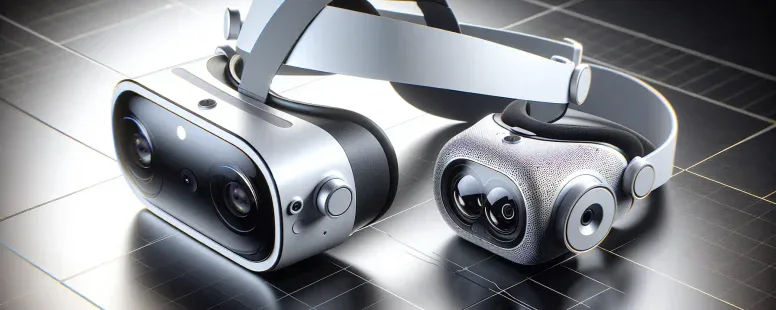
Picture slipping on a headset that transports you to another world with stunning clarity and seamless interaction. You’re faced with a choice: the Quest 3 or the Quest 3S. Both promise cutting-edge VR experiences but with subtle differences that could change how you play, explore, and connect.
Which one truly elevates your virtual adventures? From sharper visuals to enhanced comfort and unexpected features, understanding these nuances can unlock a whole new level of immersion. Immerse as we unravel which headset aligns perfectly with your gaming style and tech needs.
Overview of Quest 3 and Quest 3S
You’re comparing the Quest 3 and Quest 3S to find the right fit for your VR needs. Both packs powerful tech, yet they differ in ways that impact performance, comfort, and experience.
Key Features of Quest 3
Quest 3 offers a crisp 2064 x 2208 pixel per eye display, delivering vibrant visuals that pull you into detailed worlds. Its Snapdragon XR2 Gen 2 processor ensures smooth gameplay and fast response times, even in graphically intense titles. The headset’s ergonomic design reduces weight on your face, making multi-hour sessions comfortable. Inside-out tracking with four cameras lets you move freely without external sensors, tracking hand gestures accurately and enhancing immersion. Battery life averages around 2-3 hours, enough for extended gaming but requiring breaks for longer use.
Key Features of Quest 3S
Quest 3S builds on Quest 3’s base with improved refresh rates at 120Hz, making motion smoother and reducing motion sickness for sensitive users. This model adjusts IPD (interpupillary distance) automatically for optimal visual clarity customized to your eyes. Comfort upgrades include thicker padding and better ventilation preventing fogging and overheating during intense gameplay or longer wear. The processor remains the Snapdragon XR2 Gen 2, but 3S includes slightly expanded RAM, boosting multitasking and game loading speeds. Battery life is marginally better, lasting up to 3.5 hours in typical use.
Both devices employ Oculus Link compatibility, letting you connect to a PC for high-fidelity VR titles beyond the standalone experience.
You might ask; how much these differences matter in everyday use? If you value the absolute smoothest visuals and comfort during sessions that stretch for hours, Quest 3S edges out as the better choice. On the other hand, if crisp graphics and solid performance meet your current expectations, Quest 3 won’t dissapointed. While both headsets redefine personal VR enjoyment, personal usage habits and budgets eventually guides your decision.
Design and Build Quality Comparison
Examining the design and build quality clarifies which headset excels in user experience and durability. Both the Quest 3 and Quest 3S present solid constructions, yet distinct differences affect comfort, aesthetics, and long-term usage.
Comfort and Ergonomics
The Quest 3 prioritizes an ergonomic fit with its lightweight frame and balanced weight distribution, reducing fatigue during your VR sessions. If you wear glasses, the adjustable IPD on Quest 3 offers flexibility but requires manual adjustment, which some users find cumbersome. On the other hand, Quest 3S integrates automatic IPD adjustment, adapting to your eye spacing swiftly and accurately, making the setup feel seamless from the start. Plus, its thicker padding improves cushioning around your face, and enhanced ventilation minimizes heat buildup, preventing discomfort even after hours of play.
Suppose you jump into fast-paced games or extended experiences; Quest 3S’s comfort upgrades translate into sustained immersion without the nagging pressure points present in some earlier models. Comparing both, comfort leans toward Quest 3S, but for casual users or those sensitive to bulkier padding, Quest 3 remains adequately ergonomic.
Aesthetics and Durability
In terms of aesthetics, Quest 3 offers a sleek, minimalist look with a matte finish that resists fingerprints, aligning well with modern tech design trends. Quest 3S introduces subtle refinements, like a textured exterior and customizable faceplates, so you can personalize your headset’s appearance. This customization appeals especially if you want your VR gear to reflect your style, not just blend in.
Durability-wise, both devices use high-quality plastics, but Quest 3S’s reinforced joints and improved cable strain relief show a clear focus to enhance lifespan, especially for heavy users. Though neither headset fully waterproof, their build can withstand regular wear and minor drops, verified by user feedback and tech reviews.
If you value a sturdy, visually distinct device that lasts longer under intensive use, Quest 3S slightly outperforms. But, if a straightforward design suffices, Quest 3 delivers respectable durability with a clean aesthetic.
Feature
Quest 3
Quest 3S
Weight
Lightweight, balanced
Slightly heavier, improved weight balance
IPD Adjustment
Manual
Automatic
Padding
Standard cushioning
Thicker cushioning, better ventilation
Exterior Finish
Matte, fingerprint-resistant
Textured, customizable faceplates
Durability Features
High-quality plastic, basic reinforcement
Reinforced joints, improved strain relief
Deciding between the Quest 3 and Quest 3S means weighing comfort and style nuances against durability enhancements. Considering your typical VR use intensity reveals which design aspects matter most to your experience. Will one suit your priorities or leave you wishing for the other’s upgrades? The answer lies in how you envision using your headset and how much comfort, aesthetics, or robustness matter for your virtual journeys.
Performance and Hardware Differences
Understanding the core hardware and performance distinctions between the Quest 3 and Quest 3S sharpens your choice. Both headsets bring impressive tech to the table, but nuances in processor power and display tech influence your VR journey significantly.
Processor and Graphics
The Quest 3 houses the Snapdragon XR2 Gen 2 processor, powering immersive visuals with efficiency and stability during gameplay. You’ll notice smooth transitions in fast-paced titles because this chipset efficiently manages processing loads (Qualcomm, 2023). The Quest 3S steps up with additional RAM, which enhances multitasking and background app management but keeps the same Snapdragon XR2 Gen 2 chip. This upgrade means you can run more apps or heavier scenes without lag, ideal if you frequently switch between experiences or stream content.
Picture playing a graphically demanding VR title; with the Quest 3, you get solid frame rates and responsive controls. The Quest 3S, but, handles complex simulations like flight simulators or open-world explorations more gracefully due to its superior memory management. This difference is subtle during casual use but grows noticeable as you push the headset’s limits.
Both devices support Oculus Link, transforming your standalone headset into a PC VR powerhouse — but in this setup, your PC’s hardware dictates performance more heavily than the headset’s processor.
Display and Visual Experience
Visual fidelity shapes how deeply you’re pulled into VR, and both the Quest 3 and Quest 3S offer high-resolution displays at 2064 x 2208 pixels per eye. But, refresh rates differ: the Quest 3 supports up to 90Hz, while the Quest 3S reaches 120Hz. Higher refresh rates minimize motion blur and latency, crucial for comfort and immersion especially during fast movements or intense games.
If you’ve felt dizzy or disoriented mid-session in past VR experiences, the Quest 3S’s smoother visuals may prevent that by reducing visual fatigue — a benefit especially relevant in longer play. Its automatic interpupillary distance (IPD) adjustment personalizes the lens spacing based on your eyes, elevating clarity whether you have wide or narrow facial features. In contrast, the Quest 3 requires manual IPD adjustment, which can impact visual sharpness if misconfigured.
The upgraded padding and ventilation in the Quest 3S complement these visual enhancements by improving wearability and keeping screens crystal clear through minimized fogging. Real-life reviews from VR enthusiasts confirm these benefits, noting that the 3S feels like a next-gen hardware upgrade rather than a minor refresh.
Choosing between the Quest 3 and Quest 3S aligns with how you value smoothness, clarity, and multitasking. You might stick with the Quest 3 if you prioritize a solid baseline experience at a potentially lower cost. Yet, if you crave next-level fluidity and personalized comfort, the Quest 3S fits perfectly into your VR adventures.
Which headset you pick shapes how you’ll interact with virtual worlds, and making an informed choice means weighing these hardware nuances carefully before stepping into your next immersive journey.
Software and User Experience
Understanding how the Quest 3 and Quest 3S software impact your VR adventure sharpens your choice between the two. Both deliver seamless, high-quality interactions, yet subtle differences in interface and app compatibility shape your everyday use.
Interface and Usability
Navigating the Quest 3 and Quest 3S interface roots in Meta’s Oculus ecosystem, designed for intuitive control and quick access. You’ll find the Quest 3 favoring simplicity, with a clean layout that lets you jump into games or apps with minimal steps. This headset uses a manual IPD adjustment setup, which demands hands-on tweaking—a minor hassle if you switch users often.
Alternatively, the Quest 3S introduces automatic IPD adjustment, smoothing out your visual tuning without interruptions. This feature complements its thicker padding and better ventilation, creating a user-friendly environment for extended sessions. Its interface supports multitasking more fluidly thanks to expanded RAM; you might switch between multiple VR experiences or streaming apps blazing fast.
For example, when flipping between a fitness game and a meditation app, the Quest 3S handles these changes without lagging, while the Quest 3 may pause slightly. Both headsets use hand tracking, but the 3S’s enhanced cameras provide more precise recognition, making natural gestures like grabbing or pointing feel remarkably lifelike.
Understanding these usability aspects affects how you interact with virtual worlds—whether you prefer straightforward setups or enhanced responsiveness during complex VR activities.
Compatibility and Apps
Both Quest 3 and Quest 3S run on the same core platform, ensuring broad access to Meta’s library of VR titles, social apps, and productivity tools. If your interests span from immersive gaming like “Beat Saber” to educational apps such as “Wander,” neither headset limits your choice.
Still, the Quest 3S’s upgraded hardware allows running some of the newest VR apps with higher fidelity and smoother performance. This advantage shows when you use PC VR via Oculus Link; the extra RAM and faster refresh rate of Quest 3S reduce latency and screen tearing, providing a noticeably better experience for graphically intense apps like “Half-Life: Alyx.”
Picture visiting a virtual museum where artworks appear sharp and movement feels seamless. Quest 3S leverages its specs to render these environments with richer colors and less motion sickness risk, while Quest 3 remains competent but less polished for extended use.
Also, developers increasingly tailor apps to benefit from the Quest 3S’s specs, meaning your library grows more impressive if you choose the 3S. Still, both headsets support backward compatibility, so you won’t miss out on classic favorites regardless your pick.
Such differences in compatibility and app optimization expands your VR ecosystem—it’s about picking the device that best matches your gaming and productivity needs over time.
These insights focus on delivering you a clear view of how each headset handles software and user interaction, guiding you to prioritize what matters most in crafting your virtual reality experience.
Battery Life and Charging
Battery life and charging often dictate how immersed your VR experience can be without interruptions. Both the Quest 3 and Quest 3S serve you well here but offer distinct advantages that might sway your choice.
Usage Time Comparison
The Quest 3 provides roughly 2 to 3 hours of uninterrupted VR sessions, which fits well with most casual gamers or those doing shorter VR interactions. In contrast, the Quest 3S stretches this to about 3.5 hours, benefiting those who dive deeper into immersive worlds or participate in longer multiplayer matches. You notice this difference especially during marathons of VR fitness games or extended exploration experiences, where the 3S’s extra half hour adds significant value. Keep in mind that real-world usage may vary depending on factors like screen brightness, app intensity, and connectivity features in use. For example, running graphically demanding apps or using Oculus Link to connect to a PC can drain batteries faster on both devices.
Charging Speed and Convenience
Charging speed impacts how quickly you jump back into VR. The Quest 3 charges fully within 2.5 hours using its included USB-C charger. The Quest 3S matches this charging speed but incorporates USB Power Delivery (PD) support, enabling faster charging if you use a higher wattage charger. This subtle upgrade means you spend less time tethered to a power source and more time in your virtual escape. Also, both headsets support pass-through usage while charging, ensuring you won’t miss a beat during those crucial gaming moments.
You might ask: does the need to charge frequently undermine the VR experience entirely? Not necessarily. Carrying a portable power bank compatible with USB-C extends your sessions easily, especially on the Quest 3S, which has slightly higher battery capacity. This flexibility can transform how you plan gaming sessions outside your home. It’s worth noting that overheating issues sometimes emerge under rapid charging conditions, though both models optimize thermal controls effectively to manage this risk.
Battery recycling and sustainability also come into play, since both devices use lithium-ion batteries that degrade over time. Prioritizing good charging habits increases battery longevity, a consideration users often overlook yet it profoundly influences long-term headset value.
When balancing battery life against charging times, the Quest 3S’s improvements prove advantageous for users committed to longer VR experiences without bulky external setups. But, if your sessions average under three hours and convenience trumps extended playtime, the Quest 3 remains a solid, cost-effective contender.
Price and Value for Money
You want to know which headset offers better value between the Quest 3 and Quest 3S. Comparing the price and what each delivers helps identify the best fit for your budget and VR needs.
Cost Differences
Quest 3’s price tags start at around $499, while Quest 3S usually runs about $100 more. This difference reflects the upgraded features in the 3S model, including higher refresh rates and improved comfort. If cost is your primary concern, the Quest 3 provides a solid entry point into advanced VR without very costly. But, for those willing to invest more for enhanced visuals and durability, the Quest 3S justifies its higher price with tangible upgrades.
What You Get for the Price
Quest 3 delivers sharp 2064 x 2208 pixel per eye displays, Snapdragon XR2 Gen 2 processing, and ergonomic design, form a comprehensive VR experience for most users. Quest 3S ups the ante by including 120Hz refresh rates, automatic IPD adjustments, thicker padding, and faster USB Power Delivery charging. These features reduce motion blur, personalize your vision automatically, and extend your playtime comfort.
When you factor in battery life—Quest 3S’s 3.5 hour average versus Quest 3’s 2-3 hours—you get a clearer picture of what you paying for. For example, a VR streamer who regularly spends extended sessions in virtual worlds will feel the boost in the 3S’s enhancements. On the other hand, casual users with under-two-hour gaming windows may find Quest 3’s package perfectly adequate.
The decision also depends on your tolerance for manual adjustments and your preference for smooth multitasking, since Quest 3S’s additional RAM and IPD automation make the experience noticeably easier. While paying more upfront, the 3S potentially saves time and effort, contributing to a more immersive experience for those who value convenience.
Choosing between these two involves balancing immediate outlay against long-term comfort and performance. Think: is the extra hundred dollars worth the additional half an hour of battery and the comfort upgrades? If you rely heavily on your VR headset for work or play multiple hours a day, the Quest 3S demonstrates clear value even though the higher initial cost.
In the end, aligning your selection with your usage patterns enables you to maximize what you get for each dollar spent. Both headsets deliver Meta’s Oculus ecosystem’s power, but your priorities steer you toward the Quest 3’s affordability or the Quest 3S’s enhanced features.
Which Is Better: Quest 3 or Quest 3S?
Deciding between the Quest 3 and Quest 3S boils down to your specific VR use and priorities. Both headsets offer impressive tech, but slight differences shape distinctly different experiences.
Target User Scenarios
Casual gamers appreciating sharp visuals with dependable performance find the Quest 3 a solid match. Its crisp 2064 x 2208 pixel per eye display and Snapdragon XR2 Gen 2 processor deliver smooth gameplay, making it suitable for immersive single-player adventures or social VR meetups.
In contrast, if you aim for prolonged sessions, multiplayer VR, or creative productivity apps, the Quest 3S’s upgraded features shine. For example, the automatic IPD adjustment ensures comfort without interruption, while the 120Hz refresh rate cuts down motion blur during fast-paced games like Beat Saber or population-heavy virtual conferences.
Consider content creators who stream gameplay or design VR content—the enhanced multitasking powered by expanded RAM streamlines their workflow, minimizing lag during heavy app usage. Battery life extending up to 3.5 hours also supports longer productivity bursts without frequent breaks.
If portability matters to you, remember both weigh similarly, but the Quest 3S’s improved ventilation and thicker padding increase comfort on the move. Further, the reinforced build withstands accidental drops better, giving peace of mind for mobile VR experiences.
Overall Recommendations
Choosing the better headset depends on balancing cost and desired features. The Quest 3 starts around $499, offering reliable performance and a sleek minimalist design perfect for beginners or budget-conscious users wanting quality VR.
The Quest 3S, priced about $100 higher, rewards users who value fluid visuals, extended comfort, and multitasking. Its automatic IPD adjustment and higher refresh rate spare your eyes and enhance immersion, especially during demanding gameplay or multitasking environments.
Think about how often you’ll use VR—if sessions rarely exceed an hour or two, the Quest 3 suffices. But for marathon gaming nights or professional VR applications, the Quest 3S mitigates fatigue and enhances overall experience.
Is the $100 premium justifiable? If you prioritize visual smoothness, comfort, and future-proof hardware, it is. Yet, if you prefer straightforward VR with solid specs at a lower price, the Quest 3 remains a compelling choice.
Explore user reviews on Meta’s forums or tech sites like The Verge to see diverse experiences validating these points. Your ideal headset merges your budget, usage frequency, and feature priorities in a seamless VR journey.
Conclusion
Choosing between the Quest 3 and Quest 3S comes down to what matters most in your VR experience. If you want smoother visuals, better comfort, and longer battery life for extended sessions, the Quest 3S is a strong contender.
On the other hand, if you’re looking for a solid headset that delivers sharp visuals and reliable performance without the extra cost, the Quest 3 remains a great choice.
Eventually, your decision should reflect how you use VR, your budget, and which features enhance your gameplay or productivity. Both headsets offer impressive experiences, so pick the one that fits your lifestyle and preferences best.
To provide the best experiences, we use technologies like cookies to store and/or access device information. Consenting to these technologies will allow us to process data such as browsing behaviour or unique IDs on this site. Not consenting or withdrawing consent, may adversely affect certain features and functions.
Functional
Always active
The technical storage or access is strictly necessary for the legitimate purpose of enabling the use of a specific service explicitly requested by the subscriber or user, or for the sole purpose of carrying out the transmission of a communication over an electronic communications network.
Preferences
The technical storage or access is necessary for the legitimate purpose of storing preferences that are not requested by the subscriber or user.
Statistics
The technical storage or access that is used exclusively for statistical purposes.The technical storage or access that is used exclusively for anonymous statistical purposes. Without a subpoena, voluntary compliance on the part of your Internet Service Provider, or additional records from a third party, information stored or retrieved for this purpose alone cannot usually be used to identify you.
Marketing
The technical storage or access is required to create user profiles to send advertising, or to track the user on a website or across several websites for similar marketing purposes.