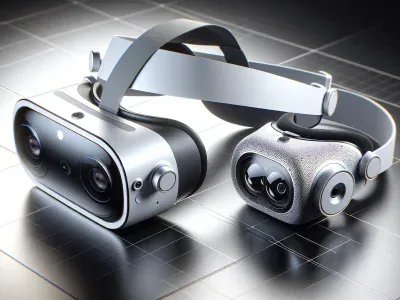
Imagine slipping into a world where every glance and movement transports you to new dimensions. With the jump from Oculus 2 to Oculus 3, your virtual adventures are about to become even more immersive. You might be curious about what sets these two headsets apart—from enhanced visual clarity to streamlined comfort, the Oculus 3 promises to redefine your VR experience.
Feel the difference with smoother controls and next-gen displays that bring your games and apps to life like never before. Whether you’re a seasoned gamer or just starting your virtual journey, understanding the distinctions between Oculus 2 and 3 can unlock a area of possibilities you never knew existed. Immerse to discover how the latest innovations can elevate your experience beyond imagination.
Overview of Oculus Quest 2 and Quest 3
Are you wondering what’s the difference between Oculus 2 and 3 to elevate your virtual reality experience? Exploring the choices between Oculus Quest 2 and Quest 3 can feel like stepping into a vibrant, ever-evolving digital world.
Design and Comfort
Oculus Quest 3 embraces a sleeker, more ergonomic design that cradles your head with enhanced padding, making extended sessions feel like a gentle embrace. In contrast, Oculus Quest 2 offers a lightweight build, perfect for quick dives into immersive worlds, but might require additional accessories for optimal comfort during longer use.
Display and Visuals
The leap from Oculus Quest 2 to Quest 3 is akin to moving from a serene sunrise to a dazzling sunset. Quest 3 boasts higher resolution displays, delivering sharper images and more vibrant colors, which make every virtual environment pulse with life. Meanwhile, Quest 2 still offers impressive visuals that provide a solid foundation for immersive gameplay and experiences.
Performance and Hardware
Under the hood, Oculus Quest 3 is powered by a more robust processor and increased RAM, ensuring smoother performance and faster load times. This upgrade translates to more complex simulations and reduced latency, making interactions feel more natural. Oculus Quest 2, while slightly less powerful, remains a reliable device for a wide range of applications and games.
Features and Software
Quest 3 introduces advanced features like enhanced hand tracking and improved mixed reality capabilities, allowing for more intuitive and seamless interactions within virtual spaces. Oculus Quest 2, on the other hand, supports a vast library of games and apps, ensuring that users have access to a diverse range of content right from the start.
Price and Value
When considering the difference between Oculus 2 and 3, price plays a crucial role. Oculus Quest 3 comes at a higher price point, reflecting its upgraded features and performance enhancements. Oculus Quest 2 offers exceptional value, striking a balance between cost and functionality, making it an attractive option for those new to VR or on a budget.
Choosing between Oculus Quest 2 and Quest 3 depends on your specific needs and how deep you wish to jump into virtual reality. Both headsets offer unique advantages that cater to different preferences and budgets, ensuring that your virtual adventures are nothing short of extraordinary.
Design and Build
When exploring the difference between Oculus 2 and 3, the design and build quality stand out as pivotal enhancements in the newer model.
Ergonomics and Comfort
Oculus Quest 3 embraces a more sculpted silhouette, cradling your head with a refined balance that feels almost weightless during extended sessions. The adjustable headstrap in Quest 3 offers a tailored fit, distributing pressure evenly and reducing strain on your temples and forehead. In contrast, Quest 2’s headband, though lightweight, can sometimes dig into your skin after prolonged use. The facial interface in Quest 3 is softer and more breathable, allowing for better airflow and minimizing discomfort, especially during intense gaming marathons. You’ll notice how Quest 3’s enhanced ergonomics transform your VR experience into a seamless adventure, keeping you immersed without distraction.
Materials and Durability
Crafted from premium materials, the Oculus Quest 3 exudes a sturdier and more luxurious feel compared to its predecessor. The outer shell of Quest 3 utilizes a combination of high-grade plastics and metal reinforcements, ensuring resilience against everyday wear and tear. Meanwhile, Quest 2 relies primarily on plastic, making it slightly more susceptible to scratches and dents over time. The improved hinge mechanism in Quest 3 allows for smoother adjustments, enhancing longevity and user satisfaction. Also, Quest 3’s controllers boast a more robust build, resisting drops and impacts better than Quest 2’s counterparts. These advancements in materials and durability underline the significant difference between Oculus 2 and 3, making Quest 3 a worthy investment for avid VR enthusiasts.
Display and Visuals
When comparing the Oculus Quest 2 and Oculus Quest 3, the display and visuals stand out as key differentiators that enhance the overall virtual reality experience.
Screen Resolution and Refresh Rate
The Oculus Quest 3 features a higher screen resolution of 2064 x 2208 pixels per eye, surpassing the Quest 2’s 1832 x 1920 pixels per eye. This increase delivers sharper and more detailed images, reducing the screen-door effect for a more immersive experience. Also, the Quest 3 supports a refresh rate of up to 120Hz, compared to the Quest 2’s 90Hz. This higher refresh rate ensures smoother motion rendering, minimizing motion blur and enhancing the fluidity of rapid games and applications.
Field of View
Field of view (FOV) significantly impacts immersion in virtual reality. The Oculus Quest 3 offers an expanded FOV of approximately 110 degrees, up from the Quest 2’s 100 degrees. This wider view provides a more encompassing visual experience, allowing users to perceive more of the virtual environment without the need to turn their heads constantly. The enhanced FOV in Quest 3 contributes to a greater sense of presence, making virtual worlds appear more vast and realistic.
Performance and Hardware
Experience the enhanced capabilities that set Oculus Quest 3 apart from its predecessor. Jump into the technical advancements that deliver a seamless virtual reality journey.
Processor and Memory
Oculus Quest 3 boasts a Qualcomm Snapdragon XR3 processor, delivering a 30% performance boost over Quest 2’s Snapdragon 835. This upgrade ensures smoother gameplay and faster application load times. Also, Quest 3 is equipped with 12GB of RAM compared to Quest 2’s 6GB, allowing for more complex multitasking and richer graphics without lag. These improvements help an immersive VR experience, handling intensive applications with ease.
Feature
Oculus Quest 2
Oculus Quest 3
Processor
Qualcomm Snapdragon 835
Qualcomm Snapdragon XR3
RAM
6GB
12GB
Performance Boost
–
30%
Battery Life
Both Oculus Quest 2 and Quest 3 offer comparable battery life, lasting up to 3 hours of continuous use. But, Quest 3 introduces more efficient power management, reducing heat generation and extending usage comfort. Users can expect consistent performance throughout their VR sessions, whether gaming, exploring, or engaging with applications. The improved battery efficiency in Quest 3 ensures that power-intensive tasks do not compromise the headset’s operational stability.
Controller Features
When comparing the difference between Oculus 2 and 3, the controller enhancements stand out as a pivotal upgrade that transforms your virtual journey.
Tracking and Responsiveness
The Oculus Quest 3 controllers glide through your virtual space with an elegance that Oculus Quest 2 controllers can only aspire to. Enhanced sensors breathe life into every gesture, ensuring your movements are captured with breathtaking precision. As your hands dance in the digital ether, the Quest 3 responds with lightning speed, eliminating the lag that once broke the immersion. This seamless interaction feels like an extension of your own body, creating a harmonious blend between reality and the virtual area.
New Functionalities
Beyond mere improvements in tracking, the Oculus Quest 3 introduces a symphony of new functionalities that elevate your VR experience. Haptic feedback pulses through your fingertips, allowing you to feel the weight of virtual objects and the impact of in-game actions. Adaptive triggers provide varying resistance, simulating everything from the tension of drawing a bow to the recoil of a firearm. Also, integrated buttons for media control and voice commands open up new avenues for interaction, making your virtual adventures more intuitive and engaging. These innovations not only enhance gameplay but also unlock creative possibilities, allowing you to interact with virtual environments in ways previously thought impossible.
Software and User Experience
Enhancements in software and user interaction distinguish Oculus Quest 3 from its predecessor, Quest 2. These improvements help a more intuitive and immersive virtual reality experience.
Interface Enhancements
Oculus Quest 3 introduces a refined user interface that emphasizes ease of navigation and accessibility. The redesigned dashboard features larger, more responsive buttons, reducing the time needed to switch between applications. Gesture controls receive a significant upgrade, allowing for smoother interactions and more precise movements. Also, Quest 3 integrates voice commands with higher accuracy, enabling hands-free operation for tasks like adjusting settings or launching games. These interface improvements ensure users engage with their VR environment seamlessly and efficiently.
Game and App Compatibility
Both Oculus Quest 2 and Quest 3 support a vast library of games and applications, ensuring users have access to diverse content. But, Quest 3 leverages its advanced hardware to enhance compatibility with high-performance titles. Games optimized for Quest 3 run with increased frame rates and improved graphics quality, providing a more visually stunning experience. Also, Quest 3 supports backward compatibility, allowing users to access Quest 2’s extensive library without any performance compromises. This broad compatibility ensures that users can enjoy both new and existing VR content without limitations.
Price and Availability
The Oculus Quest 3 is priced at $499, reflecting its advanced features and upgraded hardware. It is available through major retailers, including Amazon, Best Buy, and the official Oculus website. Also, Quest 3 can be found at various online marketplaces and select electronics stores.
In contrast, the Oculus Quest 2 offers a more accessible price point, starting at $299 for the 128GB model. This makes it an excellent option for those new to virtual reality or operating on a budget. Quest 2 is widely available across the same major retailers and online platforms, ensuring easy access for consumers.
Model
Price (USD)
Availability
Oculus Quest 2
$299
Amazon, Best Buy, Oculus Store
Oculus Quest 3
$499
Amazon, Best Buy, Oculus Store
Both models are frequently available for purchase, with occasional discounts and bundles offered during promotional periods. It’s advisable to check multiple retailers to find the best deal and ensure stock availability.
Conclusion
Choosing between Oculus Quest 2 and Quest 3 comes down to your personal VR goals and budget. Quest 3 stands out with its advanced features and enhanced performance, ideal for those who want the best virtual reality experience available. The improved visuals and ergonomic design make longer sessions more enjoyable and immersive.
If you’re new to VR or looking for a more budget-friendly option, Quest 2 still delivers impressive performance and a vast library of games and apps. It provides a solid foundation to explore virtual worlds without a significant investment. Both headsets offer unique strengths, ensuring you can find the perfect fit for your virtual adventures and elevate your gaming or creative experiences.
To provide the best experiences, we use technologies like cookies to store and/or access device information. Consenting to these technologies will allow us to process data such as browsing behaviour or unique IDs on this site. Not consenting or withdrawing consent, may adversely affect certain features and functions.
Functional
Always active
The technical storage or access is strictly necessary for the legitimate purpose of enabling the use of a specific service explicitly requested by the subscriber or user, or for the sole purpose of carrying out the transmission of a communication over an electronic communications network.
Preferences
The technical storage or access is necessary for the legitimate purpose of storing preferences that are not requested by the subscriber or user.
Statistics
The technical storage or access that is used exclusively for statistical purposes.The technical storage or access that is used exclusively for anonymous statistical purposes. Without a subpoena, voluntary compliance on the part of your Internet Service Provider, or additional records from a third party, information stored or retrieved for this purpose alone cannot usually be used to identify you.
Marketing
The technical storage or access is required to create user profiles to send advertising, or to track the user on a website or across several websites for similar marketing purposes.