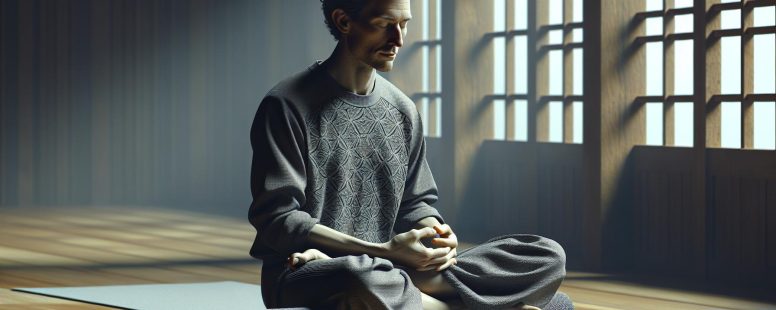
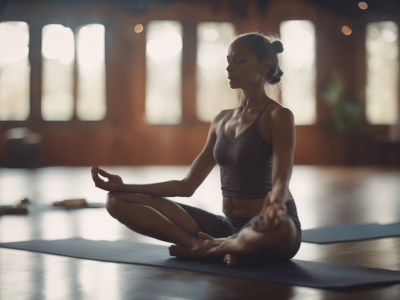
Ever found yourself tangled in the intricate web of yoga styles, wondering what sets one apart from another? Let’s unravel that mystery together as we jump into two profoundly calming practices: Yin and Restorative Yoga. You might’ve heard their names tossed around in your local studio or seen them on a class schedule but understanding how they differ can be quite puzzling.
Yin and Restorative Yoga may seem similar at first glance – both promote relaxation, mindfulness, and flexibility. But there’s more beneath the surface than meets the eye! Whether you’re an experienced yogi looking to deepen your practice or a beginner eager to explore new horizons, this article will shed light on these unique forms of yoga with clarity and precision. So unroll your mat, take a deep breath… let’s begin on this enlightening journey together.
Understanding Yin Yoga
Delving deeper into the area of yoga, let’s unravel the enigma that is Yin Yoga. This unique style exhibits its own set of principles and poses, offering distinctive benefits to practitioners.
Origins and Principles
Yin Yoga traces its roots back to Taoist traditions in ancient China. Unlike other styles of yoga which focus on active muscle engagement, Yin targets your body’s deep connective tissues—your ligaments, joints, bones—to increase flexibility while maintaining joint mobility.
The guiding principle here lies within its name: ‘yin’, derived from the Chinese philosophy symbolizing feminine energy—softness over hardness, stillness over movement. Accordingly, this form emphasizes passive postures held for prolonged periods (typically three to five minutes). During these extended holds you’re encouraged not just stretch but also cultivate inner silence by allowing gravity do most work instead forcing effort through muscular strength or aerobic activity.
While some may see it as an easy practice due their slow-paced nature remember there are no shortcuts when comes yin- it requires patience discipline allow true transformation take place both physically mentally!
Common Poses and Techniques
In a typical Yin session expect less vigorous sequences more contemplative ones such Dragonfly Pose Butterfly pose Sphinx reclining twist among others all designed target specific areas encourage better flow qi life force throughout entire system leading enhanced well-being overall health benefit long term.
Understanding Restorative Yoga
Jump into the soothing world of restorative yoga, a practice rooted in gentle postures and relaxation techniques that nurture both body and mind.
Origins and Principles
Restorative yoga stems from Iyengar tradition. B.K.S Iyengar, its founder, introduced this form of yoga to help people recover from injuries or illnesses using props for support during poses. The principles lie in achieving physical, mental, and emotional relaxation with accurate alignment. It’s about comfort over effort; hence you’ll spend most of your time lying on bolsters or blankets instead of straining yourself through challenging positions.
Common Poses and Techniques
In a typical restorative class expect poses like Child’s Pose (Balasana), Reclining Bound Angle Pose (Supta Baddha Konasana) , Legs-Up-The-Wall pose(Viparita Karani). They’re held longer than traditional asanas – usually 5 minutes or more allowing deep tissue stretching while focusing on breathwork.
The use of props distinguishes these sessions: Bolsters assist in providing full-body support while blocks elevate certain body parts to ensure proper alignment – promoting utmost tranquility within each posture.
You might be surprised at how much can happen when it seems like nothing is happening! With continuous practice comes enhanced flexibility minus excessive muscular strain—an ideal approach if peace rather than power forms your primary goal!
Key Differences Between Yin and Restorative Yoga
Yin and restorative yoga, though similar in their slow-paced nature, differ significantly on a few key factors. Let’s dive deeper into these distinctions.
Intensity and Purpose
When it comes to the intensity of postures, yin yoga usually takes precedence. In this practice, you’d often find yourself holding positions that target your deep connective tissues for longer periods – upping both physical exertion levels as well as mental concentration requirements. The aim? To enhance joint mobility while fostering inner silence and transformation; truly embodying ‘yin’ energy principles at work!
Contrastingly, restorative yoga keeps its focus squarely on relaxation techniques through gentle postures – an ideal fit if peace is what you’re after! This Iyengar-rooted discipline employs strategic alignment using props to promote holistic relaxation across body, mind & emotion zones without over-taxing muscles.
Duration of Poses
In terms of pose duration too there exist notable differences between the two practices. Yin practitioners can expect to hold passive poses like Dragonfly or Sphinx anywhere from one minute up till twenty minutes! It’s about surrendering oneself completely towards achieving flexibility enhancement with each passing moment.
On the flip side for our restoratives out there: imagine comfortably lounging around in Child’s Pose or Legs-Up-The-Wall pose supported by cozy bolsters & blocks…for 5-20 blissful minutes straight! These extended durations are designed specifically so your muscles have ample time for thorough stretching coupled with effective breathwork execution.
Equipment and Props
Equipment-wise also things don’t stay identical between yin & restoration either: yes both use various aids but how they do differs markedly!
Benefits of Each Yoga Style
Now that we’ve distinguished the differences between Yin and Restorative yoga, let’s investigate into their individual benefits. Each style offers unique physical and mental rewards to enhance your overall well-being.
Physical and Mental Benefits of Yin Yoga
Yin Yoga is a deep jump into tranquility with its long-held passive postures targeting the body’s connective tissues. These poses bring about increased flexibility in your joints, particularly around hips, pelvis, lower spine—areas often stiffened due to prolonged sitting or standing.
One major benefit lies in improving circulation. By stretching connective tissue around joints (especially knee joint), blood flow enhances across these areas resulting in better organ functionality including heart health[^1^].
Mentally speaking, it cultivates patience within you as each pose can be held for up to 20 minutes—an exercise not just for muscles but also discipline over mind[^2^]. The focus on breathwork promotes inner silence helping manage stress levels effectively.
On top of this are cognitive perks such as enhanced concentration span & mindfulness which play pivotal roles in bolstering memory power^[3].
Physical and Mental Benefits of Restorative Yoga
Restorative yoga serves restful relaxation where supported poses become an oasis amid hectic routines—it’s like hitting life’s pause button!
Physically , holding gentle postures using props reduces muscular tension thereby easing chronic pain conditions like fibromyalgia[4]. Your spinal alignment betters thanks to support from bolsters ensuring minimum strain on back muscles while enhancing posture[5] . Also , deeper breathing during extended holds optimizes oxygen uptake so rejuvenating entire bodily systems [6].
The mental payoff? Deeper sense of calmness washes over you as slow-paced practice helps curb anxiety& depression symptoms by balancing nervous system activity [7] .
Also,the emphasis on comfort rather than stretch provides an opportunity – much needed one- for self-nurturing, promoting emotional well-being [8].
Choosing the Right Yoga for Your Needs
Selecting an appropriate yoga style depends on individual preferences, goals, and physical conditions. Let’s dive deeper into what factors you might consider when deciding between Yin and Restorative Yoga.
Factors to Consider
When selecting a type of yoga that best fits your needs, it’s crucial to take into account various elements:
Fitness Level: If you’re physically active with good flexibility, Yin Yoga provides an intensive workout targeting deep connective tissues. For those looking for gentle exercises emphasizing relaxation techniques – Restorative Yoga is ideal.
Stress Levels: You may prefer restorative poses if stress relief tops your list since this form engages parasympathetic nervous system activation which aids in de-stressing.
Health Conditions: Certain health issues like back pain or arthritis could influence your choice. People suffering from these ailments often find comfort in supported postures characteristic of Restorative Yoga.
Recommendations for Beginners
If you are new to the world of yoga:
Start Slow: It’s beneficial to begin with slower-paced styles such as Hatha or Gentle Vinyasa before moving onto more challenging types including Ashtanga or Power Flow.
Try Different Styles: Sampling different styles allows understanding which resonates most effectively with personal fitness levels and overall objectives.
Attend Classes: Learning under expert guidance ensures proper alignment avoiding potential injuries while making progress at a steady pace.
Conclusion
You’ve journeyed through the calm waters of Yin and Restorative Yoga. With Yin’s focus on connective tissues, it’s perfect for those seeking flexibility, improved circulation, patience or enhanced mental concentration. On the other hand, if you’re craving a more relaxed practice that promotes spinal alignment while fostering deeper breathing and emotional wellness – look no further than Restorative Yoga.
Remember to weigh your options considering factors like fitness level stress levels and health conditions before choosing one over another. As beginners dipping toes into this vast yoga ocean start slow with styles such as Hatha or Gentle Vinyasa can be beneficial.
Your path in yoga is unique so try different styles till you find what fits best but always under proper guidance for correct alignment. Embrace these practices soak up their benefits knowing each pose brings tranquility balance strength wisdom peace…and much more!
To provide the best experiences, we use technologies like cookies to store and/or access device information. Consenting to these technologies will allow us to process data such as browsing behaviour or unique IDs on this site. Not consenting or withdrawing consent, may adversely affect certain features and functions.
Functional
Always active
The technical storage or access is strictly necessary for the legitimate purpose of enabling the use of a specific service explicitly requested by the subscriber or user, or for the sole purpose of carrying out the transmission of a communication over an electronic communications network.
Preferences
The technical storage or access is necessary for the legitimate purpose of storing preferences that are not requested by the subscriber or user.
Statistics
The technical storage or access that is used exclusively for statistical purposes.The technical storage or access that is used exclusively for anonymous statistical purposes. Without a subpoena, voluntary compliance on the part of your Internet Service Provider, or additional records from a third party, information stored or retrieved for this purpose alone cannot usually be used to identify you.
Marketing
The technical storage or access is required to create user profiles to send advertising, or to track the user on a website or across several websites for similar marketing purposes.