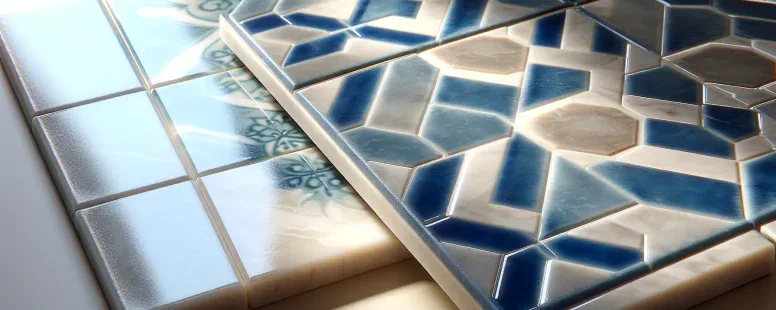
Picture your dream space—the cool touch of tile underfoot the subtle gleam catching the morning light. You’re ready to transform your kitchen or bathroom but the choice between ceramic and porcelain tile feels like a crossroads. Each promises durability and style yet the differences hide in the details like a secret waiting to be discovered. why some tiles shrug off muddy footprints while others whisper elegance with every step? The answer isn’t just about looks or price. There are hidden perks—like surprising resilience against water or the uncanny ability to mimic natural stone—that can make all the difference in your home. As you weigh your options you’ll find that the right tile isn’t just a surface decision—it’s the foundation for years of comfort and beauty.
Understanding Ceramic and Porcelain Tiles
Ceramic and porcelain tiles both transform rooms, yet their core differences affect performance and longevity. You’ll spot these subtleties in kitchens and bathrooms where style and practicality collide.
Key Differences Between Ceramic and Porcelain Tiles
Ceramic and porcelain tiles differ mostly in density, absorption, and strength. Porcelain tiles, like those found in busy train stations, resist moisture better and their hard surface handle heavy foot traffic. Ceramic, commonly used on indoor walls or light-use floors, feel lighter and slightly more porous. Porcelain absorbs less than 0.5% water (ANSI A137.1), while ceramic absorbs more, making porcelain less likely to crack in freeze-thaw cycles.
Manufacturers usually label porcelain specifically, but it’s smart to check for “porcelain certified” on packaging. Real estate agents often state that homes with porcelain tiles in entryways fetch higher appraisals, attributing it to durability and less wear over decades.
Manufacturing Process and Materials
Ceramic and porcelain tile production both start with fired clay mixtures but diverge in both pressure and temperature during process. Porcelain clay contains finer particles and fired at temperatures above 1200°C, resulting in a denser, glassier body. Ceramic, usually fired at 1000–1100°C, feels slightly rougher and sometimes lighter in color. Some builders recall the deeper “ping” sound porcelain tiles make when tapped—a testament to their vitrified structure.
Anecdotes from installers underline the impact of these differences: one installer recalls how a dropped hammer chipped the ceramic bathroom wall tile, but in another project, the same impact left barely a mark on a porcelain kitchen floor. If you’re asking, “Why pay more, when both look the same?”—porcelain’s toughness makes the difference, especially where water or impacts are daily realities.
Questions about climate or installation surface often tilt the decision: Are you tiling an outdoor patio in Chicago, where winter’s freeze presses in? Go with porcelain. Installing a colorful backsplash in your laundry room? Ceramic’s wider design palette, combined with less stress from moisture, lets you get creative. Both types share clay and minerals as core semantic entities, but only porcelain’s recipe undergoes greater refinement and rigor in its kiln journey.
Performance and Durability Comparison
Both ceramic and porcelain tile offer resilient surfaces, but their specific performance traits often determine where each excels in your home. In high-traffic areas or places prone to moisture, subtle differences in tile structure could make a significant impact on maintenance and appearance.
Water Resistance and Stain Proofing
Porcelain tile gives a stronger shield against water and stains compared with ceramic tile. This advantage comes from porcelain’s dense, non-porous body, which minimize water absorption to below 0.5%, according to the Porcelain Tile Certification Agency (PTCA). In settings like a bathroom floor, a porcelain tile repels spills and mud better—so you might clean less often.
Ceramic tiles, which typically soak up more water due to a more porous structure, sometimes show coffee stains or mildew faster, particularly on kitchen backsplashes or shower walls. But, if you install ceramic tile in a low-humidity hallway, this absorption barely matters. A designer once shared how a vintage ceramic kitchen backsplash took on shaded hues after years of exposure, adding unexpected character, while porcelain stayed unchanged.
Strength and Longevity
Porcelain tile delivers superior resistance to chips, cracks, and deep scratching, thanks to the high-temperature kiln process that binds feldspar and refined clay. This makes porcelain suited for commercial floors or busy homes with heavy furniture. Some luxury hotels report 10+ year periods with minimal visible wear on their porcelain lobby floors.
Ceramic tile, while durable for indoor walls or bedrooms floors, may chip if you accidentally drop a heavy tool or pan. If your family hosts big gatherings or kids play soccer indoors, the denser porcelain handles impact better. Still, ceramic tile holds up fine in quieter, low-impact environments. With regular cleaning and proper grout, both tile types have been shown in case studies to maintain their surface for over a decade.
Attribute
Porcelain Tile
Ceramic Tile
Water Absorption
<0.5% (PTCA)
5-10% typical
Resistance to Stain
High (dense surface, fewer pores)
Moderate (porous, stains may settle)
Chip Resistance
Excellent (commercial, outdoor usage)
Good (light domestic use, indoor placement)
Life Expectancy
25+ years (intensive settings)
15-20 years (well-maintained interiors)
Choosing between ceramic and porcelain could seem like picking between an old leather-bound novel and a new, waterproof e-reader: both has unique value, but their strengths reveal themselves in the right context.
Design and Style Options
Design flexibility influences your tile selection as much as performance. Surface visuals, tactile feel, and compatibility with design schemes drive many homeowners’ final decisions in kitchens and baths.
Range of Colors and Patterns
Ceramic tiles display expansive color palettes, offering bold primaries, understated earth tones, and everything in between. For example, you find hand-painted florals in Spanish hacienda kitchens, or matte mint subway tiles in modern bistros. Porcelain tile designers push versatility further by replicating natural materials like Calacatta marble, slate, and aged wood with surprising realism (source: Architectural Digest). High-definition printing captures striations of Carrara or fossil traces in travertine for a luxury effect without hefty maintenance.
Some wonder, doesn’t porcelain’s design range seem limited by those stone and wood looks? , the latest digital glazing innovations let you buy wild geometric patterns, metallic effects, or intricate mosaics in both tile types. It’s often the degree of sharpness and complexity where porcelain excels, since the denser body handles finer inkjet details without blurring. Have you noticed how a trendy honeycomb mosaic in porcelain retains crisp grout lines, even after years in a busy entry hall?
Surface Textures and Finishes
Surface finish alters both your room’s character and the way you experience tile underfoot. Glossy ceramics deliver a light-bouncing sheen (think sunlit pool houses), while matte ceramics helps soften visual glare in spaces filled with large windows. Slip-resistant finishes become possible when manufacturers emboss or sandblast the surface—important in groceries, gyms, or homes with pets.
Porcelain offers a tactile spectrum, from the polished luster of a hotel lobby to the rugged feel of stone pavers in European courtyards. Some designers recall projects where textured porcelain perfectly mimicked hand-chiseled limestone on a fireplace surround, fooling guests on first touch. These textures rarely wear down because the pattern saturates the full tile thickness, rather than staying on top. Would you trust your mudroom floor to keep its grip and realism after muddy boots and snowmelt? Most choose porcelain for durability, though both types offer anti-slip ratings suitable for safety codes (see ANSI A137.1-2022).
In spaces where design cohesion matter, tile options shouldn’t box you in. Mix glossy and matte, woodgrain and concrete—both materials offer enough style options to turn your floors or backsplashes into memorable visual stories.
Installation and Maintenance Factors
Selecting between ceramic tile and porcelain tile shapes not only your floor’s look but also the journey you’ll face during installation and daily upkeep.
Ease of Installation
Installing ceramic tiles often feels like putting together a puzzle with slightly chunky pieces—each tile sits a bit lighter in your hands, easier to cut with basic tile tools, and forgiving if you miss a measurement by half an inch. Many DIYers favor ceramics for weekend projects thanks to their lower density. Homeowners in Austin, for example, often recount breezing through ceramic kitchen upgrades, handling scoring and snapping with just a manual cutter.
Porcelain tile, by contrast, brings a different story—picture wrestling with a heavier, denser material that demands diamond-tipped blades for every turn. Although it’s tougher, that resilience means edges chip less and patterns align truer. Professional installers, especially in humid cities like Miami, often lean towards porcelain in bathrooms because the material resists water regardless of grout tightness. If you ever watched a crew cut porcelain, you might notice them moving with surgical precision, never rushing, because a shattered tile means a wasted $5–$12 a square foot.
Contractors from large NYC renovations often report that porcelain’s density may add 15% more labor time and extra tool wear, impacting both timelines and costs. If fast, flexible DIY is your goal, ceramic tiles keeps things simple. When long-term durability edges out installation speed, porcelain stays in the lead.
Cleaning and Upkeep Requirements
Cleaning and upkeep requirements for ceramic and porcelain tiles highlight that small differences can snowball into daily habits. Ceramic tile typically sports a protective glaze that acts as a shield, but softer ceramic means more microscopic pores—meaning muddy paw prints and salsa stains sometimes find a home if you don’t wipe quickly. If you’re hosting guests, those surface blemishes might catch the light and throw off a freshly cleaned feel. Regular cleaning with pH-neutral cleaners keeps ceramics vibrant, but avoid harsh chemicals that can dull the finish.
Porcelain tile ups the ante: denser structure and lower porosity mean coffee spills bead up like rain on a duck’s back. In busy households or pet-heavy apartments, people appreciate how porcelain shrugs off red wine, muddy boots, or toddler fingerprints (source: The Spruce, 2023). Maintenance is rarely more than a quick sweep and occasional mop with diluted soap—there’s hardly room for stubborn stains to dig in. Even grout lines tend to hold less grime since moisture rarely seeps beneath the surface.
Yet, some might find porcelain’s toughness a double-edged sword; its glossy finishes can show smudges and water spots easier, calling for a microfiber sweep more often. And should you ever chip a porcelain tile, matching the finish can pose a challenge due to tightly controlled glaze formulas.
In both tile types, regular grout sealing extends their fresh-as-new look. When you walk barefoot across your kitchen or bathroom and feel the cool tile beneath, you’re really experiencing the result of those subtle installation and maintenance choices.
Cost Considerations
You’re standing in a bustling tile showroom, glazed options sparkling under fluorescent light, and you just wonder: does your wallet decide for you, or do you decide for your wallet? Cost splits the path open before you, revealing subtle trade-offs with every step—every texture, every finish, every quietly-told story that every surface holds.
Price Differences
Ceramic tile typically falls in the $1–$7/ft² range, while porcelain tile often runs $3–$10/ft², and that’s before installer fees set boots on your floor (HomeAdvisor, 2023). If you glance down sprawling warehouse aisles or scroll through e-commerce selections, you’ll spot glamorous porcelain slabs nestled near budget ceramic mosaics—each signaling possibilities for kitchens, bathrooms, even sunrooms battered by muddy boots. Why the gap?
Manufacturing process, material density, and finish complexity drive price up for porcelain. Vitrified clay, pressed harder, baked hotter—porcelain emerges tougher, less porous, sometimes looking like stone lounging in a spa. That refined quality makes some buyers wonder if ceramic seems like the “entry-level” option, yet those glossy rectangles have clothed the kitchens of both city apartments and farmhouse manors for decades.
Have you ever asked a tile shop veteran which gets picked more? Some mention new homeowners grab ceramic for their first flip, reveling in the low sticker price, while established renovators lean into porcelain’s longer game—especially where rainy boots or pets play rough on the floor. Still, if you usually change décor before grout yellows, or if you crave an affordable way to bring color into kids’ bath, ceramic fits.
Tile Type
Purchase Cost ($/ft²)
Typical Installation ($/ft²)
Example Use Cases
Ceramic
1–7
5–10
Accent walls, laundry rooms
Porcelain
3–10
6–15
Entryways, pool surrounds
Long-Term Value
Long-term value measures more than just the price tag—it’s the sum of durability, maintenance, and renovation rhythm. Porcelain, denser and less porous, usually handles decades of dropped pans, sliding chairs, and sopping towels with a steady calm (The Spruce, 2023). That means less water sneaks into the subfloor, fewer chips punctuate the slab, and replacement comes rarely.
Think of it this way: ceramic is the road bike coasting on smooth pavement, affordable and agile, while porcelain is the all-terrain bruiser barreling down rough trails. You might save hundreds today opting for ceramic in a sunny nook, but risk replacing chipped corners in three to four years if heavy objects tumble or kids’ toys crash down. Conversely, porcelain, though steeper in up-front price, rarely demands patching, especially in high-traffic zones, sometimes looking nearly untouched after a decade or more.
Depending on the neighborhood’s taste, appraisers sometimes note porcelain floors as value-boosters in real estate listings. One renovator in Minneapolis swapped out patchworked ceramic for sleek porcelain in a rental and watched unit rents climb by $150/month, simply because the new finish withstood winter salt and muddy boots.
Is it worth paying more now to dodge headaches later, or does your lifestyle let you pocket the savings and refresh design later? Each choice, echoing back through years of morning coffee spills and dance-party nights, leaves a record in your home’s character and your wallet’s memory.
Which Is Better Ceramic or Porcelain Tile: Final Verdict
You face the ceramic versus porcelain tile debate each time you step into a home improvement aisle or scan kitchen inspirations on Pinterest. Porcelain tile brings a kind of stoic confidence—think of it as the marathon runner of floor surfaces, outlasting high-traffic days, muddy shoes, and accidental spills. The dense structure of porcelain, made by firing at over 2,200°F and using refined kaolin clay, gives it near water-imperviousness according to the TCNA [Tile Council of North America]. You see porcelain standing strong in fancy hotel lobbies in Manhattan, where 300,000 people cross the room each year. But you also find it in suburban kitchens where its non-slip texture prevents slips after a surprise pet bath.
Ceramic tile, while less rigid, charms with its broad color spectrum—have you ever admired that teal backsplash in your neighbor’s kitchen? That’s ceramic, hand-glazed for depth and warmth. It’s lighter, easier to cut, and cheaper, which helped Jack and Maria (San Diego, CA) redo their guest bathroom for under $600 without hiring a pro. Those creative patterns—think Moroccan medallions or zigzag herringbone mosaics—live on ceramic, because the softer composition takes custom glazes better.
If you ask an installer, you hear stories about chipped ceramic edges under flying spoons in busy diners, while porcelain remains pristine after restaurant remodels. Maintenance also draws a line. Porcelain tile resists stains from spilled red wine, while ceramic tiles may need some elbow grease a with soft brush and a mild detergent to tackle tomato sauce. Studies by Consumer Reports suggests porcelain holds up to freeze-thaw cycles (outdoor patios), unlike ceramic, which can crack when water seeps and freezes inside.
Price rarely tells the whole story. Tile industry data shows ceramic tile projects often cost up to 45% less on materials but possibly twice as much on repairs, if installed in the wrong location. So, you’re not just picking a tile—you’re kind of betting on how your home will evolve. Is your kitchen a battleground for four kids and two Labrador retrievers? Porcelain. Do you remodel for style, often swapping out trendy backsplashes? Ceramic.
Would your entryway survive a slushy winter with only a $2 tile? Consider traffic patterns, climate, and how much time you’ll wishes to spend scrubbing each month. No one model fit every home, but with the right strategy you escape both future regrets and emergency plumber calls. If you have experienced both, what story does your floor tells about your lifestyle?
Conclusion
Your choice between ceramic and porcelain tile comes down to more than just looks. Think about where you’ll be installing the tile and how much wear and tear it’ll face over the years.
Weigh the benefits of durability against style preferences and installation needs. By considering your lifestyle and the demands of each space you’re renovating, you’ll make a decision that brings lasting value and satisfaction to your home.
To provide the best experiences, we use technologies like cookies to store and/or access device information. Consenting to these technologies will allow us to process data such as browsing behaviour or unique IDs on this site. Not consenting or withdrawing consent, may adversely affect certain features and functions.
Functional
Always active
The technical storage or access is strictly necessary for the legitimate purpose of enabling the use of a specific service explicitly requested by the subscriber or user, or for the sole purpose of carrying out the transmission of a communication over an electronic communications network.
Preferences
The technical storage or access is necessary for the legitimate purpose of storing preferences that are not requested by the subscriber or user.
Statistics
The technical storage or access that is used exclusively for statistical purposes.The technical storage or access that is used exclusively for anonymous statistical purposes. Without a subpoena, voluntary compliance on the part of your Internet Service Provider, or additional records from a third party, information stored or retrieved for this purpose alone cannot usually be used to identify you.
Marketing
The technical storage or access is required to create user profiles to send advertising, or to track the user on a website or across several websites for similar marketing purposes.