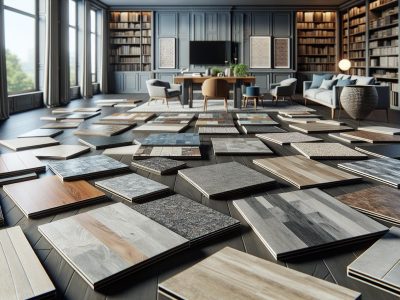
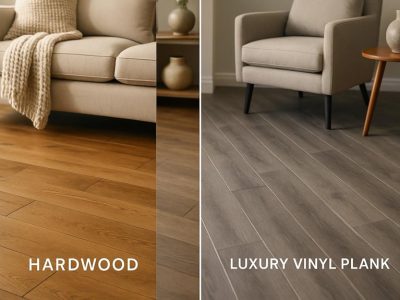
Picture this: you’re standing in a flooring showroom, surrounded by endless options, and two terms—LVT and LVP—keep popping up. They sound similar, almost interchangeable, but are they really the same? Choosing the perfect flooring for your space isn’t just about looks; it’s about durability, functionality, and how it fits your lifestyle. That’s where understanding these two materials makes all the difference.
Luxury Vinyl Tile (LVT) and Luxury Vinyl Plank (LVP) are both part of the luxury vinyl family, but they’re designed with distinct purposes in mind. Whether you’re envisioning sleek tiles that mimic stone or wood planks that bring warmth to a room, knowing the key differences can save you time, money, and potential regret. Let’s uncover what sets them apart so you can make an well-informed choice that elevates your space.
What Are LVT and LVP?
Luxury Vinyl Tile (LVT) and Luxury Vinyl Plank (LVP) are popular flooring options designed to mimic natural materials like wood, stone, or ceramic. Both provide durability and design flexibility while being cost-effective alternatives to traditional flooring materials.
Definition of LVT
LVT, or Luxury Vinyl Tile, replicates the look and feel of natural stone or ceramic tiles. It’s composed of multiple layers, including a printed design layer and a protective wear layer that resists stains and scratches. Sizes typically come in square or rectangular tiles, making it ideal for spaces like kitchens or bathrooms where stone-look flooring is preferred.
For instance, you can use LVT to recreate the appearance of marble or slate without the higher cost or maintenance. LVT often features textured surfaces that enhance its resemblance to real stone, providing a premium aesthetic at a fraction of the price.
Definition of LVP
LVP, or Luxury Vinyl Plank, is designed to simulate the appearance of hardwood flooring. Like LVT, it incorporates several durable layers, but its plank-style format mirrors traditional wood planks. Widths and lengths vary, giving you several customization options for laying patterns, such as herringbone or diagonal designs.
This option works well in living rooms, bedrooms, or open spaces where wood-look flooring complements contemporary or rustic interiors. For example, LVP can replicate oak, maple, or even exotic hardwoods like Brazilian cherry while being more water-resistant and budget-friendly than natural wood.
Key Differences Between LVT and LVP
Understanding the differences between LVT and LVP helps you select the perfect flooring for your space. Both options share similarities but cater to specific preferences and functional needs.
Material Composition
LVT is made to resemble stone or ceramic tiles, consisting of PVC layers with a high-quality image layer beneath a transparent wear layer. This structure ensures durability and a realistic tile-like appearance.
LVP mimics hardwood flooring and uses a similar layered PVC construction. The photographic layer replicates the grain patterns and textures of wood. Its format differentiates it as long, plank-style pieces.
Appearance and Texture
LVT offers a natural stone or tile-like texture, giving spaces a premium, sophisticated feel. You’ll find it in designs ranging from marble to slate, enhancing areas like bathrooms or kitchens.
LVP delivers the warmth of wood flooring, with realistic knots and grains. Its plank format and textured surface provide an authentic hardwood experience, suitable for living rooms or bedrooms. Both options are available in a variety of finishes and styles for design flexibility.
Installation Methods
Installation methods for both include glue-down, click-lock, or loose-lay systems. LVT’s often lighter weight and smaller dimensions make it easier to handle during tile-by-tile installations.
LVP, being longer and wider, fits tightly and seamlessly, creating a floating-floor effect when using click-lock systems. Both options cater to DIY enthusiasts due to their user-friendly designs.
Durability and Maintenance
LVT resists water, stains, and scratches, making it ideal for high-traffic or moisture-prone zones. Routine cleaning involves sweeping or mopping, ensuring its appearance remains intact.
LVP shares similar water-resistance and scratch resistance, but it’s slightly more forgiving with heavy impacts. Its durability aligns with households that have pets or children. Maintenance simply involves cleaning spills promptly and using non-abrasive floor cleaners.
Pros and Cons of LVT and LVP
Luxury Vinyl Tile (LVT) and Luxury Vinyl Plank (LVP) offer various benefits and drawbacks, which can influence your flooring decision based on your needs and preferences.
Advantages of LVT
Design versatility stands out as a key benefit of LVT. Its ability to mimic natural stone or ceramic tiles provides a sophisticated appearance, suitable for modern or traditional styles. For example, LVT can replicate marble or slate patterns, adding elegance to kitchens and bathrooms.
Durability makes LVT ideal for high-traffic zones. Layers of PVC and a wear-resistant topcoat allow it to withstand frequent use without losing its aesthetic appeal. Moisture resistance ensures longevity in damp spaces like laundry rooms.
Ease of maintenance simplifies cleaning routines. Regular sweeping and occasional damp mopping keep LVT looking new. Its stain resistance reduces damage from spills, making it low-maintenance compared to natural stone.
Advantages of LVP
Realistic wood appearance enhances the warmth and style of your living space. LVP convincingly imitates various wood species, such as oak or walnut, at a fraction of the price of hardwood.
Water resistance makes LVP practical in homes with children or pets. Unlike traditional wood, it tolerates spills and humidity, reducing the risk of warping. This trait is especially useful in areas like entryways or dining rooms.
Comfort underfoot adds value to LVP. The softer texture compared to hardwood provides a more comfortable walking experience, particularly in bedrooms or family rooms where you spend extended periods.
Potential Drawbacks of Both
Susceptibility to sharp objects can be a concern. While durable, LVT and LVP can be scratched by heavy furniture or sharp tools. For example, dragging a couch may leave visible marks without protective pads.
Limited repair options create challenges. Damaged sections often need full replacement, as spot repairs may not seamlessly blend. This factor increases material waste and long-term costs.
Environmental impact concerns may arise. Both options involve PVC production, which isn’t eco-friendly. If sustainability is a priority, consider alternatives like cork or bamboo.
Choosing Between LVT and LVP
Selecting between Luxury Vinyl Tile (LVT) and Luxury Vinyl Plank (LVP) depends on various factors like the room’s purpose, design preferences, and required durability. Both options offer unique benefits.
Factors to Consider
Room usage influences your choice. LVT is ideal for moisture-prone areas, like bathrooms or kitchens, while LVP suits living rooms or bedrooms seeking a warm, wood-like feel. For high-traffic spaces, prioritize thickness and wear-layer ratings for durability.
Budget also plays a role. LVP often costs slightly less than LVT due to simpler patterns, but differences vary by manufacturer. Compare total installation costs, including materials and labor.
Ease of installation matters. Click-lock LVP planks give DIY enthusiasts an option, while LVT with adhesive backing may require professional help in larger spaces. Subfloor conditions, such as uneven surfaces, also affect installation success.
Best Applications for Each
LVT works well in areas requiring waterproof materials. Use it for spaces combining moisture and heavy usage, such as mudrooms or entryways. Its stone or ceramic look complements sleek, modern designs.
LVP fits traditional or rustic interiors aiming for a hardwood resemblance. Install it in home offices, family rooms, or basements needing both comfort and water resistance. Its layered construction ensures durability, even in spaces with kids or pets.
Conclusion
When deciding between LVT and LVP, it all comes down to your specific needs, style preferences, and the demands of your space. Each option offers unique benefits that cater to different environments, ensuring you can achieve both functionality and aesthetic appeal.
By understanding the strengths and limitations of LVT and LVP, you’re better equipped to choose the perfect flooring solution for your home. Whether you prioritize durability, water resistance, or a stunning design, both options provide reliable and stylish alternatives to traditional materials.
To provide the best experiences, we use technologies like cookies to store and/or access device information. Consenting to these technologies will allow us to process data such as browsing behaviour or unique IDs on this site. Not consenting or withdrawing consent, may adversely affect certain features and functions.
Functional
Always active
The technical storage or access is strictly necessary for the legitimate purpose of enabling the use of a specific service explicitly requested by the subscriber or user, or for the sole purpose of carrying out the transmission of a communication over an electronic communications network.
Preferences
The technical storage or access is necessary for the legitimate purpose of storing preferences that are not requested by the subscriber or user.
Statistics
The technical storage or access that is used exclusively for statistical purposes.The technical storage or access that is used exclusively for anonymous statistical purposes. Without a subpoena, voluntary compliance on the part of your Internet Service Provider, or additional records from a third party, information stored or retrieved for this purpose alone cannot usually be used to identify you.
Marketing
The technical storage or access is required to create user profiles to send advertising, or to track the user on a website or across several websites for similar marketing purposes.