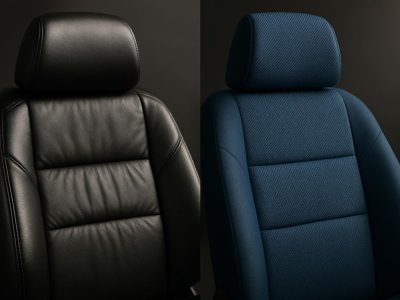
Picture sliding behind the wheel of a shiny new car—feeling the smooth leather, hearing the engine purr, and knowing it’s yours. But is owning that dream ride really the best move? Or could leasing offer a smarter, more flexible path to hitting the road?
Choosing between buying and leasing isn’t just about monthly payments. It’s about your lifestyle, financial goals, and how you want to experience driving. Whether you crave the freedom of ownership or the thrill of always having the latest model, the decision can shape your journey in unexpected ways.
Jump into the surprising perks and hidden costs of both options to discover which one truly fits your driving style and budget. Your perfect ride might be closer than you think.
Understanding Car Buying and Leasing
Making a smart choice between buying and leasing a car means knowing what each path really involves. Both carry distinct advantages and responsibilities that influence your driving experience and wallet differently.
What It Means to Buy a Car
Buying a car means you own it outright once the payment or loan ends. Ownership brings the freedom to drive how much you want and modify the vehicle as you please. For example, if you enjoy customizing your ride, buying lets you add performance upgrades or cosmetic changes without restrictions. You gain an asset whose resale value may recover part of your investment, but you also shoulder maintenance costs as the car ages. According to Kelley Blue Book, the average car depreciates 20% to 30% within the first year, making timing your sale crucial to maximize value. When you buy, consider whether you plan to keep the car for several years, making the higher upfront costs worth it in long term savings.
What Leasing a Car Entails
Leasing a car typically involves lower monthly payments but with set limits on how much you can drive annually and on maintenance. A lease is a long-term rental contract where you “borrow” the vehicle for two to four years. You return the car in good condition or face fees that can surprise many lessees. Picture leasing a luxury vehicle you’d never afford to buy outright but can afford to drive for a few years—leasing offers that kind of accessibility. Consumer Reports highlights leasing benefits for drivers who prefer a new car every few years and want to avoid the hassle of selling a used car. But, leases include mileage caps—typically 10,000 to 15,000 miles per year—and excess charges exceed these limits sharply. If your lifestyle involves heavy commuting or road trips, a lease might end up costing more due to those penalties.
Your choice between buying and leasing rests on priorities: Are ownership and long-term savings more important, or do you value flexibility and lower monthly cash flow? Critical thinking means weighing not just the monthly check but the overall lifestyle match. Which option drives you closer to your financial and personal goals?
Financial Considerations
You face key financial factors deciding whether to buy or lease a car. Understanding upfront costs, long-term expenses, and tax implications helps align the choice with your budget and goals.
Upfront Costs and Monthly Payments
When you buy a car, expect to pay a larger down payment or the full price if buying outright. Loan interest adds to monthly payments, which tend to be higher but end after the financing term. Leasing starts with lower upfront fees and smaller monthly payments, often about 30-50% less than buying. But, leases charge fees for exceeding mileage limits or excessive wear. For example, if you drive 15,000 miles a year but your lease allows only 12,000, those extra miles will add expensive penalties. Consider your driving habits carefully before committing. Financially, leasing suits those wanting lower monthly cash flow, while buying fits those who want to stop payments after a few years and own the vehicle.
Long-Term Costs and Depreciation
Ownership includes paying for maintenance and repairs, especially after the warranty expires. Depreciation hits vehicle value hardest in the first 3-5 years, slashing resale value by 40-60%. Leasing sidesteps depreciation since at lease end, you return the car without losing money to value drops. But it means you never own the car or build equity. For example, buying a $30,000 sedan might cost you $18,000 after three years in resale, whereas leasing the same car could mean paying $12,000 total over three years but no asset left. Long-term, buying might save money if you keep the car 7+ years, while leasing suits those favoring frequent upgrades and predictable costs.
Tax Benefits and Incentives
Tax advantages vary by state and situation. Leasing often allows you to write off part of the payments if used for business, lowering taxable income. Buying offers depreciation deductions but involves complex calculations and limits. Incentives like rebates and low-interest financing commonly apply to purchases, decreasing the effective price. For instance, manufacturers may offer $3,000 cash-back on buying but less on leasing, impacting overall cost-effectiveness. Research local laws and consult a tax professional to understand which benefits apply to you. Ignoring these could blindside your finances or cause missed savings.
Most importantly, balance your lifestyle and financial stance with these factors. Do your math, weigh pros and cons, and don’t rush into signing any contract. Your best financial path depends less on common wisdom and more on your unique needs, driving patterns, and future plans. Don’t underestimate the power of a calculated decision—it shapes your wallet as much as your wheels.
Usage and Lifestyle Factors
Choosing between buying and leasing hinges on how you use your car daily and what kind of lifestyle you lead. Paying attention to your driving habits, commitment preferences, and maintenance expectations reveals which option fits best.
Mileage Limits and Usage Restrictions
Leasing sets clear mileage caps, often 10,000 to 15,000 miles per year. If you drive extensively—for commuting, road trips, or family errands—you face potential excess mileage fees, sometimes costing 15 to 30 cents per mile (source: Edmunds). Buying puts no limits on how much you can drive, making it ideal if your lifestyle demands high mileage or unpredictable travel distances.
Picture driving 20,000 miles annually; leasing might quickly become costly and frustrating. Conversely, if your mileage stays low, leasing could offer financial advantages by avoiding long-term depreciation. Will you stay locally or frequently hit the highway? Your answer steers the choice.
Flexibility and Commitment Length
Leases typically last 2 to 4 years. This proper timeframe appeals if you enjoy switching vehicles often or crave the latest tech and safety features. Lease contracts lock you into fixed terms; exiting early often results in severe penalties, limiting flexibility.
Buying demands no contract-based commitment. You’re free to sell or trade your car anytime without penalty. But, ownership requires readiness to hold the vehicle longer to absorb depreciation costs effectively.
Suppose you expect major life changes—starting a family, relocating, job shifts—flexibility gains importance. Leasing suits those craving predictable short-term use without long-term ties. Yet, if stability matters more, buying offer secure ownership.
Maintenance and Wear-and-Tear Responsibilities
Leased cars usually stay under warranty, reducing your maintenance burden, but lessens your control over vehicle care. Excessive wear and tear fees can surprise many lessees at contract end. Scuffed interiors, minor dents, or tire wear may trigger additional charges (source: Consumer Reports).
Buying entrusts maintenance fully to you, meaning costs for repairs after warranty expiration. On the upside, you have freedom customizing and preserving the car’s condition over time. Attention to upkeep may enhance resale value, providing financial benefit.
Would you prefer peace of mind over unexpected repair bills, or take control and responsibility? Your answer clarifies priorities.
Delving beyond costs, deciding between buy or lease becomes a reflection of how your everyday life and future goals intertwine. Evaluating mileage needs, commitment preferences, and maintenance comfort ensures your choice supports your journey, not hinders it. Whether you drive miles eagerly or demand freedom from upkeep worries, your unique path points the way.
Pros and Cons of Buying vs Leasing
Deciding between buying and leasing a car often boils down to more than monthly payments. The right choice depends on how you prioritize ownership, flexibility, expenses, and lifestyle fits. Understanding the advantages and drawbacks of each path helps you steer closer to a decision that drives your needs forward.
Advantages of Buying a Car
Owning a car means you control your vehicle from start to finish. You can modify it—install custom rims, upgrade the audio system, or tint the windows—with no restrictions. Over time, you build equity in the vehicle. Selling your car after several years recovers part of your initial investment, unlike leasing where you return the car with no asset in hand. Maintenance expenses belong solely to you, which can be a drawback but sometimes also a chance to extend the car’s life through careful care.
Financially, buying often proves advantageous if you keep the car for many years. After the loan is paid off, your monthly costs drop to insurance, maintenance, and fuel alone. This long-term saving beats endless lease payments. The freedom to drive unlimited miles without fee concerns suits heavy commuters or those who enjoy road trips. According to a 2023 Edmunds study, vehicle owners tend to save up to 30% compared to lessees after five years.
Advantages of Leasing a Car
Leasing focuses on the present and near future, allowing you to drive a new, reliable model every two or three years without facing steep depreciation losses. Lower monthly payments and smaller down payments make new cars more accessible. Typically, leases include maintenance and warranty coverage through the term, sparing you unexpected repair bills. For example, if you lease a 2024 Honda Accord, you often pay less upfront than buying, and major repairs fall under warranty.
Driving a lease appeals if you prefer the latest technology, safety features, or fuel efficiency. Leasing gives a rotating door to new models, easing upgrade anxiety. Business owners benefit too; certain leases allow tax write-offs for vehicles used primarily for work. Yet, leases impose mileage caps, typically 10,000 to 15,000 miles annually. Exceeding these limits triggers extra fees which can add up if your driving habits don’t match the lease terms.
Potential Drawbacks for Each Option
Buying commits you to upfront costs including a sizable down payment and higher monthly installments. Depreciation hits hard immediately; a new vehicle loses 20% to 30% value within the first year, reducing resale returns. High maintenance costs appear once the warranty expires, potentially surprising you with expensive repairs. Reselling takes time and negotiation skills, which not everyone enjoys or can manage efficiently.
Leasing’s restrictions may feel stifling. Mileage limits can be troublesome; frequent travelers or busy families might incur thousands in penalties. Wear-and-tear charges also loom—small scratches or interior stains often cost you at lease-end inspections. Leasing offers no ownership equity; every payment goes toward usage, not investment. If you want to keep your car beyond the lease term, you usually pay a premium price or return to square one with a new lease.
Would you value the pride of ownership or the thrill of a fresh ride every few years? How does your driving style—steady or high-mileage—align with these choices? Weighing both options with these questions sharpens the direction you take.
Common pitfalls often invisible at first glance can turn good decisions sour. Lease agreements might bait with lower payments but bury concessions in fine print. Owners underestimate total costs of maintenance or fail to foresee rapid depreciation.
Evaluating your priorities pays off. Time horizon, credit health, driving habits, and financial goals form a constellation guiding your choice. Equip yourself by reviewing contracts carefully, comparing total lifecycle costs, and reflecting on personal driving patterns.
Choose your path driven by informed insight and clarity—not just monthly numbers. Your car is more than transportation; it’s an extension of your lifestyle and financial story. Let it empower you decisively.
Making the Right Choice for You
Understanding which option fits your unique needs involves balancing your finances with your driving lifestyle. You get to weigh the tangible numbers against personal habits, crafting a decision beyond just dollar signs.
Evaluating Your Financial Situation
Your wallet’s flexibility sets the stage for buying or leasing. If you value long-term investment, buying a car means building equity—you pay upfront costs like down payments and higher monthly installments, but after the loan, the car becomes your asset, potentially retaining resale value. This ownership can create financial stability in the long run, even though initial strain.
Alternatively, leasing grants lower monthly payments and less upfront money. It’s appealing if you prefer predictable expenses and newer models every few years, yet it restricts you with mileage caps and fees for wear, which can sneak up unexpectedly. Think about how much cash you’ve ready for a down payment and whether monthly payments, combined with maintenance and unexpected costs, fit your budget. According to Edmunds, maintenance cost savings with leases may be offset by penalties for exceeding mileage limits.
Ask yourself, “Does my financial picture allow for flexibility, or do I seek a long-term investment that eventually frees me from car payments?” Use tools like online auto loan calculators and lease payment estimators to run specific scenarios based on your income and spending habits—this clarifies how each path quantitatively fits you.
Considering Your Driving Habits and Preferences
Your daily routes and driving goals shape the decision. High-mileage drivers often find leases restrictive due to average limits between 10,000 to 15,000 miles per year; going beyond can result in costly charges. In contrast, car buyers drive unrestricted miles, easing concerns about penalties and allowing spontaneity in travel plans. You must honestly assess how much you drive yearly and whether you prefer changing vehicles frequently or owning a trusted car for years.
Leasing suits those who love upgrading regularly and enjoy warranty-covered maintenance—less worry, more convenience. Owning means handling repairs yourself, which may accumulate but also grants freedom to customize and keep the car as long as you want. For example, a tech enthusiast may prefer leasing to get the latest vehicle tech every few years, while a family-focused driver may lean towards buying for reliability and avoiding mileage fees.
Where do you find yourself on this spectrum? Do you crave fresh wheels often, or do you invest emotionally and financially into a long-term vehicle companion? Reflecting on these preferences kindles clearer choice-making.
By merging financial clarity with honest driving self-assessment, your decision transitions from abstract to actionable. These factors form a roadmap you navigate toward a car ownership or lease strategy personalized to your journey.
Conclusion
Choosing between buying and leasing a car depends on what fits your lifestyle and financial goals best. Whether you prioritize ownership and long-term savings or prefer flexibility and lower monthly payments, your decision should reflect your unique needs. Before you sign anything, make sure you have a strong handle on your broader financial picture — understanding the difference between saving and checking accounts and how APY compares to APR can help you evaluate financing offers with confidence. It’s also worth knowing whether a credit union or bank offers better auto loan rates for your situation. For a fuller view of major financial decisions, explore how whole life and term life insurance compare and whether a health savings account fits into your financial plan.
Take time to evaluate your driving habits, budget, and future plans before making a move. The right choice will support your journey and give you confidence behind the wheel.
To provide the best experiences, we use technologies like cookies to store and/or access device information. Consenting to these technologies will allow us to process data such as browsing behaviour or unique IDs on this site. Not consenting or withdrawing consent, may adversely affect certain features and functions.
Functional
Always active
The technical storage or access is strictly necessary for the legitimate purpose of enabling the use of a specific service explicitly requested by the subscriber or user, or for the sole purpose of carrying out the transmission of a communication over an electronic communications network.
Preferences
The technical storage or access is necessary for the legitimate purpose of storing preferences that are not requested by the subscriber or user.
Statistics
The technical storage or access that is used exclusively for statistical purposes.The technical storage or access that is used exclusively for anonymous statistical purposes. Without a subpoena, voluntary compliance on the part of your Internet Service Provider, or additional records from a third party, information stored or retrieved for this purpose alone cannot usually be used to identify you.
Marketing
The technical storage or access is required to create user profiles to send advertising, or to track the user on a website or across several websites for similar marketing purposes.