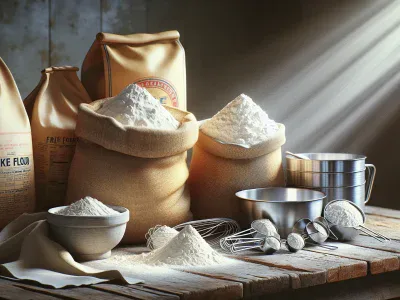
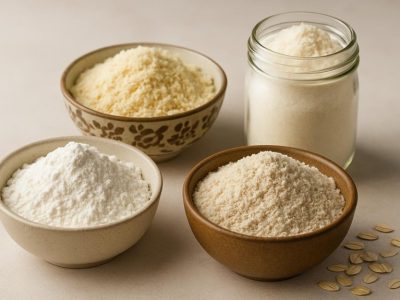
Picture the soft, warm aroma of freshly baked bread filling your kitchen. But what makes that bread so tender or why some cakes rise just perfectly while others fall flat? The secret often lies in the type of flour you choose—bleached or unbleached. Each offers unique qualities that can transform your baking experience in surprising ways.
You might think all flour is the same, but the subtle differences affect texture, flavor, and even nutrition. Choosing between bleached and unbleached flour isn’t just about preference—it’s about understanding how each one interacts with your ingredients and influences your final masterpiece. Ready to uncover which flour will elevate your baking to the next level? Let’s immerse.
Understanding Bleached and Unbleached Flour
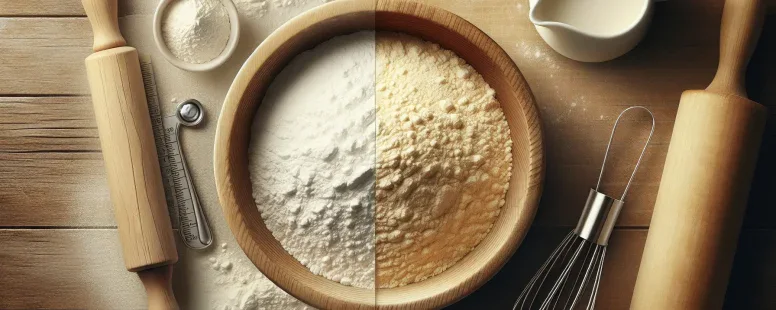
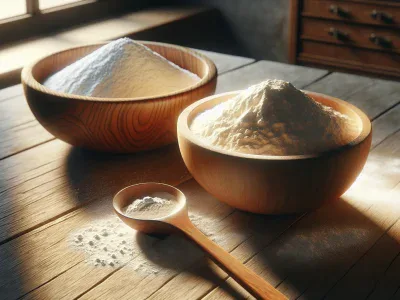
Knowing the subtle and not-so-subtle differences between bleached and unbleached flour improves your baking precision and results. Both types serve distinct roles, influenced by processing methods and the chemical makeup of wheat.
What Is Bleached Flour?
Bleached flour undergoes chemical treatment, mainly with agents like chlorine gas or benzoyl peroxide, to speed up the aging process occurring in flour. This process whitens the flour and changes some proteins, resulting in a softer texture. For example, cakes and pastries often benefit from bleached flour; its fine, soft particles help achieve airy, tender crumbs.
Think about bread dough relying on gluten network structures. Bleached flour weakens this network, so it might not give you the chewy texture you’re expecting in artisanal bread. Some bakers prefer bleached flour’s predictable consistency for cookies or quick breads where less elasticity is advantageous.
This flour’s oxidation reduces the need to wait days for natural aging, allowing faster baking turnaround. But, some health and flavor purists question whether the chemicals alter taste or nutritional content substantially. The U.S. Food and Drug Administration (FDA) recognizes bleached flour safe but recommends consumers remain aware of ingredient sources.
What Is Unbleached Flour?
Unbleached flour dries , preserving a denser, slightly off-white color. It contains intact gluten-forming proteins, lending strength and chewier texture to yeast breads and other baked goods where structure matters most. Consider artisanal sourdough loaves requiring robust, elastic flour; unbleached varieties offer these traits.
Using unbleached flour usually means longer aging—often weeks—as enzymes break down starch and proteins gradually, enhancing flavor complexity. The preserved carotenoids contribute to a subtle, nutty taste. This deeply impacts recipes that prioritize depth, like rustic bread or some pasta doughs.
While unbleached flour takes longer to process, many bakers prefer its natural profile, free from chemical enhancements. But, this also means it might lack the bright whiteness favored in certain cakes or cookies.
Weighing Your Flour Choices
Picture you’re making a delicate chiffon cake. Using bleached flour could make your cake lighter and fluffier. If you’re baking a crusty baguette or chewy bagel, unbleached flour strengthens the dough, giving better rise and texture.
Have you ever tested substituting one type for the other in your recipes? Notice how texture and crumb change. Both flours contain the same calories and protein amounts, but tiny molecular differences make notable effects.
Explore beyond preference; experiment with flour types as tools that shape your baking art. Understanding chemistry behind flour helps mold your final product’s flavor and feel.
Let your curiosity guide you—try each flour in different recipes and observe outcomes. Keep track of what qualities you prefer under certain conditions. This practice refines your craft and expands your baking repertoire.
Differences in Processing and Appearance
Understanding how bleached and unbleached flours differ in processing and appearance clarifies their impact on baking results. These contrasts influence texture, color, and even baking time.
How Bleaching Affects Flour
Bleaching uses chemicals like benzoyl peroxide or chlorine gas to speed up aging. This treatment lighten the flour’s color, giving it a bright white appearance, which many bakers find visually appealing for cakes and pastries. The process also softens the flour’s texture, breaking down proteins slightly and creating a finer crumb structure. For example, when you bake a delicate sponge cake, bleached flour helps achieve that tender, airy crumb that might be tougher with unbleached flour. But, bleaching also weakens gluten strands. This reduces flour’s strengthening effect, making it less suitable if you’re aiming for chewy bread loaves that require strong gluten networks. The FDA classifies bleached flour as safe, but if you’re concerned about chemical residue, you might prefer alternatives. Something to consider: if you swap bleached with unbleached flour in a recipe designed for the former, your product’s texture and rise could be noticeably different.
Natural Characteristics of Unbleached Flour
Unbleached flour ages over weeks or months, which gives it a denser, off-white color compared to bleached. This aging process strengthens the gluten-forming proteins because no chemicals interfere with their structure. You’ll find unbleached flour ideal for breads, bagels, and pizza crusts where elasticity and chewiness matter most. Its richer, more complex flavor comes from this slower maturation, offering subtly nutty notes missing in bleached flour. Picture biting into a crusty artisan loaf—the flavor and texture reflect the natural qualities of unbleached flour. But keep in mind that the natural yellowish tint might not suit recipes demanding pristine white batter or dough. For this reason, some bakers mix blends or adjust recipes according to their texture and color goals.
Feature
Bleached Flour
Unbleached Flour
Processing
Chemical treatment (benzoyl peroxide, chlorine)
Natural aging process
Color
Bright white
Off-white to slightly yellowish
Texture
Softer, finer crumb
Stronger gluten, chewier texture
Best for Recipes
Cakes, pastries
Yeast breads, pizza crusts
Flavor
Neutral, mild
Rich, slightly nutty
Gluten Strength
Weakened
Reinforced
By grasping these processing and appearance differences, you gain control over the outcome of your baked goods. This awareness lets you choose flour that aligns perfectly with your recipe’s demands, whether that means a light delicate cake or a hearty chewy bread. Consider testing recipes with both types and noting the changes; this practice sharpens your baking instincts and enhances your results.
Baking Performance and Uses
Understanding how bleached and unbleached flour perform in baking tasks shapes your choice for specific recipes. Each flour type brings distinct textures and strengths to your baked goods, influencing results from crumb structure to rise.
Baking with Bleached Flour
Bleached flour works wonders when you want your cakes, cookies, and pastries to be tender and soft. Its chemical treatment breaks down proteins lightly, which means your batters become smoother and easier to work with. When you bake cakes for celebrations or cookies for gifts, bleached flour provides a consistent fine crumb that’s hard to match. Picture cutting into a velvety birthday cake that practically melts in your mouth—that’s the power of bleached flour at work.
But, if you expect your bread to have a hearty chew or a strong rise, bleached flour might disappoint. Its weakened gluten network fails to trap air as robustly, resulting in denser loaves. According to the Wheat Foods Council, bleached flour’s rapid-aging yields softer textures suited for delicate baked products, but less ideal for artisanal breads that demand strong gluten development. You might wonder whether this softness sacrifices flavor or nutrition; while bleaching minimally affects nutrient content, the subtle flavor changes can impact your recipe’s final profile.
Baking with Unbleached Flour
Unbleached flour stands tough when you crave rustic breads or chewy pizza crusts. Since it ages , its gluten proteins remain intact, creating elasticity that traps gas during fermentation. When kneading dough, you’ll feel this strength in every stretch, crucial for breads that rise tall and hold shape. Picture pulling apart a fresh sourdough loaf with an open crumb filled with airy holes — unbleached flour helps achieve that texture.
The flour’s slightly earthy, nutty undertone adds depth, enriching flavor beyond the purely sweet or bland profiles bleached flour can yield. If you bake artisan or multigrain breads, using unbleached flour complements the complexity of flavors. But the denser texture unbleached flour creates might not please everyone, especially when delicate pastries require a lighter touch. Also, its natural yellow tint can subtly shift the appearance of light-colored cakes or cookies.
When deciding between bleached or unbleached flour for your recipe, ask how texture, rise, and flavor shape your vision. Experimentation sharpens your skills and uncovers the unique contributions each flour type offers. Whether pulling a tray of tender cupcakes from the oven or kneading dough for crusty bread, your choice in flour becomes a key ingredient in the story your baked goods tell.
Nutritional Differences and Health Considerations
Understanding nutritional differences and health considerations between bleached and unbleached flour reveals key factors influencing your dietary choices. Each flour type offers distinct nutrient profiles and health effects that’ll affect your body’s response and baking outcomes.
Nutrient Content Comparison
Bleached flour undergoes chemical treatments like benzoyl peroxide or chlorine gas that alter its nutrient composition. Some vitamins, especially vitamin E and B vitamins such as thiamine and niacin, decrease during bleaching. Unbleached flour retains more of its natural nutrients because it ages without additives. For example, unbleached all-purpose flour contains approximately 7% more protein and higher amounts of calcium and iron compared to bleached counterparts (USDA Nutrient Database).
Fibers and minerals like magnesium found in the wheat bran and germ are reduced in both flours due to refinement, yet slight variations exist. Unbleached flour’s denser protein and mineral content support better absorption and sustained energy release. When comparing the two in baking, chefs often note unbleached flour yields richer doughs with fuller flavors, partly due to these nutritional differences. Given that highly processed foods often lack essential nutrients, choosing unbleached flour can help reduce potential deficiencies in your diet.
Potential Health Impacts
Chemicals used to bleach flour trigger concerns about potential health consequences. Even though the FDA deems bleached flour safe for consumption, residues of additives remain and might contribute to unexpected allergic reactions or sensitivities in some individuals. Studies, such as those published by the Journal of Agricultural and Food Chemistry, discuss how chlorine gas affects protein structure and the potential production of harmful byproducts, though conclusive impacts on long-term health remain debated.
On the other hand, unbleached flour’s natural aging process avoids those synthetic chemicals, lowering the risk of ingesting trace additives. But, its slower aging requires longer storage periods, increasing chances of spoilage if not stored properly, which can affect food safety.
For people with gluten sensitivities or celiac disease, neither bleached nor unbleached wheat flour are safe options; exploring gluten-free alternatives is essential. Also, relying solely on either type without balancing whole grains and fiber-rich foods may impact digestive health, blood sugar levels, and chronic disease risk.
Are you willing to risk the slight chemical exposure for the convenience and softness bleached flour brings? Or will you prioritize unbleached flour’s closer-to-natural nutrient profile even though the extended preparation time? Your decision shapes not only your baked goods but interacts with your body’s wellbeing more than you might realize. Testing both types under varied baking conditions provides clearer insights into how their nutrients support your personal health and taste preferences.
Nutrient
Bleached Flour (per 100g)
Unbleached Flour (per 100g)
Protein (%)
10.3
11.0
Vitamin E (mg)
0.18
0.22
Thiamine (mg)
0.32
0.36
Niacin (mg)
4.1
4.4
Calcium (mg)
14
18
Iron (mg)
1.2
1.4
(Source: USDA FoodData Central)
Exploring your flour options with these facts in mind influences not just texture and flavor but also the fuel you provide your body. Experimenting thoughtfully on your baking journey helps create recipes that are both delicious and nutritionally sound.
Which Is Better: Bleached or Unbleached Flour?
Determining the better flour depends heavily on what you’re baking and your personal priorities. Both bleached and unbleached flour offer distinct advantages and trade-offs rooted in their processing methods and effects on baked goods.
Factors to Consider for Your Baking Needs
Texture, rise, and flavor shape the decision between bleached and unbleached flour. Bleached flour undergoes chemical treatment with agents like chlorine dioxide, which speeds aging and softens proteins, resulting in a finer crumb ideal for tender cakes and delicate pastries. If you crave light, airy cupcakes with a velvety texture, bleached flour often delivers that consistency effortlessly. Conversely, unbleached flour ages , preserving stronger gluten-forming proteins that provide elasticity and chewiness essential for yeasted breads. Bakers who adore crusty artisan loaves or chewy pizza dough find unbleached flour’s robust structure indispensable.
You might find that recipes relying on quick batters benefit from bleached flour’s smoother texture while those requiring long fermentation or hand kneading thrive on unbleached flour’s durability. Nutritionally, unbleached flour retains higher protein, calcium, and iron levels, contributing to both flavor complexity and potential health benefits. The FDA considers bleached flour safe; but, some caution over chemical residues persists among consumers seeking minimally processed foods (USDA Nutrient Database).
Personal Preferences and Recipes
Your personal palate and baking goals influence which flour feels better. Picture you’re baking a classic vanilla cake; bleached flour brightens the crumb and lightens the flavor profile, helping your frosting stand out. But, if you’re perfecting a sourdough recipe, unbleached flour’s subtle nutty undertones and chewy texture enhance the experience, enriching both aroma and mouthfeel.
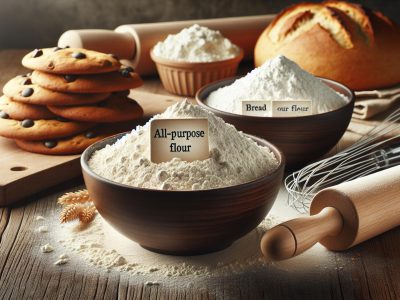
Curiously, a single recipe can transform depending which flour you choose. Have you ever noticed how chocolate chip cookies bake differently with bleached versus unbleached flour? The former yields delicate edges and soft centers, whereas the latter offers sturdier bites with more character. Experimentation allows you to balance aesthetics and taste, eventually mastering how ingredient choice affects final results.
Beyond recipes, consider health preferences. Are you comfortable with chemicals introduced by bleaching, or do you prioritize organic, natural processes? Some bakers who suffered allergic reactions switched to unbleached flour and observed fewer symptoms—a point worth reflecting upon if you have sensitivities.
Even though this, don’t dismiss bleached flour completely. Its affordability and accessibility make it a versatile staple in many kitchens. Unbleached flour, though often pricier, serves artisanal and health-conscious bakers seeking traditional qualities.
Choosing between bleached and unbleached flour, then, isn’t about right or wrong—it’s about aligning with your baking style, health concerns, and taste desires. Which flour complements your culinary creations best? Trying both opens doors to broader textures and flavors you might’ve otherwise missed.
Conclusion
Choosing between bleached and unbleached flour eventually comes down to what you’re baking and your personal preferences. Both have unique qualities that impact texture, flavor, and nutrition in different ways.
By understanding these differences, you can make smarter choices that enhance your recipes and suit your health priorities. Don’t hesitate to experiment with both types to discover which works best for your baking style and desired results. Your perfect baked goods are just a few flour swaps away.
To provide the best experiences, we use technologies like cookies to store and/or access device information. Consenting to these technologies will allow us to process data such as browsing behaviour or unique IDs on this site. Not consenting or withdrawing consent, may adversely affect certain features and functions.
Functional
Always active
The technical storage or access is strictly necessary for the legitimate purpose of enabling the use of a specific service explicitly requested by the subscriber or user, or for the sole purpose of carrying out the transmission of a communication over an electronic communications network.
Preferences
The technical storage or access is necessary for the legitimate purpose of storing preferences that are not requested by the subscriber or user.
Statistics
The technical storage or access that is used exclusively for statistical purposes.The technical storage or access that is used exclusively for anonymous statistical purposes. Without a subpoena, voluntary compliance on the part of your Internet Service Provider, or additional records from a third party, information stored or retrieved for this purpose alone cannot usually be used to identify you.
Marketing
The technical storage or access is required to create user profiles to send advertising, or to track the user on a website or across several websites for similar marketing purposes.