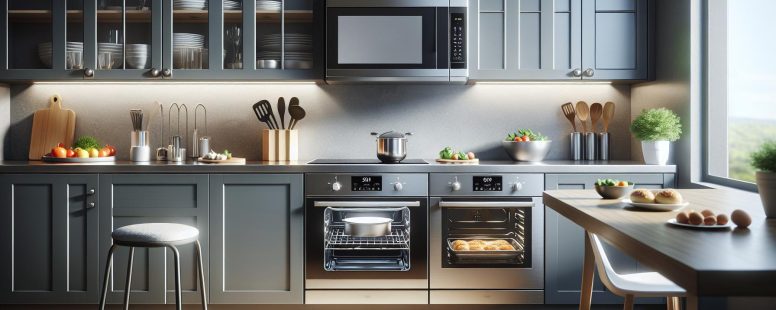
Imagine the aroma of freshly baked cookies wafting through your kitchen or the convenience of reheating last night’s leftovers in seconds. When it comes to modern cooking, two appliances often dominate the conversation: the microwave and the oven. Each promises to make your life easier, yet they serve vastly different purposes. But how do you decide which one truly deserves a spot in your kitchen?
Whether you’re a culinary enthusiast who craves perfectly roasted dishes or someone who values speed and simplicity, the choice between a microwave and an oven isn’t always straightforward. Both have their unique strengths, and understanding what they bring to the table can help you make the best decision for your lifestyle. So, which one comes out on top? Let’s explore the key differences and uncover which appliance suits your needs best.
Understanding Microwaves And Ovens
Microwaves and ovens serve distinct purposes in the kitchen, offering diverse cooking capabilities. Grasping their functions helps you make an informed choice.
What Is A Microwave?
A microwave is an appliance designed for quick cooking, reheating, and defrosting. It uses electromagnetic waves to heat water molecules within food items. Popular for convenience, it excels at preparing single servings or simple meals like popcorn, soups, or leftovers. Smaller footprint and ease of use make it a staple in many modern kitchens.
What Is An Oven?
An oven is a versatile appliance used for baking, roasting, and grilling. It employs conductive and convective heat to cook food evenly over time. Conventional ovens include gas and electric models, while newer versions often include convection settings for improved efficiency. Dishes like roasted chicken, muffins, or casseroles benefit from the oven’s thorough heating and browning features.
Key Differences Between Microwaves And Ovens
Cooking Method: Microwaves rely on radiation to heat food molecules, while ovens use conduction and convection for uniform heating.
Speed: Microwaves cook faster but may unevenly heat some foods. Ovens offer slower but consistent results, ideal for recipes requiring texture control.
Size: Microwaves are compact, handling smaller dishes. Ovens come in varying sizes to accommodate larger family meals.
Versatility: Ovens handle advanced techniques like baking or roasting. Microwaves mainly focus on reheating and simple recipes.
Energy Efficiency: Microwaves consume less time and power for easy tasks. Ovens use more electricity or gas, making them less energy-efficient.
Choose based on your cooking goals and kitchen needs.
Pros And Cons Of Microwaves
Microwaves are an essential tool for modern kitchens, valued for their speed and convenience. They work by emitting electromagnetic waves to heat food quickly, but they also come with specific strengths and limitations.
Advantages Of Microwaves
Quick Cooking And Reheating
Microwaves cook meals in minutes, making them ideal for busy lifestyles. For example, reheating last night’s pasta or preparing instant oatmeal takes less time compared to traditional methods.
Energy Efficiency
They consume less electricity than ovens. Microwaves focus energy directly on the food, reducing waste and keeping costs low for everyday use.
Compact Size
Smaller dimensions make microwaves suitable for apartments or small kitchens. A standard countertop microwave can fit in tight spaces without disrupting kitchen aesthetics.
Ease Of Use
Simple controls allow you to warm, defrost, or cook with minimal effort. Pre-programmed settings cater to common tasks like popping popcorn or heating beverages.
Even Reheating
Microwaves distribute heat evenly for liquids and pre-cooked meals, which ensures consistent warmth throughout the dish.
Limitations Of Microwaves
Limited Cooking Techniques
Microwaves can’t bake, roast, or grill, unlike ovens. For instance, you won’t achieve crispy textures when preparing fried chicken or pizza crusts.
Uneven Heating In Dense Foods
While reheating soups is straightforward, foods like casseroles may heat unevenly, leaving cool spots if not rotated or stirred.
Restricted Utensils
Not all cookware is microwave-safe. Plastic containers and non-microwaveable utensils can melt or release harmful chemicals if used mistakenly.
Texture And Flavor Alterations
Rapid heating can change food textures; scrambled eggs or bread might become rubbery and unpalatable when microwaved repeatedly.
Lower Versatility For Advanced Recipes
Complex dishes requiring precision are challenging since microwaves lack control over browning or caramelization necessary for gourmet meals.
Potential Nutrient Loss
Overheating or improper use may lead to nutrient loss in certain vegetables. According to a study by the USDA, boiling or microwaving broccoli for extended periods can reduce its vitamin C content.
Microwaves simplify and speed up meal prep but aren’t a substitute for versatile cooking methods.
Pros And Cons Of Ovens
Ovens are essential kitchen appliances offering exceptional versatility for various cooking techniques. They cater to baking, roasting, and grilling, making them ideal for more complex meals or recipes.
Advantages Of Ovens
Versatile Cooking Methods
They support diverse techniques like baking cookies, roasting meats, and broiling vegetables. For example, you can bake a cake, roast a turkey, or brown a lasagna—all in one appliance.
Even Cooking Results
Ovens provide consistent heat distribution through conduction and convection, ensuring food cooks uniformly. Pizza crusts cook to crispy perfection, and baked potatoes achieve an even texture inside and out.
Large Capacity
Suitable for batch cooking or entertaining guests. Standard ovens accommodate full-sized baking trays, allowing you to cook multiple portions at once.
Enhanced Flavor Development
High temperatures help caramelization and Maillard reactions. Roasted chicken develops a crispy skin, and desserts like meringues achieve rich textures due to precise temperature control.
Broader Recipe Options
They enable advanced dishes requiring slow cooking or precise timing, such as soufflés, artisan bread, or beef roasts.
Limitations Of Ovens
Longer Cooking Times
Preparing meals takes considerable time compared to microwaves. Baking a casserole or roasting veggies could take over an hour, whereas microwaving requires minutes.
Higher Energy Consumption
Conventional ovens consume more electricity or gas due to their extended operation and high-temperature needs. A study by Energy.gov confirms ovens use significantly more energy than microwaves for the same tasks.
Bulky Size
Occupying substantial kitchen space, especially in small apartments or compact kitchens, can be challenging. Their installation often demands fixed counter or wall space.
Maintenance Difficulty
Cleaning grease and food residue buildup requires effort. Stuck-on food debris on trays, racks, and walls adds to the overall cleaning complexity.
Heat Emission
Producing considerable heat during operation, particularly in summer months, leads to increased room temperature and potential discomfort.
Ovens bring reliability and advanced cooking potential but require consideration of their time, space, and energy constraints.
Factors To Consider When Choosing
Selecting between a microwave and an oven depends on several key factors. Each appliance suits different cooking needs and lifestyles, so understanding these aspects helps make an well-informed choice.
Cooking Needs And Habits
Your cooking preferences greatly influence the choice between these appliances. Microwaves work well for quick meals, reheating leftovers, and defrosting frozen items. For instance, you might use a microwave to warm up a bowl of soup or prepare popcorn in minutes. They are ideal for individuals or small families seeking convenience.
Ovens, on the other hand, offer broader cooking techniques. You can bake breads, roast meats, or grill vegetables with precise temperature control. If you enjoy experimenting with recipes or cooking for larger gatherings, an oven becomes indispensable. Consider how often you bake or need to prepare dishes that require crispy textures, such as pizza or roasted chicken.
Energy Consumption
Energy usage varies between microwaves and ovens, impacting your utility costs. Microwaves generally consume less energy since they heat food more quickly. According to the U.S. Department of Energy, microwaves use roughly two-thirds less energy compared to conventional ovens. They are suitable if you prioritize energy-efficient cooking.
Ovens draw higher energy because of their prolonged cooking times and larger heating elements. When preparing meals that demand extensive baking or roasting, such as casseroles or turkeys, ovens become less efficient. To balance energy costs, you might limit oven use to specific cooking tasks while using a microwave for simpler needs.
Budget And Space
Budget and available kitchen space significantly affect your decision. Microwaves cost less, with prices typically ranging from $50 to $300 depending on features like wattage and presets. Their compact size makes them easy to place on countertops, even in small kitchens or dorms.
Ovens have a wider price range, from around $400 for basic models to over $2,000 for high-end units with advanced capabilities. Built-in ovens require more space and professional installation, making them less feasible for small kitchens. If your budget or space is limited, a countertop microwave could be more practical.
Which Is Best: Microwave Or Oven?
Choosing between a microwave and an oven necessitates a close look at your cooking habits, space availability, and specific needs. Both appliances offer distinct advantages, making them suitable for different purposes.
Assessing Your Personal Requirements
Understanding your daily cooking patterns helps determine the right appliance. If speed dominates your priorities, a microwave becomes convenient for preparing quick meals like reheated leftovers, instant oatmeal, or microwavable frozen dinners. On the other hand, if your recipes often include baked bread, roasted vegetables, or grilled chicken, an oven aligns better with those demands.
Consider kitchen size and layout before deciding; a microwave requires less counter space, while traditional ovens need designated installation areas. Energy use also matters—microwaves generally consume less electricity per use, making them an efficient choice for short cooking tasks. In contrast, ovens may increase utility bills during prolonged usage for larger meal batches.
When To Choose A Microwave
Microwaves excel in speed and simplicity. Use one if you often warm drinks, melt butter quickly, or defrost frozen ingredients immediately before cooking. They’re essential for students, working professionals, or anyone with a frenetic schedule.
But, you may miss advanced culinary techniques—microwave irregularities might compromise crispy crusts or perfect bakes. Dense foods, like casseroles or lasagna, can heat unevenly. Still, microwaves serve households valuing convenience over complexity. For example, reheating yesterday’s takeout in minutes without preheating saves time during busy mornings.
When To Choose An Oven
An oven’s versatility supports ambitious cooking endeavors. Opt for one if you bake pastries, roast whole chickens, or explore slow-cooked recipes. It’s foundational for families or food enthusiasts who enjoy hosting gatherings that require hearty meals.
Though ovens take more time to preheat and use, they guarantee consistent results, especially for items that benefit from gradual, even heating. Pizza prepared on a stone or homemade bread exemplify its strengths. Keep potential downsides like kitchen heat and significant cleaning efforts in mind, ensuring these factors align with your lifestyle.
Eventually, analyzing usage scenarios helps ensure you invest in the appliance meeting your expectations.
Conclusion
Deciding between a microwave and an oven comes down to your cooking style, priorities, and daily needs. Both appliances shine in their own ways, offering unique benefits that cater to different lifestyles. Whether you value speed and simplicity or versatility and advanced cooking techniques, the right choice will depend on what suits your kitchen and habits best.
Take the time to assess your cooking goals, energy usage preferences, and available space. By aligning these factors with the strengths of each appliance, you’ll be better equipped to make the perfect choice for your home.
To provide the best experiences, we use technologies like cookies to store and/or access device information. Consenting to these technologies will allow us to process data such as browsing behaviour or unique IDs on this site. Not consenting or withdrawing consent, may adversely affect certain features and functions.
Functional
Always active
The technical storage or access is strictly necessary for the legitimate purpose of enabling the use of a specific service explicitly requested by the subscriber or user, or for the sole purpose of carrying out the transmission of a communication over an electronic communications network.
Preferences
The technical storage or access is necessary for the legitimate purpose of storing preferences that are not requested by the subscriber or user.
Statistics
The technical storage or access that is used exclusively for statistical purposes.The technical storage or access that is used exclusively for anonymous statistical purposes. Without a subpoena, voluntary compliance on the part of your Internet Service Provider, or additional records from a third party, information stored or retrieved for this purpose alone cannot usually be used to identify you.
Marketing
The technical storage or access is required to create user profiles to send advertising, or to track the user on a website or across several websites for similar marketing purposes.