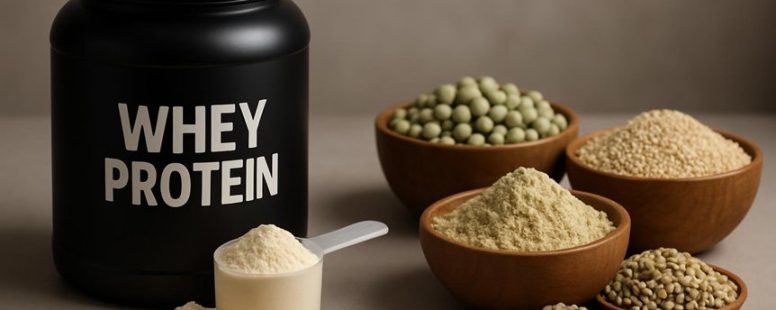
Imagine reaching for a scoop of protein powder after a workout, the smooth taste and satisfying fill a craving you didn’t realize you had.
Did you know that more than half of supplement users now prefer plant-based options? The shift is like a fresh breeze sweeping through the health world, prompting questions about what truly sets whey and plant proteins apart—and where they overlap.
Whether you’re chasing muscle gains or aiming for overall wellness, understanding these differences can transform how you nourish your body.
Surprisingly, some plant proteins pack a punch in amino acids that rival their animal counterparts, making your choice even more powerful.
Let’s explore what makes each type of protein uniquely beneficial and why it matters for your journey to health.
What Is Whey Protein? Origins and Basics
Whey protein is a popular supplement used by many people for muscle growth and recovery. It is a high-quality protein that comes from cheese-making. When milk is turned into cheese, a liquid called whey is left over. Instead of wasting it, manufacturers now turn it into powder for health benefits.
There are three main types of whey protein: concentrate, isolate, and hydrolysate. Concentrate has some fats and carbs, making it less pure but cheaper. Isolate is more purified and has fewer fats and carbs. Hydrolysate is pre-digested, so your body absorbs it faster. Sometimes, people choose based on how quickly they want the protein to work and how much they want to spend.
Whey protein is famous because it has a complete set of amino acids. These are the building blocks for muscles and important for recovery after exercise. Many athletes and fitness fans use whey to get stronger faster. But, some people with allergies or lactose intolerance might have trouble digesting whey, especially the concentrate.
Some say whey is the best protein for muscle building because it is easy to digest and effective. Others warn that relying only on whey can lead to missing out on other nutrients. Plus, if you are vegan or allergic, whey isn’t suitable for you. Always check labels and talk to a doctor if you have health concerns.
In the end, whey protein is a simple and popular way to get extra protein. It has a long history and many scientific studies support its benefits. Just remember, no supplement can replace a balanced diet. Use it wisely and choose the type that fits your needs best.
Main Sources of Plant-Based Protein Explained
Plant-based proteins are sources of protein that come from plants. Knowing which ones are best can help you reach your nutrition goals. When choosing plant proteins, it’s good to think about quality and variety. Here are some of the most common sources:
Soy protein: It is a complete protein, meaning it has all the essential amino acids your body needs. It is versatile and good for building muscle. Brands like Tofurky and Silk offer soy-based products.
Pea protein: Easy to digest and high in important amino acids like lysine. It’s often found in protein powders and vegan products.
Hemp protein: Contains healthy fats along with protein. It’s a good choice if you want a little extra nutrition from fats.
Quinoa protein: Quinoa is a rare plant that provides a complete protein with fiber. It can be cooked like rice or added to salads.
Other popular options are rice protein and lentil protein. People often mix these to get a balanced amino acid profile. Understanding these options makes it easier to choose plant proteins that fit your lifestyle and help you stay healthy without eating animal products.
Some people might find certain plant proteins hard to digest, so trying different types can prevent stomach issues. And remember, not all plant proteins are equal—reading labels can help you pick the best ones.
Nutritional Comparison: Whey vs. Plant Protein
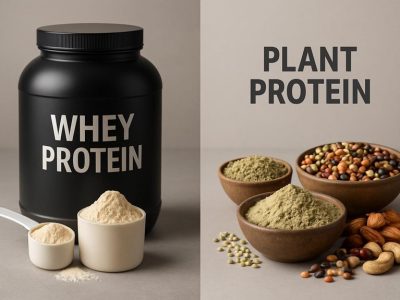
Whey protein and plant protein are two popular choices for those looking to add more protein to their diet. The main difference is how quickly your body absorbs them and what extra nutrients they provide.
Whey protein is known for its high protein content and fast absorption. It’s made from milk and helps muscles repair quickly after workouts. If you want quick muscle gains, whey is often the best choice. It’s also rich in essential nutrients your body uses easily. But some people worry about dairy or prefer plant-based options.
Plant proteins come from sources like peas, rice, or hemp. They often include fiber, vitamins, and minerals that help overall health. However, they are usually absorbed more slowly than whey. This means they might not rebuild muscles as fast, but they can be better for long-term health and digestion. Blending different plant proteins can help improve how well your body absorbs them.
If you are looking for the fastest muscle repair, whey might be the best. But if you want more vitamins and fiber, a mix of plant proteins could be better. Both have their good and bad points, so your choice depends on your goals and dietary needs. Remember, no protein is perfect, and it’s always good to talk with a healthcare provider before making big changes.
Which Has a Better Amino Acid Profile for Muscle Growth?
Whey protein has a better amino acid profile for muscle growth than plant proteins. This is because whey naturally contains all essential amino acids, especially leucine, which helps your muscles recover and grow faster. If you want quick muscle gains, whey is a strong choice.
Plant proteins, like pea or rice protein, often lack one or more essential amino acids. This means they are not complete proteins on their own. But if you mix different plant-based proteins, you can make a complete amino acid profile. For example, combining rice and pea protein gives you a better chance to support muscle growth.
Both whey and plant proteins can help build muscles if you eat enough. But whey is generally more efficient because of its complete amino acid profile and higher leucine content. On the other hand, plant proteins are good options if you’re vegan or allergic to dairy. Just remember, plant proteins may need to be combined or eaten in larger amounts to match whey’s benefits.
Some people worry about the quality of plant proteins, but with the right mix, they work well. Still, whey protein is often seen as the best choice for fast muscle gains. If you’re looking for the easiest way to support muscle growth, whey protein is usually the winner. But for those who prefer plant options, combining different sources can do the trick too.
How Digestible Are Whey and Plant Proteins?
Whey protein is easier to digest than plant proteins. It breaks down quickly in your stomach, so your body absorbs the amino acids faster. This quick absorption helps muscles recover and grow faster. Many people choose whey because of this fast digestion, especially after workouts.
Plant proteins, like pea or rice protein, can be harder to digest. They often contain fiber and other compounds that slow down digestion and may stop some nutrients from being absorbed. But, processing methods like fermentation or mixing different plant sources can make them easier to digest. If you prefer plant-based options, look for products that are processed well.
Some folks think whey is better just because it digests faster. But if you are vegan or allergic to dairy, plant proteins can still give you good benefits. Just remember, they might take longer to work. Also, digestion depends on your gut health and how your body handles different foods.
Common Allergies and Sensitivities to Whey and Plant Proteins
Allergies and sensitivities to protein powders are more common than many think, especially with whey and plant-based types. Knowing what to watch out for can help you choose the right protein and avoid surprises.
Whey allergies and casein sensitivity are common in people who are sensitive to dairy. If you notice stomach pain, skin rashes, or breathing issues after using whey protein, you might be allergic. Some people also have trouble digesting lactose, the sugar in milk, which causes bloating, gas, or diarrhea even if they are not allergic. Lactose intolerant folks should look for lactose-free protein options.
On the plant side, soy allergies are quite common. If you’re allergic to soy, eating soy protein can cause symptoms like hives or stomach upset. Pea protein is popular but some people develop sensitivities to it. Gluten, found in wheat and some plant proteins, can cause reactions in people with gluten sensitivity or celiac disease. Nut allergies can also be a problem, especially if plant protein powders have added nuts or are processed in facilities that handle nuts.
Here are the main issues to watch for:
Whey allergies and casein sensitivity
Lactose intolerance symptoms
Soy allergies and pea protein sensitivities
Gluten reactions and nut allergies
Knowing these details can help you pick a protein powder that fits your needs. For example, if you have dairy allergies, plant proteins like rice or hemp might be better. If you’re allergic to nuts, check labels carefully. Always read ingredient lists and consider allergy tests if you’re unsure.
Some people find that switching proteins helps them avoid reactions. But keep in mind, some plant proteins may have cross-contamination or hidden allergens. So, it’s wise to buy from trusted brands that clearly label their ingredients.
In the end, understanding what causes allergies and sensitivities can save you from discomfort or health issues. Don’t assume all protein powders are safe for everyone. Check your allergies first and try small amounts when switching brands or types.
How Whey and Plant Proteins Impact Your Health
Whey and plant proteins are different types of protein powders that impact your health in unique ways. Here’s what you need to know to pick the right one for you.
Whey protein is a fast-absorbing protein made from milk. It is high in all essential amino acids, which are good for building muscles. People who work out often use whey to help recover faster after exercise. But if you are lactose intolerant or allergic to dairy, whey can cause stomach upset or bloating. Some brands like Optimum Nutrition and Dymatize make popular whey proteins.
Plant proteins come from sources like peas, rice, or hemp. They are a good choice if you are vegan or allergic to dairy. Plant proteins tend to digest slower than whey, which can keep you full longer. However, they sometimes lack one or more amino acids found in whey. Mixing different plant proteins can fix this problem. Brands like Garden of Life and Vega offer well-rated plant protein powders.
Both types of protein have their pros and cons. Whey is great for quick muscle recovery but might upset sensitive stomachs. Plant proteins are kinder to digestion but may need to be combined to get all the amino acids your body needs. Think about what fits your diet and health goals. Do you want fast recovery after workouts or a gentle option that works well with your vegan lifestyle?
Choosing the right protein depends on your personal needs. For athletes or bodybuilders, whey might be best. For those avoiding animal products, plant proteins are a good pick. Remember, no matter what you choose, eating enough protein is key to staying healthy.
Sources: Healthline, Mayo Clinic
Nutritional Benefits Compared
Whey and plant proteins both offer different benefits for your health. Whey protein is known for its fast absorption, making it good to take after workouts to help muscles recover quickly. Plant proteins, on the other hand, usually have more vitamins, minerals, and fiber, which support overall health.
Here’s what makes them different:
Whey provides all essential amino acids in large amounts, especially leucine, which helps build muscle.
Plant proteins often mix different plant sources to get all the amino acids your body needs.
Whey’s quick absorption makes it good for muscle repair right after exercising.
Plant proteins have antioxidants and fiber that can help your heart and digestion.
Some people prefer whey if they want fast muscle recovery. Others choose plant proteins for more vitamins and fiber. Both can be part of a healthy diet, but each has limits. For example, some plant proteins may not have enough of certain amino acids unless you eat a variety. Whey might cause problems for people who are lactose intolerant.
Digestive Effects Differences
Whey and plant proteins affect digestion differently, and understanding these differences can help you choose the right one for your gut health.
Whey protein is quickly absorbed by your body. This makes it good if you want to repair muscles fast after exercise. But some people find whey hard to digest, which can cause bloating or stomach discomfort. For example, athletes often prefer whey because it helps muscles recover quickly, but people with sensitive stomachs might feel sick after taking it.
Plant proteins, like those from peas or rice, digest more slowly. They often contain fiber that helps your gut bacteria ferment and grow stronger. This slow digestion can help you absorb protein better over time and support a healthy microbiome. If you are sensitive to dairy or want to improve gut health, plant proteins could be a better option. However, because they digest slower, they might not be best if you need quick muscle repair.
Some people might choose whey for fast results, but it can cause digestion issues for others. Plant proteins are gentler on the stomach but might take longer to work. Both have their advantages and limits, so think about what your body needs most.
For example, if you work out and want quick recovery, whey could be the best choice. But if you have a sensitive stomach or are trying to boost your gut health, plant proteins could be better. Knowing how each affects digestion helps you pick what fits your body best.
Who Should Choose Whey Protein, and Who Benefits From Plant Options?
Whey protein is a good choice for people who want a complete source of protein that comes from dairy. It has all the essential amino acids and is absorbed quickly. If you don’t have allergies to dairy or lactose intolerance, whey can help build muscles fast and support recovery after workouts. But if you have dairy allergies or prefer plant-based foods, plant proteins like pea or rice protein might be better options. They are usually gentler on the stomach and suit vegans or vegetarians.
Your fitness goals also matter. If you want to gain muscle quickly, whey protein’s fast absorption can help. If you’re looking for a more sustainable or allergy-friendly option, plant proteins can work well too. Some plant options may have less protein per serving but can be combined to get all the amino acids you need. For example, mixing rice and pea protein creates a complete protein similar to whey.
Environmental and ethical concerns might influence your choice. Whey is a byproduct of cheese making, so it can be seen as waste reuse, but dairy farming has a big environmental footprint. Plant proteins are often more eco-friendly and require less water and land. If reducing your carbon footprint matters to you, plant options might be the better pick.
To decide which protein is best for you, think about your allergies, your diet, your fitness goals, and your values. If you want quick muscle gains and tolerate dairy, whey is a strong choice. If you’re vegan or care about the environment, plant proteins can give you the protein you need without the dairy. Remember, both types can support a healthy diet, but it’s good to choose what matches your needs best.
Dietary Restrictions And Allergies
Choosing the right protein powder depends on your body and needs. The most important thing is to know which type works best for you.
Whey protein is a good choice if you tolerate dairy well. It absorbs quickly and helps build muscle fast. But if you are lactose intolerant, allergic to dairy, or prefer plant-based options, plant proteins are safer. They are usually gentler on your stomach too.
Here are some tips to help you decide:
If you have a dairy allergy or lactose intolerance, pick plant-based protein powders. Brands like Orgain or Vega offer good options.
If you are vegan or vegetarian, plant proteins are your only choice. They come from peas, rice, or hemp.
If you do not have allergies and want quick results, whey protein is a good option. It absorbs fast and helps recovery after workouts.
If your stomach feels upset with whey, try plant proteins. They may cause less discomfort.
Knowing your body’s needs is key. For example, if you want a quick muscle boost, whey can work fast. But if you want a gentle option that’s easier to digest, plant proteins may be better.
Some people say whey is the best for muscle growth, but it’s not for everyone. Plant proteins work just fine, but they might take longer to absorb. Always check labels for added sugars or fillers.
In the end, testing different options can help you find what works best. Remember, no one protein is perfect for everyone. Think about your allergies, digestion, and goals before choosing.
Fitness Goals And Outcomes
Whey protein is a fast-absorbing supplement that helps muscles recover quickly after workouts. It’s often considered the best choice if you want to build muscle fast or gain strength. For example, athletes like bodybuilders use whey right after lifting to give their muscles the nutrients they need quickly. But be careful—some people might have trouble digesting it, and it’s not suitable for vegans.
Plant proteins are a good option if you want steady, long-lasting energy or follow a plant-based diet. They include options like pea, rice, or hemp protein. These proteins usually have fiber and other nutrients that support overall health. They are less likely to cause digestive issues for some people but might not absorb as fast as whey. If you want a balanced approach or prefer vegan foods, plant proteins could be better.
Both types of protein have their strengths and limits. Whey is great for quick muscle gains but might not be ideal for those with dairy allergies or who prefer plant-based foods. Plant proteins support health and endurance but may need to be combined with other foods to meet all your protein needs.
In the end, your fitness goals and how your body reacts should guide your choice. Do you want fast muscle recovery? Whey might be the best. Want steady energy and better health? Plant protein could work better. Think about your diet, preferences, and how your body feels after using each.
Environmental And Ethical Considerations
Whey and plant proteins both give you energy for workouts, but their effects on the environment and ethics are different. If you care about sustainability and animal rights, plant proteins are usually better. They tend to use fewer resources and have a smaller carbon footprint. But whey protein’s impact depends on how dairy farms operate, which can vary a lot.
Here’s what you need to know:
Plant proteins are made with farming methods that hurt the environment less.
Whey protein comes from milk, so it raises questions about animal treatment and ethical sourcing.
Plant proteins generally produce less greenhouse gases compared to animal-based proteins.
Producing dairy uses a lot of water, land, and energy, which can harm the environment.
Choosing between whey and plant protein depends on what matters most to you—whether it’s caring for animals, protecting the planet, or your nutrition needs. Keep in mind that some plant proteins might not have as much protein per serving as whey, so you might need to eat more of them. And dairy farming can be more resource-heavy, but some farms are more sustainable than others. So, do your research before picking a protein powder.
Counter-strategies from the three personas:
The Ruthless Competitor would say: “Sure, plant proteins are better for the environment, but they often have lower protein content. You might need more servings, which could offset some benefits. And not all plant proteins are equally sustainable—they vary a lot.”
The Cynical Consumer would think: “Everyone says plant is better for the planet, but how do I really know? Maybe they’re just marketing tricks. And whey can be sustainable if sourced properly, right? How do I verify that?”
The Distracted Scroller would likely forget the details quickly. What sticks? Probably the idea that plant proteins are more eco-friendly and better for animals, but that there’s a trade-off in protein amount.
Final note: When choosing your protein, consider your values and needs. Look for brands that share transparent sourcing info. Sometimes, the less obvious options are better for the planet and your ethics.
Choosing Whey or Plant Protein Based on Your Fitness Goals
Choosing the right protein depends on your fitness goals. Here’s a quick guide to help you decide between whey and plant protein.
If you want to build muscle fast and recover quickly after workouts, whey protein is the best choice. It has all the important amino acids your body needs and absorbs quickly. For example, many athletes drink whey right after lifting weights because it helps muscles repair faster. But be careful—if you’re lactose intolerant or prefer plant-based options, whey might not work for you.
If your goal is general health, more energy, or you have dietary restrictions, plant protein can be a good alternative. Plant proteins like pea, rice, or hemp are slower to digest and have fiber, which is good for digestion. While it may take longer to see muscle gains with plant protein, combining different sources can still support muscle repair. Think of it like mixing different fruits in a smoothie to get all the nutrients. Just remember, plant protein might not give you the same quick recovery boost as whey.
Some people say whey is the best for muscle building, but it’s not for everyone. Plant protein is better for those who want a slower, steadier energy supply or avoid animal products. Both have pros and cons, so pick based on what fits your needs and lifestyle.
Sources like the National Institutes of Health say that both whey and plant proteins can help meet your daily protein needs. Just be honest—sometimes protein powders are marketed as miracle cures, but they’re only one part of a balanced diet. Always check labels for added sugars or fillers.
In the end, whether you choose whey or plant protein depends on your goals. If you want quick muscle recovery, go for whey. If you prefer a plant-based option or want to stay healthy longer, plant protein is a solid choice. Keep it simple and choose what works best for your body and routine.
To provide the best experiences, we use technologies like cookies to store and/or access device information. Consenting to these technologies will allow us to process data such as browsing behaviour or unique IDs on this site. Not consenting or withdrawing consent, may adversely affect certain features and functions.
Functional
Always active
The technical storage or access is strictly necessary for the legitimate purpose of enabling the use of a specific service explicitly requested by the subscriber or user, or for the sole purpose of carrying out the transmission of a communication over an electronic communications network.
Preferences
The technical storage or access is necessary for the legitimate purpose of storing preferences that are not requested by the subscriber or user.
Statistics
The technical storage or access that is used exclusively for statistical purposes.The technical storage or access that is used exclusively for anonymous statistical purposes. Without a subpoena, voluntary compliance on the part of your Internet Service Provider, or additional records from a third party, information stored or retrieved for this purpose alone cannot usually be used to identify you.
Marketing
The technical storage or access is required to create user profiles to send advertising, or to track the user on a website or across several websites for similar marketing purposes.