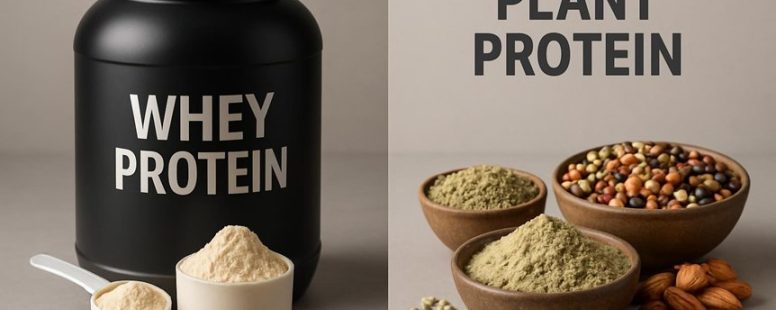
Imagine the rush of energy after a powerful lift, your muscles humming with potential. I saw a friend crush a squat PR after switching to a whey-focused protein plan, and it made me wonder—what truly sets whey apart from plant proteins?
Whey floods your system with rapid, complete amino acids and a surge of BCAAs, fueling your workout like a turbocharger. In contrast, plant proteins arrive more slowly, packed with diverse amino profiles and a sprinkle of fiber that aids digestion.
Surprisingly, some plant blends boost gut health and steady energy levels for hours. Whether your goal is lean muscle, fat loss, or performance gains, understanding these differences is like choosing the right tool for the job.
Let’s peel back the layers and discover what’s truly different—and what’s just a matter of preference.
How Protein Quality Should Influence Your Choice (Whey vs. Plant)
Protein quality is important because it shows how well your body can use the protein you eat. When choosing between whey and plant proteins, quality helps you make better decisions.
Whey protein is known for being easy to digest and having all the essential amino acids your body needs. These amino acids help build muscle and keep you feeling full longer. That makes whey a good choice if you want fast recovery after workouts or support muscle growth. But some people might be allergic or sensitive to whey because it comes from milk.
Plant proteins, like pea, rice, or soy, can also be good. But most plant sources do not have all the essential amino acids in the right amounts. To get the same benefits as whey, many plant proteins are mixed together to make a complete protein. For example, combining rice and pea protein can give you a better amino acid balance.
Flavor variety is also important. If you don’t enjoy the taste, it’s harder to stay consistent with your protein intake. Some people prefer the taste of whey, while others like plant-based options better.
Allergy concerns matter too. People who are lactose sensitive might avoid whey. Those with nut allergies need to check labels on plant proteins, especially if they contain added ingredients.
In short, pick a protein that your body can use easily, that tastes good to you, and that doesn’t cause allergies. This way, you will stay consistent and get the most benefit from your protein choice.
Plant Proteins: Amino-Acid Completeness vs. Whey
Plant proteins are often called incomplete because they don’t have all the essential amino acids the body needs. Whey protein, on the other hand, is complete and has all nine essential amino acids. This makes whey a great choice for building muscle and staying healthy.
But what does this mean for everyday eating? If you mostly eat plant-based foods, you might need to eat a variety of sources like beans, rice, and nuts to get all the amino acids your body needs. For example, beans are low in methionine but high in lysine, while grains are high in methionine but low in lysine. Combining them, like rice with beans, makes a full amino acid profile. It’s like mixing colors to get a complete picture.
Some people worry that plant proteins aren’t enough on their own. That’s true if you only eat one type of plant source. But eating a mix during the day can give you all the amino acids you need. Supplements can help too if you’re worried about missing some amino acids.
Whey protein is popular for athletes because it’s easy to digest and provides a quick boost of amino acids. But it’s made from milk, so it’s not suitable for vegans or people with dairy allergies. Plant proteins are usually lower in calories and fat, which could be a plus if you’re watching your weight.
There are some limitations. Plant proteins might not be as complete or fast-absorbing as whey. Plus, some people find plant sources less tasty or harder to prepare. Still, if you eat a varied diet, you can get enough amino acids without relying only on whey.
In short, whey is a complete protein with all essential amino acids, making it good for muscle growth. Plant proteins can be complete too, but you need to eat different sources or combine foods. Both options work, but knowing their limits helps you make the best choice for your diet.
Amino-Acid Completeness Rights
Amino-acid completeness means having all nine essential building blocks our bodies need from food. Whey protein is a complete source, giving you all these amino acids in the right amounts. But many plant proteins are not complete. They often lack one or more essential amino acids, like lysine or methionine, which are important for your health.
If you want to get all nine essentials from plants alone, you need to plan carefully. Some plant sources, like beans, are low in methionine but high in lysine. Others, like grains, have good methionine but less lysine. Combining different plants, such as rice and beans, can help fill in these gaps. Another option is choosing fortified plant protein powders or supplements that add missing amino acids.
Flavor and safety are also key. Different proteins taste different, and some people may be allergic. Dairy protein like whey can cause reactions if you are lactose intolerant or allergic. Soy and gluten are common allergens too. So, it’s not just about nutrition, but also about what you can safely eat.
In short, if you rely only on plants for protein, you need to think about mixing foods or using supplements to make sure you get all nine amino acids. This can be simple, but it does take some planning. Be aware that taste and allergies matter just as much as nutrition. By understanding which plant sources are complete or incomplete, you can pick the best protein for your goals and needs.
Plant vs Whey Profiles
Plant proteins and whey are two common choices for building muscle and staying healthy. The main difference is that whey provides all essential amino acids in one complete protein. Most plant proteins, like peas, rice, hemp, or soy, do not have all amino acids on their own. To get enough, you need to mix different plant sources. With some planning, you can meet your needs without using whey.
1) Flavor variety is key. Different plant proteins taste and feel different. For example, pea protein has a earthy flavor, while rice protein is milder. Trying different options keeps your routine interesting and helps you stay consistent.
2) Allergen concerns matter. Dairy-free options like plant proteins can help if you are lactose intolerant or allergic to milk proteins. But some plant options, such as soy or nuts, might cause allergies or intolerances for others.
3) Practicality comes from combining sources. For example, mixing rice and pea protein can give you a complete amino acid profile. This way, you don’t have to sacrifice taste or enjoyment to meet your daily needs.
Some people prefer whey because it is complete and quick to digest. Others choose plant proteins to avoid dairy or because they prefer plant-based diets. Both choices have benefits and limits. For example, plant proteins often have more fiber and nutrients, but may require more thought to get enough amino acids.
Essential Aminos Considerations
Essential amino acids are the building blocks your body needs to stay healthy. Whey protein is a complete source, meaning it has all these amino acids in the right amounts. Many plant proteins, however, do not have all essential amino acids on their own. This means you might need to mix different plant sources, like beans and rice, to get a full set. Some companies make fortified plant protein products that already have all amino acids balanced.
When choosing a protein supplement, look for one that scores high on amino acid completeness. This score shows how well the product supplies all essential amino acids. Leucine is especially important because it helps your muscles grow. Check how much leucine is in the protein to support muscle repair and building.
Flavor variety is a good way to keep your routine interesting. If you get tired of the same taste, try different flavors like vanilla, chocolate, or berry. Packaging matters, too. On-the-go options should be resealable and keep the powder fresh longer. This way, you get maximum benefits from your supplement anytime you need it.
Some people believe that only complete proteins are good enough, but others say combining different plant sources works just as well. Keep in mind that no single source needs to be perfect. Combining options across meals can meet your amino acid needs without needing expensive fortified products. Just remember, balance and variety are key!
Digestive Tolerance: Whey vs. Plant Proteins
Digestive tolerance is different for whey and plant proteins. Knowing how your gut reacts can help you pick the right protein for you. Here’s a simple guide on how each type affects digestion.
Whey protein is fast-digesting, meaning it gets broken down quickly, which is good after workouts. But some people who are sensitive to dairy might find it causes gas or bloating. For example, if you drink whey and feel uncomfortable, you might want to try something else.
Plant proteins usually contain fiber and have different textures. They often digest more slowly and may be easier on some stomachs. However, blends or isolates vary in how easy they are to digest. Some brands, like pea or rice protein, might cause less stomach upset.
Allergens and flavors also matter. Whey comes from milk, so people with dairy allergies or lactose intolerance should avoid it. On the other hand, some plant proteins are gluten-free or hypoallergenic, which can be better for sensitive stomachs.
Choosing the right protein depends on how your gut feels. Some people find whey works well for quick recovery, but it may cause issues for others. Trying different options can help you find what fits your digestion best.
Recovery Timing: What Actually Drives Muscle Growth
Recovery timing is not about finding the perfect moment after your workout. Instead, it’s about doing what helps your muscles grow best. The most important thing is eating enough protein throughout the day. Spreading your protein evenly across meals is better than trying to eat a lot right after exercising. For example, aim for a small amount of protein every 3 to 4 hours. Having a little extra before and after your workout can help too.
What really matters is being consistent, not the exact time you eat. You don’t need to stress over a specific post-workout snack. Instead, focus on eating enough calories and getting enough rest. Flavor choices matter because they help you stick to your plan—try different tastes or snacks you enjoy.
Many companies now offer convenient protein powders or bars. These make it easier to get your protein on the go, but they don’t make your muscles grow faster by themselves. The key is using what works for you regularly.
Some people think timing your protein intake is very important, but research shows that total daily protein intake and consistency matter much more. If you want muscles to grow, focus on eating enough protein every day and giving your body time to recover. Remember, it’s about habits, not a single perfect moment.
Practical Picks by Cost, Availability, and Sustainability
When we talk about choosing a good protein, the most important thing is how much it costs, how easy it is to find, and whether it’s good for the planet. The best options are those that give you enough protein without costing too much or hurting the environment.
For example, some proteins like beans and lentils are cheap per gram and easy to find in most grocery stores. They also grow quickly and don’t need much water or land. That makes them a good choice for someone who wants to save money and help the planet. On the other hand, beef is high in protein but costs more and takes more resources to produce.
Another point to think about is how accessible the protein source is. Some foods, like chicken or eggs, are available almost everywhere. You can find them in most supermarkets or online. But certain specialty proteins, like plant-based options from brands like Beyond Meat or Impossible Foods, might not be available in every store. They are often more expensive too.
Lastly, consider how the production of these proteins impacts the environment. Plant-based proteins usually have a lower carbon footprint than animal-based ones. For example, growing beans produces less greenhouse gases than raising cattle. However, some plant-based products are made with lots of processing, which can use energy and water.
There are two sides to this. Some people prefer plant proteins because they are cheaper and kinder to the planet. Others choose animal proteins for taste and variety. Remember, no matter what you pick, it’s good to look for options that balance cost, availability, and sustainability. This way, you can eat well without hurting your wallet or the Earth.
Cost-Based Picks
Protein choices often come down to cost. The best options are those that are affordable, easy to find, and good for the environment. Here are some simple, practical picks based on price, availability, and packaging.
1) Budget whey blends: These are cheap per serving and easy to find at stores like Walmart or Target. Buying larger tubs reduces waste because you use less packaging. They work well if you want a quick, affordable protein with familiar flavor.
2) Plant-protein options: These tend to cost less per gram and are often sold in recyclable containers. Brands like pea or rice protein are common and mix well into shakes. They are good if you want more sustainable choices that won’t hurt your wallet.
3) Multi-protein mixes: These combine different sources like whey and plant proteins. They usually cost a little more but can give better taste and nutrition. Resealable pouches help cut down on waste and make it easy to use small amounts over time.
Some people pick based on taste. Others care about how packaging affects daily use and the environment. If you want simple and cheap, start with a common whey or plant protein. As your budget grows, you can try blends for more flavor and variety.
Availability and Sustainability
Choosing a protein source is about more than just price. It’s also about how easy it is to get and how it impacts the environment. The best options are those that are available nearby and produced in ways that are kind to the planet.
Whey protein comes from dairy farming, which is common in many areas. But after certain seasons or market changes, the supply can drop, making it harder to find. Plant proteins, like beans or lentils, can be more steady in some places. Still, their availability depends on crop seasons and how far they have to be transported.
Sustainable practices are very important too. Good practices include processing that uses less energy, fair treatment of workers, and less waste. When choosing a protein, look for brands that share where they get their ingredients from, use local sources when possible, and avoid lots of packaging.
In real life, it’s better to pick a protein you can buy regularly. Also, choose ones that come from farms that try to lower emissions and save water. For example, buying local beans from a nearby farm can be better for the environment than imported soy from thousands of miles away.
Some people say dairy proteins like whey are better because they are complete proteins, but they can be harder to get if supply tightens. Plant proteins are often more consistent but may need to be combined to get all essential amino acids. Both have their pros and cons, so think about what works best for you and the environment.
Choosing Whey or Plant for Your Goal: Lean Mass, Weight Loss, or Performance
Choosing between whey and plant protein depends on your goal. Here’s a simple guide to help you pick the best option for your needs—whether you want to build lean muscle, lose weight, or improve performance.
First, let’s look at each goal:
Lean Mass: The best choice is a protein that has a complete amino acid profile. Whey protein usually wins here because it provides all the essential amino acids quickly. It also helps you stay in calorie balance while supporting muscle gains. If you want to build muscle without extra fat, whey is a solid pick. Some plant proteins, like soy or pea, can also be complete but may not digest as fast.
Weight Loss: The goal is to feel full longer and keep calories low. Plant proteins often have fewer calories per serving and contain fiber, which helps with satiety. Whey can work too, but some types have more calories or added sugars. If you want a protein that keeps you full and supports your diet, many people choose plant options like rice or hemp protein.
Performance: For quick recovery after workouts, look for proteins rich in BCAAs (branched-chain amino acids) or collagen. Whey is high in BCAAs and absorbs fast, making it a popular choice for athletes. Some plant proteins also have BCAAs but may take longer to digest. If recovery speed matters most, whey usually has the edge.
When choosing, consider flavor variety, ingredient sourcing, and convenience. Some brands like Optimum Nutrition or Garden of Life offer good options. Think about when to drink your protein—before or after workouts—to get the best results.
How to Combine Whey and Plant Proteins for Best Results
Pairing whey with plant proteins can give you the best of both worlds. Whey digests quickly and provides amino acids that help muscles recover fast. Plant proteins, like pea or rice, add fiber, more variety, and often fewer calories. Combining them can improve your workout results and keep your meals interesting.
If you are new to mixing proteins, start with equal parts of whey and plant protein. For example, mix one scoop of whey with one scoop of pea protein. After trying this for a week, you can change the ratios based on how your body feels. If you want more recovery, add more whey after your workout. If you want more fiber and fewer calories, increase the plant protein.
You can also blend whey and plant proteins in the same shake. For example, after a workout, mix whey with a plant protein like hemp or rice. On rest days, switch to just plant protein. This way, you get steady protein intake during the day.
Changing flavors can make your shakes more fun. Try adding fruits like berries or bananas, or flavorings like vanilla or cocoa. Be careful if you or your family are allergic to dairy or legumes. Some plant proteins come from soy or peas, which can cause allergies for some people.
Watch how each mix makes you feel. Some blends may keep you full longer, or help you recover faster. Keep track of how you feel after each shake. This will help you find the best mix for your goals.
Some people worry about mixing dairy and plant proteins because of digestion issues or allergies. Others prefer to keep dairy out of their diet. Both choices can work, but it’s good to listen to your body and adjust accordingly.
To provide the best experiences, we use technologies like cookies to store and/or access device information. Consenting to these technologies will allow us to process data such as browsing behaviour or unique IDs on this site. Not consenting or withdrawing consent, may adversely affect certain features and functions.
Functional
Always active
The technical storage or access is strictly necessary for the legitimate purpose of enabling the use of a specific service explicitly requested by the subscriber or user, or for the sole purpose of carrying out the transmission of a communication over an electronic communications network.
Preferences
The technical storage or access is necessary for the legitimate purpose of storing preferences that are not requested by the subscriber or user.
Statistics
The technical storage or access that is used exclusively for statistical purposes.The technical storage or access that is used exclusively for anonymous statistical purposes. Without a subpoena, voluntary compliance on the part of your Internet Service Provider, or additional records from a third party, information stored or retrieved for this purpose alone cannot usually be used to identify you.
Marketing
The technical storage or access is required to create user profiles to send advertising, or to track the user on a website or across several websites for similar marketing purposes.