Picture this: you’re rushing through a hectic day, trying to squeeze in a workout and still meet your nutritional goals. A quick scoop of protein powder seems like the perfect solution, right? It’s convenient, versatile, and promises to fuel your muscles while saving you time. But is it really as flawless as it seems?
Protein powder has become a staple in fitness routines and kitchen cabinets, but it’s not without its complexities. While it can help you hit those protein targets and support your fitness goals, there are potential downsides you might not have considered. Understanding the balance between its benefits and drawbacks can help you make smarter choices for your health.
Whether you’re a seasoned gym-goer or just exploring ways to boost your diet, knowing the pros and cons of protein powder is key. Let’s break it down so you can decide if it’s the right fit for your lifestyle.
What Is Protein Powder?
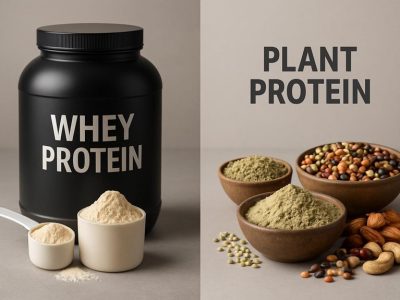
Protein powder is a concentrated source of dietary protein extracted from animal or plant-based sources. Common sources include whey, casein, soy, pea, rice, and hemp. It’s available in powder form and is mixed with liquids like water or milk to create protein shakes or added to recipes.
Manufacturers process ingredients to isolate or concentrate protein content. This process removes most carbohydrates, fats, and other components, leaving a high-protein powder. For example, whey protein is a byproduct of cheese production, while plant-based powders often come from legumes or seeds.
Protein powders cater to different dietary needs. Whey protein suits those seeking fast-digesting options, whereas casein provides slower digestion, ideal for overnight recovery. Vegan protein powders, like pea or rice protein, offer plant-based alternatives for those avoiding animal products.
Various protein powders contain added vitamins, minerals, and flavorings. You might find powders with added branched-chain amino acids (BCAAs) or digestive enzymes to enhance absorption and support specific fitness goals.
Protein powders are convenient for individuals with busy schedules, offering a quick way to increase protein intake. They also benefit those with increased protein requirements, such as athletes, bodybuilders, or vegetarians.
Types Of Protein Powder
Different protein powders offer distinct benefits depending on their source, digestion rate, and nutritional profile. Understanding these types helps you choose one that aligns with your health goals and dietary preferences.
Whey Protein
Whey protein is derived from milk during the cheese-making process. It’s a complete protein, meaning it contains all nine essential amino acids. Its fast digestion makes it ideal for post-workout recovery, helping repair muscles quickly. If you’re aiming to build lean muscle mass or improve athletic performance, whey is a great choice. Popular options include whey protein isolate, whey concentrate, and hydrolysate. Isolate boasts a higher protein content with minimal fat and carbs, while concentrate retains more nutrients.
Casein Protein
Casein protein also comes from milk but digests slower compared to whey. This slow absorption helps sustain a steady release of amino acids over several hours. Casein is often consumed before bedtime to support overnight muscle repair and growth. If you’re looking to prevent muscle breakdown during extended fasting periods, this is a suitable option. It’s commonly found in products like micellar casein powder, which is minimally processed for high-quality protein delivery.
Plant-Based Protein
Plant-based protein powders include sources like pea, rice, hemp, and soy protein. These options cater to vegans, vegetarians, or individuals with lactose intolerance. Pea protein offers a good amino acid profile and is easily digestible. Brown rice protein, though slightly lower in lysine, can be blended with pea for a complete amino acid spectrum. Hemp protein is rich in fiber and omega-3 fatty acids. Soy protein stands out for its high-quality protein comparable to animal-derived sources.
Other Options
Egg protein, sourced from egg whites, is another complete protein option. Beef protein isolate provides a lactose-free alternative for those avoiding dairy. Collagen protein supports skin health, joint function, and connective tissues. Multi-source protein blends combine different types, offering balanced digestion rates and enhanced nutritional profiles. These options accommodate diverse needs, from allergy concerns to targeted health benefits.
Pros Of Protein Powder
Protein powder offers a range of advantages that contribute to its popularity among fitness enthusiasts and individuals seeking convenient nutritional options.
Convenience And Accessibility
Protein powder provides an easy way to consume protein, especially when cooking or preparing protein-rich meals feels impractical. It’s portable, making it ideal for busy lifestyles or travel. Mix a scoop in water or milk, and you have a quick, nutrient-rich shake ready in minutes. Many powders are versatile, allowing addition to smoothies, oatmeal, or baked goods.
Pre-measured serving sizes ensure precise protein intake, matching dietary goals without significant effort. For example, gym-goers can optimize recovery with a post-workout shake, or office workers can sustain energy during long workdays with minimal disruption. Single-serving packets and resealable tubs make it even more accessible.
Supports Muscle Growth And Recovery
Protein powders, particularly those high in branched-chain amino acids (BCAAs) like whey protein, enhance muscle recovery and growth after intense exercise. Protein synthesis is crucial for repairing damaged muscle fibers. Without adequate protein, your muscles struggle to recover efficiently. Studies indicate that consuming 20-40 grams post-workout maximizes recovery and performance.
Fast-digesting proteins such as whey ensure amino acids reach your muscles promptly. For instance, athletes benefit from quick absorption after training, supporting adaptation and strength gains. Slow-digesting options like casein sustain muscle repair overnight, reducing breakdown during sleep.
Helps Meet Protein Requirements
Meeting daily protein needs can be challenging, particularly for individuals with dietary restrictions like vegetarians or those deficient in time for meal preparation. Protein powder acts as a reliable supplement. For example, a 30-gram serving of whey protein powder delivers around 25 grams of protein, supporting muscle maintenance and general health.
Athletes and individuals with greater protein demands rely on it to fulfill recommended intake levels without excessive calories. Plant-based powders such as pea and rice cater to vegans, ensuring inclusivity while maintaining nutrition.
Cons Of Protein Powder
Even though its benefits, protein powder has drawbacks that require careful consideration to ensure its use aligns with your nutritional goals and health needs.
Potential For Overuse
Excessive consumption of protein powder can strain your kidneys, especially if you already have underlying kidney conditions. Overusing it as a food substitute might displace whole, nutrient-dense foods from your diet, leading to deficiencies in fiber, vitamins, and minerals. For example, relying solely on protein shakes instead of meals can limit the variety of nutrients your body needs. Also, consuming too much protein beyond your daily requirements doesn’t offer extra benefits; instead, it may be stored as fat.
Added Sugars And Artificial Ingredients
Many commercial protein powders contain added sugars or artificial sweeteners to improve taste. High levels of sugar increase calorie content, contributing to weight gain if not managed. For instance, some flavored protein powders can contain over 10 grams of sugar per serving, comparable to certain candy bars. Artificial additives like sucralose or aspartame may trigger digestive issues, such as bloating or diarrhea, in sensitive individuals. Checking the ingredient label helps you identify potential additives that don’t align with your dietary preferences.
Allergies And Intolerances
Protein powders may cause reactions in individuals with allergies or intolerances. Whey and casein, derived from milk, are unsuitable for those with lactose intolerance or dairy allergies; symptoms may include cramping, bloating, or diarrhea. Plant-based options like soy protein can be problematic for individuals allergic to soy. For example, cross-contamination in some manufacturing processes might expose allergen-sensitive users to unintended ingredients. Reading allergen warnings and selecting certified allergen-free products reduces these risks.
How To Choose The Right Protein Powder
Selecting the right protein powder ensures your dietary goals and health needs are met without unnecessary complications. Tailor your choice by evaluating key factors that align with your preferences.
Consider Your Dietary Needs
Identify your specific requirements to narrow down options. Those on a vegan diet benefit from plant-based proteins like pea or soy, which are free of animal derivatives. If lactose intolerance is present, consider powders like rice protein or egg protein isolate that avoid dairy completely. Athletes often prefer whey protein for its rich amino acid profile and quick absorption. But, if you’re focusing on long-term satiety or muscle repair overnight, casein could be more appropriate.
For weight management, lean alternatives with minimal carbohydrates and fats work best. Meanwhile, individuals aiming for weight gain can seek options engineered with higher calorie content. People with allergies, such as nut or soy intolerances, must check for cross-contamination risks in manufacturing practices. Matching the powder with your lifestyle and physical goals eliminates dietary mismatches.
Check Ingredient Labels
Review ingredient lists to ensure quality and safety. Artificial sweeteners, such as aspartame or sucralose, are often included but can cause digestive discomfort for some individuals. Organic or minimally processed powders offer cleaner formulations with fewer additives. Identify added sugars explicitly, as excessive sugar disrupts diet plans or raises calorie intake. For instance, avoid products containing over 2 grams of added sugar per serving if you’re monitoring sugar consumption.
Prioritize products fortified with natural vitamins and minerals wherever possible. Branched-chain amino acids (BCAAs) are crucial in recovery-focused blends, while collagen protein often includes peptides to enhance skin and joint health. Ensure allergen information is visibly included, especially when choosing whey or soy-based powders.
Consult A Healthcare Professional
Get proper guidance through a health professional, particularly if you’re introducing protein powder to a restrictive diet. Experts evaluate medical conditions, such as kidney health, which could limit protein tolerance. Seek advice for pregnancy-safe options or if managing chronic illnesses like diabetes.
Ask for recommendations tailored to your workout intensity or age group. Younger adults with heavy exercise regimens generally require higher protein counts compared to the elderly focused on maintaining muscle mass. Incorporating evidence-backed options approved by professionals avoids potential health risks.
Conclusion
Protein powder can be a valuable tool to support your nutritional and fitness goals, but it’s essential to approach it with balance and awareness. By understanding its benefits and potential drawbacks, you can make choices that align with your health needs and lifestyle.
Whether you’re an athlete, a busy professional, or someone exploring dietary supplements, selecting the right protein powder requires thoughtful consideration. Prioritize quality, check ingredient labels, and ensure it complements your overall diet rather than replacing whole foods. With the right approach, protein powder can be a practical addition to your routine.
To provide the best experiences, we use technologies like cookies to store and/or access device information. Consenting to these technologies will allow us to process data such as browsing behaviour or unique IDs on this site. Not consenting or withdrawing consent, may adversely affect certain features and functions.
Functional
Always active
The technical storage or access is strictly necessary for the legitimate purpose of enabling the use of a specific service explicitly requested by the subscriber or user, or for the sole purpose of carrying out the transmission of a communication over an electronic communications network.
Preferences
The technical storage or access is necessary for the legitimate purpose of storing preferences that are not requested by the subscriber or user.
Statistics
The technical storage or access that is used exclusively for statistical purposes.The technical storage or access that is used exclusively for anonymous statistical purposes. Without a subpoena, voluntary compliance on the part of your Internet Service Provider, or additional records from a third party, information stored or retrieved for this purpose alone cannot usually be used to identify you.
Marketing
The technical storage or access is required to create user profiles to send advertising, or to track the user on a website or across several websites for similar marketing purposes.