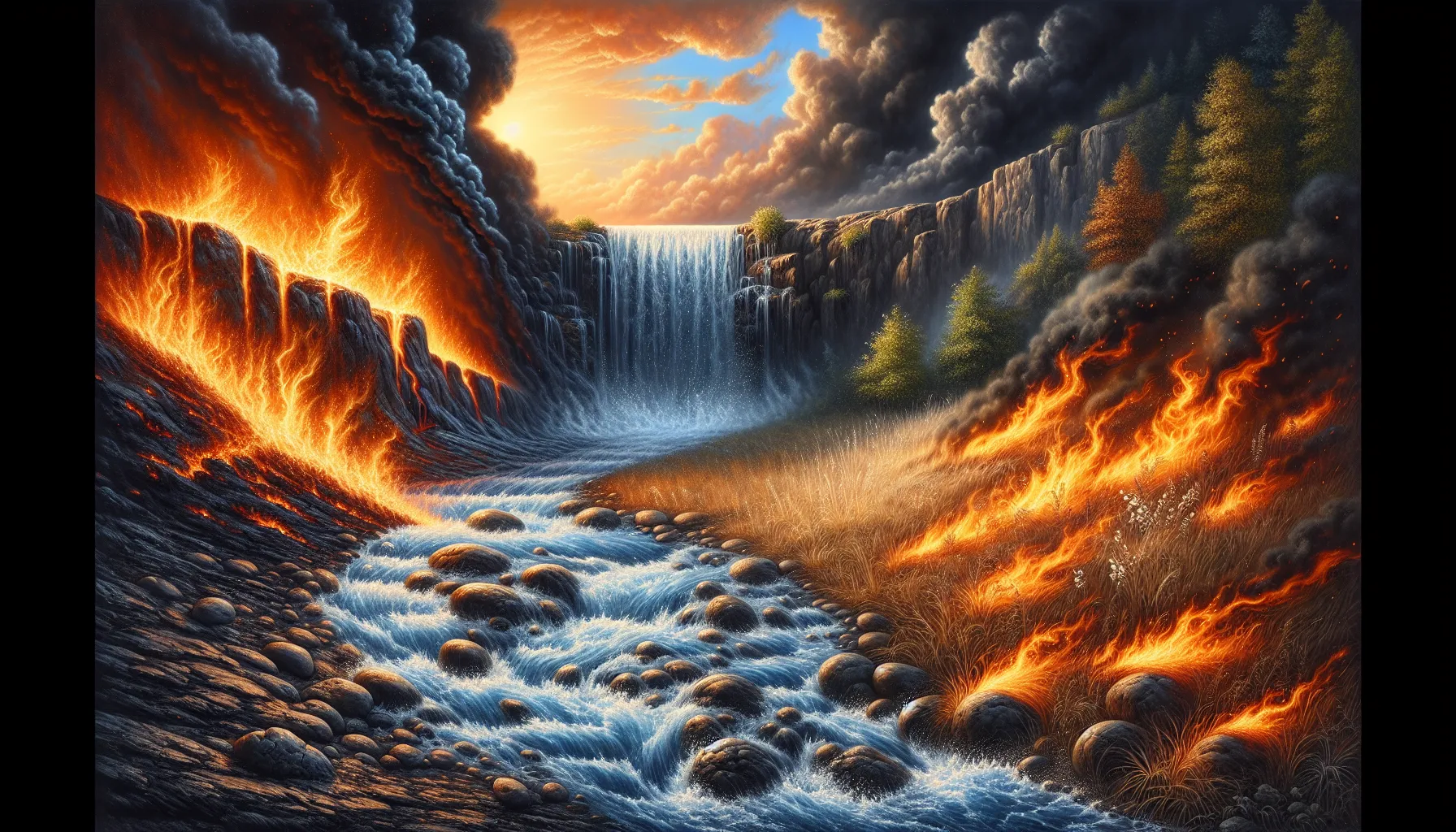
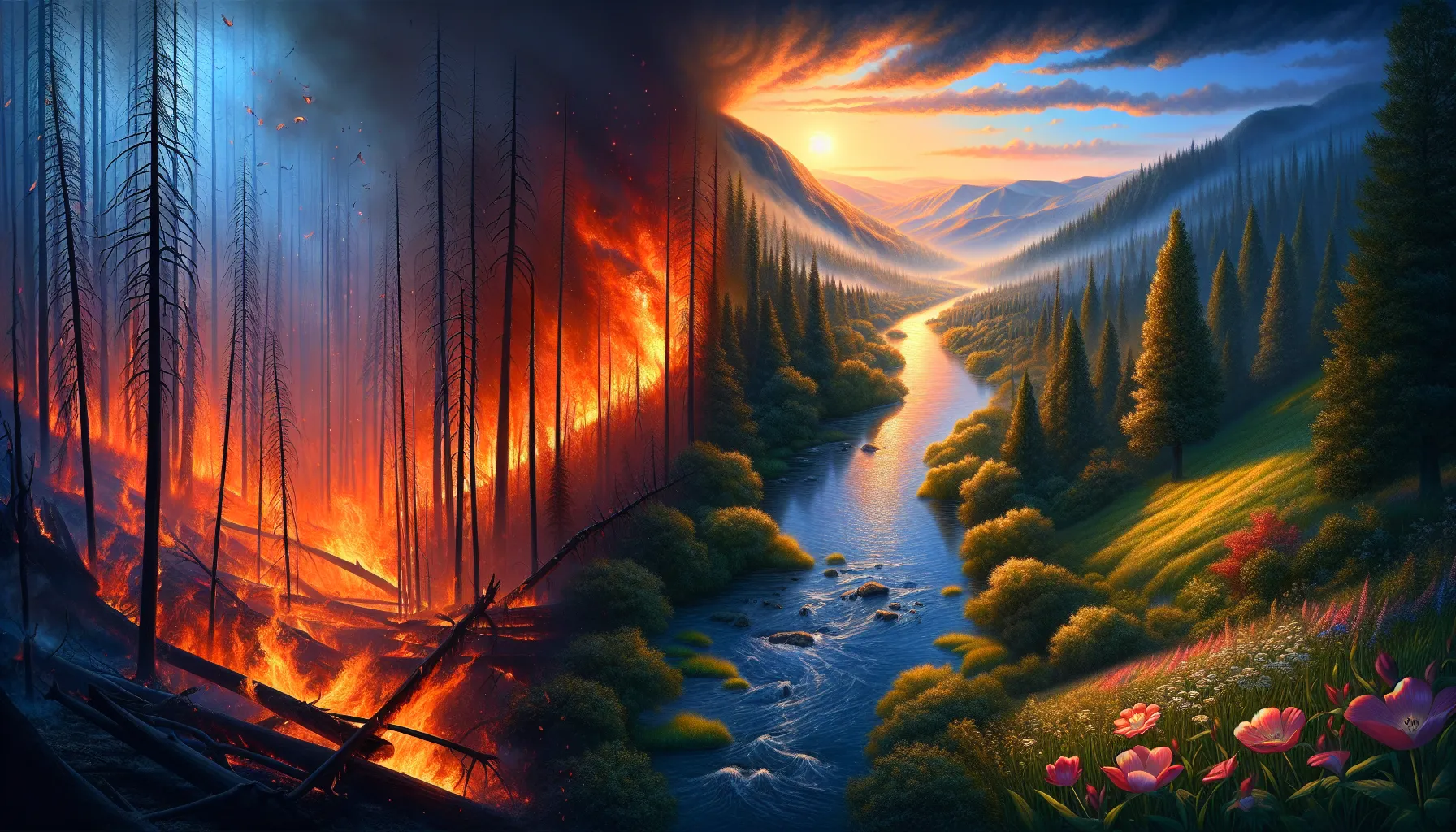
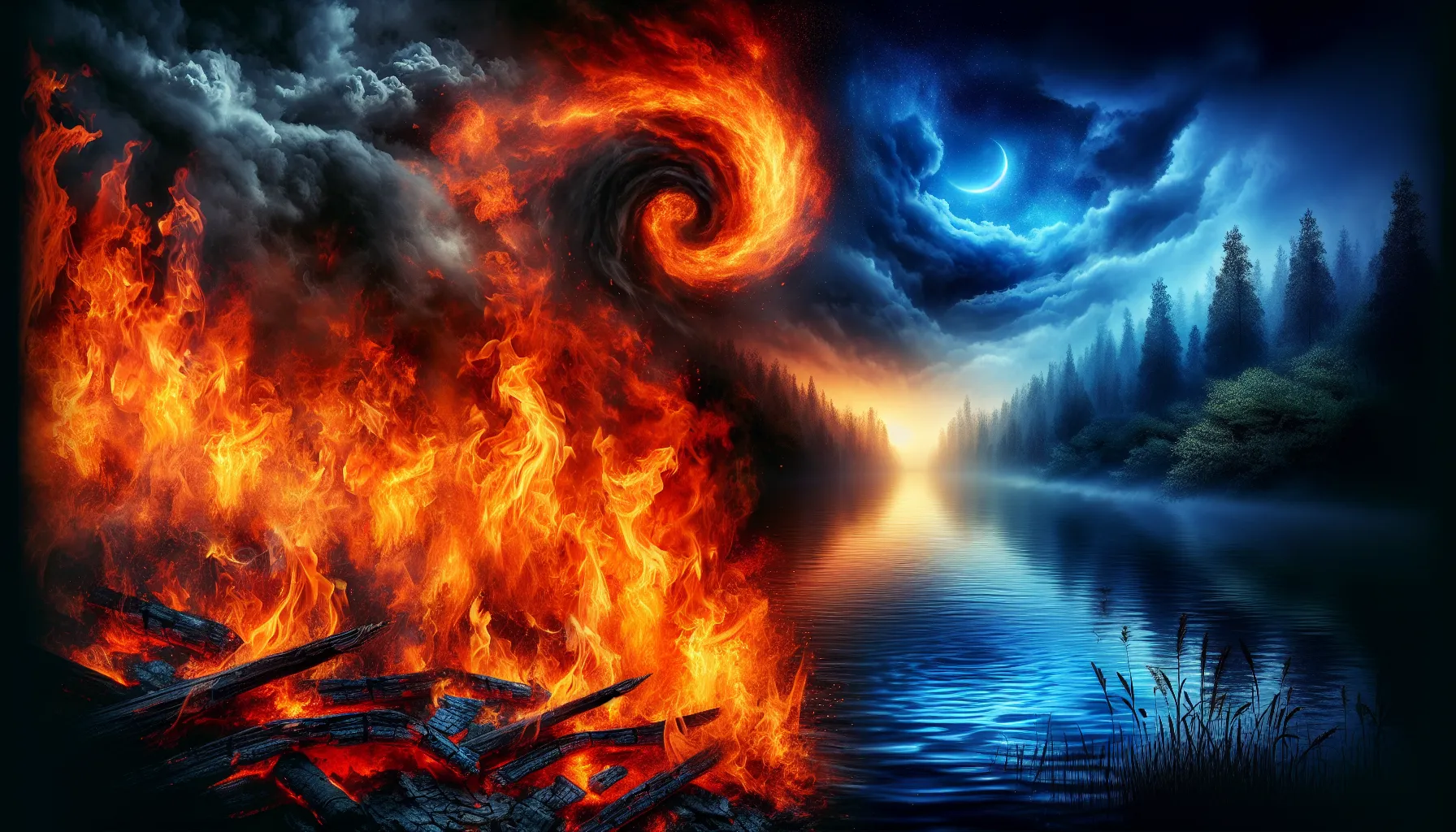
From the flickering flames of a candle to the relentless motion of a river, fire and water are two of nature’s most potent forces. Each element captivates our imagination and influences our lives in profound ways. As we ponder the eternal question of which is stronger, fire or water, we invite you to explore their unique characteristics, their cultural significance, and their physical interactions with each other. Through this journey, we will uncover surprising insights and forge a deeper understanding of these powerful elements that shape our world.
Understanding The Elements
The Nature Of Fire
Fire is often viewed as a chaotic and destructive force. It consumes everything in its path and transforms materials through combustion, releasing heat and light in the process. At its core, fire is a chemical reaction involving oxygen, fuel, and heat, the trio known as the “fire triangle.” When these elements come together, they create a fierce reaction that is hard to control, showcasing fire’s unyielding nature. Fire’s ability to spread rapidly can lead to wildfires, burning millions of acres of land and affecting ecosystems.
The Characteristics Of Water
In contrast, water represents life and sustenance. It is essential to all living beings, playing a crucial role in growth and survival. Water is unique due to its fluidity, ability to exist in various states (solid, liquid, gas), and its remarkable capacity to dissolve many substances. This enables water to support ecosystems and agriculture, making it a vital resource. Its presence can be calming, yet it can also become a force of destruction through floods and storms, highlighting its duality and power.
Understanding The Elements
The Nature Of Fire
Fire captivates us with its vibrant energy, a manifestation of chemical reactions that transforms matter into heat and light. This process, driven by the fire triangle of fuel, heat, and oxygen, enables fire to ignite and flourish. With its unbridled ferocity, fire can incinerate forests in mere moments, leading to the loss of habitats and human properties alike. Yet, fire also serves essential purposes in our lives, from providing warmth and energy to facilitating the culinary arts. This duality showcases fire’s strength as both a creator and destroyer.
The Characteristics Of Water
Contrastingly, water is the quintessential element of life, intricately linked to sustenance and survival. As a fluid, it adapts to its environment, flowing effortlessly through both land and sea. Water’s unusual properties, such as its ability to dissolve numerous substances and its essential role in biochemical reactions, exemplify its nurturing aspect. But, water also displays astonishing power, evident in its capacity to flood cities, carve out canyons, and sustain life amidst harsh climates. Its strength can be both gentle and overwhelming, reminding us of nature’s delicate balance.
Symbolism And Cultural Perceptions
Fire In Mythology And Literature
In many cultures, fire embodies passion, transformation, and even chaos. From Prometheus stealing fire for humanity to the phoenix rising from the ashes, fire symbolizes renewal and destruction alike. Literary works often use fire as a motif to express deep emotions, showcasing its ability to ignite passion or provoke destruction. It represents human ambition, creativity, and even wrath, evident in various mythologies around the world.
Water In Mythology And Literature
Water, on the other hand, symbolizes purity, healing, and abundance. Mythologies worldwide revere water as a life-giving force, often associating it with creation and renewal. In literature, water can signify emotional depth and healing, often portrayed as a source of comfort and clarity. Yet, it also embodies danger and unpredictability, as seen in tales of floods and storms. The contrasting symbolism of fire and water illustrates not only their elemental power but also their roles in human emotion and spirituality.
Physical Interactions Between Fire And Water
How Fire And Water Affect Each Other
The interplay between fire and water reveals a fascinating dynamic. When water comes into contact with fire, it typically extinguishes flames, showcasing water’s dominance in this encounter. But, fire can also vaporize water, releasing steam, which can be harnessed for energy in various applications. This cyclical relationship reminds us of their capabilities: water can suffocate flames, while fire can transform water into a different state.
Applications In Technology And Industry
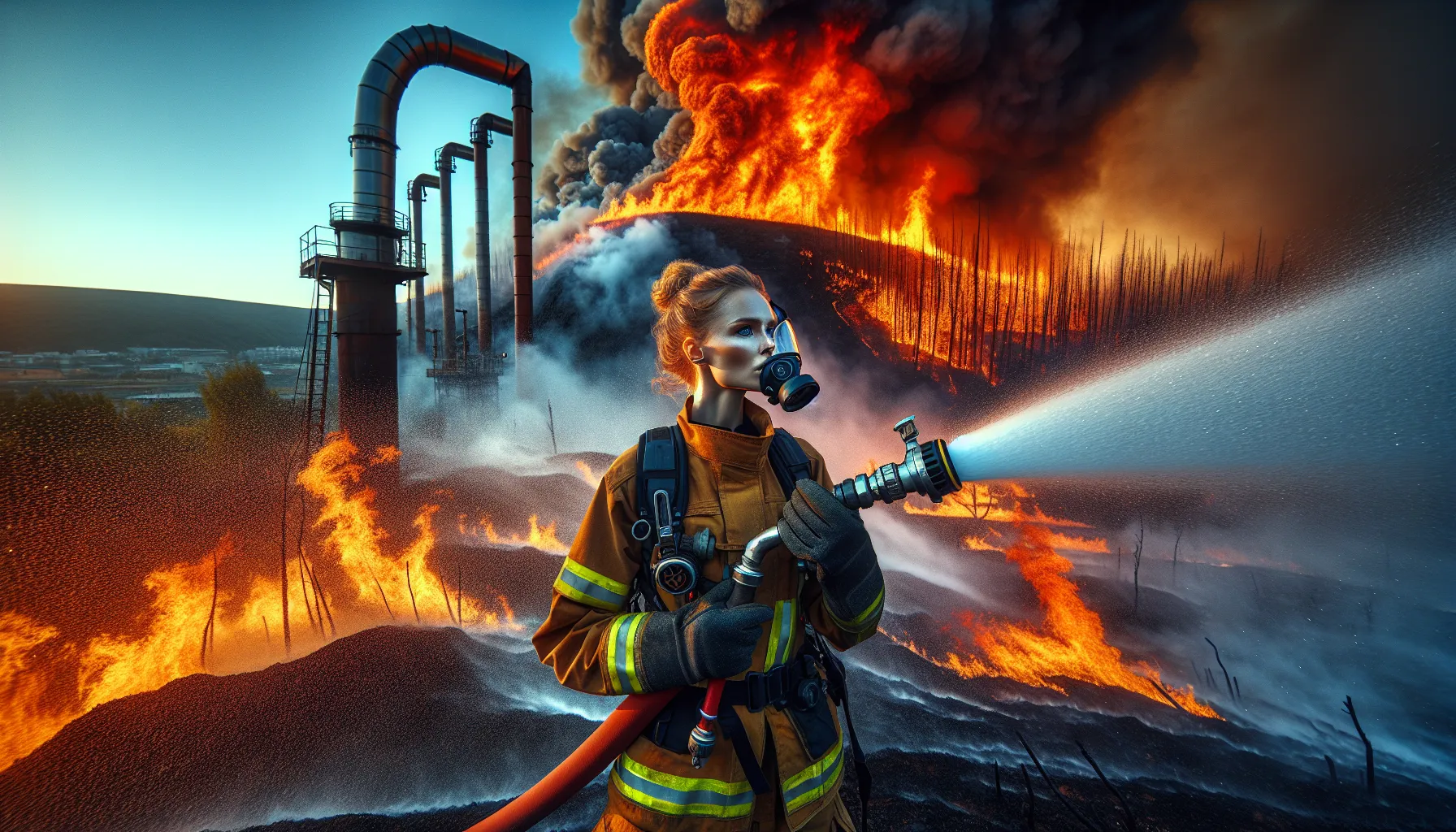
Understanding the interplay between fire and water has led to remarkable advancements in technology. In firefighting, for example, water’s extinguishing properties enable crews to control wildfires and urban blazes. Similarly, industries capitalize on steam power created from boiling water using heat, transforming it into a critical component of energy generation. This balance between the two elements not only shapes our technological advancements but also ensures our safety.
Practical Implications In Daily Life
Fire Safety Measures
Living with fire necessitates respect and caution. We must establish fire safety measures, such as smoke detectors, fire extinguishers, and clear escape routes, in our homes and workplaces. By understanding fire’s potential for destruction, we can prepare and protect ourselves and our loved ones. Comprehensive training in fire safety further enables us to respond effectively in emergencies, reinforcing our awareness and responsibility.
Water Management Practices
Similarly, water management practices are crucial in preventing floods and ensuring safe consumption. Communities create drainage systems, levees, and reservoirs to manage water resources effectively. Particularly in areas prone to heavy rains or drought, understanding the power of water allows us to mitigate risks and conserve this precious resource. Through mindful water management, we not only ensure our survival but also protect the environment.
Environmental Impact And Balance
The Role Of Water In Fire Control
Water plays a pivotal role in controlling fires, acting as a natural extinguisher and resource. In wildfires, for example, water is often the first line of defense. Firefighters use both aerial and ground resources to combat flames, highlighting the vital relationship between these elements in preserving ecosystems and communities. But, overly damp environments can foster fungi and insects, creating a delicate balance between too much water and fire risk.
The Consequences Of Fire On Water Sources
Conversely, the impact of fire on water sources cannot be overlooked. Wildfires can lead to soil erosion and contamination of waterways, adversely affecting aquatic ecosystems. As forests burn, the ash and debris can pollute rivers and lakes, disrupting the delicate balance of life. This interdependence emphasizes the need for responsible land management practices to preserve both fire and water sources in harmony.
Conclusion
As we have explored, the question of whether fire is stronger than water speaks to the heart of nature’s complexities. Each element possesses unique strengths and weaknesses, neither truly dominant over the other. Fire ignites passion and creativity while water sustains life and nurtures the environment. Recognizing their interdependence allows us to appreciate these forces while understanding our responsibility in managing them. By adopting proactive measures for fire safety and water conservation, we can coexist harmoniously with these powerful elements that shape our world.
To provide the best experiences, we use technologies like cookies to store and/or access device information. Consenting to these technologies will allow us to process data such as browsing behaviour or unique IDs on this site. Not consenting or withdrawing consent, may adversely affect certain features and functions.
Functional
Always active
The technical storage or access is strictly necessary for the legitimate purpose of enabling the use of a specific service explicitly requested by the subscriber or user, or for the sole purpose of carrying out the transmission of a communication over an electronic communications network.
Preferences
The technical storage or access is necessary for the legitimate purpose of storing preferences that are not requested by the subscriber or user.
Statistics
The technical storage or access that is used exclusively for statistical purposes.The technical storage or access that is used exclusively for anonymous statistical purposes. Without a subpoena, voluntary compliance on the part of your Internet Service Provider, or additional records from a third party, information stored or retrieved for this purpose alone cannot usually be used to identify you.
Marketing
The technical storage or access is required to create user profiles to send advertising, or to track the user on a website or across several websites for similar marketing purposes.