In the vibrant world of technology, operating systems play a crucial role in defining our computing experiences. As we investigate into the history of Microsoft Windows, two titans emerge: Windows XP and Windows Vista. Each has carved its own path, shaping how we perceive functionality, design, and usability. But what if we told you that one of these systems significantly predates the other? Picture this: the early 2000s, a time when smooth user interfaces and increased security became the buzzwords in tech discussions. Are you curious about how these two operating systems differ in age and impact? Join us as we unfold the narrative of Windows XP and Vista, exploring not just their history, but also the features that made them icons in their own right.
Overview of Windows Operating Systems
Windows operating systems have long been the backbone of personal computing. Since the introduction of Windows 1.0 in 1985, Microsoft has continually evolved its software, catering to the needs of both the casual user and the enterprise environment. Each version brought improvements, reflecting technological advancements and user feedback. Within this framework, Windows XP and Vista both represent crucial milestones, each marked by significant changes and features that addressed the evolving demands of users. Understanding the timeline and context of their releases helps us appreciate the unique qualities they offered.
History of Windows XP
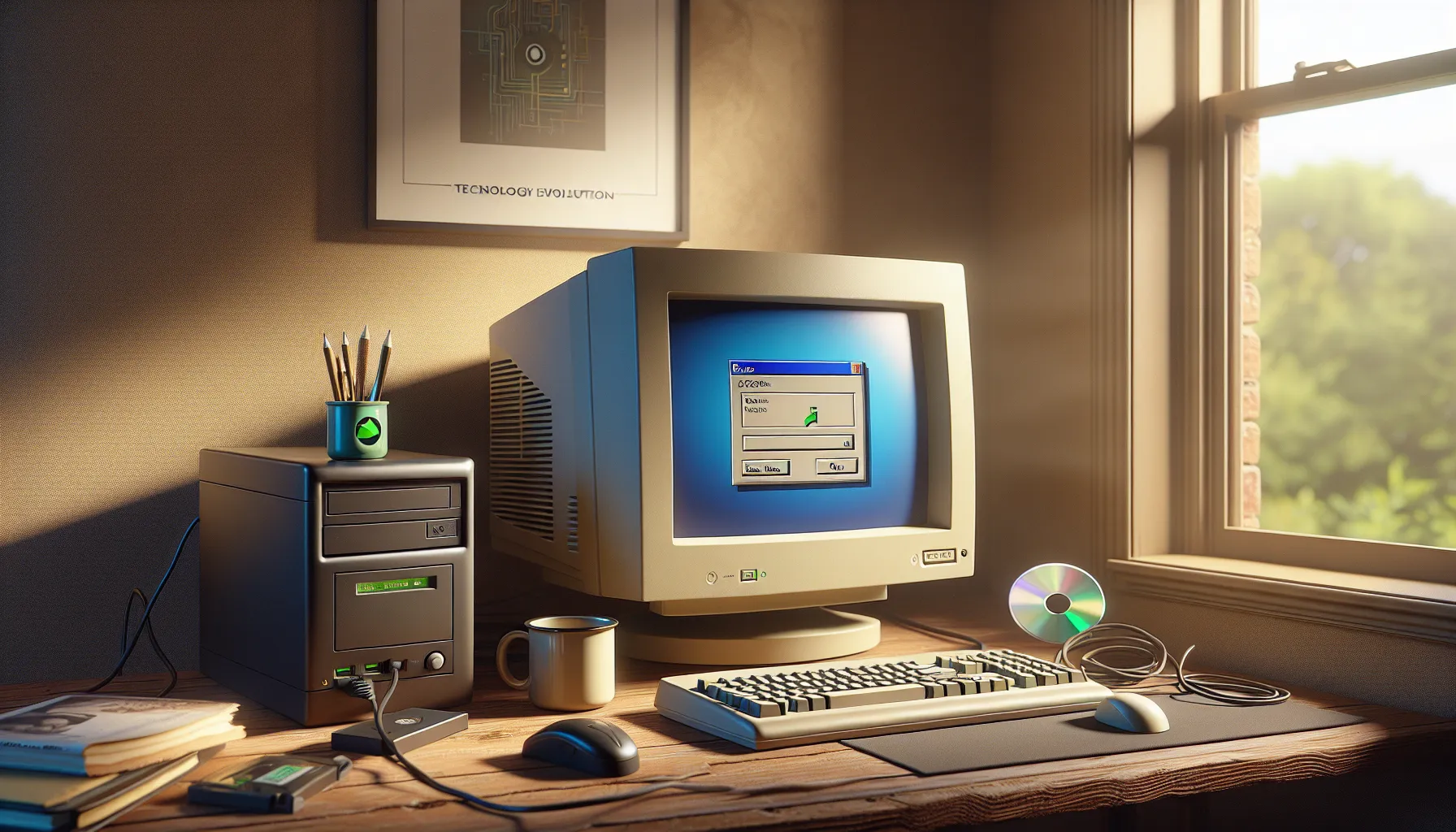
Windows XP was launched on October 25, 2001, and quickly became a household name. It was the first operating system to combine the stability of Windows NT with the user-friendly interface of Windows 95. Its broad compatibility with hardware and software made it a preferred choice for users worldwide.
The development of XP was marked by an emphasis on usability and performance. A notable feature was its enhanced graphical interface, which included the iconic Luna theme. Also, its stability set it apart from its predecessors, making it an attractive option for both businesses and home users alike. XP’s life cycle was extended through various service packs and updates, culminating in its significant contribution to the tech landscape.
History of Windows Vista
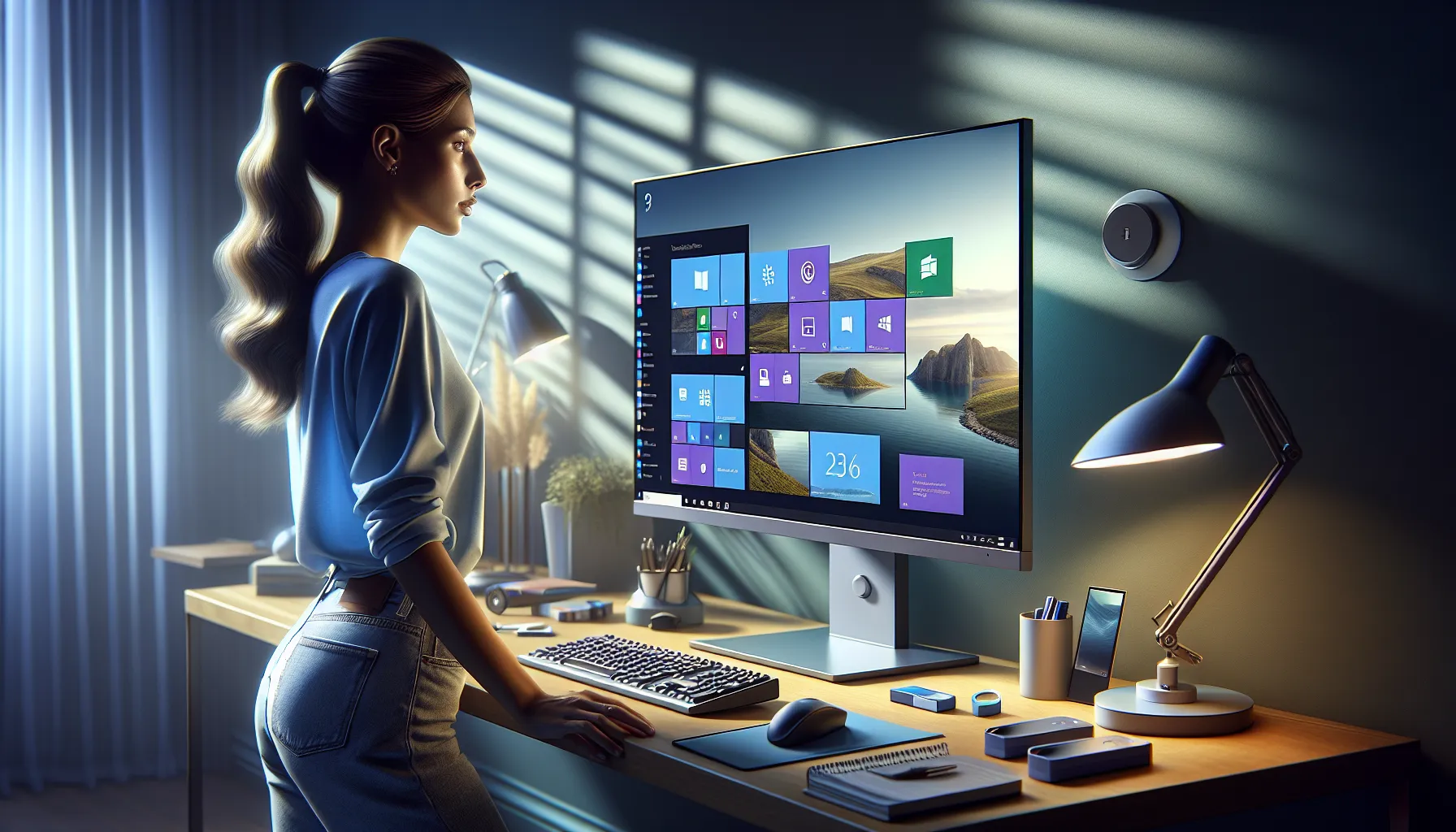
Windows Vista hit the shelves on January 30, 2007, bringing with it an ambitious overhaul of the Windows interface. Designed to improve security and usability, Vista introduced a host of new features, including the Windows Aero interface, which provided advanced graphical effects and a more visually appealing experience.
Even though its innovative nature, Vista faced criticism during its launch for high system requirements and various compatibility issues. Many users initially resisted the transition from XP to Vista, leading to a slower adoption rate. Yet, over time, Vista evolved through updates and service packs, eventually addressing many of the initial concerns and offering substantial improvements.
Key Features of Windows XP
User-Friendly Interface: With its improved graphical interface, XP made navigation more intuitive.
Fast Performance: It boasted faster boot times and efficient memory management, setting a new standard.
Compatibility: XP supported a wide range of applications, ensuring versatility for users.
System Restore: This feature allowed users to revert to previous states, effectively safeguarding against potential issues.
Windows Firewall: Integrated security features offered users peace of mind against external threats.
Key Features of Windows Vista
Windows Aero Interface: The introduction of a sleek, visually appealing design offered enhanced aesthetics.
User Account Control (UAC): This important security feature aimed to reduce malware risks by requiring administrator approval for changes.
Improved Search Functionality: Vista’s search technology made locating files more efficient and accessible.
ReadyBoost: This unique feature allowed users to enhance performance by using external storage devices as additional memory.
Windows Defender: Built-in anti-malware protection reflected the growing need for security in computing.
Comparative Analysis of Windows XP and Vista
Release Date: Windows XP predates Vista by six years, with XP launching in 2001 and Vista in 2007.
User Interface: While XP’s Luna theme was user-friendly, Vista’s Aero design provided a more feature-rich visual experience.
Performance Requirements: Vista’s system requirements were considerably higher, necessitating advancements in hardware capabilities.
Security Features: Vista introduced numerous security enhancements, whereas XP was more basic in this regard.
User Adoption: XP enjoyed a lengthy reign due to its stability and compatibility, while Vista struggled initially.
Impact and Legacy of Windows XP and Vista
The legacies of Windows XP and Vista are deeply intertwined with their respective impacts on the computing landscape. Windows XP is often celebrated for its broad user base and its role in the evolution of operating systems. Its familiarity remains cherished even today, resulting in a loyal fan base that praised its balance of performance and usability.
But, Vista, though initially met with skepticism, paved the way for future Windows updates by introducing new security protocols and features. While it may not have enjoyed the same level of popularity, its innovations shaped the development of subsequent systems like Windows 7 and Windows 10, which refined and built upon Vista’s foundation.
Conclusion
Examining the timelines confirms that Windows XP predates Vista by six years. As we look back, it’s clear that both operating systems contributed significantly to personal computing. Windows XP set the standard for user-friendly designs and performance, while Vista attempted to redefine security and visual appeal. Understanding these differences not only highlights the progress made in technology but also informs our choices as users in an ever-evolving digital landscape. For gaming console comparisons from the same era, see what is older: Xbox or PlayStation, or explore pop culture timelines with what is older: DC or Marvel. Curious about which football league came first? Read our article on what is older: CFL or NFL.
To provide the best experiences, we use technologies like cookies to store and/or access device information. Consenting to these technologies will allow us to process data such as browsing behaviour or unique IDs on this site. Not consenting or withdrawing consent, may adversely affect certain features and functions.
Functional
Always active
The technical storage or access is strictly necessary for the legitimate purpose of enabling the use of a specific service explicitly requested by the subscriber or user, or for the sole purpose of carrying out the transmission of a communication over an electronic communications network.
Preferences
The technical storage or access is necessary for the legitimate purpose of storing preferences that are not requested by the subscriber or user.
Statistics
The technical storage or access that is used exclusively for statistical purposes.The technical storage or access that is used exclusively for anonymous statistical purposes. Without a subpoena, voluntary compliance on the part of your Internet Service Provider, or additional records from a third party, information stored or retrieved for this purpose alone cannot usually be used to identify you.
Marketing
The technical storage or access is required to create user profiles to send advertising, or to track the user on a website or across several websites for similar marketing purposes.