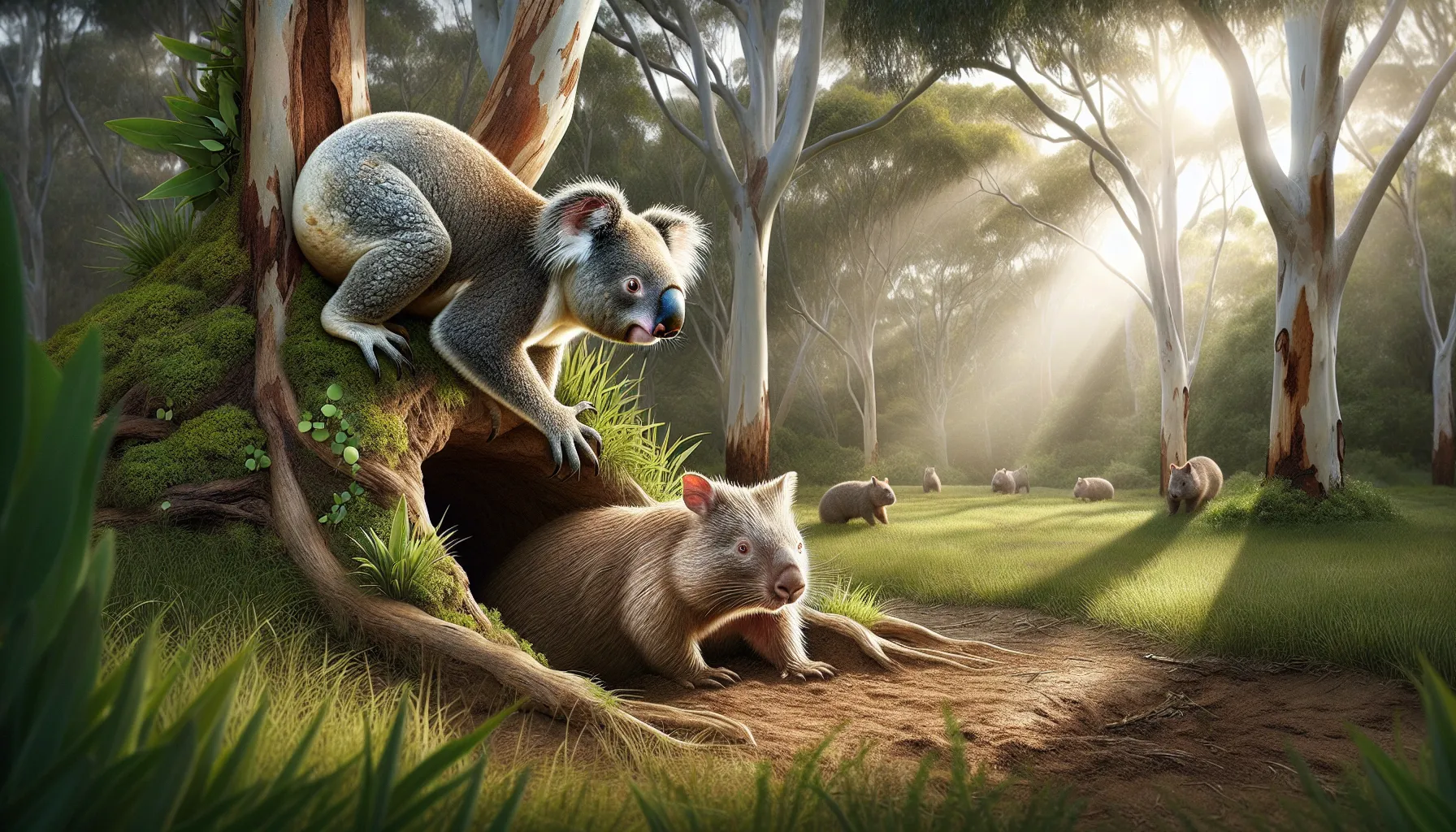
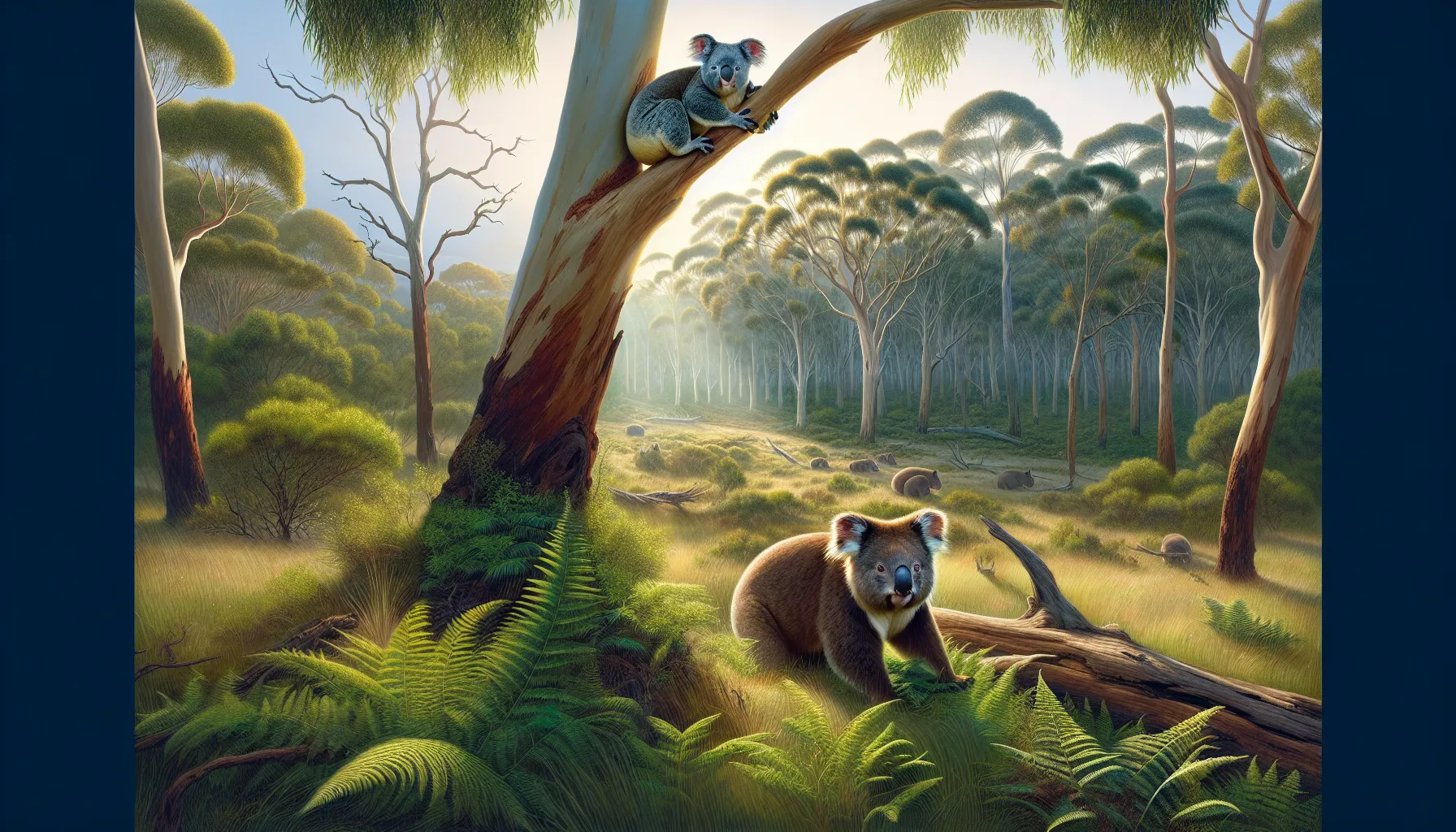
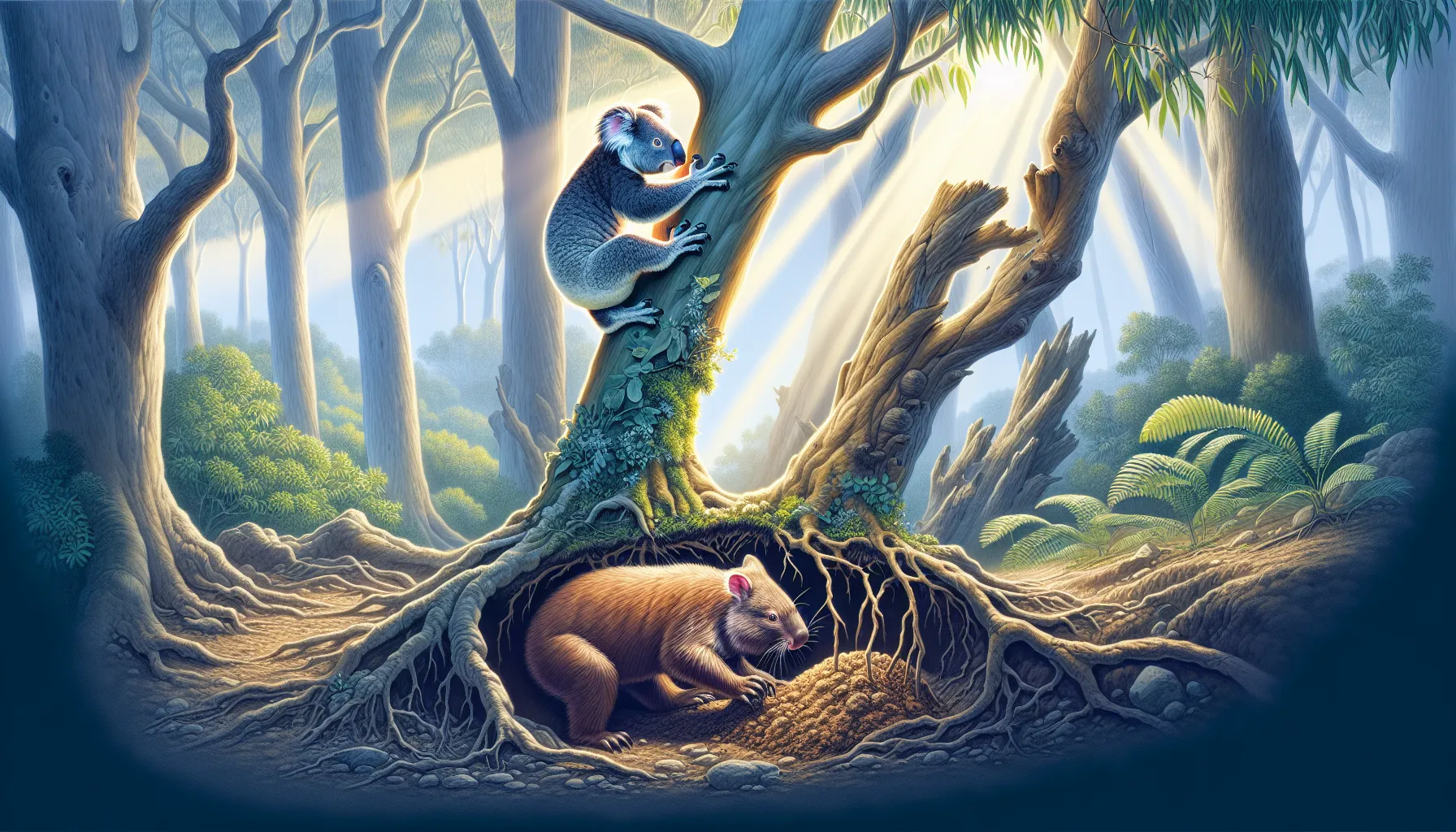
Australia is home to many fascinating mammalian species, with two of its most iconic creatures being the koala and the wombat. While these marsupials share some similarities, their differences are equally significant, offering insights into their adaptations and ways of life. Understanding these distinctions not only broadens your knowledge of wildlife but also fosters appreciation for the biodiversity of this extraordinary continent. Let’s investigate into the unique traits that set koalas and wombats apart.
Physical Characteristics
Size and Weight
Koalas generally weigh between 9 to 33 pounds, with males typically larger than females. Meanwhile, wombats range between 44 to 77 pounds, showcasing robust stature for burrowing activities.
Fur Texture and Coloration
Koalas boast thick, soft fur in shades of gray, designed for comfort in tree-dwelling lifestyles. Wombats, but, have coarser fur, usually light brown to gray, aiding their burrowing lifestyle and general environment.
Behavioral Traits
Dietary Preferences
The koala is a folivore, relying almost exclusively on eucalyptus leaves, while wombats are generalist herbivores, consuming grasses, roots, and bark.
Activity Patterns
Koalas are largely nocturnal, resting during the day to optimize digestion and energy conservation. Wombats are crepuscular, being most active during twilight hours, focusing on foraging and burrowing.
Habitat and Distribution
Preferred Environments
Koalas inhabit Eucalyptus forests in arboreal conditions, whereas wombats prefer burrows carved out of grassland and open forest habitats.
Range Within Australia
Koalas are primarily found along Australia’s eastern and southeastern coastlines. Wombats, depending on the species, can also be found in southern and eastern regions, including Tasmania.
Evolutionary Differences
Classification and Lineage
Koalas belong to the Phascolarctidae family, unicorn in their classification, while wombats are Marsupialia within Vombatiformes, with fossil records revealing a shared evolutionary ancestor.
Adaptations to Their Niches
Koalas have clawed feet with opposable thumbs aiding arboreal movement: wombats, with powerful claws, excel in excavation, demonstrating specialized evolutionary adaptations.
To provide the best experiences, we use technologies like cookies to store and/or access device information. Consenting to these technologies will allow us to process data such as browsing behaviour or unique IDs on this site. Not consenting or withdrawing consent, may adversely affect certain features and functions.
Functional
Always active
The technical storage or access is strictly necessary for the legitimate purpose of enabling the use of a specific service explicitly requested by the subscriber or user, or for the sole purpose of carrying out the transmission of a communication over an electronic communications network.
Preferences
The technical storage or access is necessary for the legitimate purpose of storing preferences that are not requested by the subscriber or user.
Statistics
The technical storage or access that is used exclusively for statistical purposes.The technical storage or access that is used exclusively for anonymous statistical purposes. Without a subpoena, voluntary compliance on the part of your Internet Service Provider, or additional records from a third party, information stored or retrieved for this purpose alone cannot usually be used to identify you.
Marketing
The technical storage or access is required to create user profiles to send advertising, or to track the user on a website or across several websites for similar marketing purposes.