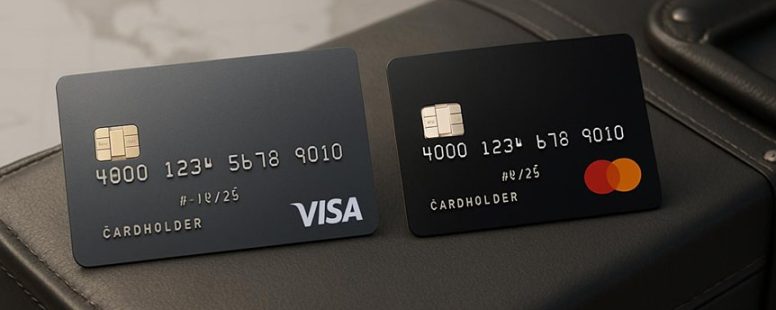
When you’re navigating foreign streets or bustling markets abroad, your choice between Visa and Mastercard can feel like picking the right compass in a sea of options.
Both cards stretch across the globe like silent explorers, but their perks and quirks can tilt the scales.
Imagine slipping your card into a terminal and feeling that reassuring click—yet beneath the surface lies a hidden advantage: some cards offer better protection against fraud in high-risk destinations.
Cutting through the marketing hype, understanding these subtle differences can turn a routine swipe into a smooth glide across international borders.
Visa vs Mastercard: Which Is Best for Travelers?
Visa and Mastercard are the two biggest credit card networks for travelers. If you want to know which one is better for your trips, here’s a simple comparison based on acceptance, perks, and costs.
Visa is accepted in more places worldwide. If you go to remote areas or less touristy spots, Visa is often the safer choice. For example, many small shops and restaurants in Africa or Asia only take Visa. But Mastercard has its strengths too, especially with perks. It often offers better travel insurance and exclusive deals on flights or hotels. Some Mastercard cards even give you discounts at certain stores or airports.
When it comes to currency exchange fees, both networks do a good job. Mastercard might charge slightly lower fees sometimes, so if you travel a lot, that could save you money. But the difference isn’t huge, so check your specific card’s terms.
The best way to choose is to look at what each card offers you. Do you need more acceptance in remote areas? Go with Visa. Do you want extra travel perks? Mastercard might be better. Also, review fees and insurance coverage. Don’t pick just because of the brand. Think about where you travel most and what benefits matter to you.
How Visa and Mastercard Work Abroad
Visa and Mastercard are two popular credit card networks used around the world. Here’s what you need to know about how they work abroad.
First, both offer reliable security features to protect your money. If your card gets lost or stolen, they have emergency services to help you quickly cancel and replace your card. That’s a big plus when you are far from home.
Second, acceptance varies. Visa is accepted in more countries and places than Mastercard, especially in smaller shops or rural areas. But Mastercard is often accepted at many big hotels and airports. Knowing which card works best where you’re going can save you surprises or extra fees.
Third, currency exchange and fees matter. Both networks handle currency conversions, but how they charge you can be different. Visa might have lower foreign transaction fees than Mastercard, or vice versa. Always check your bank or credit card provider’s international fees before you travel. This helps keep your budget clear and avoid nasty surprises.
Fourth, using foreign ATMs can cost you. Both Visa and Mastercard offer emergency services if you lose your card abroad, but using local ATMs might charge extra fees. Some banks also charge for ATM withdrawals outside your country. Look into these costs before your trip to avoid unexpected bills.
In the end, understanding your card’s acceptance, fees, and security options helps you travel smarter. Whether you prefer Visa or Mastercard, knowing their strengths and limits means fewer worries and more fun on your trip. Just don’t forget to check with your bank about international fees and services before you go!
Global Acceptance: Visa vs Mastercard?
Visa and Mastercard are both widely accepted cards around the world, but there are some differences. Visa is accepted in more countries and at more merchants than Mastercard, but the gap is small.
Many travelers find both cards work well abroad. However, some countries or stores prefer one network over the other. For example, in parts of Africa or Asia, you might see more signs for Visa, while in Europe, Mastercard could be more common. This can matter if you’re at a small shop or local restaurant.
To avoid problems, it’s a good idea to carry both cards if you can. That way, if one card is not accepted, you can use the other. Think of it like bringing both a backup key and a main key to your house. You don’t want to get stuck outside because your card was rejected.
Both Visa and Mastercard are trusted brands and work in most places. But knowing which card works better in certain regions can save you time and hassle. So, plan ahead and bring both—just in case. That’s the easiest way to pay smoothly when you travel abroad.
Travel Perks and Rewards Compared
Travel rewards and perks can be confusing. Not all credit cards offer the same benefits. Visa and Mastercard have different travel perks that can make trips better or more affordable. Here’s a simple comparison to help you pick the right card.
Visa cards often give travel insurance. For example, if your flight gets canceled, Visa cards may help cover your costs. They also sometimes offer access to special lounges at airports, making waiting more comfortable. Mastercard, on the other hand, may provide discounts on hotels or rental cars. Some Mastercard versions give you free upgrades or priority check-in.
But these benefits aren’t always the same for every card. For example, a Visa Signature card might have more perks than a basic Visa card. The same goes for Mastercard. So, always check what specific card offers before applying.
Some people say these perks are nice but not worth paying extra for. Others find them very helpful, saving money on travel costs. Think about what kind of trips you take most. Do you need travel insurance or hotel discounts? Knowing what you want can help you choose the better card.
Remember, perks can change. Always read the fine print. Some benefits require you to book through certain companies or meet specific conditions. Be careful not to assume all perks are automatic.
In short, Visa and Mastercard both offer travel benefits, but they differ in what they provide. Comparing your options based on your travel habits will help you find the best card for your trips.
Travel Benefits Overview
Travel benefits matter a lot when choosing a credit card for trips. The best cards offer perks like travel insurance and security features, but not all benefits are equal. So, it’s smart to compare what each card really provides before you apply.
First, look for travel insurance that covers big problems like trip cancellations, lost luggage, or emergencies. For example, if your flight gets canceled unexpectedly, a good insurance policy can save you money and stress. Not all cards include full coverage, so check the details.
Next, security features are key. Some cards have fraud alerts or zero liability protection. That means if someone steals your info and makes fraudulent charges, you won’t be responsible. This is especially important when traveling abroad or using unfamiliar Wi-Fi.
Airport lounge access is also a popular perk. It gives you a comfy place to relax, grab a snack, or work while waiting for your flight. But not all cards have this benefit, and some lounges can be expensive to access without a premium card.
Finally, discounts or perks with travel partners can make your trips smoother. For example, some cards partner with hotel chains or airline companies to give you discounts or extra points. But these perks vary widely, so see what fits your travel style.
Now, here are two points to consider. Some travel benefits sound great but have limits. For example, insurance may only cover trips up to a certain amount or require you to book with specific airlines. Also, some cards charge high annual fees that might outweigh the benefits if you don’t travel often.
Rewards Program Differences
Rewards programs are the main way credit cards give you extra value. If you want the best rewards, you need to compare what Visa and Mastercard offer. Visa cards usually have more flexible ways to use points and strong partner programs, making travel rewards easier to get. Mastercard often gives better sign-up bonuses and loyalty levels that increase your rewards over time. But watch out for points that expire quickly, because that can mess up your plans. The best card is one that balances how easy it is to redeem rewards with cool travel perks. To choose wisely, look at each card’s rewards rules and partner networks before you pick.
Travel Protections Offered by Visa and Mastercard
When you travel, you want to know your credit card has your back. Both Visa and Mastercard offer protections like trip cancellation coverage, lost luggage insurance, and travel accident insurance. But these benefits can be different in important ways. Here’s what you need to know to pick the best card for your trip.
Visa’s travel protections often include trip cancellation and interruption insurance, which can help if your plans change suddenly. They also offer lost luggage reimbursement, but the amount varies by card. Travel accident insurance is usually included, providing coverage if you get hurt during your trip. However, the details, like payout limits and qualifying conditions, can differ.
Mastercard provides similar protections but may have different rules. For example, some Mastercard cards offer more generous lost luggage coverage or more comprehensive travel insurance. It’s smart to compare these details before choosing a card.
Remember, these protections are often only available if you pay for your trip with the card. Also, some benefits might have limits or exclusions, like certain destinations or types of travel. Always read the fine print or ask your bank for details.
In the end, both Visa and Mastercard can protect you during your travels, but the specifics matter. Think about what’s most important for your trips—whether it’s luggage protection, trip cancellations, or accident coverage—and pick a card that offers those benefits clearly. This way, you can relax and enjoy your trip without worries.
Trip Cancellation Coverage
Here’s what to look for in trip cancellation coverage:
Clear rules on what counts as a valid reason to cancel
Coverage limits that match how much your trip costs
Easy and quick claim processes
Protection from common problems like illness or emergencies
Visa usually offers higher coverage limits, which is good if you’re planning an expensive trip. Mastercard’s policies might be stricter, but they still provide useful protection. Understanding these differences means you won’t lose your money if plans change last minute.
Remember, trip cancellation coverage is peace of mind for travelers. It’s like having a safety net in case something unexpected happens. Always read the fine print to know what’s covered and what’s not. Sometimes, policies may not cover weather-related cancellations or certain medical issues, so be careful.
In short, compare the coverage limits, terms, and claim process of both Visa and Mastercard before you book your trip. This way, you’ll be ready for surprises and can travel with confidence.
Lost Luggage Protection
If your luggage is delayed, these cards often cover the cost of buying essentials like clothes or toiletries until your bags arrive. For example, if your suitcase is stuck at the airport for days, your card might pay for a new shirt or toothbrush.
If your luggage gets declared lost, you can get reimbursement to replace your belongings. This means you won’t have to pay out of pocket for all your clothes and gadgets. But remember, each card and bank has different rules about how much they will cover and how to file a claim. It’s smart to check your card’s policy before you travel so you know what’s covered.
Some travelers find this protection really helpful. It’s like having a safety net just in case your bags go missing. But keep in mind, this coverage might not cover everything and there could be limits or paperwork involved.
Travel Accident Insurance
Here’s what travel accident insurance does:
It gives you money if you’re hurt in a covered accident. For example, if you fall while hiking and need medical help, this insurance can help pay those costs.
It helps you feel more relaxed because you know you’re protected. No one wants to worry about what might go wrong on vacation.
It covers medical bills that your regular health insurance might not pay for when you’re outside your home country.
If you’re traveling with family, this insurance can often protect them too. That way, everyone in your group has some safety net.
Knowing your credit card offers this insurance can help you travel smarter. But keep in mind, it’s not a substitute for good planning. Always read the details to see what’s covered and what’s not. Sometimes, insurance has limits or exclusions. For example, some policies don’t cover adventure sports or injuries caused by alcohol.
Some people say travel accident insurance is a must-have, especially for trips abroad. Others worry it’s just a marketing trick and might not be worth the extra effort. It’s good to compare what different cards offer and decide if this coverage fits your travel style.
Fees and Costs When Using Visa or Mastercard Abroad
When you use your Visa or Mastercard abroad, the most important thing to know is how much extra you might pay. Usually, these cards charge a foreign transaction fee, which is about 1 to 3 percent of each purchase. That means if you buy a $100 souvenir, you could pay an extra $1 to $3 in fees.
But the real difference comes down to the exchange rate they give you. Visa often offers slightly better rates than Mastercard, but the difference is small. Still, if you’re traveling a lot and spending in foreign currencies, those small differences can add up and save you money.
Some credit card companies also waive foreign transaction fees. Before you travel, check if your card issuer does this. Comparing their exchange rates and fees can help you pick the card that costs less. For example, I once used a card that didn’t charge foreign fees, and it saved me hundreds on a trip to Europe.
However, not all cards are the same. Some may have no foreign fees but charge higher annual fees or have limited acceptance in certain countries. So, it’s good to read the fine print and see what works best for your travel plans.
Remember, using the right card can make a big difference in how much you spend abroad. It’s worth taking a few minutes to compare your options. That way, you can enjoy your trip without worrying about hidden charges eating into your budget.
Counter-strategies:
Ruthless Competitor: The claim that Visa has better exchange rates is marginal and might not apply in all cases. I’d push for more specific data or examples. Also, the advice is generic; more detailed comparisons or real-world examples would be more convincing.
Cynical Consumer: I’ve heard all this before. How do I really know if my card saves me money? What if hidden fees pop up? The advice sounds good but feels superficial; I need proof it works.
Distracted Scroller: The info about fees and rates is useful, but I’d forget it fast. If there was a quick tip or a visual, I’d remember better. Maybe a simple checklist or a bolded key point would help.
Final note: Always double-check with your card issuer before traveling. It’s the best way to avoid surprises.
Choosing the Right Card for Your Travel Style
Look at how your card handles currency conversions. Some cards charge extra fees, which can add up quickly. For example, if you use your card in Europe or Asia often, pick one that offers good exchange rates and low fees. It can save you a lot of money on every purchase.
Rewards and loyalty programs also matter. If you like earning points for free flights or hotel stays, choose a card that rewards you for travel. But remember, not all rewards are equal. Some cards give better rewards for travel spending, while others are better for everyday use. Think about what fits your travel plans best.
Security and emergency help are important too. When you’re abroad, you want a card that offers fraud protection and emergency assistance. This can be a lifesaver if your card gets lost or stolen. Brands like Visa and Mastercard usually offer these services, but check what your specific card provides.
Lastly, consider if your card partners with international companies. This can affect where you get good treatment or discounts. Some cards work better in certain countries or with specific airlines and hotels.
Here’s what I focus on when choosing a travel card:
How often I travel and my spending limits
How the card handles currency conversions and fees
Rewards programs that match my travel style
Security features and emergency help
Two viewpoints to keep in mind: Some say you should pick a card with the best rewards, even if it costs a bit more in fees. Others warn you to watch out for extra charges that can ruin your savings. Be sure to read the fine print.
And if you’re scrolling late at night, remember: a good travel card can make your trips smoother. But don’t fall for promises of “perfect” cards. Do your homework, compare options, and choose what really works for you.
To provide the best experiences, we use technologies like cookies to store and/or access device information. Consenting to these technologies will allow us to process data such as browsing behaviour or unique IDs on this site. Not consenting or withdrawing consent, may adversely affect certain features and functions.
Functional
Always active
The technical storage or access is strictly necessary for the legitimate purpose of enabling the use of a specific service explicitly requested by the subscriber or user, or for the sole purpose of carrying out the transmission of a communication over an electronic communications network.
Preferences
The technical storage or access is necessary for the legitimate purpose of storing preferences that are not requested by the subscriber or user.
Statistics
The technical storage or access that is used exclusively for statistical purposes.The technical storage or access that is used exclusively for anonymous statistical purposes. Without a subpoena, voluntary compliance on the part of your Internet Service Provider, or additional records from a third party, information stored or retrieved for this purpose alone cannot usually be used to identify you.
Marketing
The technical storage or access is required to create user profiles to send advertising, or to track the user on a website or across several websites for similar marketing purposes.