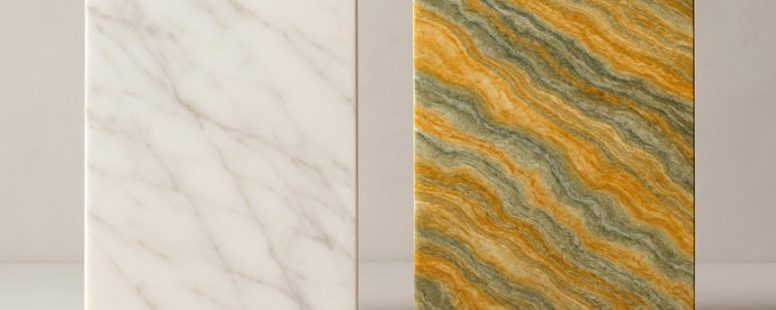
Choosing between marble and quartzite is like picking the perfect jewel for your space—each stone promises its own unique allure.
Imagine running your fingers over a cool, polished surface that glimmers with natural elegance or feeling the rugged strength beneath. The decision might seem daunting, but understanding their true nature can turn this challenge into an exciting discovery.
Marble dazzles with its timeless beauty but can be temperamental, while quartzite offers resilient durability that might be just what your busy home or project needs.
Surprisingly, quartzite’s natural resistance to stains makes it an underrated champion in the world of countertops.
Let’s unravel what makes these stones distinct so you can confidently choose the one that will shine brightest in your space.
What Makes Marble and Quartzite Different Natural Stones
Marble and quartzite are both natural stones used in homes, but they are very different. Marble is a softer stone that forms from limestone when it is heated and pressed. It has a smooth surface and subtle color changes, which make it look elegant. People often use marble in areas like bathrooms or fireplace surrounds because it looks fancy but can scratch or stain easier.
Quartzite starts as sandstone and becomes a hard, tough stone after a lot of heat and pressure. It is much more durable than marble and resists scratches better. Quartzite often has brighter, more vibrant colors and a grainier surface. Because of its strength, quartzite is a good choice for busy kitchens and flooring where it will get a lot of use.
Some might think marble and quartzite look alike at first, but knowing how they are made helps you see their differences. Marble is better for decorative spaces with light traffic, while quartzite can handle heavy use and still look good. Keep in mind, marble needs more care to stay beautiful, but quartzite is more resistant to everyday wear and tear.
In the end, both stones are beautiful, but their origins affect how they look and how long they last. Choosing the right one depends on where you want to use it and how much effort you want to put into maintenance.
Marble vs Quartzite: Which One Should You Choose?
Marble and quartzite are both popular choices for home surfaces like countertops and backsplashes. But they each have different qualities that might make one better for your needs.
Marble is known for its beautiful, elegant veins and color variations. It gives a classic, luxurious look that many people love. If you want a surface that looks fancy and timeless, marble is a good pick. But marble is softer than quartzite. That means it can scratch or stain easier. You need to handle it carefully and clean up spills quickly. Installing marble also needs a skilled installer because it can break or chip if not handled properly. If you don’t mind extra care and want a beautiful, traditional look, marble could be right for you.
Quartzite is a natural stone that looks similar to marble but is much harder. It comes in a wider range of colors and patterns. Quartzite is more durable and resistant to scratches and stains. That makes it a better choice if your kitchen gets heavy use or if you want something that stays nice longer. During installation, quartzite is easier to work with because it’s tougher, but still needs experienced installers to get it right. If you want a versatile surface that lasts longer with less worry, quartzite is a good choice.
Some people prefer marble for its beauty, but they must accept more maintenance. Others choose quartzite for its durability but might miss the classic look. Think about your style and how much effort you want to put into cleaning and caring for your surfaces. Both options have their good and bad points. Picking the right one depends on what fits your home and lifestyle best.
Which Is Stronger: Marble or Quartzite?
Quartzite is much stronger than marble. It is more resistant to scratches and everyday wear. That means quartzite can handle high-traffic areas better and last longer. Marble, on the other hand, is softer and can chip or stain easier. If you want a surface that stays looking good and doesn’t get damaged easily, quartzite is the better choice. But some people prefer marble for its pretty look, even if it’s less durable. So, think about how much use the surface will get before choosing between the two.
Hardness Comparison
Quartzite is harder than marble, making it a better choice if you want a durable stone for your home. On the Mohs hardness scale, quartzite scores around 7, while marble is closer to 3 or 4. This means quartzite can resist scratches and wear better than marble. For example, if you place heavy pots or sharp utensils on your countertop, quartzite is less likely to get scratched. Marble’s softer nature makes it easier to dent or scratch, so it needs more careful handling.
Some people prefer marble for its beauty and unique look, but they should know it may not last as long under daily use. If you want a surface that can take rougher treatment without losing its charm, quartzite is the smarter choice. However, keep in mind that quartzite can be more expensive and harder to cut and install.
In the end, think about how much use your stone will get and what you want it to withstand. Both stones have their good and bad points, but knowing their hardness levels can help you pick the right one for your home.
Durability in Use
Durability is a key factor when choosing between marble and quartzite, especially if you plan to use the surface daily. Quartzite is more resistant to scratches and impacts, making it better for busy kitchens or areas where things get knocked around. It also handles hot pots and pans better without getting damaged because it stays stable at high temperatures. Marble looks beautiful and classic but is more sensitive to acids and moisture. These environmental factors can cause it to wear down faster over time. If you want a surface that lasts longer and keeps its good looks even with heavy use, quartzite is the better choice. But if you prefer the natural beauty of marble and don’t mind replacing or repairing it sooner, it can still work. Overall, quartzite’s strength makes it a smarter pick for spaces that see a lot of activity.
Marble vs Quartzite: Which Handles Scratches, Stains, and Heat Better?
Marble and quartzite are popular choices for countertops, but they handle scratches, stains, and heat differently. Here’s what you need to know to pick the right one.
Quartzite is much more resistant to scratches and stains. Its natural hardness makes it tougher and less likely to get scratched or stained over time. If you have a busy kitchen, quartzite is a better choice because it keeps its look longer without much maintenance. Marble, on the other hand, is softer and more porous. It can easily scratch or stain if you don’t seal it regularly. For example, a spilled red wine or oil can leave a stain on marble if not cleaned quickly.
When it comes to heat, quartzite also wins. It can handle hot pans without burning or damaging. Marble, however, may get damaged if you put hot pots directly on it. So if you cook a lot, quartzite offers better protection from heat.
Cost is another factor. Quartzite tends to be more expensive because it’s more durable and harder to install. But since it lasts longer and needs less care, it might save you money in the long run. Marble is often cheaper upfront and offers unique veining and looks. If you want a surface that looks beautiful but might need more care, marble could work.
Some people love marble’s natural beauty, but if you want a countertop that stays looking good with daily use, quartzite is the smarter choice. It’s like choosing between a delicate piece of jewelry and a tough workhorse. Which one suits your home better? Think about how much time you want to spend on maintenance and how much wear and tear your surface will face.
How to Care for Marble vs Quartzite
Marble and quartzite are both beautiful natural stones, but caring for them is not the same. Knowing how to clean and protect each surface can keep them looking new longer.
Marble is softer and more porous. It can stain easily from things like wine or oil. To keep it in good shape, seal it regularly—usually once a year. Use gentle cleaners like a mixture of water and mild soap. Avoid acidic cleaners like lemon or vinegar because they can eat away at the stone. After cleaning, wipe the surface dry to prevent water spots. Be careful with spills and clean them quickly.
Quartzite is a harder and less porous stone. It’s more resistant to stains but still needs regular sealing, about every 2 to 3 years. Use a non-abrasive cleaner, and avoid harsh chemicals. Since quartzite is stronger, it can handle more cleaning options, but it’s still best to stay gentle. Wiping spills immediately is a good idea for both stones, but especially for marble.
Some people think sealing is optional. That’s a mistake. Without sealing, both stones can absorb liquids and get damaged. But remember, sealing alone doesn’t make them completely stain-proof. Good maintenance is still needed.
Cleaning Tips
Cleaning Tips for Marble and Quartzite
Marble and quartzite are beautiful stones, but they need the right cleaning to stay that way. Here’s what you should know.
First, marble. The best way to clean marble is to use pH-neutral cleaning solutions. These are gentle and won’t damage the surface. Avoid using harsh cleaners or anything acidic like vinegar or lemon juice. These can cause permanent etching or dull spots. For stains, a simple paste of baking soda and water works well. Spread the paste on the stain, cover it with plastic wrap, and let it sit for a few hours. Then wipe it away gently. This poultice helps lift stubborn stains without harming the marble.
Second, quartzite. It’s tougher than marble so it can handle milder cleaners. Still, avoid any acidic or abrasive products. A soft cloth and a mild soap or stone cleaner are enough for regular wiping. Cleaning often keeps dirt and grime from building up. Think of it like giving your stone a quick shower every day. If you get a tough stain, try the baking soda poultice on quartzite too, but remember, it’s more resistant.
Some people wonder if they can use commercial cleaners. Well, some are safe, but always read the label. When in doubt, stick with gentle, pH-neutral products. Also, be careful not to scrub too hard. Scrubbing can scratch the surface or cause dull spots.
In the end, the key is to clean often and use the right products. That way, your marble or quartzite will stay shiny and beautiful for years. Would you believe that a simple cloth and a gentle cleaner are all you need? It’s true. Just don’t forget to avoid acids and abrasives, or you might end up with spots or scratches.
Sources like the Marble Institute of America recommend using pH-neutral cleaners for marble and avoiding harsh chemicals. For quartzite, the Natural Stone Institute advises regular cleaning with mild soap. Following these tips can save you time and money, and keep your stones looking stunning.
Sealing and Maintenance
Marble is a softer, more porous stone. Because of this, it needs to be sealed more often, about every 3 to 6 months. Sealing helps prevent stains from spills. For example, if you spill red wine or coffee on marble, sealing makes it easier to clean up. Use a penetrating sealer that seeps into the stone without changing its look.
Quartzite is harder and less porous. It needs sealing about once a year. Its toughness means it resists stains better, but regular sealing still helps. Use a good impregnating sealer to keep it protected.
Both stones need gentle cleaning. Avoid acidic cleaners like lemon juice or vinegar because they can damage the surface. Also, don’t use abrasive scrubbers that scratch the stone.
Some people think sealing is unnecessary or too much trouble. But if you want your surface to stay beautiful and stain-free, following the right sealing and cleaning steps is key. Remember, marble needs more frequent sealing, while quartzite can go longer between treatments.
Would you rather spend more time sealing or risking stains? It’s a simple choice that keeps your stone looking new longer.
Colors and Patterns: Marble vs Quartzite
Marble and quartzite are both popular choices for surfaces like countertops, but they have clear differences in their colors and patterns. Marble is known for its soft, flowing veins and subtle color changes. It gives a classic, luxurious look that many people love. Think of it like a gentle watercolor painting. Quartzite, however, has more bold and striking patterns. Its colors can include whites, grays, and even bright blues or greens. Because quartzite is a natural stone with many mineral contents, each slab is unique. No two look exactly the same, which makes it perfect if you want something special and one-of-a-kind.
Some might say that marble feels more traditional and elegant, but it can scratch or stain easier. Quartzite looks dramatic and bold but might cost more and needs proper sealing to prevent damage. If you want a surface that stands out and has lots of character, quartzite might be the best choice. If you prefer a timeless, softer look, marble could be better.
In short, marble offers gentle, flowing patterns with subtle colors, while quartzite delivers dramatic, bold designs with a wide range of colors. Choosing between them depends on whether you want a classic or a more eye-catching look. Keep in mind, both stones can be beautiful but require proper care to stay looking their best.
Best Uses for Marble and Quartzite in Kitchens, Bathrooms, and Living Areas
Marble and quartzite are beautiful stones used in home design, but they serve different purposes best. Knowing where they shine can help you pick the right one for your space.
What is marble and quartzite?
Marble is a natural stone known for its soft, elegant veining. It feels fancy and adds a luxurious touch to bathrooms and living areas. Quartzite is a tougher stone that looks like marble but is more resistant to scratches and stains. It’s a good choice for busy kitchens.
Where should you use marble?
Marble works well in bathrooms and living areas. For example, a marble vanity can make your bathroom feel like a spa. It also looks stunning as a fireplace surround or a decorative tabletop. Keep in mind, marble can stain or scratch easily if not cared for. It’s best for areas that don’t get heavy wear.
Where should you use quartzite?
Quartzite is perfect for kitchen countertops because it’s very hard and resists chips and scratches better than marble. It handles daily food prep and spills more easily. When installing quartzite, use a professional who knows how to seal it properly to prevent stains. It’s also good in high-traffic areas like tabletops or bar counters.
What are the pros and cons?
Marble has a timeless look and adds elegance, but it needs more care and can stain. Quartzite is durable and low-maintenance but can be more expensive and harder to find in some areas. Both stones can add style to your home, but think about how much effort you want to put into maintenance.
Final thoughts
Choose marble if you want a luxurious look and don’t mind regular upkeep. Pick quartzite if you want something that lasts longer with less worry. Both materials can make your home more beautiful, just use them wisely based on how much use and care they need.
Comparing Costs of Marble and Quartzite
Marble usually costs less upfront than quartzite, making it tempting if you’re on a tight budget. Marble is often easier on your wallet because it’s more common and simpler to extract. But quartzite, while more expensive initially, can last longer and stand up better to scratches and stains. For example, if you spill red wine or cut directly on the surface, quartzite might resist damage better than marble.
Some people choose marble because of its classic look, like in fancy kitchens or bathrooms. But if you want something that won’t need repairs or replacement soon, quartzite could save you money over time. It’s like paying more now for a stronger, longer-lasting material that’s worth it later.
However, keep in mind that quartzite can be pricier at first. Also, not all quartzite is equal. Some brands claim their quartzite is very durable, but you should check reviews and ask about the exact type. On the other hand, marble can be more prone to scratches and stains if not sealed properly, which means extra maintenance costs.
In the end, it’s not just about the initial price. You should think about what fits your budget now and what will save you money later. Do you want a surface that looks stunning but needs careful care? Or a tougher material that might cost a little more upfront but lasts longer? Comparing costs, durability, and maintenance will help you pick best for your home.
Installation and Fabrication Challenges for Marble and Quartzite
Understanding the costs and challenges of installing marble and quartzite is key when choosing your countertop material. Both stones require different fabrication and installation steps that can affect your budget and how long your project takes.
Marble is softer and can chip easily during cutting. This means you need skilled fabricators who handle it carefully. They use delicate tools to cut and shape marble without causing damage. Quartzite, on the other hand, is much harder. It needs stronger equipment for cutting and shaping. While quartzite takes longer to work with, it is more durable once it is installed.
Both materials should be installed by professionals. Proper sealing and finishing are necessary to keep them lasting longer. For example, marble may need more frequent sealing because it is more porous. Quartzite usually needs less maintenance but can be tougher to install because of its hardness.
Some people might think that the cost difference is the only thing that matters. But they should also think about how difficult it will be to cut and install each stone. If you pick marble, expect careful handling and maybe higher labor costs. If you choose quartzite, be prepared for longer fabrication time and more powerful tools.
In the end, understanding these challenges helps you avoid surprises and extra expenses. Both stones are beautiful choices, but knowing what each requires makes your project smoother and less costly.
How to Decide Between Marble and Quartzite for Your Project?
When deciding between marble and quartzite for your project, start by thinking about how durable each stone is. Marble is softer and can scratch or stain more easily, so it needs more careful upkeep. Quartzite is usually tougher and better for busy kitchens or areas with heavy use. If you want a surface that lasts longer with less maintenance, quartzite might be the better choice.
Next, consider what look you want. Marble has a classic, elegant look with unique veins, perfect if you love a timeless feel. Quartzite also has natural beauty but can resemble marble or granite, giving you more options to match your style. Think about the colors and patterns that fit your home’s design.
Finally, look at the cost. Marble tends to be less expensive but can cost more in repairs over time. Quartzite is often pricier upfront but may save you money later because it’s more durable. Make sure your choice fits your budget but still gives you quality.
Some people prefer marble for its beauty, but it needs more care. Others pick quartzite for its strength but may pay more initially. Decide what matters most to you: looks, durability, or price.
Durability And Maintenance
Quartzite is generally better than marble when it comes to how long it lasts and how easy it is to care for. If you need a surface that can handle scratches and stains well, quartzite is the better choice. Marble looks beautiful but is softer and more likely to scratch or stain. That means it needs more attention and care.
Here’s what I would suggest:
Quartzite is more resistant to scratches, making it good for busy kitchens or countertops.
Marble needs to be sealed regularly to keep stains away.
Cleaning quartzite is simple with mild soap and water.
Marble requires special cleaning products and more frequent sealing.
If you want a surface that’s easy to keep looking good without much work, quartzite is the better pick. Marble’s charm is nice but comes with extra upkeep that might not work if you’re busy or forgetful. Think about how much time you want to spend on cleaning before choosing.
Counter-strategy notes:
The Ruthless Competitor would say this oversimplifies and ignores specific brands or treatments that can extend marble’s life.
The Cynical Consumer would see all this as marketing spin and want real proof or reviews from actual users.
The Distracted Scroller might just remember that quartzite is tougher and easier to clean, ignoring the details.
Final tip: Always check product labels and ask professionals about maintenance before making your choice.
Aesthetic And Design Appeal
Choosing between marble and quartzite for your surface depends mainly on how it looks and what you want to say with your space. Both materials have their own style and charm, but they differ in color, texture, and how they feel.
Marble is famous for its elegant veining and softer patterns. It looks classy and timeless, perfect if you want a luxurious vibe. Think of it like a beautiful painting with delicate lines. But keep in mind, marble can stain easier and needs careful upkeep. If you don’t want to worry about scratches or spills, marble might not be the best choice.
Quartzite is a natural stone that shows bolder colors and varies a lot. Its surface has a grainy feel that adds depth without being overwhelming. It feels more durable and natural, like walking on a rougher stone path. Some people love how quartzite’s textures make a space feel grounded and interesting. However, because quartzite has more color variation, it might not match every decor style.
So, what should you pick? If your goal is a refined, classic look, marble is a good choice. But if you want a surface that feels more natural and can take a little more abuse, quartzite might be better. Both materials can make your space look special, but each has its limits. Marble looks stunning but needs more care. Quartzite is tougher but might not have that smooth, polished feel you want in certain designs.
In the end, it’s about what style you love and how much effort you want to put in. Both options can transform your home, but knowing their strengths and weaknesses helps you make the right choice.
Cost And Budget Considerations
When checking costs for marble and quartzite, quartzite usually costs more at first. This is because it’s stronger and harder to find. Marble, on the other hand, might be cheaper initially but can need more fixing and cleaning over time. A simple way to compare helps you see which is better for your money.
Here are some points to think about:
Buying and installing costs: Quartzite is often more expensive to buy and put in.
Maintenance costs: Marble needs sealing and careful cleaning, which can add up.
How long they last and resale value: Quartzite can last longer and might add more value to your home.
Think about your budget now and later. Sometimes paying more upfront saves money later. Other times, a cheaper choice might cost more in repairs. Doing a quick cost check helps you pick what’s best for your money and your home.
To provide the best experiences, we use technologies like cookies to store and/or access device information. Consenting to these technologies will allow us to process data such as browsing behaviour or unique IDs on this site. Not consenting or withdrawing consent, may adversely affect certain features and functions.
Functional
Always active
The technical storage or access is strictly necessary for the legitimate purpose of enabling the use of a specific service explicitly requested by the subscriber or user, or for the sole purpose of carrying out the transmission of a communication over an electronic communications network.
Preferences
The technical storage or access is necessary for the legitimate purpose of storing preferences that are not requested by the subscriber or user.
Statistics
The technical storage or access that is used exclusively for statistical purposes.The technical storage or access that is used exclusively for anonymous statistical purposes. Without a subpoena, voluntary compliance on the part of your Internet Service Provider, or additional records from a third party, information stored or retrieved for this purpose alone cannot usually be used to identify you.
Marketing
The technical storage or access is required to create user profiles to send advertising, or to track the user on a website or across several websites for similar marketing purposes.