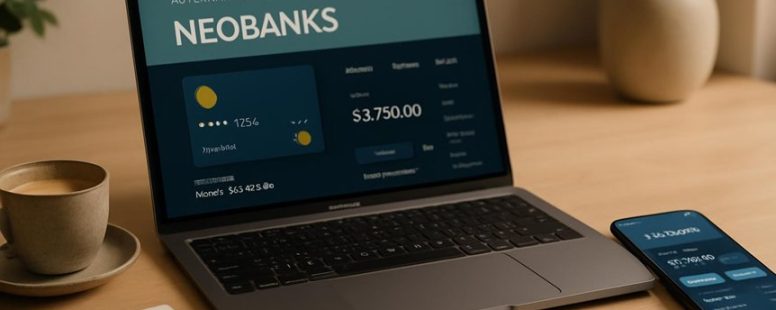
Switching from a traditional bank to a neobank can feel like stepping into a whole new world—faster transactions, lower fees, and an app that makes managing money almost enjoyable.
Imagine your finances as a sleek sports car instead of a clunky old bicycle. But not every digital bank is the perfect fit; choosing the wrong one can lead to frustration and unnecessary costs.
Did you know some neobanks offer real-time spending alerts that act like a security guard for your money?
Before you take the leap, it’s essential to understand what sets these digital banks apart and which features will truly enhance your financial journey.
What Is a Neobank? How It Differs From Traditional Banks
A neobank is a bank that operates only online and has no physical branches. It is a digital-only bank that you open and manage using a smartphone or computer. Neobanks focus on making banking simple and fast, with features like real-time alerts and easy money management tools.
Unlike traditional banks, which often have long lines and paperwork, neobanks let you do everything from home. For example, companies like Chime and Ally offer quick account setup and instant notifications. They also try to be more transparent about fees and charges, so you know exactly what you are paying.
But there are some limits. Neobanks usually do not have cash deposit services or face-to-face help. If you prefer talking to someone in person or need to deposit cash, they might not be right for you. Also, because they are new, some people worry about security and stability.
In the end, if you want easy, digital banking and don’t often visit physical branches, a neobank can be a good choice. But if you need a full range of services or personal help in a branch, traditional banks might still be better.
Sources: CNBC, Forbes.
Top Features of Neobanks You Should Know
Neobanks are digital-only banks that focus on making banking easy and quick. Unlike traditional banks that often require lots of paperwork and long waits, neobanks use smart features to help you manage your money faster. They have simple apps with easy-to-understand screens so you can check your balance, set rules for spending, and send money all from your phone. For example, you can transfer money to a friend or set a limit on how much you spend in just a few taps.
Security is also a big deal for neobanks. They use strong safety measures so your money stays safe without making it hard to get in. Some neobanks even send alerts when there’s suspicious activity. Customer support is usually faster too. Instead of waiting days for help, you might get answers in minutes through chat or phone. Many neobanks also offer tools to help you learn about money, like saving tips or budgeting advice.
But there are some downsides. Because they are new, some neobanks might not have all the features of big traditional banks. Also, if your phone breaks or you lose it, getting access to your money could be trickier than with a regular bank. Still, if you want easy, safe, and quick banking, neobanks are worth a look.
How Neobanks Save You Money
Neobanks can help you save money by having fewer fees and offering better interest rates than traditional banks. Unlike regular banks, they often do not charge hidden fees, so your savings grow faster. For example, some neobanks like Chime or Ally give higher savings account interest rates, making your money work harder for you.
However, there are some warnings. Not all neobanks are the same, and some may have limits on withdrawals or lack full services like in-person visits. It’s good to check what each bank offers before switching.
To get the most savings from a neobank, you can open an account, move your paycheck there, and set up automatic transfers into your savings. This way, you save without thinking about it. Remember, while they save you money on fees and interest, they might not have all the features of big traditional banks.
In short, neobanks can be a smart choice for saving money if you pick the right one and understand their limits. They are a good option for people who want to avoid extra charges and earn more on their savings.
Lower Fees And Charges
Neobanks save you money mainly because they have lower fees than regular banks. Here are some key ways they do this:
First, neobanks let you send money and make purchases for less. Traditional banks often charge high fees for transactions, but neobanks keep these costs low since they don’t have many physical branches. For example, transferring money with Chime or Varo usually costs less than with big banks like Bank of America.
Second, they are honest about fees. You see clear fees upfront, so you won’t be surprised later. This transparency helps you plan your money better. Some banks even post a fee schedule on their website so you know what to expect.
Third, many neobanks don’t charge monthly maintenance fees. They also often waive ATM fees or give free access to a large network of ATMs. If you use a traditional bank, you might pay $3 or more each time you use an out-of-network ATM. With neobanks like Ally or Simple, you can often avoid those charges altogether.
However, keep in mind that some neobanks may have limits or hidden costs. For example, they might charge for certain international transactions or have limits on free ATM withdrawals. So, it’s good to read the fine print before opening an account.
In the end, choosing a neobank can make everyday banking cheaper. But it’s smart to compare their fees and services to find the best fit for your needs.
Higher Interest Rates
Neobanks are online banks that have lower costs. Because of this, they often offer higher interest rates on savings accounts compared to traditional banks. For example, while a big bank might pay around 0.01 percent interest, some neobanks offer 3 or 4 percent. That means your money earns more without extra effort. Switching to a neobank is usually simple because everything is done online. You just open an account, deposit money, and start earning more interest.
Some people like neobanks because they make saving easier and faster. But keep in mind, not all neobanks are the same. Some might have limits on how much you can save or withdraw. Also, they might not have physical branches if you prefer face-to-face help.
If you want your savings to grow faster, checking out interest rates from different neobanks is a good idea. Compare how much they pay, any fees, and how easy it is to use their app or website. Remember, higher interest rates sound good, but always read the fine print. Sometimes, the best rates come with restrictions or less customer support.
In the end, choosing a neobank with higher interest rates can be a smart move. But make sure it fits your needs and understand what you’re getting into. It’s a simple way to make your money work harder for you.
Evaluating Neobank Security: What to Look For
How can you be sure your money is safe with a neobank? To find out, you need to check their security measures. Here are the main things to look for:
Data Encryption and User Login: Good neobanks use strong encryption to protect your personal info. Also, multi-factor authentication means you need more than just a password to log in. For example, some banks send a code to your phone to confirm it’s really you. This keeps hackers out. But remember, even the best encryption can’t stop every attack, and some fraud can happen if your info gets stolen elsewhere.
Fraud Monitoring: A reliable neobank watches for suspicious activity 24/7. If something strange happens, they flag it quickly. Imagine someone trying to make a big transfer from your account at 2 am—that’s when real-time fraud alerts come in handy. Still, no system is perfect, and false alarms can happen, which might frustrate you.
Regulation and Customer Help: A good neobank follows the rules set by government agencies like the FDIC or OCC. That means your deposits are insured up to a certain amount. Plus, responsive customer support is key if you notice something weird. Some banks have live chat, others only email. Be cautious if support is slow or unhelpful, as that can delay fixing issues.
Counterpoints: Some say that no online bank can be 100 percent safe. Hackers are clever, and security measures only reduce risk. Also, relying on good customer support is risky—if they’re slow, your money might be at risk longer.
Skeptic’s note: I’ve heard promises like this before. How do I know they’re not just words? Proof comes from real security audits, insurance, and real-time alerts that actually work. If a bank doesn’t have clear proof of strong security, I’d be wary.
Nighttime scroller’s tip: If you want to remember this later, think of your neobank like a digital safe. You want it to have a strong lock (encryption), a guard watching all the time (fraud monitoring), and a friendly security team (customer support). If any of these are missing or weak, your money might be at risk.
In the end, choosing a safe neobank means looking for these key security features. But always stay alert and ask questions before trusting your money to any online bank.
Choosing a Neobank for Your Lifestyle and Goals
When choosing a neobank, you should look at the account features that match your daily habits and future plans. For example, some banks offer free ATM withdrawals or budgeting tools. Think about what you need most—if you travel a lot, find a bank with lots of free ATM access. If saving money is your goal, check if they have helpful savings features.
Compare the fees carefully. Some banks charge monthly fees or charges for certain services. Reading the fine print helps you avoid surprises that could take away your savings later. For instance, a bank might seem free but then charge for overdrafts or transfers. Be sure to check how much you’ll pay in total.
Also, pick an app that is easy to use and trustworthy. Since most of your banking is on your phone, you want it to be simple to understand and reliable. Try looking at reviews or testing the app first. If it crashes often or is confusing, it can cause real problems.
Some people prefer a neobank with lots of features, but others just want a simple way to manage money. Both are okay. Just think about what fits your lifestyle best. Remember, no bank is perfect; some might have lower fees but fewer features, or a slick app that’s hard to navigate. So, do your homework, compare options, and choose what works best for you.
Assess Account Features
Account Types: The best accounts match your financial goals. For example, savings accounts help you save money, while checking accounts let you spend easily. Compare accounts by looking at interest rates, fees, and how easy they are to use. Some banks like Chase or Bank of America offer many options, but always check if they fit what you need.
Account Usability: Your account should be simple to use, especially online. Look for banks with easy apps and websites, so you can check your balance or transfer money without trouble. Some banks are known for better digital tools, but watch out for hidden fees or complicated steps that can slow you down.
Additional Features: Think about extra tools like budgeting apps, alerts when your balance gets low, or rewards for using your account. For example, some accounts give cashback or points on purchases. These can help you save or spend smarter. But be careful—sometimes these features come with fees or tricky rules that cancel out their benefits.
Counterpoints: Some people prefer traditional banks because they trust them more, while others like online-only banks for their lower fees. Both choices have pros and cons. For example, online banks may have better apps but fewer physical branches.
Skeptic’s Note: Promises about easy accounts or big rewards are common. Always read the fine print and compare options. Just because an ad says “best” doesn’t mean it’s right for you.
Night Owl’s View: If you’re tired and just want a quick answer, focus on account usability and fees. Don’t get lost in all the extra features. Remember, it’s about what works best for your simple needs, not fancy promises.
—
Final warning: Be cautious of accounts that look too good to be true. Read reviews and ask questions. A good account fits your goals, is easy to use, and has features you actually need.
Evaluate Fee Structures
Fee structures are an important thing to check when picking a neobank. These fees can quietly take money from your account if you’re not careful. The best neobanks are clear about all their charges upfront. That way, you don’t get surprised later. Don’t just look at the main fees like monthly charges. Dig deeper and ask about hidden costs like ATM fees, charges for foreign transactions, or fees if you don’t use your account for a while.
Think about your lifestyle. If you travel often, foreign transaction fees might add up fast. But if you rarely use ATMs, those costs might not matter much to you. By comparing fee details, you can find a neobank that fits your habits and keeps your money safe.
However, some banks might hide extra fees or make it hard to find the full list of charges. Be cautious. Always read the fine print and ask questions. That way, you avoid surprises and choose a bank that won’t drain your funds unexpectedly.
Consider Digital Accessibility
Digital accessibility is key when choosing a neobank. It means making sure everyone, no matter their tech skills, can use the bank easily. If a bank fails in this area, it can be a big problem. Here is what I look for:
Mobile accessibility: Can I use the app smoothly on my phone? If the app is hard to use or crashes, I get frustrated fast. For example, some apps don’t fit the screen well or have confusing buttons. That kills the convenience.
User experience: Is the website or app simple to understand? Can I find help easily if I get stuck? A good neobank has clear menus and helpful FAQs. If I can’t figure things out quickly, I lose patience.
Support for different tech skills: Are there tutorials or guides for people who aren’t tech-savvy? Some banks offer videos or step-by-step instructions. This helps those who aren’t used to online banking.
Some banks do well on these points, making banking easy for everyone. Others overlook accessibility, and that can be a big barrier. Digital access isn’t just nice to have; it’s necessary. If a bank isn’t accessible, it might not be the right choice for many people.
Comparing Popular Neobanks: Which One Is Right for You?
Choosing the best neobank means knowing what to look for. The first step is to decide what matters most to you. Do you want quick customer support, easy app use, or strong security? Different neobanks focus on different features. For example, Chime offers early paycheck access, while Ally Bank has no foreign transaction fees.
Compare these key points to find what fits your style. Are their apps simple to use? Do they have good reviews from other users? Check if the bank is insured by the FDIC, which protects your money up to a certain amount. Also, test out a few apps yourself. See which one feels easiest to you and works best with your habits.
Remember, some neobanks promise low fees but hide extra charges. Be cautious about hidden costs. Also, some neobanks may not have physical branches or live support, which can be frustrating if you need help fast.
In the end, the best neobank is the one that matches your needs without surprises. Compare their features, security, and user reviews. Testing apps and asking questions can help you find the right fit. This way, you’ll pick a bank that works for your lifestyle and keeps your money safe.
Best Neobanks for Budgeting and Financial Tools
When you pick a neobank, you should look for more than just a way to hold your money. The best neobanks give you tools to manage your finances better. They have budgeting apps that show your expenses clearly and help you save money faster. Here’s what to watch for:
Easy-to-Use App and Customization – A simple app that fits your needs makes saving and budgeting less annoying. For example, Chime and Ally Bank offer user-friendly interfaces you can personalize.
Financial Learning and Investing – Some neobanks, like SoFi and Wealthfront, give you tips and easy ways to grow your money. These features can help you become smarter about money over time.
Rewards and Cashback – Earning rewards when you spend can make saving easier. Apps like Discover and Axos Bank give cashback rewards that boost your savings without extra work.
Picking a neobank with these features means you’re not just banking, you’re building better money habits. But remember, some tools might be limited or come with fees. Always check how easy it is to use the features and if they fit your financial goals.
What Types of Accounts and Services Do Neobanks Provide?
Neobanks are digital banks that give you different accounts and services to manage your money easily. The most common accounts they offer are checking accounts, which you use for daily spending, and savings accounts to set aside money for future goals. Some neobanks also have special accounts like joint accounts or accounts for teens.
These banks focus a lot on mobile banking, so you can check your balance, transfer money, or pay bills anytime using your phone. Many neobanks let you customize your account features, like choosing notifications or setting savings goals. For example, apps like Chime or Monzo let you see your spending habits and help you save automatically.
Neobanks also often include extra tools like digital wallets—think of these as virtual versions of your physical wallet—so you can pay with Apple Pay or Google Pay. Some even offer investment options, like buying stocks or cryptocurrencies, all from their app. This makes it easier to grow your money without going to a bank branch.
Customer support is usually quick and friendly, mostly available through chat or social media. But, some limits exist. For example, some neobanks might not have physical branches, which can be frustrating if you prefer in-person help. Also, since many services are new, not all features are available everywhere or may change over time.
In the end, neobanks are a good choice if you want a modern, easy way to manage your money on your phone. Just be sure to check what services they offer and if they fit your needs before opening an account.
Switching From a Traditional Bank to a Neobank: Step-by-Step
Thinking about switching from your traditional bank to a neobank? Here’s what you need to know. Many people ask how simple or risky it is to make this change. Let’s look at the main steps you should take to do it safely and smoothly.
First, open your neobank account. You can sign up online in just a few minutes. Most neobanks, like Chime or Varo, ask for your name, address, and a photo ID to verify who you are. Once your account is ready, you can start using it right away.
Next, transfer your money from your old bank. You can do this by sending a wire transfer or linking your old account to your new one with an ACH transfer. Moving your funds early means you avoid losing access to your money or missing payments.
Finally, update your automatic payments and deposits. Change your direct deposit info with your employer and update recurring bills like Netflix or utility payments to your new account. This way, your payments won’t bounce or get delayed.
Some people worry about the safety of neobanks. They often have strong encryption and security features, but since they are newer, they might not have the same long-term track record as traditional banks. Also, keep in mind that not all neobanks are FDIC insured or offer the same protections.
To provide the best experiences, we use technologies like cookies to store and/or access device information. Consenting to these technologies will allow us to process data such as browsing behaviour or unique IDs on this site. Not consenting or withdrawing consent, may adversely affect certain features and functions.
Functional
Always active
The technical storage or access is strictly necessary for the legitimate purpose of enabling the use of a specific service explicitly requested by the subscriber or user, or for the sole purpose of carrying out the transmission of a communication over an electronic communications network.
Preferences
The technical storage or access is necessary for the legitimate purpose of storing preferences that are not requested by the subscriber or user.
Statistics
The technical storage or access that is used exclusively for statistical purposes.The technical storage or access that is used exclusively for anonymous statistical purposes. Without a subpoena, voluntary compliance on the part of your Internet Service Provider, or additional records from a third party, information stored or retrieved for this purpose alone cannot usually be used to identify you.
Marketing
The technical storage or access is required to create user profiles to send advertising, or to track the user on a website or across several websites for similar marketing purposes.