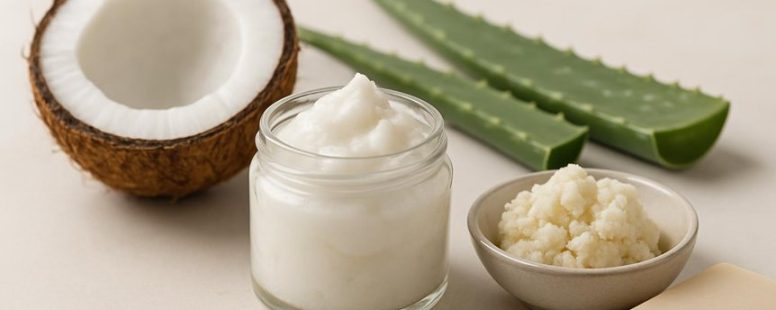
Imagine rushing out the door only to realize your shaving cream has vanished into thin air. In that moment, I grabbed a jar of coconut oil, and to my surprise, it glided across my skin like silk, leaving behind a subtle tropical scent.
Not only did it soften and moisturize, but it also reduced irritation—turning an improvisation into a hidden gem.
If you’re seeking alternatives that protect your skin while feeling like a luxurious treat, there are plenty of options waiting to be explored.
Sometimes, the best solutions are the ones you least expect.
Why You Might Want to Skip Traditional Shaving Cream
Shaving without traditional shaving cream can sometimes be a better choice. Here is what you need to know.
First, shaving cream is meant to help the razor glide smoothly over your skin. But it does not always do this well. Some creams can leave your skin dry or cause irritation. If you have sensitive skin, certain ingredients in some creams might make redness or breakouts worse.
Second, instead of relying only on shaving cream, you can prepare your skin better. For example, exfoliating your face before shaving helps remove dead skin. This makes the shave smoother and reduces razor bumps. Moisturizing your skin after shaving keeps it from drying out.
Some people skip traditional shaving cream and use alternatives like soap, conditioner, or natural oils. This can work if you find the right product for your skin type. For example, a simple olive oil can act as a slick layer that helps the razor move easily. But be careful; not all oils or soaps are gentle or good for sensitive skin.
There are two sides to this story. Some experts say that skipping traditional shaving cream saves money and reduces exposure to chemicals. Others warn that not using a proper shaving product might increase the risk of nicks or cuts. It’s a trade-off.
If you want a close, comfortable shave, focus on how you prepare your skin. Try exfoliating and moisturizing, and choose products that suit your skin. You can experiment with alternatives to see what works best for you. Just remember, skipping traditional cream is not for everyone. It might help some, but it could cause problems for others. Always pay attention to how your skin reacts and adjust accordingly.
Best Shaving Cream Substitutes: Natural Oils, Lotions, and More
Natural oils like coconut and jojoba are good options for shaving because they provide moisture and help your skin stay smooth. These oils can be a simple substitute for traditional shaving cream, especially if you want something natural. But some people worry that oils might clog their razors or make shaving messier.
Lotions can also work, but you need to check their ingredients carefully. Some lotions have fragrances or chemicals that might irritate your skin, especially if you have sensitive skin. Look for lotions labeled as gentle or suitable for sensitive skin. They can be easier to find than oils and might feel more familiar.
When comparing these options, think about how well they protect your skin from cuts and irritation, how easy they are to use, and if they leave your skin feeling soft afterward. Natural oils are often cheaper and less likely to cause allergies, but they might not offer as much slip as traditional shaving cream. Lotions can be nice because they are easy to apply, but not all are made for shaving.
Some people swear by natural oils for a close shave, while others prefer specially formulated shaving creams or gels. If you decide to try oils or lotions, do a patch test first to see if your skin reacts badly. Remember, what works for one person might not work for another, so it might take some experimenting.
Just keep in mind, neither oils nor lotions usually create as much lather as traditional shaving creams, so you might need to reapply during your shave. Also, be careful with the amount you use; too much can make your razor slide poorly or cause mess.
In the end, choosing a shaving substitute depends on your skin type and personal preferences. Whether you pick coconut oil or a gentle lotion, always prioritize products with safe, simple ingredients. Would you try natural oils or stick with your usual shaving cream?
Natural Oils Benefits
Natural oils are a good choice for shaving because they can make your skin softer and help your razor glide smoothly. Oils like coconut oil, jojoba oil, and argan oil hydrate your skin deeply without clogging pores. Shea butter and avocado oil give extra nourishment, soothe irritation, and help prevent razor burn. Grapeseed oil and castor oil form a protective layer that keeps moisture in.
Here’s why many people prefer natural oils for shaving:
They reduce friction so shaving feels easier and gentler.
Their anti-inflammatory qualities calm redness and swelling.
Oils like sweet almond and hemp seed contain vitamins that support healthy skin.
They are free from synthetic chemicals found in many store-bought shaving creams.
Using these oils can give you a smoother shave and healthier skin. Some folks say they work great, but others warn they might not be enough for very thick hair or sensitive skin. Always try a small patch first to see how your skin reacts.
If you want to start using natural oils, here are simple steps:
Wash your face or the area you want to shave.
Rub a few drops of oil onto your skin.
Shave as usual, using a sharp razor.
Rinse and pat dry.
You can apply more oil afterward if needed.
Some people love how natural oils feel and how they leave skin feeling soft. Others worry they might clog pores if used too much or cause breakouts. So, it’s best to test first and see how your skin responds.
Natural oils are a good option for many, but remember that everyone’s skin is different. What works for one person might not work for another.
Lotion Alternatives Comparison
Lotion can be a good alternative to shaving cream for some people. But not all lotions work the same for shaving. The best lotions for shaving are thick with ingredients like shea butter or glycerin. These create a smooth barrier that helps the razor glide easily over the skin. Light lotions might not give enough slip, which can make shaving uncomfortable and cause nicks.
When choosing a lotion for shaving, look at the ingredients. Stay away from lotions with heavy fragrances or alcohol. These can dry out or irritate your skin. Instead, pick lotions with natural emollients and humectants. These help keep your skin hydrated and can prevent razor burn.
Some people prefer thick, moisturizing lotions because they protect the skin. Others like lighter lotions because they feel less greasy. Both can work, but you need to pick based on your skin type and shaving habits. For example, if you have sensitive skin, avoid lotions with alcohol. If you want a quick shave, a lotion that spreads easily and offers good slip is better.
Just remember, not all lotions are made for shaving. Some may cause irritation or clog your razor. So, test a small amount first. If a lotion causes redness or burning, switch to something gentler. Using the right lotion can make your shave smoother and more comfortable, but it may take some trial and error.
Counter-strategy notes:
The Ruthless Competitor might say: The claim that thick lotions are better ignores the fact that some thick lotions clog razors. Also, there’s no solid proof that natural ingredients prevent razor burn better than synthetic ones. The advice to test small amounts is sensible but still leaves room for irritation.
The Cynical Consumer might think: How do I know this advice is real? Are these lotions really better, or just marketing? Why should I believe that natural ingredients make a difference? It sounds like just another sales pitch.
The Distracted Scroller might think: Too much info, I just want a quick tip. If it’s not simple, I’ll forget it. Maybe just tell me which lotion is best, not all the details.
Final thought: Picking the right lotion depends on your skin and shaving style. Try different types and see what works best for you.
Shaving With Soap, Body Wash, and Other Household Products
Shaving with household products like soap, body wash, and others can work in a pinch, but they are not the best replacements for shaving cream. These items can create enough foam to help the razor move smoothly, but they usually don’t have the cushioning and moisturizing qualities that shaving cream provides. Using them can make you pay more attention to your technique because they might cause irritation if you’re not careful. Some soaps also gently exfoliate your skin, which can help get a closer shave.
Here are some options to try:
Mild bar soap for gentle lather that won’t dry out your skin
Moisturizing body wash to help keep your skin from feeling tight
Coconut oil for extra slip and protection
Conditioner, like the kind you use on your hair, to soften your beard or leg hair
Each of these options works differently, so it’s good to test what feels best for your skin. Keep in mind that household products may not be as safe or effective as real shaving cream. They might cause cuts or irritation if you’re not careful. And if you have sensitive skin, you may want to stick with products made for shaving.
Some people find that soap or body wash works fine for a quick shave, but others find it messy or less comfortable. It’s a trade-off. Plus, if you’re trying to save money or don’t have shaving cream nearby, household products can be a handy backup. Just take your time and pay attention to how your skin reacts.
Benefits of Aloe Vera and Plant-Based Shaving Alternatives
Aloe vera and plant-based shaving products are good choices if you want a gentle, natural shave. Aloe vera is known for calming irritated skin and helping your skin stay moist and soft after shaving. These products use natural ingredients, which means fewer chemicals touch your skin, so they might reduce irritation. Some plant-based options also come in eco-friendly packaging, so you can help the planet while caring for your skin.
However, not all plant-based products work the same. Some may not provide enough lubrication, making shaving harder or causing cuts. Also, aloe vera might not soothe very sensitive skin for everyone. It’s a good idea to check the ingredients and test a small amount first.
Using products with aloe vera and natural ingredients can be a simple way to make your shaving routine safer and more eco-friendly. If you want a shave that’s gentle but still effective, trying these options might be worth it. Just remember, not every product will work perfectly for every skin type. Do some research and see what fits your needs best.
What to Watch Out for When Picking a Shaving Cream Substitute
Shaving cream substitutes are becoming popular, especially for those who want natural options. But not all substitutes work the same. Here’s what you need to know to pick a safe and effective one.
First, check the ingredients. Look for products with safe, gentle ingredients. Avoid harsh chemicals and synthetic fragrances because they can cause skin irritation or allergic reactions. For example, some artificial scents might smell good but irritate sensitive skin. Choose options with moisturizing ingredients like aloe vera or coconut oil. These help prevent dryness after shaving.
Second, think about the texture. Some people prefer gel, others like oils or creams. The right texture makes a big difference in how smoothly you shave. If the substitute is too thick, it might clog your razor; if it’s too thin, it won’t protect your skin well. Try small amounts first to see what feels best.
Third, test it out. Always do a patch test on your skin before using a new product on your whole face or legs. This can help you catch any allergic reactions early. Remember that even natural ingredients can cause issues for some people.
Some say plant-based options are the best because they’re gentle and free from chemicals. But others worry they might not provide enough lubrication or moisture. For example, coconut oil is popular and works well for many, but it can clog razors or cause breakouts in some skin types. So be cautious and try different options to find what works for you.
In the end, picking a shaving cream substitute depends on your skin type, preferences, and needs. Stay aware of ingredients, textures, and reactions. This way, you can keep your skin safe and get a comfortable shave. Do you really want to risk irritation just for a natural label? Sometimes, it’s worth choosing a proven product, even if it’s not totally natural.
Tips for a Smooth Shave Using Shaving Cream Alternatives
Shaving without traditional cream can still give you a smooth result. Here’s what you need to know and do.
First, prepare your skin. Wash your face with warm water and cleanser. This removes dirt and oils and softens your hair. When using alternatives like coconut oil or conditioner, this step is even more important. Warm water helps the blade glide smoothly and prevents cuts.
Next, apply your substitute generously. Cover all the areas you want to shave. This reduces friction and makes shaving easier. Be sure not to skip this step, or your razor might pull or tug on your hair.
Then, shave with gentle, short strokes. Use light pressure and go with the grain of your hair. Rinse your razor often to clear hair and cream. This keeps your blade sharp and reduces irritation. Shaving too fast or pressing too hard can cause nicks or cuts.
After shaving, rinse your face with cool water. This helps close your pores and reduces irritation. Pat your skin dry gently—never rub, as this can irritate your skin. Finish with a moisturizer or aloe vera gel. These soothe your skin and prevent dryness or redness.
Some people like to use oils or conditioners as alternatives. Coconut oil is moisturizing and smells good, but it can clog razors if not rinsed well. Conditioner is easy to spread and softens hair, but it might leave a residue if you don’t rinse thoroughly. Both can work well if used correctly.
A few warnings: Not all substitutes work equally well for everyone. Some oils might cause breakouts or allergies. Test a small patch first. Also, avoid using substitutes that are too greasy if you have oily skin or acne-prone skin.
In the end, shaving with alternatives is about preparation and gentle technique. Practice makes perfect. If you’re patient and careful, you can get a smooth shave without traditional cream and avoid irritation.
—
Counter-strategy notes for adversaries:
Ruthless Competitor: They’d argue the advice is too generic, lacking specific brand recommendations or scientific backing. To counter, I’d add more evidence, like citing dermatologists recommending coconut oil or conditioners. I’d also include warnings about potential skin reactions and suggest patch tests.
Cynical Consumer: They’d say it sounds like typical fluff, not enough proof it works or that it’s better than traditional methods. To address this, I’d include real-world examples of people successfully using these substitutes and mention that some brands promote natural oils for skin health.
Distracted Scroller: They want quick, memorable tips. To make this stick, I’d use simple, punchy sentences and emphasize key steps like “Wash, Apply, Shave, Rinse, Moisturize.” I might add a relatable question like “Ever cut yourself with a dull razor? Here’s how to avoid it.”
—
Let me know if you’d like me to make this even more brief or add specific product suggestions!
Choosing the Right Substitute for Your Skin Type and Needs
A good substitute for shaving cream depends on your skin type and what your skin needs. If your skin is sensitive, using gentle options like aloe vera gel or coconut oil can help prevent irritation. These natural products are soft and calming, making your shave smoother.
For extra moisture, look for alternatives that hydrate your skin while you shave. Products like shea butter or specially formulated shaving oils can keep your skin feeling soft and comfortable. These options are especially helpful if you tend to get dry or itchy skin after shaving.
Some people prefer using household items like conditioner or baby oil as a substitute. They can work well, but be careful because they might clog your razor or cause breakouts for some skin types. Always test a small patch first to see if your skin reacts.
Remember, what works for one person might not work for another. If you have very sensitive or oily skin, choose products labeled for your skin type. It may take some experimenting to find the best fit.
In the end, the key is to pick a substitute that keeps your skin comfortable, moisturized, and free from irritation. Would you want something more natural or a product with added moisturizing ingredients? Knowing your skin’s needs helps you choose wisely.
Sensitive Skin Options
Sensitive skin needs extra care when shaving. Choosing the right substitute for shaving cream is important. You should look at the ingredients and texture. The goal is to avoid irritation and protect your skin. Here are some good options if you have sensitive skin:
Aloe vera gel: It is calming and adds moisture. It has no harsh chemicals, so it’s gentle on your skin.
Coconut oil: It helps your razor glide smoothly and can reduce redness after shaving.
Unscented baby lotion: This is mild and keeps your skin moist. It does not have irritants that can cause problems.
Honey: It has natural antimicrobial properties and soothes the skin. Honey can help prevent razor burn.
All of these options help prevent irritation and give enough slip for a comfortable shave. If your skin is sensitive, try a small amount first. Make sure it feels good and keeps your skin calm and protected.
Some people prefer certain options over others. For example, coconut oil is popular but might be too greasy for some. Honey is natural but sticky, so it might not suit everyone. Always test first and see how your skin reacts. Remember, what works for one person might not work for another.
Counter-Strike from the three personas:
Ruthless Competitor: Claims about “best options” are vague without comparison criteria. No mention of how these options stack up against traditional shaving creams in terms of effectiveness or convenience. The advice might overlook potential allergens or skin reactions. No scientific backing or brand recommendations are provided.
Cynical Consumer: Many of these “gentle” options are common household items. But are they really better? Honey is sticky and might be messy, and coconut oil can clog pores for some. The advice sounds too simple and lacks warnings about possible reactions or mess. The suggestion to test small amounts is good, but no guidance on what to do if irritation occurs.
Distracted Scroller: The info is straightforward, but it’s boring. I’d remember “aloe vera, coconut oil, baby lotion, honey” if I had sensitive skin. But I might forget the details fast. A quick trick or a funny story would make me care more. Also, the advice is only about natural stuff—what about store-bought options?
Final note: Keep it simple, honest, and practical. People want real solutions, not just fluff or vague promises.
Moisturizing Alternatives
Moisturizing substitutes for shaving cream are a good choice if you want to protect your skin and avoid dryness. The best options are natural ingredients like coconut oil, aloe vera, or shea butter. These ingredients help the skin stay hydrated while providing a smooth glide during shaving. They also soothe skin and reduce irritation, which is helpful for people with sensitive or dry skin.
If you have dry skin, thicker oils like coconut or shea butter work better because they add extra moisture. If your skin is oily or combination, lighter gels or creams might be a better fit. For example, aloe vera gel is cool and lightweight, making it good for oily skin. Trying different options can help you find what works best for you and keep your skin healthy.
Some people worry that natural oils might clog pores or cause breakouts. Others find that they don’t lather as easily as traditional shaving cream. It’s good to test small amounts first and see how your skin reacts. Remember, what works for one person might not work for another.
In the end, choosing a moisturizing alternative depends on your skin type and personal preference. Think about what your skin needs most—extra moisture or a light feel—and pick ingredients that fit those needs. This way, your shave will be smooth and your skin will stay healthy.
To provide the best experiences, we use technologies like cookies to store and/or access device information. Consenting to these technologies will allow us to process data such as browsing behaviour or unique IDs on this site. Not consenting or withdrawing consent, may adversely affect certain features and functions.
Functional
Always active
The technical storage or access is strictly necessary for the legitimate purpose of enabling the use of a specific service explicitly requested by the subscriber or user, or for the sole purpose of carrying out the transmission of a communication over an electronic communications network.
Preferences
The technical storage or access is necessary for the legitimate purpose of storing preferences that are not requested by the subscriber or user.
Statistics
The technical storage or access that is used exclusively for statistical purposes.The technical storage or access that is used exclusively for anonymous statistical purposes. Without a subpoena, voluntary compliance on the part of your Internet Service Provider, or additional records from a third party, information stored or retrieved for this purpose alone cannot usually be used to identify you.
Marketing
The technical storage or access is required to create user profiles to send advertising, or to track the user on a website or across several websites for similar marketing purposes.