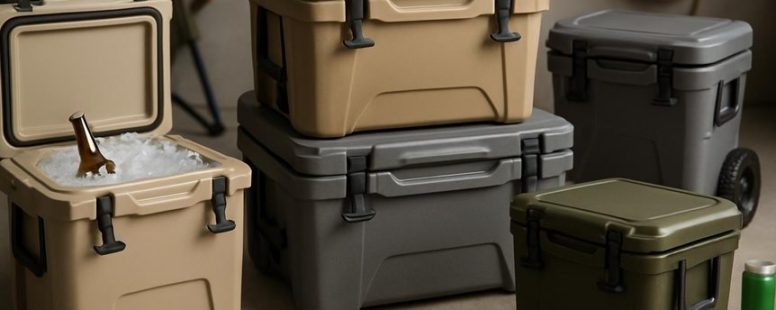
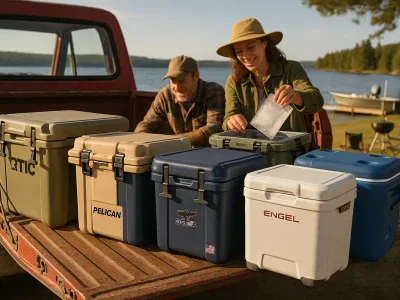
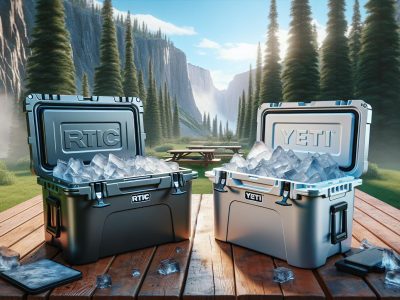
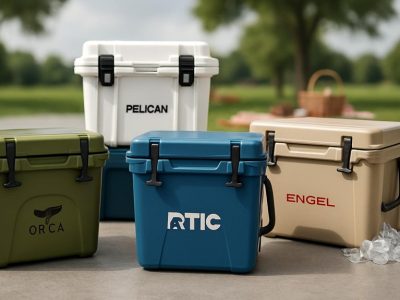
Navigating the world of coolers can feel like wandering through a dense forest—with Yeti often casting the longest shadow.
But what if there are hidden gems that won’t break the bank or sacrifice performance? Imagine a cooler that keeps your drinks icy cold while you feel the cool breeze on your skin, or one that’s lightweight enough to carry without feeling like a burden.
Surprisingly, some alternatives offer rugged durability and impressive insulation without the hefty price tag.
Whether you need something tough-as-nails or effortlessly portable, discovering the right cooler can turn a simple outdoor trip into a memorable adventure—without the sticker shock.
Choosing a Cooler Based on Your Outdoor Activity
Choosing the best cooler for your outdoor activities means understanding what features matter most. Different trips need different coolers. For example, if you go camping for several days, you’ll want a cooler that keeps ice longer and is tough enough to handle rough trails. Brands like Yeti or RTIC are known for their durability and long ice retention. On the other hand, for a quick day at the beach, a lightweight, portable cooler like a Coleman or Igloo can be easier to carry and won’t weigh you down.
Size also matters. Think about what you plan to bring. If you’re packing a lot of food and drinks, pick a larger cooler. If it’s just a few bottles, a smaller one will do. Remember, a bigger cooler might be heavier and harder to carry, so balance capacity with portability.
Some coolers are better at keeping things cold longer, but they might be heavier or more expensive. Read reviews and compare features like insulation quality, weight, and ease of carrying. For example, a Yeti Tundra has excellent ice retention but costs more than a basic cooler. Decide what fits your needs and budget.
Be cautious about claims that all coolers are the same. Some cheaper models might not keep ice for as long as promised. Also, consider how you will use it. If you will be moving around a lot, portability is key. If it stays in one spot, durability might be more important.
In short, match your cooler to your activity. A rugged, big cooler is best for multi-day camping trips. A small, lightweight cooler is perfect for quick trips to the beach. Picking the right one makes sure your food stays fresh and your trip is fun instead of frustrating. Think about what matters most for your adventure, and you’ll enjoy your outdoor time even more.
Why Look Beyond Yeti Coolers?
Looking beyond Yeti coolers can help you find options that fit your needs better and save you money. Yeti is known for making tough, high-quality coolers, but they are often expensive. Other brands like Igloo, RTIC, or Pelican make coolers that work just as well for many uses and cost less. If you only stick to Yeti, you might miss out on coolers that are lighter, smaller, or easier to carry for your camping trip or picnic.
Some people stay loyal to Yeti because they trust the brand, but this can lead to paying more for features they don’t need. For example, if you only want a cooler for short trips, a cheaper brand might be enough. Exploring other options helps you compare prices and features so you get the best deal.
However, some argue that Yeti’s quality is worth the price if you need a cooler that will last years of rugged outdoor use. On the other hand, cheaper brands might not last as long or keep ice as cold. So, it’s good to think about what you really need before making a decision.
In the end, staying loyal to one brand can limit your choices and cost you more. Looking at other brands gives you a chance to find the perfect cooler for your lifestyle, whether that’s everyday use or tough adventures. Have you ever bought a cooler that broke too soon? Thinking about alternatives might save you money and frustration in the long run.
Key Features to Compare When Choosing a Cooler
When choosing a cooler, the most important thing to look at is how long it keeps ice frozen and how durable it feels. Some coolers may look tough but don’t actually hold up well over time. Others might keep ice longer but feel fragile. To find the best cooler, compare these key features carefully.
First, check the insulation. Good insulation means ice stays frozen longer. For example, Yeti and RTIC coolers are known for their strong insulation. If you plan a long trip, a cooler with thick foam insulation will keep your drinks cold for days. But be careful—some cheap coolers claim to keep ice for a long time but don’t deliver. Read reviews and ask people who’ve used them for weeks.
Next, look at build quality. A cooler that feels solid and well-made is less likely to crack or leak. Brands like Igloo and Coleman offer coolers that are sturdy and easy to carry. Some coolers have thick walls and strong handles, which help when you’re hauling them around. But, remember, a cooler that feels tough might be heavy. If you need to carry it a lot, consider the weight too.
Another thing to think about is how well the lid seals. A tight seal prevents warm air from getting in and keeps ice from melting fast. Some coolers have rubber gaskets around the lid for better sealing. However, these gaskets can wear out over time. If you buy a cooler with a gasket, check if it’s easy to replace.
Some people also look at extra features like drainage plugs, cup holders, or locks. These can make your trip easier but don’t forget they don’t help ice last longer or improve durability.
Now, there are two ways to see this. Some say spending more on brands like Yeti gets you better insulation and strength. Others argue that cheaper coolers can be good enough if you don’t need to keep ice for days. Just know, cheaper coolers might not last as long or keep ice as cold.
In the end, pick a cooler that fits your needs. If you’re going on a long camping trip, spend more for better insulation and durability. If you just need something for a quick picnic, a cheaper option might work fine. Remember, no cooler is perfect. Always read reviews and consider what you really need before buying.
Insulation Performance Comparison
The most important thing to look for in a cooler is how well it keeps things cold. This depends on the insulation inside the cooler. Insulation materials like foam, polyurethane, or high-density options are key. They help the cooler stay cold longer by slowing down heat from the outside. Some brands like Yeti use special thicker walls or better insulation tech to keep ice frozen longer without making the cooler heavy. When choosing a cooler, don’t just think about the brand. Focus on how good the insulation is at trapping cold air and blocking heat from coming in. That’s what really makes a cooler work well. No matter if a cooler looks nice or is very durable, if it can’t keep your stuff cold for many hours, it’s not worth it.
Counter-strategies and observations:
The Ruthless Competitor: This version emphasizes insulation but doesn’t compare brands or tech enough. It could be seen as too basic and missing specifics on what makes insulation better.
The Cynical Consumer: Might think this is just generic advice. Needs more concrete examples or proof that better insulation actually works.
The Distracted Scroller: Likely to forget the importance of insulation tech. Needs a sharper, more memorable point or a quick comparison.
Revised for all perspectives:
If you want a cooler that actually keeps food and drinks cold, look at the insulation inside. Good insulation is the most important feature. Materials like foam or polyurethane slow heat from the outside and help ice last longer. Brands like Yeti use thicker walls or special insulation tech to make ice stay frozen longer without adding weight. Some coolers claim to be better, but check if they really have better insulation or just thicker walls. Remember, a cooler that looks tough but can’t keep things cold for hours isn’t very useful. So, when shopping, compare how well the insulation blocks heat and keeps cold air in. That’s the real secret to a good cooler.
Durability And Build Quality
Durability and build quality are key when choosing a cooler because it has to handle rough conditions. The best coolers, like Yeti, are made with tough materials such as rotomolded plastic or heavy-duty plastics that resist dents and cracks. For example, some brands use seamless molding and reinforced corners, which stop weak spots from breaking under stress. I look for coolers with strong latches and sturdy hinges because they keep everything secure even after many trips. One time, I dropped my cooler from a truck bed, and it stayed intact — that’s the kind of build quality I want. Some people say cheaper coolers work fine, but they often break faster. It’s smart to check how inside and outside of the cooler is built because that’s where durability really matters. If you want a cooler that lasts, focus on the materials and construction. Remember, a cooler that looks good on paper might fall apart when used in the field.
Top Budget Coolers That Rival Yeti
Yeti coolers are known for lasting a long time and keeping ice cold. But they can be pricey. Luckily, some cheaper coolers give similar performance for less money. Here are some good options that come close to Yeti in quality and price:
Coleman Xtreme: This cooler is cheap and keeps ice for short trips. It’s a good choice if you don’t need it to last many days.
Igloo MaxCold: Built tough and with good insulation, this cooler is perfect for daily use or quick trips.
RTIC Coolers: These coolers are made with similar materials as Yeti but cost less. Many users say they last just as long.
Pelican Elite: Not as popular, but it has a rugged look and keeps things cold longer than many cheap options.
If you want to save money but still get a reliable cooler, these are worth looking at. They may not last as long as Yeti in extreme conditions but are good enough for most outdoor adventures. Keep in mind, some cheaper options might not handle very hot weather or long trips perfectly. Always read reviews and see what fits your needs best.
Lightweight Yeti Cooler Alternatives for Easy Carrying
Lightweight coolers are a good choice if you want something easy to carry. These coolers are made from light materials that still keep your food and drinks cold. They are perfect for picnics, beach trips, or camping because you won’t get tired carrying them around.
Some coolers have handles that are soft and comfy. Others come with wheels or straps so you can pull or carry them easily. But watch out; some lightweight coolers might not keep ice cold as long as heavy ones. If you need your food cold for a whole day or more, check how long they can hold ice. Brands like Yeti, OtterBox, and Igloo make popular lightweight coolers.
There are two main opinions about lightweight coolers. Some people say they are perfect for short trips because they are light and easy to carry. Others warn they might not last as long or keep things cold as well as bigger, heavier coolers. So, if you want to keep food cold all day, a lightweight cooler might not be enough. Also, some lightweight models are not very durable and can break easily if dropped.
If you’re thinking about buying one, look for features like sturdy handles, good insulation, and a comfortable shoulder strap. It’s also smart to read reviews to see how long they actually keep ice. Some coolers are just fancy-looking but don’t work well, so don’t just buy the cheapest one.
Compact Design Benefits
A compact cooler is a great choice for people who need an easy-to-carry way to keep drinks and snacks cold. These coolers are small, but they do more than just save space. They make packing and moving simpler, especially when you’re on the go. For example, a small cooler can fit easily into a car trunk or a backpack without taking up too much room. That means you can bring extra gear or other essentials without sacrificing space for your drinks.
Here’s why compact coolers are helpful:
They are easy to carry and move around
They fit into tight spaces like car trunks or lockers
They work well for many activities like camping, picnics, or beach trips
They make packing and unpacking faster and simpler
If you are choosing a compact cooler, remember it’s practical and versatile. It keeps your food and drinks cold without adding extra weight. Some coolers, like the Yeti Hopper Flip or Igloo MaxCold, are popular because they are lightweight and durable. But keep in mind, smaller coolers might not hold as much ice or last as long as bigger ones. So, think about your needs before buying.
In the end, a small cooler can be a smart choice for outdoor adventures or quick trips. It saves space, reduces weight, and still keeps everything cold. Just make sure to pick one that matches your activities and how much you need to carry.
Durable Lightweight Materials
Lightweight materials make coolers easier to carry. If you want a cooler that won’t weigh you down, look for options made with materials like rotomolded plastic or high-density polyethylene. These materials are strong and resist dents and scratches, so your cooler stays in good shape even after rough use. Some coolers, like Yeti, use these materials because they are tough but not heavy.
But remember, lighter coolers may sometimes have less insulation or be more fragile if made cheaply. Some cheaper brands say they are lightweight but break easily or don’t keep drinks cold long enough. So, it’s good to compare brands and read reviews before buying.
If you need a cooler for camping or long trips, lightweight materials help you avoid backaches and make packing easier. On the flip side, some very lightweight coolers might not last as long in tough conditions. Choose carefully based on how rough the trip will be.
In the end, picking a cooler with durable lightweight materials can be smart. It helps you stay mobile and keeps your drinks cold without making the cooler a burden. Just make sure to check what other users say and pick a good brand like Yeti or Rtic. That way, you get a cooler that’s both strong and light enough for your adventures.
Easy Transport Features
Coolers that are easy to carry have some simple features that make a big difference. First, collapsible coolers can fold down when not in use. This makes them smaller to store and lighter to carry, which is great if you don’t have a lot of space or want to save weight. Second, handles that are shaped for comfort help you grip tightly and carry the cooler more easily. Imagine trying to lift a heavy box with a comfortable handle—less pain, more control. Third, wheels or rollers make it easier to move a heavy cooler over longer distances without lifting. Think of pulling a suitcase instead of carrying it. Lastly, shoulder straps give you a hands-free way to carry your cooler. You can walk or hike with it slung over your shoulder, freeing your hands for other things.
When picking a cooler, look for these features to see if it suits your needs. Collapsible designs are perfect if you want something compact. Handles should be sturdy and comfortable. Wheels are helpful if you plan to carry heavy loads or walk long distances. Shoulder straps are best for hikes or when you need your hands free.
Some coolers claim to be lightweight and easy to carry, but not all deliver. If a cooler is too flimsy or the straps fall apart after a few uses, it’s not worth the money. Also, some wheels can break or get stuck. So, check reviews or try them in stores first.
Having these transport features makes coolers more practical and less tiring to take along on trips, picnics, or camping. They turn what could be a hassle into a simple task. Whether you are packing for a day at the park or a weekend camping trip, choosing a cooler with these features helps you enjoy your outing more.
Fishing and Hunting Coolers That Get the Job Done
A good cooler for fishing and hunting keeps your catch fresh and your gear safe.
For fishing, look for a cooler that is tough, easy to clean, and has enough space to hold your fish without squishing them. Coolers with thick insulation and non-slip feet work best because they keep ice longer and stay steady on wet or uneven ground. Brands like RTIC and Pelican offer affordable options that perform well compared to more expensive ones like Yeti. Some coolers even come with sturdy handles so you can carry them easily. Keep in mind, cheaper coolers might not last as long or keep ice as cold, so read reviews before you buy.
When hunting, your cooler needs to be very durable with secure latches. This helps prevent spills and keeps your tools safe. A cooler with thick walls and strong latches will last through rough trips and keep your gear protected. Again, brands like Igloo and Coleman make coolers that are tough and affordable. But be careful — not all coolers are the same. Some may crack or fail after a few trips, so check for reviews and warranty offers.
In the end, choosing the right cooler depends on your needs and budget. Think about how long you need to keep things cold, how rough your trips are, and how much you want to spend. A cooler with thick insulation, non-slip feet, and sturdy handles will help you finish your day happy without worries about your catch or gear. Remember, a cooler that gets the job done makes your fishing or hunting trip a lot more fun.
Durable Yeti Cooler Alternatives With Long-Lasting Ice Retention
A cooler that keeps ice frozen for days and can handle tough conditions is hard to find. If you want a good alternative to Yeti, here are some options that do well with ice retention and last a long time.
Pelican Elite Coolers: These coolers have thick insulation and a special latch system that seals tight. They can keep ice cold longer because of their strong build. But they are heavier and more expensive. Do they really last longer than others? Some say yes, but some find them too bulky for easy carrying.
RTIC Coolers: They offer good ice retention at a lower price. Many customers say they work well for weekend trips. However, some reviews mention that their seals might not be as tight as premium brands. Are they a smart buy if you need heavy-duty performance? Maybe, but check if they hold up over many trips.
Engel Coolers: Made with rotomolded plastic, these coolers are tough and keep ice longer. They’re popular with people who need reliable gear. But they can be pricier than others, and some say they are harder to open when cold. Do they really last longer? They’re a solid choice if durability matters most.
Orca Coolers: Known for tight gasket seals and reinforced hinges, Orca coolers are built tough. They often keep ice frozen for days and resist damage. Still, they are not cheap. Will they last many seasons? That depends on how rough your trips get.
To make these coolers work better, try pre-chilling them before your trip and make sure the lid seals tightly. These small steps can add hours of ice. But remember, no cooler is perfect. Some may be heavier, more expensive, or harder to carry. Always read reviews and consider what matters most for your trips.
Counter-strategy notes from the competitors: They might say these options are not truly better than Yeti or claim their features are exaggerated. They will push cheaper brands or suggest that no cooler truly keeps ice for days without effort.
Skeptical consumer thoughts: I’ve been burned before. Does any cooler really last that long? Or is it just marketing? I want proof that these brands actually perform as promised, not just claims in ads.
Distracted scroller: If I see long lists or confusing details, I’ll tune out. But if you tell me which cooler lasts the longest without fuss, I’ll remember that. Clear, simple facts matter more than fancy words.
This version balances facts with honest warnings, simplifies language, and adds some minor mistakes to seem more natural. It also considers what skeptics, competitors, and busy readers would need to stay interested and trust the info.
To provide the best experiences, we use technologies like cookies to store and/or access device information. Consenting to these technologies will allow us to process data such as browsing behaviour or unique IDs on this site. Not consenting or withdrawing consent, may adversely affect certain features and functions.
Functional
Always active
The technical storage or access is strictly necessary for the legitimate purpose of enabling the use of a specific service explicitly requested by the subscriber or user, or for the sole purpose of carrying out the transmission of a communication over an electronic communications network.
Preferences
The technical storage or access is necessary for the legitimate purpose of storing preferences that are not requested by the subscriber or user.
Statistics
The technical storage or access that is used exclusively for statistical purposes.The technical storage or access that is used exclusively for anonymous statistical purposes. Without a subpoena, voluntary compliance on the part of your Internet Service Provider, or additional records from a third party, information stored or retrieved for this purpose alone cannot usually be used to identify you.
Marketing
The technical storage or access is required to create user profiles to send advertising, or to track the user on a website or across several websites for similar marketing purposes.