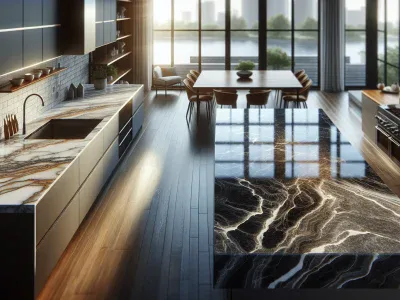
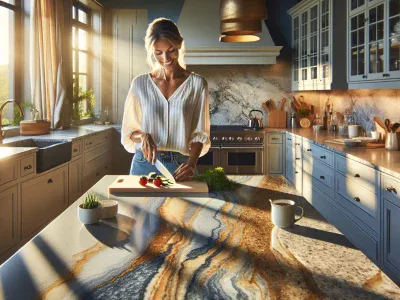
Choosing the perfect countertop can feel like a high-stakes decision. Your kitchen isn’t just a workspace—it’s the heart of your home, where memories are made and meals are shared. The materials you choose not only define its look but also its durability and functionality. Among the top contenders, quartz and granite often steal the spotlight, each boasting unique qualities that make them irresistible.
But how do you decide which is better for your space? Is it quartz with its sleek consistency and low-maintenance charm, or granite with its natural beauty and one-of-a-kind patterns? Both have their strengths, yet they cater to different needs and lifestyles. By understanding their differences, you’ll uncover which material truly aligns with your vision while standing up to daily life in style.
Overview Of Quartz And Granite
Quartz and granite are two of the most sought-after materials for kitchen countertops. Both offer distinct characteristics, making them suitable for various preferences and functional needs.
What Is Quartz?
Quartz is an engineered stone made by combining 90-95% natural quartz crystals with resins and pigments. This manufacturing process creates a non-porous surface resistant to staining, scratching, and bacterial growth. For example, quartz countertops are ideal if you frequently cook with liquids like wine or oil that may stain other surfaces.
Design versatility stands out as a key benefit of quartz. It comes in a wide range of colors and patterns, including options resembling marble or concrete finishes. Unlike natural stones, quartz offers consistent patterns without variations.
What Is Granite?
Granite is a natural stone formed from cooled magma composed mainly of quartz, feldspar, and mica minerals. Its unique veining and color variations result from its geological formation over millions of years. Each slab has one-of-a-kind patterns that appeal to those seeking originality in their kitchen design.
Durability is another hallmark of granite; it’s heat-resistant and can withstand higher temperatures than synthetic materials like laminate or solid surfaces. But, because it’s porous, sealing granite periodically helps maintain its resistance to stains caused by substances such as coffee or juice.
Both materials provide durable options for kitchens but cater to different needs based on aesthetics, maintenance preferences, and lifestyle factors.
Durability And Strength
Durability and strength are crucial factors when comparing quartz and granite for your countertops. Both materials excel in resilience, though their performance varies under different conditions.
How Durable Is Quartz?
Quartz offers exceptional durability due to its engineered composition. Its non-porous surface resists stains, scratches, and chips better than many natural stones. Everyday spills like coffee or wine don’t seep into the material, making it ideal for busy kitchens. It handles moderate impacts well but may crack under extreme pressure or heat above 150°F without a protective barrier.
Quartz’s uniform structure enhances its strength while eliminating weaknesses caused by natural fissures found in stone. For instance, if you accidentally drop heavy cookware on a quartz countertop, it’s less likely to show visible damage compared to softer stones like marble.
How Durable Is Granite?
Granite provides unmatched toughness as a natural stone formed over millions of years. Its dense structure withstands high heat from hot pans up to 480°F without discoloration or warping. But, granite is porous; without sealing every 12–18 months, liquids like oil can penetrate the surface and cause staining.
Granite’s durability also depends on its grade and thickness—premium slabs resist chipping during regular use better than thinner options with less structural integrity. If you’re seeking authentic beauty coupled with resilience against heat-related stressors, granite delivers long-lasting performance in most scenarios.
Appearance And Aesthetics
The visual appeal of quartz and granite plays a significant role in their selection. Each material offers distinct characteristics that cater to different style preferences and design needs.
Quartz Designs And Patterns
Quartz provides consistent patterns and colors due to its engineered nature. Its manufacturing process allows for a wide range of options, from solid hues to intricate designs mimicking natural stones like marble or concrete. You can choose bold colors like deep reds or subtle tones like soft grays, aligning perfectly with modern or minimalist interiors. For example, quartz countertops with veining patterns replicate the elegance of Carrara marble while offering superior durability.
Manufacturers often add pigments and resins to achieve specific textures or finishes, including matte and polished surfaces. This consistency ensures that large installations maintain uniformity without noticeable variations between slabs. If you prefer sleek, contemporary aesthetics over organic randomness, quartz delivers exceptional versatility.
Granite’s Natural Beauty
Granite stands out for its unique veining and color variations formed by natural geological processes over millions of years. Every slab is one-of-a-kind, featuring distinctive patterns such as swirling waves or speckled mineral deposits in shades ranging from earthy browns to vibrant blues. These inherent differences make granite ideal for those seeking originality in their kitchen design.
Granite countertops exhibit depth and richness unmatched by synthetic materials. Polished finishes enhance these details further by reflecting light across the surface, creating a luxurious appearance that complements traditional or rustic decor styles. But, expect slight inconsistencies between slabs even when sourced together; this variability adds character but may not suit everyone’s preference for uniformity.
Both materials excel in enhancing kitchen aesthetics but differ significantly in how they achieve their beauty—quartz through precision engineering and granite through nature’s artistry.
Maintenance And Cleaning
Keeping your countertop clean and well-maintained is essential for preserving its beauty and functionality over time. Quartz and granite require different care routines due to their distinct properties.
Caring For Quartz
Quartz is non-porous, meaning it resists stains, moisture, and bacteria without the need for sealing. To clean quartz surfaces, use a mild dish soap mixed with warm water and a soft cloth or sponge. Wipe spills immediately to prevent sticky residue buildup; but, staining from substances like wine or coffee is unlikely.
Avoid abrasive cleaners as they can damage the resin binders in quartz. Use pH-balanced cleaning products instead. If tough spots occur—like dried food—gently scrape them off using a plastic scraper while avoiding harsh chemicals like bleach or ammonia.
Although heat-resistant up to 150°F, place hot pots on trivets rather than directly on quartz surfaces to avoid thermal shock that could cause cracking.
Caring For Granite
Granite’s porous nature makes sealing necessary every 12–18 months, depending on how frequently you use your kitchen space. Sealing helps protect against stains from liquids like oils or acidic foods. Test if resealing is needed by sprinkling water on the surface; if it absorbs within minutes, it’s time to seal again.
To clean granite daily, use a gentle cleaner specifically designed for natural stone or simply mix mild detergent with warm water. Avoid acidic substances such as vinegar since they may etch the stone’s finish over time.
Granite withstands high temperatures up to 480°F but placing cookware directly on its surface could dull the polish over repeated exposure. Using coasters under beverages also prevents potential rings forming due to condensation.
Cost Comparison
Choosing between quartz and granite often comes down to budget. Both materials offer unique qualities, but their pricing structures differ significantly. Understanding these differences helps you align your choice with financial considerations.
Quartz Pricing
Quartz countertops generally range from $50 to $200 per square foot, including installation. The cost depends on factors like brand, design complexity, and edge profiles. For example, premium brands such as Caesarstone or Silestone tend to be more expensive due to their advanced manufacturing processes and exclusive designs.
Customizations like intricate patterns or thicker slabs increase the price further. While quartz’s upfront cost might seem high, its low maintenance requirements can offset long-term expenses. Its non-porous surface eliminates sealing costs common with natural stones.
Granite Pricing
Granite prices vary widely from $40 to $150 per square foot installed, depending on the stone’s grade and origin. Exotic varieties with rare veining or vibrant colors—such as Blue Bahia from Brazil—often fall at the higher end of this spectrum.
Standard granite options offer a more affordable alternative without compromising durability or aesthetic appeal. But, recurring costs for periodic sealing add up over time when compared to quartz countertops’ maintenance-free nature.
Environmental Impact
Understanding the environmental implications of quartz and granite helps you make a more eco-conscious choice. Both materials have distinct sustainability factors that can influence your decision.
Sustainability Of Quartz
Quartz production involves mining natural quartz crystals, combining them with resins and pigments to create durable slabs. The resins used are petroleum-based, which raises concerns about their long-term environmental impact. But, engineered quartz often incorporates recycled materials like glass or metal fragments, reducing waste. Manufacturers such as Caesarstone and Silestone prioritize sustainable practices by sourcing responsibly mined quartz and using renewable energy in production processes.
Transportation contributes significantly to its carbon footprint since raw materials are often imported from distant locations. Locally produced options help mitigate this impact if available in your region. Even though being non-porous and maintenance-free, disposing of quartz countertops at end-of-life presents challenges due to the synthetic binders that hinder recycling.
Sustainability Of Granite
Granite is a 100% natural stone extracted directly from quarries through large-scale mining operations. Quarrying has notable ecological drawbacks—it disrupts ecosystems, creates dust pollution, and consumes significant energy for extraction and transportation. Exotic granite varieties sourced overseas typically have higher carbon footprints than locally quarried stones due to shipping distances.
Granite doesn’t require chemical resins during fabrication or installation but necessitates regular sealing with chemical sealants over time. This ongoing use adds minor environmental concerns compared to its initial extraction process’s impact. If cared for properly, granite remains functional for decades or longer—extending its lifecycle reduces demand for new resources.
Conclusion
Choosing between quartz and granite eventually comes down to your personal preferences, lifestyle, and budget. Both materials offer unique advantages that can transform your kitchen into a functional and stylish space. By weighing factors like durability, aesthetics, maintenance needs, cost, and environmental impact, you can make a decision that aligns with your priorities. Whether you’re drawn to the engineered precision of quartz or the natural beauty of granite, either option can elevate the heart of your home for years to come.
To provide the best experiences, we use technologies like cookies to store and/or access device information. Consenting to these technologies will allow us to process data such as browsing behaviour or unique IDs on this site. Not consenting or withdrawing consent, may adversely affect certain features and functions.
Functional
Always active
The technical storage or access is strictly necessary for the legitimate purpose of enabling the use of a specific service explicitly requested by the subscriber or user, or for the sole purpose of carrying out the transmission of a communication over an electronic communications network.
Preferences
The technical storage or access is necessary for the legitimate purpose of storing preferences that are not requested by the subscriber or user.
Statistics
The technical storage or access that is used exclusively for statistical purposes.The technical storage or access that is used exclusively for anonymous statistical purposes. Without a subpoena, voluntary compliance on the part of your Internet Service Provider, or additional records from a third party, information stored or retrieved for this purpose alone cannot usually be used to identify you.
Marketing
The technical storage or access is required to create user profiles to send advertising, or to track the user on a website or across several websites for similar marketing purposes.