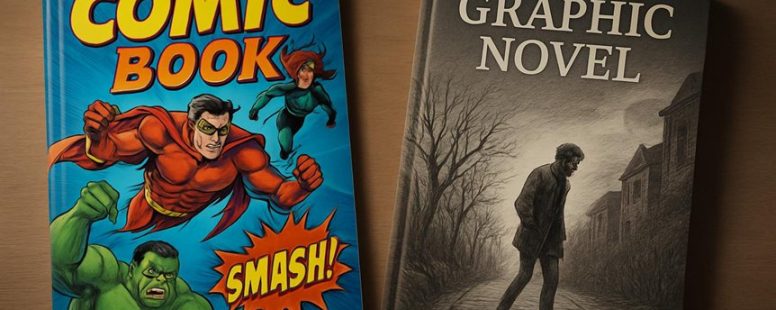
Imagine diving into a comic strip that sparks a quick burst of laughter or settling into a graphic novel that pulls you into a world of deep reflection. The difference between these visual stories goes beyond their length or style.
It’s about the way they serve your mind and soul—whether as fleeting entertainment or profound insight. Understanding these nuances is like unlocking a secret door to richer experiences with every page.
Surprisingly, knowing this can transform how you connect with stories, making reading not just enjoyable but truly immersive.
What Are Comics and Graphic Novels, Anyway?
Comics and graphic novels are types of stories told mainly through pictures and some words. They are a way to share stories using visuals to show emotions, actions, and settings. Comics are usually shorter and tell quick, episode-like stories. Graphic novels are longer and often have more complex plots, similar to books. Both types cover many genres, like superheroes, fantasy, memoirs, and social issues. For example, famous comics include Marvel’s Spider-Man and DC’s Batman, while well-known graphic novels include “Persepolis” by Marjane Satrapi and “Maus” by Art Spiegelman.
Some people prefer comics because they can be read quickly and are fun for a quick break. Others like graphic novels because they tell deeper stories and explore characters more fully. The artwork in both formats adds a lot of meaning, helping readers feel what the characters feel and see the story in a more vivid way.
However, there are some limits. Comics are often shorter, so they might not give enough detail for complex stories. Graphic novels can be long and take more time to read. Both formats are great for exploring different styles and genres, from action-packed adventures to heartfelt memoirs. Whether you like fast-paced comics or long, detailed graphic novels, both are wonderful ways to enjoy stories with pictures and words.
Who Reads Comics Versus Graphic Novels?
Comics and graphic novels are both popular ways to enjoy stories with pictures, but they often attract different audiences. Comics are usually read by a wider range of ages. Kids, teenagers, and even adults who collect comics love the characters and series they follow. For example, many young kids start with superhero comics like Spider-Man or Batman. These stories are fun and easy to understand.
Graphic novels tend to attract older readers who want longer, more detailed stories. These books often tell complete tales in one book, making them more like a book with pictures. For example, graphic novels like “Persepolis” or “Maus” explore serious topics and are often read by teens and adults who want more meaningful stories.
Collector communities also play a big role in both comics and graphic novels. Fans look for rare editions, special covers, or first prints. Sometimes they spend years looking for that one comic or graphic novel that completes their collection.
While comics are usually read casually and appeal to a broad audience, graphic novels often attract readers who want stories that are more serious or self-contained. Both groups enjoy sharing their favorite titles and talking about their collections. Understanding these differences helps explain why some stories work better for certain readers and how communities form around shared interests.
How Do Length and Format Shape the Stories?
The length and format of comics and graphic novels are key factors that shape how their stories are told and understood. Shorter comics, like webcomics or single-page strips, focus on quick, punchy moments. They use fast pacing and bold visuals to grab the reader’s attention right away. But because they are small, they often don’t have space for detailed backgrounds or complex character growth.
On the other hand, graphic novels are longer. They give enough room for stories to develop slowly. Readers can get to know characters well and see layered images that add meaning. The longer format invites readers to spend more time exploring the story’s details, making it more engaging for those who want a richer experience.
The way a comic is laid out also affects how the story feels. A tightly packed format can create a quick rhythm, while a more spacious layout can slow things down, making moments feel more powerful. For example, a comic with large panels can give a scene more impact, while smaller panels can speed up the reading experience.
Both formats have their strengths and limits. Short comics are great for quick entertainment and sharing funny or dramatic moments fast. But they might miss out on deeper storytelling. Graphic novels, by providing more space, can tell more complex stories, but they require more time and patience from the reader.
How Do Art Styles and Narrative Techniques Differ?
Art styles and narrative techniques are different ways that comics and graphic novels tell stories. Art styles are the visual look of the images. For example, comics like Marvel and DC use bold, bright, and energetic art to make action scenes exciting. Graphic novels, like “Persepolis” or “Maus,” often have more detailed and expressive drawings that help tell deeper stories.
Narrative techniques are how the story is told. Comics often use quick, punchy dialogue and fast pacing to keep readers excited. They might use speech bubbles and action lines to show movement. Graphic novels tend to use longer scenes and detailed visuals to explore characters’ feelings and complex ideas. For example, in “Fun Home” by Alison Bechdel, the slow, detailed art helps show how characters feel inside.
Some people think that comics are better for fun, fast stories, while graphic novels work well for serious or emotional topics. But both can be powerful. If you want a story with lots of quick action, a comic might be the best choice. If you want to explore deep feelings or complex themes, a graphic novel could be better.
In the end, the main difference is that art styles focus on the look of the images, while narrative techniques focus on how the story is told. Both play an important role in shaping how readers experience stories in comics and graphic novels.
Artistic Expression Variations
Comics and graphic novels both tell stories through pictures and words. The main difference is in how they look and how they tell their stories. Comics usually have bold, exaggerated art that is simple and quick to read. This style helps to show action fast and keeps the story moving quickly. Think of comic book heroes like Spider-Man or Batman, where the images are energetic and colorful to match the fast pace.
Graphic novels, on the other hand, often have more detailed art. They use shading, textures, and complex pictures to create rich, immersive worlds. These visuals help to show deep emotions and make the story feel more real. For example, graphic novels like “Persepolis” or “Maus” use detailed drawings to help tell serious, emotional stories.
These differences affect how stories are told visually. Comics might use simple art to show quick action or humor, while graphic novels use detailed art to focus on mood and feelings. Both formats use images to tell stories, but they do it in different ways. Comics are often more about fast-paced action, while graphic novels focus on deeper emotional impact.
In short, comics and graphic novels use different art styles and storytelling techniques. Comics are more energetic and bold, ideal for action stories. Graphic novels are more detailed and slow down to tell complex stories. Both are powerful tools for visual storytelling, but they serve different kinds of stories and audiences.
Storytelling Approaches
Comic books and graphic novels tell stories in different ways because of their visual style. Comic books usually use fast-moving images and quick changes in panels to make the story exciting and full of action. They often focus on genres like superheroes, horror, or sci-fi, which help shape how the story moves forward. Think of comic books like a fast roller coaster ride, full of quick turns and thrills.
Graphic novels, however, tend to use more detailed pictures and slower pacing. They allow for a deeper look into characters and themes. Artists might include symbols or use images that make readers think more carefully about what the story means. This makes the storytelling more subtle and layered. Imagine reading a graphic novel like watching a slow, thoughtful movie that makes you think about life or feelings.
Both styles influence how readers experience the story’s tone and mood. Comic books are great for quick, exciting stories, while graphic novels work better for more complex and meaningful tales. Choosing between them depends on what kind of story you want to tell or read.
How Do Publishing and Distribution Affect Accessibility?
Publishing and distribution are key to how easily people can access comics and graphic novels. When they are published through popular platforms like ComiXology or in local bookstores, more people can find and read them. On the other hand, if comics are only available in limited places or expensive to buy, fewer people get to enjoy them.
Digital formats, like ebooks or apps, make comics available to a wider audience. For example, someone in a small town can read a comic just as easily as someone in a big city. This helps break down barriers that used to keep some people from reading comics, such as high costs or limited store options.
However, digital formats have some limits too. Not everyone has a good internet connection or a device to read ebooks. Also, some people still prefer physical comics because they like holding a book or collecting them. So, both online and physical publishing have their pros and cons.
Different ways of publishing can also affect who gets access. Large publishers like Marvel or DC can reach millions through stores and online shops. Smaller creators might only sell their comics at local events or on small websites, which limits their audience. This shows that the way comics are published can either help more people find them or keep them hard to find.
Publishing Platforms Influence Reach
Publishing platforms are very important because they decide how easily readers can find comics and graphic novels. The main types are print and digital. Print editions, like comic books in stores, are limited because they need physical copies. This can make them hard for people outside certain areas to get. Digital platforms, such as apps and online stores like ComiXology or Kindle, allow instant access. Anyone with an internet connection can read them, which makes digital formats great for reaching a bigger audience.
Social media is also a big part of spreading comics. Creators and publishers use platforms like Instagram, Twitter, and TikTok to show their work and find fans. For example, a comic artist might post snippets of their work to get people excited. Digital sharing makes it easy for readers to recommend comics to friends or share them online, helping the work spread faster.
Choosing the right platform can change who reads a comic and how quickly it gets noticed. For example, a small indie comic might do better on digital platforms because it costs less to publish online. On the other hand, print comics often attract collectors and fans who want a physical copy. Both have good and bad sides. Digital is faster and more accessible, but print can feel more special and collectible.
In the end, creators need to think about their goals. If they want to reach a wide, global audience fast, digital is usually the best choice. But if they want to sell special editions or build a loyal local community, print might work better. The right platform depends on what the creator wants to achieve and who they want to reach.
Distribution Channels Vary Significantly
Distribution channels are the main way comics and graphic novels reach readers. If a comic is sold in big stores like Walmart or online sites like Amazon, it’s easier for people to find. But sometimes, too many copies in many stores can make it hard for smaller or niche comics to stand out. Regional differences also matter. For example, a comic might be easy to find in New York City but hard to find in a small town. When distribution is limited, independent creators and small publishers have a hard time getting their work seen. On the other hand, a wide network of stores and online platforms helps more readers discover different kinds of comics. How publishers choose to sell their comics, whether through big stores, specialty comic shops, or local shops, directly affects who can buy these comics and how fast they can get them.
Accessibility Through Digital Formats
Digital formats are the best way to make comics and graphic novels easier for people to access. They are simple to use on many devices like smartphones, tablets, or e-readers. This helps readers with visual issues or reading problems because features like adjustable font sizes, high contrast modes, or text-to-speech can make reading easier. For example, a person with poor eyesight can increase the font size or turn on high contrast to see the pictures and words better.
But not all digital formats are equally good for everyone. Some formats might not work well with tools that help people read, like screen readers. This means some comics might not be fully accessible to all people. How publishers choose to share their comics makes a big difference. If they don’t think about accessibility, some readers might miss out on these stories.
Why Do These Differences Matter for Creators and Fans?
Comics and graphic novels are different ways to tell stories with pictures and words. Comics are usually shorter, serialized stories published in parts, like a comic strip or a comic book. Graphic novels are longer, complete stories that look more like a book with a hardcover or softcover cover. Knowing these differences helps creators and fans understand what kind of story they are getting.
For creators, these differences matter because they decide how to tell their stories. If they want to make a quick, ongoing story, comics are a good choice. They can work on small parts over time, and fans can follow along. If they want to tell a deep, full story with complex themes, a graphic novel is better. It gives more space for characters and ideas and feels more like a piece of literature.
For fans, these differences change how they experience stories. Comics can feel like a fun, exciting adventure that keeps going, like a TV series. Fans can follow characters over many issues and feel part of a shared universe. Graphic novels often feel more serious or important because they are longer and focus on meaningful themes, like a novel or movie.
Knowing these differences helps everyone appreciate the unique ways stories are made and enjoyed. For example, a superhero comic might be quick and action-packed, while a graphic novel about a person’s life might be slow and emotional. Both are valuable but serve different needs. Recognizing these styles helps fans find stories that match what they like and helps creators decide how best to tell their stories.
How Can Recognizing These Differences Enhance Your Reading Experience?
Recognizing the differences between comics and graphic novels can make your reading more enjoyable. Comics usually are shorter and often published in series, like Spider-Man or Batman. Graphic novels are longer, more like books, and often tell a complete story, such as “Persepolis” by Marjane Satrapi. Knowing this helps you pick the right kind of story for what you like.
Understanding genre diversity is also helpful. Comics can be funny, action-packed, or scary. Graphic novels can be serious, personal, or even poetic. For example, “Maus” by Art Spiegelman shows a different style of storytelling compared to a superhero comic. Recognizing these differences lets you appreciate the variety and find stories that match your mood and interests.
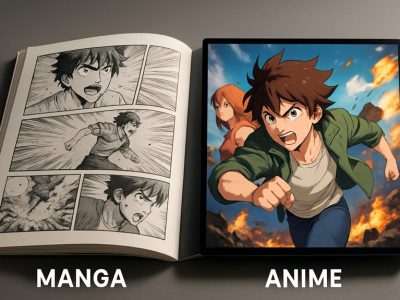
Cultural influences also shape how comics and graphic novels look and feel. For example, Japanese manga has a distinct style and themes that are different from American comics. Knowing about these influences gives you a peek into different cultures and their stories. It can also help you understand why certain art styles and topics are popular in different countries.
By understanding these differences, you become a more aware reader. You notice the details, like how an artist’s style changes between works, or what a story really means. This awareness can also help you choose books that truly interest you. Some stories might surprise you or teach you something new about the world.
Keep in mind, not all comics or graphic novels are the same. Some might be simple fun, while others are deep and serious. Recognizing this can help you enjoy what you read without feeling disappointed if a story doesn’t match your expectations. Overall, knowing these differences makes reading comics and graphic novels more fun and meaningful.
To provide the best experiences, we use technologies like cookies to store and/or access device information. Consenting to these technologies will allow us to process data such as browsing behaviour or unique IDs on this site. Not consenting or withdrawing consent, may adversely affect certain features and functions.
Functional
Always active
The technical storage or access is strictly necessary for the legitimate purpose of enabling the use of a specific service explicitly requested by the subscriber or user, or for the sole purpose of carrying out the transmission of a communication over an electronic communications network.
Preferences
The technical storage or access is necessary for the legitimate purpose of storing preferences that are not requested by the subscriber or user.
Statistics
The technical storage or access that is used exclusively for statistical purposes.The technical storage or access that is used exclusively for anonymous statistical purposes. Without a subpoena, voluntary compliance on the part of your Internet Service Provider, or additional records from a third party, information stored or retrieved for this purpose alone cannot usually be used to identify you.
Marketing
The technical storage or access is required to create user profiles to send advertising, or to track the user on a website or across several websites for similar marketing purposes.