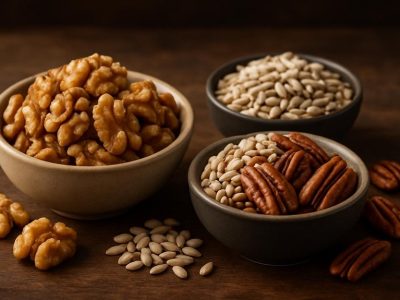
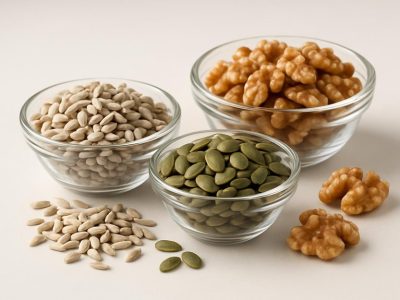
Picture this: you’re ready to whip up a batch of vibrant, homemade pesto, but then you realize you’re out of pine nuts—or maybe the price tag on that tiny bag has you second-guessing. Don’t let that stop you from creating the creamy, nutty perfection that makes pesto so irresistible. There are plenty of substitutes that can deliver all the flavor and texture without very costly.
Why Look For Alternatives To Pine Nuts In Pesto?
Pine nuts can be expensive, with prices often reaching $23-$30 per pound in the US. This cost makes them less accessible for many home cooks. If you’re preparing pesto frequently, the cumulative expense of pine nuts adds up quickly.
Some individuals have allergies to tree nuts, including pine nuts. Using a substitute ensures your dish is safe for everyone at the table. Options like seeds (e.g., sunflower or pumpkin) provide similar textures without triggering allergies.
Availability may also be an issue. Pine nuts aren’t always stocked in local grocery stores, especially outside urban areas or specialty markets. Choosing alternatives enables you to enjoy pesto without relying on hard-to-find ingredients.
Sustainability concerns might influence your decision too. Pine nut harvesting can strain ecosystems due to overharvesting and labor-intensive processes in some regions. Exploring substitutes helps reduce demand while supporting more sustainable practices.
Taste preferences vary, and some people find pine nuts overly rich or distinctive in flavor. Swapping them for milder options like cashews or almonds creates a balanced taste that suits broader palates while maintaining pesto’s creamy consistency.
Top Alternatives To Pine Nuts In Pesto
Pine nuts aren’t the only option for making flavorful pesto. You can achieve similar textures and flavors with several substitutes that are cost-effective, allergy-friendly, or easier to find.
Walnuts: A Nutty Substitute
Walnuts provide a rich, earthy flavor that complements classic pesto ingredients like basil and garlic. Their slightly bitter taste adds depth when blended with olive oil and Parmesan cheese. Toasting walnuts lightly before use enhances their nutty aroma. They’re also more affordable than pine nuts, typically costing $6-$9 per pound in the US.
Cashews: Smooth And Creamy
Cashews create a creamy texture ideal for pesto lovers seeking a milder flavor profile. These nuts blend seamlessly into the sauce, balancing other ingredients without overpowering them. Raw cashews work best as they retain their natural sweetness, but roasted ones can add an extra layer of flavor if desired.
Almonds: A Crunchy Option
Almonds offer a firm texture that gives your pesto some crunch while maintaining its nutty essence. Blanching almonds removes their skins for a smoother finish; but, using whole almonds introduces rustic notes to the sauce. At an average price of $5-$8 per pound in many stores, almonds provide both affordability and versatility.
Pecans: A Sweet Twist
Pecans infuse your pesto with subtle caramel-like sweetness that pairs beautifully with savory elements like Parmesan cheese and garlic cloves. They work well for those who prefer sweeter undertones in sauces or want to experiment beyond traditional flavors. Toasted pecans amplify this unique flavor profile further while ensuring better consistency during blending.
Nut-Free Alternatives For Pine Nuts
Nut-free substitutes offer a practical solution for those managing tree nut allergies or simply seeking affordable, accessible options. These alternatives maintain the core characteristics of pesto—its creamy texture and rich flavor—while ensuring inclusivity.
Sunflower Seeds: A Reliable Option
Sunflower seeds provide a mild, nutty flavor that’s perfect for balancing other pesto ingredients like basil and garlic. Their small size ensures they blend smoothly into the sauce, creating a creamy consistency without overpowering taste. They’re also widely available and cost-effective, priced at approximately $2-$4 per pound in many stores.
For an enhanced depth of flavor, toasting sunflower seeds lightly before blending is recommended. This process unlocks their natural oils and adds a subtle roasted note that mimics the richness of pine nuts effectively.
Pumpkin Seeds: Earthy And Flavorful
Pumpkin seeds (pepitas) bring an earthy tone to your pesto while offering versatility in texture when blended or left slightly coarse. They’re packed with nutrients such as magnesium and zinc, making them both flavorful and health-conscious choices.
Raw pumpkin seeds deliver a fresher taste profile, whereas toasted ones introduce smokiness that complements ingredients like Parmesan cheese. Average prices range between $5-$7 per pound depending on availability.
Experiment with salted or seasoned varieties cautiously; excessive salt can disrupt the balance of flavors in your pesto dish.
Hemp Seeds: A Nutritional Boost
Hemp seeds contribute creaminess along with an exceptional nutritional boost due to their high omega-3 fatty acid content. Their subtle nuttiness pairs well with traditional pesto components but remains subdued enough not to dominate the overall profile.
Unlike larger seed options, hemp seeds don’t require pre-soaking or roasting before use—they integrate seamlessly into recipes straight from their packaging. Expect prices around $8-$12 per pound for quality products sourced from reputable suppliers.
Combining hemp seeds with lemon juice amplifies brightness in your pesto recipe while enhancing its vibrant green color .
Additional Tips For Choosing The Best Substitute
Consider Flavor Profiles: Match the substitute’s taste to your desired pesto flavor. Walnuts bring earthiness, sunflower seeds are mild and nutty, while pumpkin seeds add a robust, earthy tone.
Focus On Texture: Maintain the creamy consistency of traditional pesto by choosing substitutes like cashews or hemp seeds. For added crunch, use almonds or toasted pecans.
Account For Allergies: Ensure inclusivity if serving guests with dietary restrictions. Nut-free options like sunflower or pumpkin seeds work well for those allergic to tree nuts.
Experiment With Combinations: Combine different substitutes for unique flavors and textures. Blending sunflower seeds with cashews creates a balanced mix of creaminess and nuttiness.
Incorporate Toasting Techniques: Toast substitutes lightly to enhance their natural flavors before blending them into your pesto recipe.
Balance Cost And Availability: Opt for affordable choices based on local availability. Substitutes like almonds often cost less and are easier to find compared to pine nuts in many regions.
Match Nutritional Needs: Use nutrient-dense ingredients when prioritizing health benefits—hemp seeds offer omega-3s, while pepitas provide essential vitamins and minerals beneficial for overall wellness.
Conclusion
Finding the perfect alternative to pine nuts for your pesto opens up endless possibilities to suit your taste, budget, and dietary needs. Whether you’re opting for classic nuts like walnuts or exploring nut-free options like sunflower seeds, you can create a flavorful and satisfying pesto that rivals the original.
Don’t be afraid to experiment with different substitutes or combinations to discover unique flavors. Toasting your chosen ingredient can elevate its natural taste while keeping costs manageable. With these alternatives, you can enjoy homemade pesto that’s delicious, versatile, and tailored just for you.
To provide the best experiences, we use technologies like cookies to store and/or access device information. Consenting to these technologies will allow us to process data such as browsing behaviour or unique IDs on this site. Not consenting or withdrawing consent, may adversely affect certain features and functions.
Functional
Always active
The technical storage or access is strictly necessary for the legitimate purpose of enabling the use of a specific service explicitly requested by the subscriber or user, or for the sole purpose of carrying out the transmission of a communication over an electronic communications network.
Preferences
The technical storage or access is necessary for the legitimate purpose of storing preferences that are not requested by the subscriber or user.
Statistics
The technical storage or access that is used exclusively for statistical purposes.The technical storage or access that is used exclusively for anonymous statistical purposes. Without a subpoena, voluntary compliance on the part of your Internet Service Provider, or additional records from a third party, information stored or retrieved for this purpose alone cannot usually be used to identify you.
Marketing
The technical storage or access is required to create user profiles to send advertising, or to track the user on a website or across several websites for similar marketing purposes.