You can pick the right sweet pea variety and change how your garden smells, looks, and behaves for months. The difference between Spencer and Grandiflora sweet peas is not just botanical jargon, it shapes flower size, scent intensity, climbing habit, and how long stems last in a vase. Picture a bouquet that fills a room with perfume for two weeks, or a trellis bursting with ruffled petals in early summer: choosing Spencer or Grandiflora will steer you toward one of those outcomes. Below you’ll get clear, practical comparisons, real growing tips, and design ideas so you can choose the sweet pea that fits your goals and climate.
What Are Sweet Peas And Why Varietal Type Matters
Fact: Sweet peas (Lathyrus odoratus) are annual vines prized for scent and flowers. They belong to a single species but come in distinct varietal groups, of which Spencer and Grandiflora are the most garden-relevant. Spencer types arose in the late 19th century when breeders in England selected ruffled, showy blooms with stronger stems: the Royal Horticultural Society and many cut-flower growers now favor them for vase life and color range. Grandiflora, sometimes called ‘Grandifloras’ or old-fashioned large-flowered types, include both heirloom and modern strains that emphasize large, flat blooms and traditional fragrance.
Why the varietal type matters: the variety determines flower form, scent concentration, stem length, and how many flowers you can cut without weakening the plant. You choose a variety depending on whether you want abundant, quick blooms for bedding or long-lasting stems for arranging and selling. For example, if you plan to supply farmers’ markets or make wedding bouquets, Spencer’s longer stems and sturdier petals often perform better. If you want a nostalgic cottage-garden scent and big, single blooms, Grandiflora can deliver that look with less processing.
Spencer Vs. Grandiflora — Key Differences At A Glance
Fact: Spencer and Grandiflora differ mainly in flower form, scent, plant habit, and productivity. Below you’ll find pointed comparisons so you can weigh trade-offs quickly.
Flower Form, Size, And Appearance
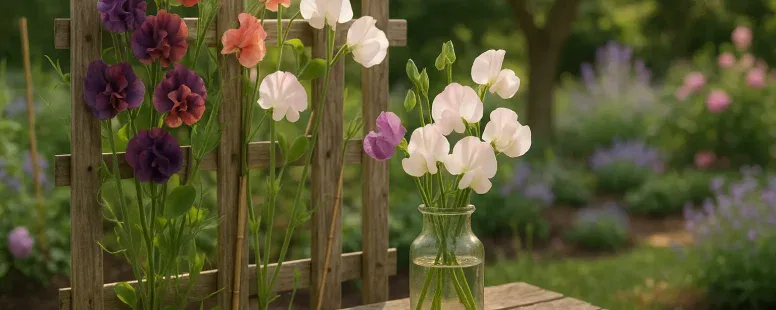
Fact: Spencer flowers are ruffled and often larger in clusters: Grandiflora flowers are broader and flatter. Spencer blooms show pronounced frills and layered petals that resemble miniature roses: they often measure 2–3 inches across and come in intense colors like deep violet, coral, and bicolor mixes. Grandiflora blooms can be as large or larger but present a classic, single-stand petal layout with a simpler silhouette. If you want a modern, dramatic look pick Spencer: if you want a classical, painterly bloom pick Grandiflora.
Fragrance And Vase Appeal
Fact: Both types are fragrant, but scent intensity varies by cultivar. Many Grandiflora cultivars keep the old sweet-pea perfume, heady and honey-like, while Spencers can be equally scented or milder depending on the breeding. For vase use, Spencer stems tend to be stronger and hold up longer: florists often prefer them because they stay upright and open reliably. If you prize scent above vase longevity, prioritize Grandiflora varieties known for perfume.
Plant Habit, Vigor, And Climbing Ability
Fact: Spencer plants often show stronger vigor and climbing drive. Spencer vines usually produce tougher tendrils and higher branch density, so they climb trellises fast and carry many flowers along the stem. Grandiflora plants can be elegant but sometimes less vigorous, needing richer soil or closer spacing to reach similar coverage. If you want a fast green wall, Spencer often gets there sooner.
Blooming Season, Productivity, And Cut-Flower Yield
Fact: Spencers generally give higher cut-flower yield and more continuous bloom under good care. You’ll get more stems per plant from Spencers in many trials because breeders selected for production. Grandiflora can produce huge single blooms but fewer stems overall. For continuous cutting choose Spencer: for occasional showy stems choose Grandiflora.
Hardiness, Climate Adaptability, And Longevity
Fact: Both types prefer cool springs and may struggle in hot summers. Grandiflora heirlooms often show better cold-start vigor in northern gardens, whereas some modern Spencer cultivars show improved heat tolerance. Longevity in the garden depends on timing: sow early for spring performance, and consider fall-sown crops in mild climates for better flowering. If your summers run hot, plan shade and afternoon cooling to extend both types’ run.
Growing Requirements Common To Both Types
Fact: Both Spencer and Grandiflora share core cultural needs: cool temperatures, fertile soil, and reliable support.
Light, Soil, And Site Selection
Fact: Sweet peas prefer full sun and cool roots. Plant where they get morning sun and some afternoon shade in hot regions. Use well-draining soil rich in organic matter: they dislike waterlogged ground. If your soil is clay, build raised beds or add compost and grit to improve texture.
Sowing, Timing, And Germination Tips
Fact: Timing controls success. In most U.S. zones you sow sweet peas in late winter/early spring or in fall for winter-warm areas (California, coastal Oregon). Soak seeds 12–24 hours or nick the seed coat to speed germination. Use a soil temperature around 50–60°F for fastest emergence. You’ll see shoots in 10–21 days under good conditions.
Support, Training, And Spacing
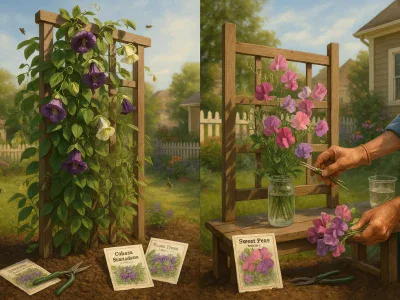
Fact: Both types need vertical support. Use bamboo canes, netting, or dedicated pea trellis systems. Space plants 6–10 inches apart for Spencers (they run denser) and 8–12 inches for Grandiflora if you want larger individual plants. Train young shoots by gently tying or weaving them into the trellis: they will cling with tendrils.
Feeding, Watering, And Pruning For Continual Blooms
Fact: Regular feeding sustains longer bloom. Apply a balanced fertilizer when shoots reach 6 inches and again at first bloom. Water deeply once or twice a week depending on rainfall: avoid overhead wetting late in the day to reduce fungal risk. Pinch back the first lateral shoots to encourage branching and more flower spikes. Deadhead cut stems regularly to push plants into more flowering rather than seed set.
Best Uses In The Garden And Design Ideas
Fact: Use Spencers for formal cut-flower production and Grandifloras for cottage-style displays. Both add vertical interest and fragrance.
Cut Flower Production And Arranging Tips
Fact: Spencers give more usable stems for arrangements. Cut stems in the cool morning when buds show color but before full opening for longest vase life. Use floral preservative or a weak sugar-solution and change water daily. For Grandiflora, let two or three blooms open on each stem for a romantic, layered look in a low vase.
Borders, Arbors, Containers, And Vertical Features
Fact: Both types thrive on vertical features. Plant at the front of tall borders to draw the eye upward, or use them on arbors for short-season shade. In containers use deep pots (12 inches plus) and a support ring: feed more often as containers drain faster.
Companion Plants And Planting Combinations
Fact: Plant sweet peas with early-summer mates. Good companions include delphinium, foxglove, lavender, and roses such as ‘Gertrude Jekyll’ for a classic combination. Combine with low-growing thyme or nepeta to hide the base and make the vertical stems float above a soft carpet.
Troubleshooting: Pests, Diseases, And Common Problems
Fact: Pests, fungi, and poor culture cause most failures. Identify the problem early to fix it.
Common Insect Pests And How To Manage Them
Fact: Aphids, pea weevils, and slugs are most common. Inspect shoots and undersides of leaves weekly. For aphids use a strong spray of water or insecticidal soap: introduce beneficials like ladybugs in larger plantings. For slugs use baiting or copper rings. Crop rotation and clean-up reduces pea weevil pressure.
Fungal And Viral Issues, Prevention And Treatment
Fact: Powdery mildew and root rot appear in warm, humid conditions or waterlogged soil. Improve air flow, avoid overhead irrigation, and remove infected foliage early. Use fungicides labeled for ornamentals if outbreaks persist. Viral issues (mosaic patterns, stunting) have no cure: remove infected plants and control aphids to slow spread. For reference, the Royal Horticultural Society lists practical control steps in their care guides: RHS Sweet Pea Advice.
Cultural Problems (Leggy Growth, Poor Flowering) And Fixes
Fact: Leggy growth comes from low light or overcrowding. Increase light or improve spacing, pinch back to encourage bushiness, and boost potassium at bud set for better flowering. Poor flowering often traces to high nitrogen, switch to a balanced feed lower in nitrogen and higher in phosphorus to promote blooms instead of leaf.
Choosing Cultivars And Buying Tips
Fact: Pick cultivars for your goal: production, fragrance, color, or heritage. Read seed-company descriptions and breeder notes.
Notable Spencer Varieties To Consider
Fact: Try ‘Matucana’ for bright red-purple ruffles and long stems, or ‘Novella Rose’ for soft pink clusters that florists favor. Modern Spencer series from Thompson & Morgan and Sakata include bred-for-production lines that resist breakage and yield more stems.
Notable Grandiflora Varieties To Consider
Fact: ‘Old Spice’ and ‘Royal Wedding’ demonstrate classic Grandiflora traits: large, fragrant blooms with strong perfume. Heirloom seeds from companies like Seed Savers Exchange preserve unique Grandiflora scents and color tones you won’t find in mass-market mixes.
Seed Versus Transplants, Sourcing, And What To Look For
Fact: Most gardeners prefer seed for sweet peas because transplanting can disturb roots. Buy fresh seed from reputable suppliers, check packing dates, and test germination if stock is old. If you use transplants, buy robust, green seedlings with no signs of yellowing or pests. For cut-flower enterprise, source trials from commercial breeders and compare stem counts per plant before large purchases.
Call to action: choose the type that matches your aims, sow soon, and keep notes on each cultivar so future seasons get better and better. Good luck, your garden will smell amazing.
To provide the best experiences, we use technologies like cookies to store and/or access device information. Consenting to these technologies will allow us to process data such as browsing behaviour or unique IDs on this site. Not consenting or withdrawing consent, may adversely affect certain features and functions.
Functional
Always active
The technical storage or access is strictly necessary for the legitimate purpose of enabling the use of a specific service explicitly requested by the subscriber or user, or for the sole purpose of carrying out the transmission of a communication over an electronic communications network.
Preferences
The technical storage or access is necessary for the legitimate purpose of storing preferences that are not requested by the subscriber or user.
Statistics
The technical storage or access that is used exclusively for statistical purposes.The technical storage or access that is used exclusively for anonymous statistical purposes. Without a subpoena, voluntary compliance on the part of your Internet Service Provider, or additional records from a third party, information stored or retrieved for this purpose alone cannot usually be used to identify you.
Marketing
The technical storage or access is required to create user profiles to send advertising, or to track the user on a website or across several websites for similar marketing purposes.