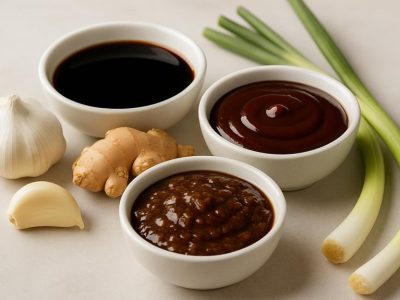
Rich, savory, and slightly sweet—oyster sauce is a staple in many kitchens, elevating stir-fries, marinades, and dipping sauces with its umami-packed punch. But what happens when you’re out of it or need a substitute for dietary or flavor preferences? The good news is, you don’t have to sacrifice taste or creativity in your cooking.
What Is Oyster Sauce?
Oyster sauce is a thick, dark brown condiment originating from Southern China. Made by cooking oysters in water, this sauce is infused with salt, sugar, and occasionally soy sauce to enhance its flavor profile. It delivers a perfect blend of umami, sweetness, and saltiness, making it a staple in Asian cuisines.
You often find oyster sauce utilized in dishes like chow mein, beef stir-fry with broccoli, or bok choy in garlic sauce. Its smooth texture clings well to meats and vegetables, ensuring even flavor distribution. Though it contains oyster extracts, modern versions sometimes include oyster-flavored essence with thicker agents like cornstarch.
While its traditional preparation remains iconic, variations cater to vegetarian or alternative diets. These offer similar taste, often through mixes incorporating mushrooms or soy as substitutes.
Why Look For Alternatives To Oyster Sauce?
Oyster sauce’s unique flavor makes it indispensable, but substitutes become necessary in certain scenarios. Whether it’s due to personal dietary needs or external factors, exploring alternatives ensures flexibility in your cooking.
Dietary Restrictions And Allergies
Certain individuals cannot consume oyster sauce due to shellfish allergies or dietary restrictions like gluten intolerance. Since traditional oyster sauce contains oyster extract, it’s unsuitable if you have a shellfish allergy, which affects over 7 million people in the US (source: AAAAI). Gluten-free diets may also be impacted because some brands use wheat-derived soy sauce. Chicken and mushroom-based sauces offer allergy-friendly replacements. For example, tamari soy sauce works for gluten-intolerant individuals, delivering similar umami characteristics.
Availability And Cost
You may need replacements if oyster sauce isn’t available locally or is too expensive. Specialty items like oyster sauce are sometimes scarce in smaller towns, rural areas, or international locations. A 9-ounce bottle can cost anywhere from $4-$12 depending on the brand. Liquid aminos serve as a convenient alternative in such cases, widely available and inexpensive. Consider blending liquid aminos with a dash of brown sugar for slightly sweet undertones.
Vegan And Vegetarian Preferences
Oyster sauce’s seafood base makes it unsuitable for vegans and some vegetarians. Alternatives such as mushroom stir-fry sauce or homemade combinations like soy sauce with shiitake mushroom water replicate its taste profile. These substitutions cater to ethical preferences while maintaining your dish’s savory depth. For instance, mixing 2 tablespoons of mushroom broth with 1 tablespoon of soy sauce mimics the umami savoriness without compromising dietary principles.
Top Alternatives To Oyster Sauce
Finding an alternative to oyster sauce ensures you retain the umami, savory flavors that elevate dishes. Various substitutes cater to dietary needs, flavor preferences, and ingredient availability.
Soy Sauce
Soy sauce serves as a versatile replacement, offering a salty, umami-rich profile similar to oyster sauce. It’s readily available and works well in stir-fries, marinades, and dipping sauces. For added depth, mix soy sauce with a little sugar or molasses. Low-sodium soy sauce fits those monitoring salt intake, while tamari caters to gluten-free diets. For example, drizzle tamari over vegetable stir-fry to replicate oyster sauce richness.
Hoisin Sauce
Hoisin sauce, with its sweet and tangy notes, brings a complex flavor to dishes. Though sweeter than oyster sauce, blending it with soy sauce balances the sweetness, making it a closer match. Use it as a glaze for meats or a stir-fry enhancer. For a richer texture, try hoisin in noodle dishes like chow mein or pad Thai. Make sure to taste-test before adding too much, as it’s distinctly bold.
Mushroom Sauce
Mushroom-based sauces deliver the umami depth of oyster sauce, making them ideal for vegans and vegetarians. These are often crafted from shiitake or oyster mushrooms, offering earthy, savory undertones. Homemade versions combine mushroom broth, soy sauce, and cornstarch for thickness. Use this substitute in recipes such as mushroom fried rice or as a topping for steamed vegetables.
Teriyaki Sauce
Teriyaki sauce introduces a sweet, slightly tangy flavor with a hint of umami, suitable for many oyster sauce applications. Its thicker consistency works well in glazing dishes or coating proteins like chicken or tofu. It complements stir-fried vegetables but may require dilution to tone down its sweetness. Blend small portions with soy sauce for a balanced substitute.
Fish Sauce
Fish sauce provides a sharp, umami flavor but is more pungent than oyster sauce. When used sparingly, it adds depth to soups, stir-fries, or marinades. Mixing fish sauce with a sweetener, like honey or brown sugar, balances its intensity. Pair it with lime and garlic for a dynamic dipping sauce. Due to its strong aroma, add just a few drops and adjust to taste.
How To Choose The Best Alternative For Your Dish
Selecting the right substitute for oyster sauce depends on factors like flavor profile, dietary needs, and overall dish compatibility. Understanding these aspects ensures balance and enhances your culinary creations.
Flavor Profile Considerations
Focus on the substitute’s umami, sweetness, and saltiness when assessing alternatives. Oyster sauce offers a rich combination of these elements, which directly impacts your dish’s taste. For example, soy sauce provides strong umami and saltiness but lacks sweetness, making it ideal for savory dishes. Hoisin sauce, with its sweet and tangy profile, suits recipes needing a sweeter contrast.
Vegan-friendly options often rely on mushroom extracts for umami. A mushroom stir-fry sauce can closely mimic oyster sauce, especially in vegetable dishes. Sweet soy sauce or kecap manis works well in recipes requiring a caramelized flavor layer. Pair substitutes wisely based on the desired intensity and pairings in your dish.
Cooking Compatibility
Evaluate how the substitute interacts with different cooking methods. Oyster sauce’s thick texture coats ingredients evenly, vital for stir-fries and marinades. If replicating this, hoisin sauce or thick soy sauce achieves similar results. For lighter consistency needs, liquid aminos or tamari can integrate seamlessly into broths and soups.
Consider its integration with other ingredients. In seafood-based recipes, fish sauce complements seafood umami tones. But, balance its strong flavor with a hint of sugar or honey to avoid overpowering the dish. Vegan recipes benefit from soy and mushroom combinations, ensuring texture and flavor harmony.
Tips For Using Oyster Sauce Alternatives
Match the Flavor Profile
Aim for an alternative that balances umami, sweetness, and saltiness—key elements of oyster sauce. For example, combine soy sauce with a touch of sugar to mimic the sweetness. Vegan options like mushroom soy sauce deliver umami with depth, while hoisin sauce adds sweetness and tanginess.
Adjust Quantities Based on Strength
Some substitutes, like fish sauce, are more intense in flavor. Use smaller amounts of such condiments to avoid overpowering the dish. For milder substitutes like diluted soy sauce or mushroom broth, increase the quantity gradually until the desired taste is achieved.
Enhance with Supporting Ingredients
Pair the substitute with complementary ingredients. Add a dash of sesame oil, minced garlic, or fresh ginger alongside tamari to elevate its flavor. A splash of rice vinegar can balance overly sweet alternatives like hoisin sauce.
Test in Small Batches
Experiment in small portions when incorporating a new substitute. This prevents wasting ingredients if the flavor doesn’t blend as expected. For example, try a mix of hoisin and soy in a single serving of stir-fry before scaling up for larger meals.
Consider the Dish’s Cooking Method
Choose a substitute compatible with the cooking process. Thick alternatives, such as hoisin sauce, suit glazing and marinades, while liquid alternatives like teriyaki are better for stir-fries. For example, teriyaki works well in chicken stir-fry, but hoisin adds richness to sticky pork ribs.
Customize for Dietary Needs
Tailor the substitute to align with dietary restrictions. Use tamari for gluten-free dishes or homemade mushroom-based sauces for vegans. For example, replace soy sauce in gluten-sensitive recipes with coconut aminos.
Maintain Consistent Texture
If the recipe relies on thick sauces for coating, thicken liquid substitutes. Add cornstarch or arrowroot powder to soy or tamari, creating a smooth, glossy finish similar to oyster sauce in broccoli stir-fry.
Taste Frequently During Preparation
Tasting allows you to adjust the balance among sweetness, umami, and saltiness during cooking. For example, if hoisin appears too sweet, dilute it with soy or add a bit of fish sauce. Maintain control of the final flavor profile.
Use Ingredients Commonly Found at Home
You don’t always need specialty products for substitutes. A mix of soy sauce, sugar, and mushroom broth replicates oyster sauce’s flavor affordably. This option works well when cooking for a family dinner without additional shopping trips.
Repurpose Leftover Alternatives
Use any leftover substitutes in other recipes. For example, use mushroom stir-fry sauce in vegan ramen or tamari in salad dressings. This reduces waste and adds variety to everyday meals.
Conclusion
Finding the right alternative to oyster sauce doesn’t have to be a challenge. Whether you’re accommodating dietary restrictions, exploring vegan options, or simply out of oyster sauce, there are plenty of substitutes that can deliver the savory, umami-rich flavors you’re looking for. By understanding the unique qualities of each option and experimenting with flavors, you can create dishes that are just as delicious and satisfying. With a little creativity, your cooking can remain versatile, flavorful, and perfectly tailored to your needs.
To provide the best experiences, we use technologies like cookies to store and/or access device information. Consenting to these technologies will allow us to process data such as browsing behaviour or unique IDs on this site. Not consenting or withdrawing consent, may adversely affect certain features and functions.
Functional
Always active
The technical storage or access is strictly necessary for the legitimate purpose of enabling the use of a specific service explicitly requested by the subscriber or user, or for the sole purpose of carrying out the transmission of a communication over an electronic communications network.
Preferences
The technical storage or access is necessary for the legitimate purpose of storing preferences that are not requested by the subscriber or user.
Statistics
The technical storage or access that is used exclusively for statistical purposes.The technical storage or access that is used exclusively for anonymous statistical purposes. Without a subpoena, voluntary compliance on the part of your Internet Service Provider, or additional records from a third party, information stored or retrieved for this purpose alone cannot usually be used to identify you.
Marketing
The technical storage or access is required to create user profiles to send advertising, or to track the user on a website or across several websites for similar marketing purposes.