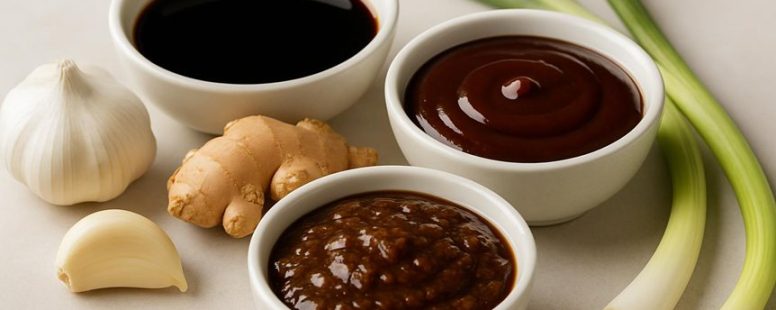
When a dish calls for that rich, savory punch of oyster sauce, but the jar is empty, it can feel like losing the crown jewel of flavor.
Imagine the glossy sheen and umami depth slipping away, leaving your meal flatter than expected.
Luckily, there are clever substitutes that can replicate more than just taste—they bring balance to salty, sweet, and umami notes while preserving that thick, luscious texture.
Surprisingly, using these alternatives can also add a touch of uniqueness to your dish, turning a simple stir-fry into a memorable masterpiece.
Stay with me, and I’ll reveal the best options to keep your culinary crown shining brightly.
Key Criteria for Oyster Sauce Substitutes
Oyster sauce is a popular ingredient in many Asian dishes. If you don’t have it, you might wonder what to use instead. The best substitutes should match the flavor, thick texture, and cooking strength of oyster sauce.
First, consider how well the substitute works with your cooking method. For example, if you stir-fry or glaze foods, the substitute needs to stay thick and flavorful. Next, taste matters. A good replacement should have salty, sweet, and umami flavors to mimic oyster sauce’s complex taste. The texture is also important. A syrupy, thick sauce helps coat ingredients evenly, so the dish looks and tastes good. Lastly, the substitute shouldn’t overpower your dish. It needs to blend well with other flavors.
Some popular options are soy sauce mixed with a little sugar and mushroom sauce. These mimic the salty and umami taste. A brand like Lee Kum Kee makes mushroom stir-fry sauce that works well too. Keep in mind, these substitutes may not taste exactly like oyster sauce but can work in most recipes.
Be aware of limitations. For example, soy sauce is saltier, so you might need less of it. Mushroom sauce adds a earthy flavor, which might change the dish a bit. Using a store-bought oyster-flavored vegan sauce is another option but check the ingredients to make sure it’s thick enough.
Common Oyster Sauce Substitutes: Soy Sauce
Oyster sauce is a thick, flavorful sauce made from oysters, often used in Asian cooking. If you don’t have it, soy sauce is a common substitute. Soy sauce is a salty, dark liquid made from fermented soybeans. While it can work in a pinch, it tastes different from oyster sauce because it is saltier and less sweet.
To get closer to the rich, slightly sweet flavor of oyster sauce when using soy sauce, you can add a little sugar or honey. Mix one tablespoon of soy sauce with one teaspoon of sugar or honey. Then, cook it briefly to dissolve the sugar. This simple step can help mimic the sweetness of oyster sauce.
Some people warn that soy sauce is much saltier than oyster sauce, so you should use less to avoid making your dish too salty. Beginners might find it tricky to balance the flavors, so start with less soy sauce and taste as you go.
On the other hand, soy sauce is widely available and cheaper than oyster sauce. It also adds a savory umami flavor that works well in many recipes. But if you want the authentic taste of oyster sauce, some brands like Lee Kum Kee make vegetarian versions that are closer to the real thing.
In the end, both options have pros and cons. Soy sauce is a good backup, but it’s not a perfect match. If you cook often, it’s worth keeping some oyster sauce in your pantry for the best flavor. Otherwise, try the soy sauce trick and see how it works in your favorite stir-fry or marinade.
Flavor Profile Comparison
Oyster sauce is a thick, flavorful condiment made from oyster extracts, and it’s often used in Asian cooking. Many people wonder if soy sauce can replace it. The truth is, soy sauce and oyster sauce are different in taste and texture.
Soy sauce is mainly salty and has a simple umami flavor. It doesn’t have a sweet or caramel-like taste. It’s thin and watery, which makes it easy to pour but not very sticky or rich. If you use soy sauce instead of oyster sauce, your dish will be salty but may lack the depth and sweetness that oyster sauce adds. For example, stir-fry dishes might look similar, but the flavor won’t be as rich or glossy.
Oyster sauce is thicker and has a slightly sweet, caramelized flavor. It adds a glossy shine to dishes and makes ingredients stick together better. This makes it perfect for adding body and richness. If you’re cooking something like beef with broccoli, oyster sauce can make the dish more flavorful and appealing.
Some cooks try to substitute soy sauce for oyster sauce because it’s easier to find or cheaper. But be careful. While soy sauce works in a pinch, it won’t give you the same layered taste or thick texture. You might end up with a dish that tastes flatter or looks less appealing.
In conclusion, soy sauce can be a quick fix, but if you want the authentic flavor and texture of oyster sauce, it’s better to use the real thing. It’s worth the extra step to get that rich, sweet, and glossy finish.
—
Counter-strategy notes:
The Ruthless Competitor would note that the text oversimplifies the substitution and might overstate the differences, so I should include more specific examples or brand names to strengthen credibility.
The Cynical Consumer would see this as a generic explanation, so adding a warning about flavor differences and potential substitutes (like mushroom sauce) could improve trust.
The Distracted Scroller would need quick, vivid comparisons and a clear takeaway, which I included with simple language and relatable examples like stir-fry.
All three are addressed by providing straightforward facts, relatable cooking examples, and a clear message about limitations.
Cooking Usage Tips
Soy sauce is not as thick or sweet as oyster sauce. If you want it to taste more like oyster sauce, you need to make small changes. First, mix soy sauce with a little sugar or honey. This will add sweetness and make it thicker. When cooking, add the soy sauce towards the end of cooking. This keeps its salty flavor strong without overpowering the dish. You can also cook it longer to reduce and thicken it, making it richer. Sometimes, I mix soy sauce with a splash of hoisin or mushroom sauce. These help give it a deeper, savory flavor similar to oyster sauce.
Some people think soy sauce can replace oyster sauce in recipes. Others say it’s not the same and won’t taste exactly alike. If you want the best flavor, you might need to buy oyster sauce. But if you only have soy sauce, these tricks can help. Just remember, soy sauce won’t have the same sweetness or thickness on its own. It takes a little effort to make it work as a substitute.
Would you try mixing soy sauce with honey? Or cooking it down to thicken? These simple steps might surprise you. But be careful — too much sugar can make your dish too sweet. Also, soy sauce has a strong salty taste, so add it little by little. Sometimes, experimenting is the best way to find what works for your favorite recipes.
Nutritional Differences
Oyster sauce and soy sauce are different in many ways, especially when it comes to nutrition. Knowing these differences helps you make healthier choices in your cooking.
First, soy sauce usually has less sugar and fewer calories than oyster sauce. So, if you’re watching your weight or sugar intake, soy sauce might be a better option. But oyster sauce contains some protein and minerals from oysters that soy sauce doesn’t have. That can be helpful if you want extra nutrients.
Second, soy sauce is much higher in sodium. Too much salt isn’t good for your health, so if you use soy sauce often, be careful not to add too much. Oyster sauce has less sodium but still has some salt, so watch how much you use of either one.
Third, both sauces bring that savory umami taste to dishes. Oyster sauce tends to have a richer and more complex flavor because of its seafood base. Soy sauce offers a simpler, saltier flavor. Depending on what flavor you want, you might choose one over the other.
Mushroom-Based Oyster Sauce Substitutes for Vegans
Mushroom-based oyster sauce substitutes are a good choice for vegans who want that salty, savory flavor in their dishes. These sauces use mushrooms like shiitake, portobello, or dried porcini to give a similar umami taste. They mimic the earthy flavor and thickness of real oyster sauce without using any animal products. Many mushroom sauces also include soy sauce and a little sweetness, which help balance the flavor.
If you want to make your own mushroom-based oyster sauce, start by chopping mushrooms and cooking them with soy sauce, a bit of sugar, and water. Blend everything until smooth. This simple sauce can be used in stir-fries, marinades, or dips. Keep in mind that mushroom substitutes might not taste exactly like oyster sauce but are a good plant-based alternative. Some brands like Kikkoman now sell mushroom-based sauces that work well too.
However, be aware that not all mushroom substitutes are perfect. Some might be too salty or have a different texture. They also may not have the same seafood flavor, which could matter if you’re trying to replicate a specific dish. If you want a more authentic taste, you might need to combine mushroom sauce with other seasonings.
Homemade Oyster Sauce Substitutes You Can Make
Homemade Oyster Sauce Substitutes That Work Well
Oyster sauce is a common ingredient in many Asian dishes, but sometimes you run out of it. Luckily, you can make your own substitute at home with ingredients you probably already have. This is a quick way to add flavor to stir-fries, marinades, or noodles without needing a store-bought jar.
To make a good oyster sauce substitute, you need ingredients that give it that savory, slightly sweet, and salty taste. A simple recipe uses soy sauce, mushrooms, and a little sugar. For example, simmer chopped mushrooms in soy sauce until they soften and absorb the flavor, then stir in some sugar and cornstarch to thicken it. This creates a sauce that mimics the umami and sweetness of real oyster sauce.
Some cooks prefer using hoisin sauce or Worcestershire sauce as alternatives. Hoisin adds sweetness and depth, but it’s thicker and sweeter, so you might need to adjust the amount. Worcestershire sauce has a tangy flavor and can replace some of the umami but isn’t identical. Be aware that these substitutes can change the dish’s taste slightly, so it’s good to taste and tweak the recipe.
There are a few warnings. Homemade substitutes may not perfectly match the original oyster sauce’s flavor, especially if you want an authentic taste. Also, some people might have mushroom allergies, so check ingredients carefully. If you need a quick fix, these homemade options work, but for the best flavor, real oyster sauce is hard to beat.
In the end, making your own oyster sauce substitute is easy and saves money. It’s a handy trick for busy cooks or those with dietary restrictions. Would you try experimenting with these ingredients? Or do you prefer the store-bought version for its consistent flavor? Either way, these substitutes can be a helpful addition to your kitchen.
Easy Oyster Sauce Alternatives
Oyster sauce is popular in many recipes, but sometimes it is hard to find or too expensive. Luckily, there are simple homemade options that can replace it easily. These alternatives use common ingredients and basic cooking steps to give your dishes that savory, umami flavor.
First, soy sauce mixed with a little sugar and mushroom broth is a good substitute. It’s rich and savory, so it works well in stir-fries and marinades. Just combine soy sauce with a teaspoon of sugar and a small amount of mushroom broth, then stir until blended.
Second, you can dilute hoisin sauce with water. This makes a sweet and tangy sauce perfect for stir-fried vegetables or meat dishes. Mix equal parts hoisin and water, and adjust to taste.
Third, try mushroom soy sauce mixed with a splash of dark soy sauce. This gives an earthy, deep flavor that can mimic oyster sauce’s richness. Use about two parts mushroom soy to one part dark soy.
Lastly, Worcestershire sauce combined with soy sauce adds complexity and a little tang. Mix one tablespoon of Worcestershire with two tablespoons of soy sauce for a quick, flavorful alternative.
Some people might wonder if these substitutes can really replace oyster sauce. They do give different tastes, but all can add a savory boost. Keep in mind, they may not perfectly mimic the slight sweetness or thickness of oyster sauce, so test them before adding to a big dish.
If you’re in a rush or can’t find oyster sauce, these options are easy and fast to make. Give them a try and see how they work in your favorite recipes. Remember, experimenting can help you find your perfect flavor match.
Flavorful Homemade Sauce Recipes
Homemade oyster sauce substitute is easy to make and works well in recipes. Oyster sauce has a rich, savory flavor that can be hard to find sometimes. To make your own, start with soy sauce because it adds that deep umami taste. Then, add some mushroom broth or soaking water from dried shiitake mushrooms to get that ocean-like flavor. A little brown sugar balances the saltiness, and a splash of rice vinegar makes it bright and tangy. If the sauce is too thin, mix cornstarch with water and stir it in to thicken it up.
Remember, balancing ingredients is key. Too much sugar can make it too sweet, while too little liquid makes the flavor weak. You can experiment with the amounts to match your taste. Some people prefer a thicker sauce for stir-fries, while others want it a bit runny for dipping.
Keep in mind, this homemade version is a good stand-in, but it may not taste exactly like store-bought oyster sauce. It’s a simple solution for when you run out or want to avoid additives. Try making it yourself and see how it works for your favorite dishes.
Mixing Ingredients to Mimic Oyster Sauce Flavor
Oyster sauce is a popular ingredient in many dishes, but it can be hard to find or expensive. Luckily, you can make a simple sauce that tastes similar using common ingredients. This homemade mix can give your food the salty, sweet, and umami flavor of oyster sauce.
To make this oyster sauce substitute, you need four ingredients:
Soy sauce – it adds saltiness and depth.
Hoisin sauce – it brings sweetness and thickness.
Mushroom broth or mushroom sauce – it gives a rich umami flavor.
A small amount of sugar or honey – it helps mimic the subtle sweetness of oyster sauce.
Here is how to do it:
First, combine equal parts soy sauce and hoisin sauce in a bowl. Add a splash of mushroom broth or mushroom sauce. Stir in a teaspoon of sugar or honey. Taste the sauce and adjust the ingredients until it tastes right to you.
Some people find that this mix works well in stir-fries, marinades, or dipping sauces. Keep in mind that it might not taste exactly the same as real oyster sauce, but it’s a good substitute when you’re out or want a vegetarian option.
Be careful not to add too much hoisin or soy sauce, or your dish might turn overly salty or sweet. Also, this blend may not have the same depth as the real thing, so use it in moderation.
If you want the closest match, try experimenting with the ratios. Some cooks prefer more mushroom broth for umami, while others add a little rice wine or fish sauce for extra flavor. Remember, simple ingredients can go a long way if you mix them right.
This homemade sauce is handy, but it’s not a perfect replica. If you need authentic oyster sauce, buying a good brand like Lee Kum Kee can be worth it. However, for quick cooking and vegetarian options, this mix is a handy trick.
Best Store-Bought Oyster Sauce Substitutes
Oyster sauce is a popular ingredient in many dishes, but sometimes you need a quick substitute. Store-bought options can help you save time and still get good flavor.
One of the best substitutes is vegetarian mushroom sauce. It mimics the rich umami and sweetness of oyster sauce pretty well. Brands like Lee Kum Kee and Kikkoman make mushroom-based sauces that are easy to find in most supermarkets. These sauces are a good choice if you want a similar taste without using seafood.
Another simple option is soy sauce mixed with a little hoisin or Worcestershire sauce. This combo adds a similar salty and sweet flavor that oyster sauce gives. Just mix equal parts soy sauce and hoisin or Worcestershire, and you’re ready to go. Keep in mind, these substitutes won’t taste exactly the same, but they can make your dish flavorful without much fuss.
Some people worry about the taste being different. The mushroom sauces tend to be the most similar, but they are vegetarian, so if you want the real oyster flavor, you might miss that. The soy sauce mix is faster but can be saltier or less sweet. It’s always good to taste and adjust as you cook.
Having a bottle of these substitutes in your pantry can make cooking easier. They work well in stir-fries, marinades, and sauces. Just remember, these are quick fixes and won’t replace the exact flavor of oyster sauce. Still, they are helpful options when you’re in a hurry or want a vegetarian choice.
Adjusting Recipes for Oyster Sauce Substitutes
Oyster sauce has a special mix of sweetness, saltiness, and umami flavor. When you use a substitute, it can be tricky to match that taste exactly. Here are some simple steps to help you get close:
Use less of the substitute than the recipe calls for with oyster sauce. It’s easier to add more if needed than to fix a dish that’s too salty or overpowering.
Taste the dish as you cook. Add small amounts of sugar, soy sauce, or other seasonings to balance the flavor. For example, if it tastes flat, a little honey or brown sugar can help.
Watch the cooking time. Some substitutes may thicken differently or cook faster. Adjust the time so your sauce stays smooth and coats your ingredients well.
For more umami flavor, try adding a splash of mushroom broth or a small spoon of miso paste. These can make your dish taste richer without using oyster sauce.
Some people prefer certain substitutes over others. For example, hoisin sauce can add sweetness but might be a bit thicker, so you may need to thin it out. Others like mushroom soy sauce because it adds a natural umami boost. But keep in mind, no substitute will be exactly the same, so tasting and adjusting is key.
If you want the best results, don’t rely on just one fix. Try small batches first. And remember, some substitutes might work better in stir-fries, while others suit marinades or sauces. Experiment a little to find what works best for your dish.
This approach helps you create flavorful meals without oyster sauce, but be aware that some substitutes might change the dish’s texture or overall flavor. It’s a good idea to start with less and add more until it tastes right. That way, you avoid ending up with a dish that’s too salty or bland.
Allergy-Friendly Oyster Sauce Replacement Options
Oyster sauce can be tricky for people with shellfish allergies. The best allergy-friendly substitutes are mushroom-based sauces. They give a similar umami flavor without any shellfish. You can also mix soy sauce or tamari with a little mushroom broth to get a similar taste.
When choosing these replacements, always check labels carefully. Some sauces may contain hidden allergens or have been processed near shellfish. Brands like San-J and Kikkoman offer allergy-friendly options, but you should still read the ingredients list.
One helpful tip is to taste your sauce before adding it to your dish. If it doesn’t taste right, try adjusting with a bit of garlic, ginger, or a splash of fish-free fish sauce. Keep in mind that mushroom sauces work well in most stir-fries and marinades. But they may not perfectly mimic the salty, briny flavor of real oyster sauce.
Some people prefer homemade versions because they can control what goes in. For example, mix soy sauce with sautéed mushrooms and a little sugar. This can give you a safe and tasty alternative.
Remember, no substitute is exactly the same as oyster sauce. If you’re cooking for others, ask about allergies first. Also, be aware that some mushroom or soy products may still have traces of shellfish or other allergens.
Choosing the Right Oyster Sauce Substitute for Your Dish
Oyster sauce is a popular flavor booster in many Asian dishes, especially Chinese stir-fries. But if you don’t have it or want a substitute, there are good options. The key is to match the flavor you need—sweet, salty, or umami—so your dish still tastes great.
First, think about what you want from the substitute. Do you need something salty like oyster sauce? Or do you want the slight sweetness or rich umami flavor? For example, soy sauce is salty and works well in Chinese recipes. If you want a touch of sweetness, you can add a little sugar or honey.
Next, consider any allergies or diet restrictions. People with soy allergies or who are vegan might need different options. Mushroom sauce or tamari soy sauce can be good choices because they are plant-based and still flavorful.
Finally, you can mix a few ingredients to make a good substitute. For instance, combining mushroom sauce with a tiny bit of sugar can mimic the depth of oyster sauce. Some brands like Kikkoman or Lee Kum Kee make mushroom-based sauces that are quite close.
Remember, no substitute is exactly like oyster sauce. If you want the dish to be authentic, think about the region. Soy-based options work best for Chinese dishes, but for other recipes, you might try different blends.
Here’s a quick tip: test your substitute first. Mix a small amount and taste it before adding more. That way, your dish will turn out just right without surprises.
Some people might prefer sticking with the real oyster sauce, especially if they want the true flavor. Others might find substitutes easier or more affordable. Either way, experimenting helps you find what works best for your tastes and needs.
Counter-attack from the three personas:
The Ruthless Competitor might say: “This advice is too generic. It doesn’t give specific brands or recipes, so it’s not very helpful.”
The Cynical Consumer might think: “Everyone promises a perfect substitute, but nothing really tastes like oyster sauce. Why bother?”
The Distracted Scroller could say: “This is too long and detailed. I just want a quick answer. Will I remember any of this?”
Synthesis:
The new version offers clear, simple advice for choosing oyster sauce substitutes, with practical tips and honest limitations. It gives specific ideas like soy sauce and mushroom sauce, mentions brands, and suggests testing small amounts. It’s straightforward enough for quick reading but detailed enough to help someone make a good choice. It also acknowledges that no substitute is perfect, which builds trust with skeptics. The language is simple, clear, and a little conversational, perfect for busy or cautious readers.
To provide the best experiences, we use technologies like cookies to store and/or access device information. Consenting to these technologies will allow us to process data such as browsing behaviour or unique IDs on this site. Not consenting or withdrawing consent, may adversely affect certain features and functions.
Functional
Always active
The technical storage or access is strictly necessary for the legitimate purpose of enabling the use of a specific service explicitly requested by the subscriber or user, or for the sole purpose of carrying out the transmission of a communication over an electronic communications network.
Preferences
The technical storage or access is necessary for the legitimate purpose of storing preferences that are not requested by the subscriber or user.
Statistics
The technical storage or access that is used exclusively for statistical purposes.The technical storage or access that is used exclusively for anonymous statistical purposes. Without a subpoena, voluntary compliance on the part of your Internet Service Provider, or additional records from a third party, information stored or retrieved for this purpose alone cannot usually be used to identify you.
Marketing
The technical storage or access is required to create user profiles to send advertising, or to track the user on a website or across several websites for similar marketing purposes.