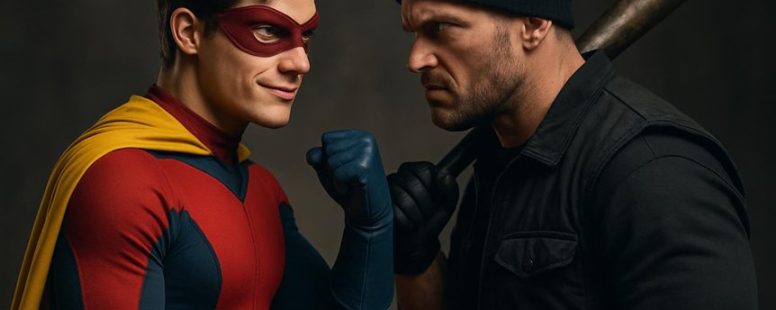
The line between a sidekick and a henchman is often as thin as a razor’s edge, yet it can carve out worlds of moral complexity. Imagine the secret hum of anticipation in the air, the subtle shift of loyalty, and the quiet tension that transforms supporting roles into pivotal players.
At first glance, they seem alike—both shadows in the hero’s story—but peel back the layers, and you discover a surprising depth that can redefine a narrative’s heartbeat. Knowing these roles can unlock hidden emotional landscapes and reveal unexpected alliances, turning familiar tropes into powerful storytelling tools.
What Is a Sidekick, and What Role Do They Play?
A sidekick is a supporting character who helps the main hero in a story. Unlike villains or henchmen who follow orders without caring, sidekicks are more emotionally connected to the hero. They often provide humor and make the story more fun and relatable. For example, Robin is Batman’s sidekick, and his presence makes Batman’s adventures more exciting and human.
Sidekicks usually share a close bond with the hero, sometimes acting like a mentor or a trusted friend. They help develop the main character’s journey by offering advice, support, or comic relief. Sometimes, they also serve as a sounding board, helping the hero think through difficult problems.
However, there are two sides to having a sidekick. On one hand, they add warmth and humor to the story. On the other hand, they can sometimes steal the spotlight or distract from the main plot if not balanced well.
In short, a sidekick is more than just a helper. They are a key part of the story’s emotional core and help the hero grow. Think of them as a side mirror that reflects the hero’s struggles and strengths. Without a good sidekick, stories can feel less complete and less fun to watch or read.
Who Are Henchmen, and Why Do They Matter?
Henchmen are loyal followers who help the main villain in a story. They often do the dirty work, like fighting heroes or guarding the villain. Unlike sidekicks, who are often friendly and funny, henchmen are serious and follow orders without asking questions. They matter because they show how loyalty can be complicated. Sometimes, henchmen believe they are doing the right thing, even if others see it as wrong.
For example, in many superhero movies, villains have henchmen who carry out their plans. These henchmen may not fully agree with what they are doing, but they stay loyal because they trust the villain or need the money. This makes us think about why people follow others, even when it seems wrong.
Some people believe henchmen are just bad characters, while others think they are more like victims of their circumstances. For example, in the movie “Austin Powers,” henchmen are often comic relief, but they also show how people can get caught in loyalty and bad choices.
But there are limits to how we see henchmen. Sometimes, they are just villains’ tools, and their actions cause harm. Other times, they might have their own reasons that seem justified to them. Understanding henchmen helps us see how loyalty can be tested and how people make tough moral choices. They remind us that in stories and real life, people sometimes do questionable things to protect themselves or others.
How Do Loyalty and Independence Differ Between Sidekicks and Henchmen?
Loyalty and independence are two key traits that shape how sidekicks and henchmen relate to their main characters. But they do this in very different ways.
Sidekicks are generally very loyal. They trust their hero and believe in their shared goals. For example, Robin stays loyal to Batman, but he also questions Batman’s decisions sometimes. This shows that sidekicks care about their hero but still want to do what they think is right. They keep a sense of independence, meaning they can stand up for themselves and speak out when needed. This balance helps keep the hero from becoming too bossy and makes their teamwork stronger. Some famous sidekicks are Robin from Batman and Sam from the Lord of the Rings. They are loyal but also have their own ideas.
Henchmen, however, usually follow orders because they are loyal to the villain or boss. They don’t often question instructions and are more like tools to do the job. For example, the henchmen working for a bad guy like the Joker in Batman follow orders without much thought. They don’t have much independence and usually don’t make moral choices on their own. They do what they are told, even if it’s wrong. Their loyalty is based on obeying commands, not shared goals or trust.
There are also differences in ethics. Sidekicks often face moral choices and support their hero’s growth. They might struggle with right and wrong but try to do what’s good. Henchmen usually follow strict rules from their boss and don’t think about ethics much. Their loyalty is more about fitting in or following orders, rather than doing what’s right.
How Sidekicks Enhance Hero Stories and Audience Connection
Sidekicks make hero stories more interesting and easier to connect with. They do this by adding humor, which makes scenes lighter and more fun to watch. Their jokes and quick comebacks help break tense moments and make the hero seem more human. For example, Robin often makes Batman’s serious moments more relatable and less lonely.
Sidekicks also show our own doubts and fears. They reflect what many of us feel, like feeling unsure or shy. This makes it easier for viewers to see themselves in these characters. Their loyalty and humor balance out the hero’s seriousness, making the story more enjoyable. Without a sidekick, a hero might seem isolated or too perfect. But with a sidekick, the story feels richer and more real.
Some people say that sidekicks can also distract from the main story. If they are too funny or silly, they might take attention away from the hero’s bigger mission. Also, not all sidekicks are equally helpful; some might just be comic relief without much depth. Still, most stories show that sidekicks help the audience care more about the hero by adding emotional connection and fun moments.
Why Do Henchmen Often Serve as Obstacles in Villain Plans?
Henchmen often get in the way of villain plans because they usually follow orders out of fear or to get something they want. This makes them unpredictable since they might act on impulse or change their mind suddenly. For example, a henchman might decide to betray the villain if they think they can get a better deal elsewhere. Also, they often lack initiative, meaning they don’t think ahead or plan well. This can cause mistakes or chaos that the villain didn’t expect.
Some people see henchmen as simple obstacles, but they can turn into real problems for villains. They might accidentally reveal secrets or cause a mess that ruins the plan. On the other hand, some villains use their henchmen wisely by training them well or keeping control. But even then, there’s always a chance that a henchman might act on their own, making things worse.
In stories, villains sometimes regret trusting their henchmen because they can be more trouble than they are worth. So, while henchmen are meant to help, their loyalty and lack of judgment often make them obstacles instead.
Loyalty and Fear
Henchmen often cause problems for their villain’s plans instead of just following orders. The main reasons are trust issues and power struggles. Henchmen might not believe their leader’s true intentions or worry that their loyalty is not returned. This can make them hesitate or even fight back. Fear also plays a part. Henchmen may worry about being betrayed or punished if they are too obedient. So, they act unpredictably to protect themselves. These feelings make their loyalty fragile and easy to break.
Power struggles also make things worse. When henchmen think they have more influence or control, they might challenge the villain’s authority. For example, in movies like James Bond, some henchmen try to take over or change plans when they feel confident. Sometimes, they think they are smarter or stronger than their boss.
There are two sides to this story. Some believe henchmen cause trouble because they are greedy or want fame. Others think they do it because they do not really trust their leader or feel scared. If a henchman feels insecure or unsure, they might act against their boss without fully realizing it.
In real life, it’s like a team of workers who don’t trust their boss. They might hide mistakes or refuse to do what they are told. This shows how trust and fear can make even simple plans go wrong. So, when villains or leaders do not build trust or make their henchmen feel safe, problems will happen more often.
Lack of Initiative
Lack of initiative among henchmen often causes plans to fail, even when leaders have clear goals. Initiative means taking action without waiting for instructions. When henchmen don’t show initiative, it slows down progress and can stop a plan from working. This problem usually comes from poor leadership, where motivation isn’t built well. Henchmen may hesitate because they don’t feel confident or they’re afraid of making mistakes. Sometimes, instructions are unclear, or expectations keep changing, which makes it harder for henchmen to act on their own.
To fix this, leaders should follow these steps:
Clearly explain what is expected. When henchmen know what to do, they feel more confident and ready to act.
Let them make choices about their work. Giving them some freedom helps them take ownership of tasks.
Give regular feedback. Praise good work and guide them when they make mistakes. This builds trust and encourages initiative.
If leaders don’t give henchmen the power to act, they become obstacles instead of helpers. A good leader creates a place where initiative grows, turning followers into active helpers. For example, if a villain’s assistant is unsure about how to set a trap, giving clear steps and trusting them to decide can make the plan stronger. When people feel trusted and supported, they’re more likely to take action without waiting for orders. But leaders should be careful — too much freedom without guidance can cause mistakes. The key is to find the right balance.
When Roles Blur: Examples of Sidekicks and Henchmen in Stories
A sidekick is usually a hero’s loyal helper, while a henchman is a villain’s follower. Sometimes, though, the line between them gets blurry. This happens when characters change or play different roles in stories.
In comics and movies, costumes and symbols help show who is who. Heroes like Robin wear bright colors and symbols that show they are on the good side. Henchmen, on the other hand, often wear plain or dark outfits that make them look more threatening and less friendly. For example, Robin is known as Batman’s sidekick, always supporting him and fighting for justice. But in some stories, henchmen wear similar costumes to villains to look intimidating or to hide their true role.
These visual clues can make it hard to tell if a character is really a friend or just a villain’s follower. Sometimes, characters act in ways that make it hard to tell if they are loyal sidekicks or just enforcers. This can give stories more twists and surprises.
However, it’s good to remember that costumes and appearances don’t always tell the full story. Some characters might look like villains but are actually trying to do good, or vice versa. So, understanding their motives and actions is also important. In stories, the difference between a sidekick and a henchman can sometimes be as thin as a shadow, making the story more interesting and complex.
What Do These Roles Mean for Narrative Tension and Storytelling?
Sidekicks and henchmen are important characters in stories. They help shape the story’s tension and make the story more interesting. These characters can show how the main characters change or how conflicts get worse. They keep the reader interested and can make the story more exciting or suspenseful. Knowing what roles these characters play helps us understand how the story moves forward and how the main characters grow. For example, a loyal sidekick can give the hero someone to talk to, making their struggles feel more real. On the other hand, a henchman might add danger and keep the hero on edge. But it’s worth remembering that sometimes sidekicks can steal the show, or henchmen can be funny. So, writers have to decide how to use these roles carefully to make stories better.
Impact on Narrative Dynamics
Sidekicks and henchmen are characters that play important roles in stories. They help shape how the story feels and how characters are seen. For example, a sidekick often shows loyalty and hope. They make the story more emotional and fun. A henchman, on the other hand, can show chaos or blindly follow orders. They usually make the story more exciting and tense.
Their roles affect the story in these ways:
Controlling the pace of the story. Sidekicks often add humor or support, which keeps the story from feeling too serious all the time. They help balance moments of danger with lighter scenes. For example, Robin in Batman stories often makes the scenes less dark and more fun.
Showing the main message or theme. Characters like sidekicks and henchmen can symbolize bigger ideas. A loyal sidekick might stand for friendship and trust, while a henchman might represent chaos or evil.
Moving the plot forward. Henchmen often create problems or obstacles for heroes, making the story more exciting. Their actions can lead to fights or surprises that push the story ahead.
Both types of characters make stories richer and more interesting. They help viewers or readers understand what the story is really about. But it is good to remember that sometimes, sidekicks can steal the spotlight or henchmen can make the story too complicated. They are useful tools, but they need to be used carefully to keep the story clear and fun.
Influence on Character Development
Characters like sidekicks and henchmen play a big role in how characters grow and change in a story. These roles often show different parts of a hero’s journey. For example, a loyal sidekick can highlight the hero’s good qualities and moral choices. On the other hand, a henchman might be morally gray, making it harder to tell right from wrong. This contrast pushes the hero to think about their values and decisions more carefully.
Having morally unclear characters, especially henchmen, makes the story more interesting. It makes readers ask questions about motives and ethics. For example, in movies like “James Bond,” henchmen often challenge the hero’s beliefs, adding tension. These characters act as sparks that help the main character grow. They challenge the hero and make the story more emotional and morally complex.
However, some may argue that too many morally gray characters can confuse the story. If the hero is constantly questioning who to trust, it might slow down the story or make it less clear. Still, these characters can add depth and make the story more realistic.
In the end, sidekicks and henchmen help characters grow by testing their morals and choices. They add layers of tension that make stories more engaging and help characters become stronger and more aware of themselves.
To provide the best experiences, we use technologies like cookies to store and/or access device information. Consenting to these technologies will allow us to process data such as browsing behaviour or unique IDs on this site. Not consenting or withdrawing consent, may adversely affect certain features and functions.
Functional
Always active
The technical storage or access is strictly necessary for the legitimate purpose of enabling the use of a specific service explicitly requested by the subscriber or user, or for the sole purpose of carrying out the transmission of a communication over an electronic communications network.
Preferences
The technical storage or access is necessary for the legitimate purpose of storing preferences that are not requested by the subscriber or user.
Statistics
The technical storage or access that is used exclusively for statistical purposes.The technical storage or access that is used exclusively for anonymous statistical purposes. Without a subpoena, voluntary compliance on the part of your Internet Service Provider, or additional records from a third party, information stored or retrieved for this purpose alone cannot usually be used to identify you.
Marketing
The technical storage or access is required to create user profiles to send advertising, or to track the user on a website or across several websites for similar marketing purposes.