Difference Between Hero and Anti-Hero
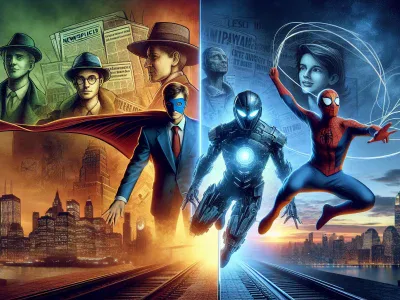
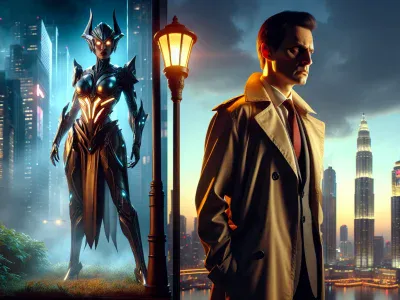
What draws you into a story? Often, it is the characters, their struggles, choices, and transformations hold our attention. Central to many literature and media narratives are heroes and anti-heroes, entities that represent distinct facets of the human experience. Understanding their differences not only enhances your appreciation of storytelling but also offers a deeper perspective on humanity’s values throughout time.
Understanding the Concept of a Hero

Defining Characteristics of Heroes
Traditionally, heroes symbolize virtues such as bravery, selflessness, and moral integrity. They serve as paragons of ideal human behavior, adhering to societal norms and demonstrating qualities that inspire admiration and respect. Heroes often embark on quests or missions, overcoming obstacles and adversities for the greater good.
Cultural and Historical Perspectives on Heroes
The concept of a hero has evolved, reflecting society’s values and needs throughout history. For example, ancient Greek heroes like Achilles were celebrated for their physical strength and honor in battle. Meanwhile, modern heroes, such as firefighters or social activists, are revered for their courage and resilience in helping others in realistic and relatable contexts. This evolution highlights humanity’s shifting ideals and aspiration points.
The Emergence of the Anti-Hero in Literature
Defining the Anti-Hero and Their Traits
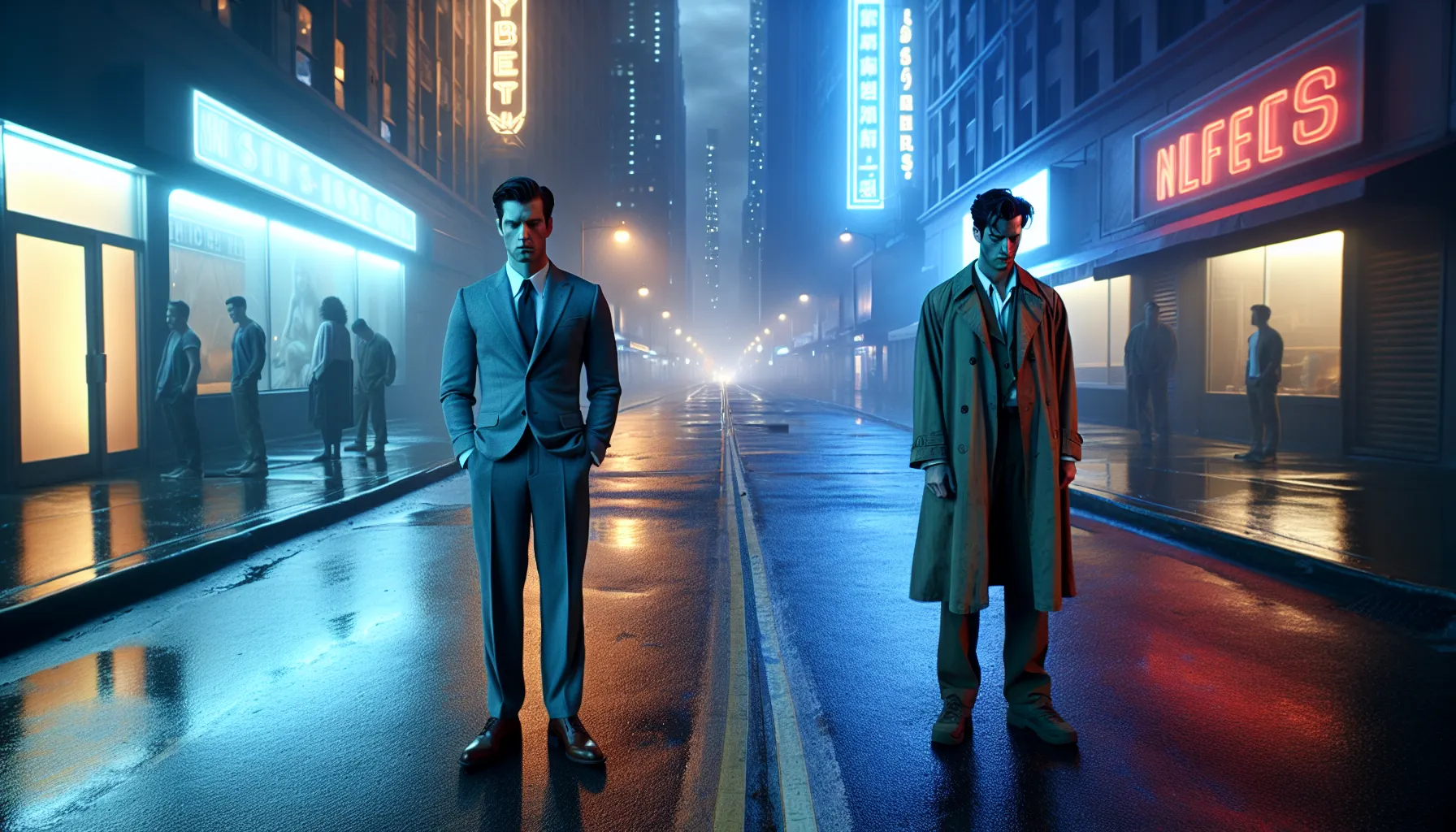
Unlike heroes, anti-heroes deviate from traditional ideals and exhibit flawed, sometimes morally ambiguous, characteristics. They might struggle with internal conflicts, hold self-serving priorities, and even challenge societal norms. Still, anti-heroes capture the audience’s empathy due to their depth and relatability, offering a closer reflection of human imperfections.
Famous Examples of Anti-Heroes in Media
Anti-heroes have gained prominence in contemporary narratives. Characters like Walter White from Breaking Bad or Holden Caulfield from The Catcher in the Rye exemplify the complexity and appeal of an anti-hero. These figures often tread the line between right and wrong, encouraging audiences to explore their own moralities.
Hero vs. Anti-Hero
Contrasting Key Characteristics
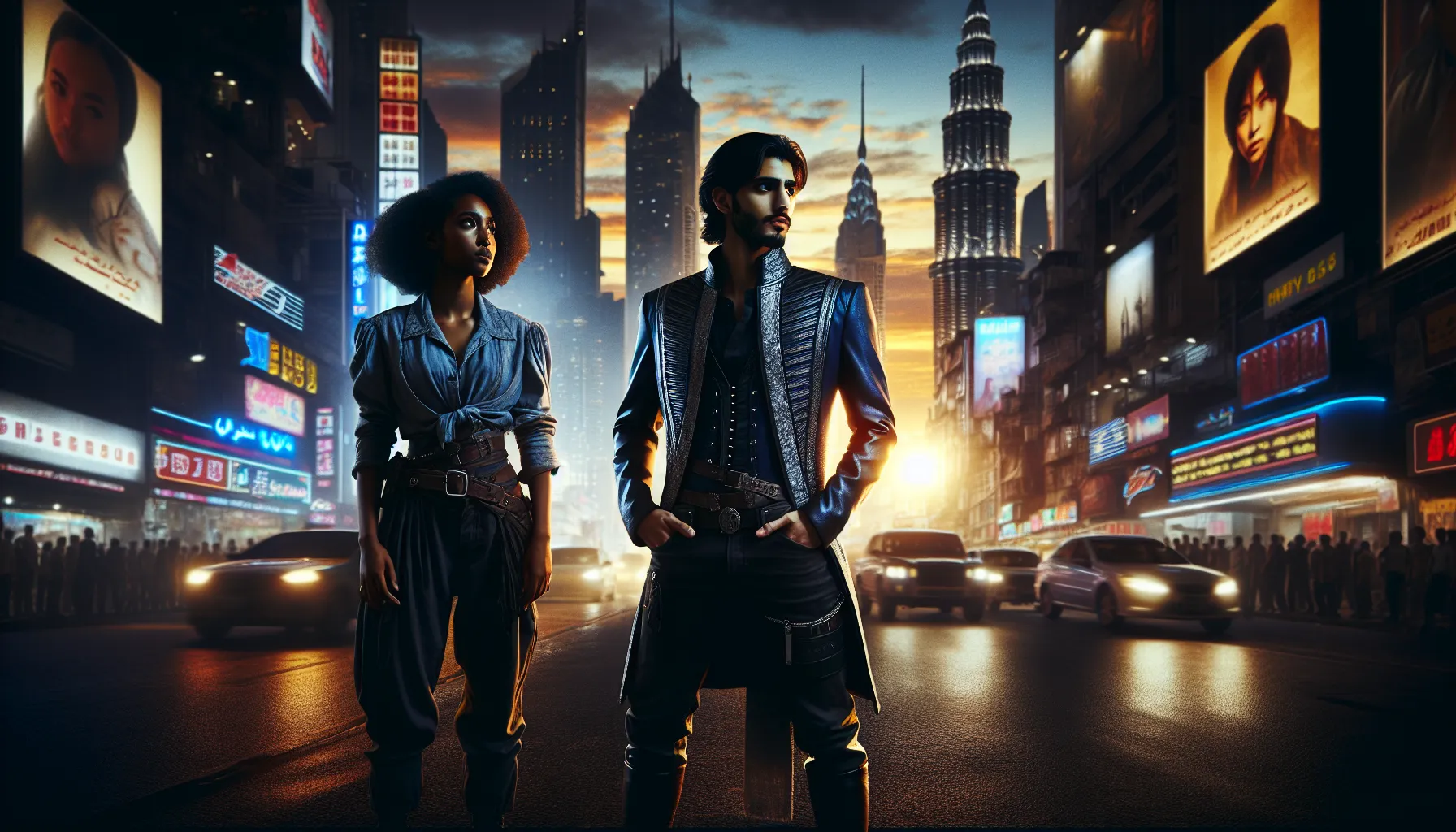
Heroes adhere to a moral code, prioritizing justice and altruism, whereas anti-heroes challenge societal norms, embracing personal growth and self-interest. This divergence creates a spectrum of behavior that broadens narrative possibilities, enriching storytelling.
Moral Complexity and Realism
Anti-heroes’ realistic imperfections and moral intricacies often resonate more with audiences, making them relatable and engaging. In contrast, heroes embody aspirational qualities, representing who we hope humanity can become under ideal circumstances.
Cultural Preferences and Audience Appeal
Different cultures and generations display varied preferences for heroes or anti-heroes based on societal context. For example, during times of uncertainty, the flawed yet resilient anti-hero often gains prominence, reflecting the era’s complex challenges.

- Vitamix Product Comparison: Which Blender Should You Buy? - September 15, 2026
- MGS6 Competitors: Top Stealth & Action Games - September 15, 2026
- HBM Competitors in High-Bandwidth Memory Tech - September 15, 2026
by Ellie B, Site Owner / Publisher