Picture this: you’re mid-shower, razor in hand, only to realize your shaving cream is nowhere to be found. Panic sets in for a moment, but what if the solution is already within arm’s reach? From pantry staples to everyday bathroom essentials, there’s a world of unexpected alternatives waiting to rescue you from that lather-less dilemma.
These substitutes aren’t just convenient—they can also nourish your skin and elevate your shaving routine in surprising ways. Whether you’re looking for something moisturizing, soothing, or simply effective, you’ll discover options that go beyond traditional shaving creams. So why stick to the usual when you could transform an ordinary shave into something extraordinary?
Why Consider A Substitute For Shaving Cream?
Shaving cream, while popular, isn’t always accessible or suitable for every situation. Exploring alternatives provides flexibility and addresses specific needs like skin sensitivity, cost savings, or environmental concerns.
Skin Sensitivity: Many shaving creams contain artificial fragrances or chemicals that irritate sensitive skin. Substitutes like coconut oil or aloe vera gel offer gentler options with natural moisturizing properties.
Cost Efficiency: Shaving creams can be expensive over time. Household items like conditioner or olive oil serve as budget-friendly replacements that are often already available in your home.
Environmental Impact: Aerosol-based shaving products contribute to pollution due to chemical propellants and non-recyclable packaging. Alternatives such as shea butter support eco-friendly practices by reducing plastic waste.
Emergency Situations: Running out of shaving cream mid-shower requires quick solutions without leaving the bathroom—using soap lather, baby oil, or even body lotion helps you adapt effortlessly.
Enhanced Skin Benefits: Substitutes like honey not only soften hair but also nourish your skin with antibacterial and hydrating qualities, improving the overall shave experience.
Considering these factors encourages you to rethink traditional shaving routines while promoting healthier habits and adaptable strategies for your grooming needs.
Common Household Items As Alternatives
Running out of shaving cream doesn’t mean you can’t achieve a smooth shave. Several everyday household items can replace traditional shaving cream while offering additional skin benefits.
Coconut Oil
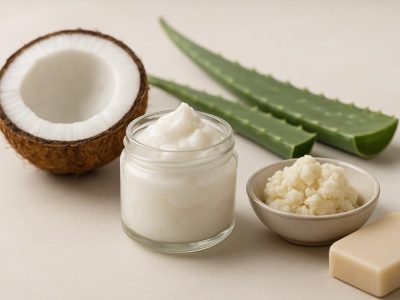
Coconut oil acts as an effective shaving lubricant. Its natural fatty acids provide hydration, reducing razor friction and irritation. Warm a small amount in your hands to melt the solid texture into a silky liquid before applying it to your skin. It’s especially useful for sensitive areas like underarms or bikini lines. Plus, its antibacterial properties help reduce the risk of infection from minor nicks.
Aloe Vera Gel
Aloe vera gel works as both a soothing agent and a moisturizing alternative to shaving cream. It creates a slick surface for razors to glide easily while calming inflammation or redness. Use pure aloe vera gel for better results, avoiding products with added artificial fragrances or alcohol that might irritates your skin further.
Conditioner
Hair conditioner doubles as an excellent substitute due to its creamy consistency and hydrating ingredients. Apply it directly onto wet skin, spreading evenly over the area you’re about to shave. Many conditioners contain emollients like glycerin that soften hair follicles, making them easier to cut without tugging on the skin.
Soap And Water
Soap lather is a quick fix when no other options are available in your bathroom. Create foamy suds using warm water and any gentle soap bar or body wash you have on hand—it helps reduce dryness compared with harsher soaps by adding moisture during application process (though not always ideal).
Natural And Organic Options
Natural substitutes for shaving cream often provide skin-friendly and eco-conscious alternatives. These options nourish the skin while enhancing your shaving experience.
Shea Butter
Shea butter offers deep hydration, making it an excellent substitute. Its rich texture creates a protective barrier, reducing friction during shaving. Unlike commercial creams, shea butter contains vitamins A and E, which promote healthy skin repair. You can warm a small amount in your hands to soften it before applying. For sensitive areas like the bikini line or underarms, its anti-inflammatory properties help soothe irritation.
Olive Oil
Olive oil ensures a smooth glide for razors while moisturizing dry skin. Its antioxidant content fights free radicals that may cause premature aging. Use extra virgin olive oil for optimal benefits because it’s less processed and retains more nutrients. Apply a thin layer directly to damp skin before shaving; this reduces razor drag and prevents nicks. Besides being affordable, olive oil’s versatility makes it easy to incorporate into daily grooming routines.
Honey
Honey acts as both a moisturizer and antibacterial agent when used as a shaving cream alternative. It softens hair follicles for easier removal while protecting against infections from minor cuts. Raw honey works best due to its unprocessed nature and higher enzyme levels. Spread an even layer over the area you want to shave; rinse any residue with warm water afterward for smooth results without stickiness issues.
Specialty Products On The Market
Specialty shaving substitutes offer advanced formulations designed for a smooth and comfortable shave. These products often include ingredients that cater to sensitive skin, hydration needs, or environmental preferences.
Shaving Oils
Shaving oils provide a protective layer on your skin while softening hair follicles. Their lightweight texture ensures precision during shaving, reducing the risk of nicks or irritation. Many options include natural oils like jojoba or argan oil, which are rich in vitamins E and A. For instance, jojoba oil mimics the skin’s natural sebum and helps maintain moisture balance. Some brands even infuse essential oils for added fragrance and calming effects.
If you prefer eco-friendly choices, look for non-GMO or cold-pressed varieties. Conventional shaving creams might strip your skin’s natural oils; but, shaving oils preserve hydration levels while enhancing razor glide.
Pre-Shave Gels
Pre-shave gels act as primers by preparing your skin before applying other products or directly using a razor. They often contain menthol or aloe vera gel to cool the surface and soothe any pre-existing irritation. These transparent formulas also allow better visibility of areas needing attention, ensuring accuracy around contours like jawlines or underarms.
Products with glycerin help retain moisture throughout the shave process. Popular examples include organic pre-shave gels enriched with green tea extract—a powerful antioxidant combating free radicals during grooming sessions.
Tips For Using Shaving Cream Substitutes
Shaving cream substitutes can deliver a smooth shave while offering additional skin benefits. Following proper techniques ensures you get optimal results without irritation.
Preparing Your Skin
Clean your skin before applying any substitute to remove dirt and oils that may clog pores. Warm water helps open up hair follicles, making the shaving process easier. Gently exfoliate using a washcloth or mild scrub to prevent ingrown hairs.
Apply an adequate amount of your chosen alternative—whether it’s coconut oil, aloe vera gel, or conditioner—to create a protective layer on your skin. Spread it evenly across the area for consistent coverage, ensuring the razor glides smoothly.
Avoid rushing during application; uneven layers could lead to patchy areas or nicks. Focus on sensitive spots like knees and ankles by adding extra product for cushioning against cuts.
Post-Shave Care
Rinse thoroughly with cool water after shaving to close pores and reduce irritation risk. Pat dry instead of rubbing to avoid aggravating freshly shaved skin.
Moisturize immediately using unscented lotion, shea butter, or even leftover coconut oil if used as a shaving substitute. This step locks in hydration and soothes potential redness caused by razor friction.
Inspect your skin regularly post-shave for signs of dryness or bumps; adjust products accordingly if sensitivity occurs. A soothing agent like aloe vera gel can be reapplied throughout the day for added comfort.
Skip alcohol-based aftershaves—they often irritate delicate areas—and opt for natural alternatives that promote healing without stinging sensations.
Conclusion
Exploring shaving cream substitutes opens up a world of possibilities that can transform your grooming routine. From pantry staples to specialty products, these alternatives offer practical, budget-friendly, and skin-nourishing solutions you might not have considered before.
Whether you’re aiming for a gentler shave or looking for eco-conscious options, there’s something to suit every need. By experimenting with different substitutes and following proper techniques, you can achieve smooth results while caring for your skin in new ways.
To provide the best experiences, we use technologies like cookies to store and/or access device information. Consenting to these technologies will allow us to process data such as browsing behaviour or unique IDs on this site. Not consenting or withdrawing consent, may adversely affect certain features and functions.
Functional
Always active
The technical storage or access is strictly necessary for the legitimate purpose of enabling the use of a specific service explicitly requested by the subscriber or user, or for the sole purpose of carrying out the transmission of a communication over an electronic communications network.
Preferences
The technical storage or access is necessary for the legitimate purpose of storing preferences that are not requested by the subscriber or user.
Statistics
The technical storage or access that is used exclusively for statistical purposes.The technical storage or access that is used exclusively for anonymous statistical purposes. Without a subpoena, voluntary compliance on the part of your Internet Service Provider, or additional records from a third party, information stored or retrieved for this purpose alone cannot usually be used to identify you.
Marketing
The technical storage or access is required to create user profiles to send advertising, or to track the user on a website or across several websites for similar marketing purposes.