Imagine settling in for a movie and feeling the thrill of a new adventure, only to find it circling back to familiar conflicts like a déjà vu déjà vu.
The difference between a sequel and a prequel might seem subtle, but it shapes how stories unfold and how we connect with them. Understanding this can turn a predictable rehash into a treasure trove of surprises—revealing secrets buried in the past or paving fresh paths forward.
Recognizing these distinctions can even deepen your appreciation for storytelling, transforming the way you experience every twist and turn.
What Is a Sequel and How Does It Work?
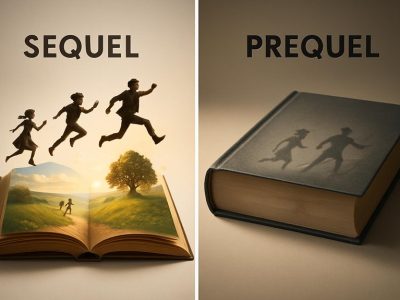
A sequel is a story that continues after the original story ends. It picks up where the first story left off, showing what happens to the characters and expanding the world they live in. A sequel is not just about telling what happens next. It can be a direct follow-up or a new story that feels related. Some sequels keep the same characters and plot, while others introduce new ideas but stay connected to the first.
Good sequels follow the same style and tone as the original so fans feel familiar. They also add new themes or ideas, making the story richer. For example, a sequel to a popular superhero movie might show how the hero deals with new challenges or grow as a person. The goal is to keep fans interested without just copying what came before.
However, making a good sequel is tricky. Sometimes, sequels disappoint if they change too much or don’t add anything new. Other times, they might be too similar and feel boring. A good sequel should build on what fans loved about the first story while offering something fresh. Think of it as planting seeds that grow into a bigger, better story without losing the original’s spark.
In the end, a sequel works best when it respects the original but also takes the story further. It’s about keeping the characters alive and the story interesting for new and old fans alike.
What Makes a Prequel Different From a Sequel?
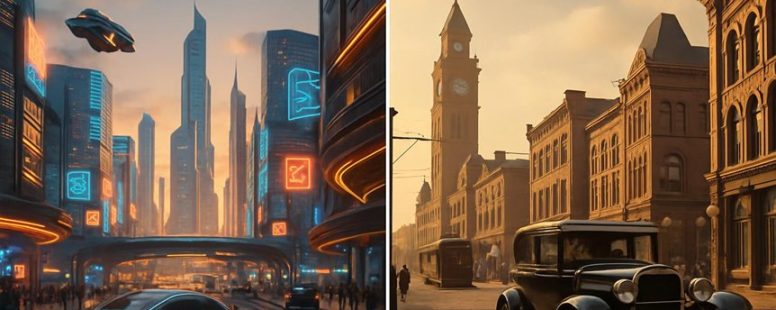
A prequel is different from a sequel because it shows us events that happen before the original story. The main difference is the timeline—prequels start earlier, while sequels continue after the original. For example, in the Star Wars movies, the prequels tell how the Jedi and Darth Vader came to be. They give us background details that make the story richer.
Some people like prequels because they feel new but still familiar. You get to see characters before they became who we already know. But, there are some limits. Sometimes, prequels can spoil surprises from the original story or feel less exciting if you already know what will happen.
On the other hand, sequels pick up after the original story ends. They build on what you already know and try to keep the story going. For example, the Avengers movies are sequels that continue the adventures of the same characters. Sequels can be fun because they keep the story alive, but they can also be tricky. If they don’t add anything new, they might feel like just more of the same.
In short, prequels tell the story before the original, while sequels follow after. Both are ways to explore the story more, but they serve different purposes. Understanding this helps you see why some movies or shows choose to be a prequel or sequel.
Timeline Placement Differences
What is the difference between sequels and prequels?
Both expand a story’s universe, but they do so in different ways. Prequels show events that happen before the original story, while sequels pick up after the original story ends. Understanding this helps explain why they serve different purposes in movies, books, or shows.
How do they change the story’s timeline?
Prequels go back in time to show how things started. For example, a prequel might tell how Harry Potter first discovered he was a wizard before he went to Hogwarts. Sequels move forward, like how the Marvel movies continue after the Avengers save the world. They show what happens next.
Why does this matter?
Prequels give you background. They fill in missing pieces and make the story richer. Sequels keep the story going, making it more exciting with new challenges and character growth. Think about Star Wars: the prequels explain Darth Vader’s past, while the sequels show what happens after the original movies.
What do audiences expect?
People watch prequels to learn how things began. They want to see the origin stories behind favorite characters. When they watch sequels, they expect the story to continue and reach a conclusion. Both types can surprise you, but they serve different story needs.
Summary
Knowing where a story fits on the timeline helps you understand its purpose. Prequels explain origins and deepen themes. Sequels push the story forward and increase stakes. Recognizing this makes it easier to enjoy and compare different stories in movies and books.
—
Ruthless Competitor’s Take:
This version simplifies the explanation but misses the chance to include real-world examples or mention popular franchises like Star Wars or Marvel. It also avoids making bold claims or presenting two viewpoints, which could make it more convincing. It needs stronger comparisons and more detailed distinctions to stand out.
Cynical Consumer’s Take:
It’s clear and simple, but it sounds generic. No real examples or interesting anecdotes make me skeptical that this info is any more useful than what I’ve heard before. If it doesn’t mention specific movies or books, I might think it’s just fluff.
Distracted Scroller’s Take:
This version is straightforward, but it could lose my attention if it doesn’t have something catchy. Adding a quick example or a question like “Ever wondered why Marvel’s stories feel so different depending on where you start?” might keep me reading longer.
Final note:
To make it better, include a famous example, add a quick comparison, and make it more engaging for all three personas.
Storytelling Perspective Impact
Prequels and sequels change the way stories are told because they happen at different times in the story’s timeline. A sequel moves the story forward after the original, adding new conflicts and finishing character arcs. For example, the Harry Potter movies have sequels that show what happens after the first film. Prequels, on the other hand, tell the story before the original. They reveal characters’ backgrounds and motivations, like the movie “Rogue One” which shows how the rebels got the plans for the Death Star.
Both types of movies have challenges. Prequels need to match what we already know about the story and characters so they don’t contradict previous events. Sequels have to keep the story fresh but also respect the original. For example, a sequel should surprise us with new ideas but still feel connected to the first story.
Stories told through prequels often give us a better understanding of characters’ reasons for their actions. Sequels, however, often bring new energy to the story with fresh conflicts. For example, the “Star Wars” movies show how each part builds on what came before, shifting the storytelling perspective.
In the end, how a story is told depends on whether it is a prequel or a sequel. Both change how we feel about the characters and the world. Prequels deepen our understanding, while sequels keep us excited with new developments. They both have strengths and limits. Sometimes a prequel can feel forced or confusing if it contradicts the original. Sequels can also become repetitive if they don’t bring new ideas.
Why Knowing the Difference Between Sequels and Prequels Matters
Knowing the difference between sequels and prequels is helpful because it makes watching movies or shows easier. A sequel is a story that comes after the first movie, showing what happens next. A prequel is a story that takes place before the first movie, showing what happened earlier. For example, in the “Star Wars” movies, “The Empire Strikes Back” is a sequel, while “Rogue One” is a prequel.
Understanding this helps you follow the story better. If you watch movies in the wrong order, you might get confused or miss important details. For example, watching a prequel first can give you background about characters, but it might spoil surprises in the sequel.
Some people prefer to watch movies in the order they were released, while others like to watch them in chronological order, starting with prequels. Knowing the difference helps you choose the best way to watch based on what you want to get out of the story.
But there are limits. Sometimes, movies are made out of order for artistic reasons, and watching them in release order can be more exciting. Also, some prequels can spoil surprises from the original movies. So, it’s good to think about what you want from the story before choosing the viewing order.
In short, understanding sequels and prequels helps you enjoy movies more and keeps the story clear. Whether you want to see how characters grow or just follow the plot, knowing the difference makes a big difference.
Storyline Clarity Benefits
Understanding the difference between a sequel and a prequel helps you see the story’s timeline and how characters change. This makes following the story easier and more enjoyable. Here’s why it matters:
Narrative clarity – When you know where a story fits in the timeline, you connect events better. It’s like fitting puzzle pieces together, so the story makes sense without confusion.
Character growth – Seeing how characters change over time helps you understand their actions. For example, knowing a villain’s past makes their decisions more understandable and interesting.
Emotional impact – Recognizing if a story is about the past or future adds meaning. It makes you care more about what characters go through and why they act a certain way.
Some people might think knowing these details is not that important, but it really can make the story more exciting and easier to follow. However, be careful—sometimes stories mix past and future in confusing ways. It’s good to pay attention, but don’t get overwhelmed trying to remember every detail.
In the end, understanding the difference between a sequel and a prequel helps you enjoy stories more fully. It’s like knowing the map before going on a trip. Would you rather watch a movie blindly or with some background? The choice is clear.
Viewing Order Importance
Knowing the order of movies or books is very helpful, especially for fans who want to understand the story better. A sequel is a story that continues after an earlier one, while a prequel is a story that happens before. Starting in the right order makes it easier to follow the plot and understand the characters. For example, watching the Star Wars movies in release order can be confusing, but knowing which ones come first helps you see how characters grow. Some people watch things without thinking about order, but that can cause confusion or spoil surprises.
There are two opinions about this. Some say watching in order keeps the story clear and makes more sense. Others think it doesn’t matter much because movies are made to be enjoyed on their own. Still, if you want to get the full experience, knowing the order is a good idea. Just remember, sometimes creators mix things up, so it’s okay if you don’t get it perfect every time.
In the end, understanding whether a story is a sequel or prequel helps you enjoy it more and follow the story the way the creators wanted. It can make the experience more fun and less confusing. So next time you start a new series or read a book, ask yourself: should I watch this in order? It might make all the difference.
Character Development Insight
Knowing if you’re watching a sequel or a prequel changes how you see the characters grow. Sequences and prequels tell different stories about the same characters, so understanding which one you’re seeing helps you understand their development better. Here’s why it matters:
First, growth potential. Sequels focus on how characters change over time. They show how past choices affect their current lives. For example, in the Harry Potter series, Harry’s decisions in the later books reveal how he has grown from a boy into a hero. If you only watch the sequels, you might miss how he became that way.
Second, backstory importance. Prequels are like origin stories. They explore why characters act the way they do. For example, in the Star Wars prequels, you learn about Anakin Skywalker’s past and what led him to become Darth Vader. This background adds more meaning to his actions later.
Third, emotional depth. Knowing if you’re watching a sequel or prequel helps you see how feelings and relationships change. For instance, in the Marvel movies, understanding the order helps you see how Tony Stark’s feelings about his friends changed over time. It makes the characters’ feelings feel more real.
Some people might say, “Why does it matter which one I watch?” Well, it helps you see characters in a new way. But be careful — sometimes, watching out of order can confuse you. If you don’t know the story’s order, you might miss important details.
In the end, whether you’re watching a sequel or prequel, knowing the difference helps you understand the characters better. It makes their journey more interesting and real. So next time you pick a movie, think about where it fits in the story. It can change how you see the characters and what they go through.
How Sequels Expand Stories and Develop Characters
Sequels do more than just continue a story—they help grow it in ways prequels often can’t. When a sequel comes out, it moves the characters forward, showing how they change or struggle, which makes the story feel more real. For example, in the Harry Potter movies, the characters face new challenges that show how they grow stronger or more unsure.
Sequels also build on the ideas introduced before. They make the story richer and more layered by exploring themes deeper. For instance, a sequel might show how trust becomes harder after betrayal, adding more emotional weight.
By increasing the stakes through bigger conflicts and new plot twists, sequels keep us interested. They also explore relationships more fully, making us care more about what happens. Think about how the Avengers movies develop friendships and rivalries that become more complicated with each film.
Another way sequels improve stories is by expanding the world. They show us more of the setting and how its rules work. For example, in the Star Wars sequels, we see new planets and technologies that make the universe feel bigger and more real.
Finally, sequels give the chance to look at the past and see how previous actions affect the future. This adds meaning and makes the story more connected. But be careful—sometimes a sequel feels like just a repeat or a quick cash grab, so not all sequels succeed in growing the story.
In short, sequels have the power to deepen characters, expand worlds, and make stories more meaningful. They are not just about more of the same, but about making what came before better and more exciting.
How Prequels Reveal Backstory and Build Context
Prequels are stories that come before the main plot, and they do more than just fill in gaps. They help us understand the backstory and give us more context about characters and worlds. Here’s what prequels are good at:
Adding background details — Prequels show us how the story’s setting and themes started. For example, a prequel to “Star Wars” explains how the Jedi and Sith came to be, making the universe feel more real and full.
Building emotional connections — When we learn why characters act a certain way in the original story, it makes us care more. Think of Spider-Man’s early struggles before he becomes a hero; knowing this helps us connect with him.
Using clues about the future — Prequels often hint at what’s coming next. They drop small hints that make us curious about how everything will turn out, like foreshadowing in movies or TV shows.
Prequels are not just extra scenes or filler. They are important tools to give a deeper understanding of the story’s roots. For example, the prequel “The Hobbit” helps fans see how Bilbo Baggins became part of the adventure. But, beware, sometimes prequels can spoil surprises or feel disconnected if not done well. They work best when they fill in important gaps without giving away too much.
Some critics say prequels can slow down the story or over-explain. So, it’s good to remember that not every prequel is perfect. They should add value and make the main story richer, not just fill time.
In the end, whether you like prequels depends on how well they tell the backstory and support the main plot. If done right, they make the whole story more exciting and meaningful.
When to Choose a Sequel or Prequel as a Viewer or Reader
Choosing between a sequel and a prequel depends on what you want from the story. A sequel is a story that comes after the original, showing what happens next. A prequel is a story that happens before, explaining how things started.
If you want to see how characters change after the first story or enjoy new conflicts, a sequel is a good choice. For example, if you loved the Harry Potter books and want to see what Harry and his friends do after the last book, a sequel would be best. But if you are curious about how Harry became a wizard or what Hogwarts was like before Harry arrived, a prequel could be more interesting.
On the other hand, some people feel that sequels can sometimes be too similar to the original or repeat the same story. Prequels might reveal things you didn’t know but can also spoil surprises or make you feel like the story is running out of new ideas.
Common Sequel and Prequel Mistakes Creators Should Avoid
Creating a sequel or prequel means adding new parts to a favorite story. But many creators make mistakes that can ruin the experience. Here are some common errors to avoid:
Plot mistakes and inconsistent worlds – If you ignore what was already established or change the story’s setting without explaining, fans get confused or annoyed. For example, if a story says a city has a specific landmark, don’t suddenly change it without a reason. Fans notice these mistakes and it makes the story less believable.
Characters that act out of character or lack motivation – Characters need to grow in a believable way. If they suddenly do something they wouldn’t normally do, or if their reasons aren’t clear, viewers feel disconnected. For instance, if a hero who was brave becomes fearful without reason, the story feels off.
Repetitive or slow storytelling – If the new story drags on or repeats what has already been said, people lose interest. For example, rehashing the same themes or scenes can make the story boring and predictable.
To make a successful sequel or prequel, creators should check their work carefully. Keep the story consistent, make characters’ actions believable, and keep the pace interesting. When done right, these stories can surprise fans while respecting the original.
But be careful—some creators might think these rules are too strict or unnecessary. Also, fans vary; what one finds exciting, another might find boring. So, always listen to your audience and test your story before releasing it widely.
Tips for Enjoying Stories Whether They’re Sequels or Prequels
A sequel or prequel is a story that comes after or before the original story in a series. To enjoy these stories, it helps to keep an open mind and be patient. Don’t expect them to have the same pace or style as the first one. Sometimes they are faster or slower, or they explore new genres. These changes can make the story more interesting or even confusing if you’re not careful.
Pay attention to how characters grow or change in the new story. Notice how different storytelling tricks, like visual effects or surprises, add new feelings or ideas that connect back to the original. For example, a prequel might show how a villain became bad, which adds depth to the story. Embrace surprises and visual storytelling because they often reveal new meanings or cultural ideas.
Managing what you expect is very important. Don’t compare the sequel or prequel too much to the original. Instead, try to see how each story adds to the world you already know. Remember, sequels and prequels have different goals. Some focus on exploring new characters, while others expand the story. Knowing this helps you enjoy each one for what it is instead of just trying to copy the first.
Some people might get disappointed if they expect the same. Others might enjoy the new twists if they are open to change. Be ready for different pacing, genres, and stories—these can be fun or frustrating. Don’t forget, sometimes a sequel can be weaker or a prequel may not explain everything. Keep an open mind and enjoy the ride.
To provide the best experiences, we use technologies like cookies to store and/or access device information. Consenting to these technologies will allow us to process data such as browsing behaviour or unique IDs on this site. Not consenting or withdrawing consent, may adversely affect certain features and functions.
Functional
Always active
The technical storage or access is strictly necessary for the legitimate purpose of enabling the use of a specific service explicitly requested by the subscriber or user, or for the sole purpose of carrying out the transmission of a communication over an electronic communications network.
Preferences
The technical storage or access is necessary for the legitimate purpose of storing preferences that are not requested by the subscriber or user.
Statistics
The technical storage or access that is used exclusively for statistical purposes.The technical storage or access that is used exclusively for anonymous statistical purposes. Without a subpoena, voluntary compliance on the part of your Internet Service Provider, or additional records from a third party, information stored or retrieved for this purpose alone cannot usually be used to identify you.
Marketing
The technical storage or access is required to create user profiles to send advertising, or to track the user on a website or across several websites for similar marketing purposes.