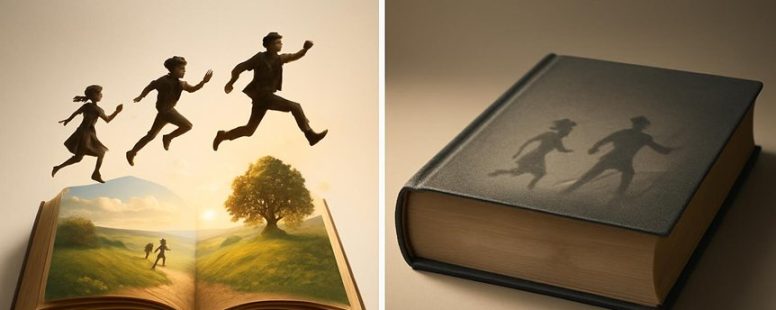
Imagine diving into a story that feels like revisiting an old friend or uncovering a secret past. The difference between a sequel and a prequel can transform how you experience a franchise, turning a simple story into a rich tapestry of interconnected worlds.
Knowing these distinctions isn’t just trivia—it’s your secret weapon for smarter viewing and reading choices. By mastering this, you unlock a hidden key to understanding complex plots and even discovering hidden details that others might miss.
Get ready to see stories with fresh eyes, as we explore how to tell these narrative siblings apart and make your adventures more vivid and rewarding.
Understanding Sequel and Prequel Stories: What You Need to Know
A sequel is a story that comes after the original, showing what happens next. It continues the plot or shows how characters are doing later on. For example, “The Empire Strikes Back” is a sequel to “Star Wars.” A prequel, on the other hand, tells about events that happened before the original story. An example is “Fantastic Beasts,” which is a prequel to “Harry Potter.”
Knowing if a story is a sequel or prequel helps us understand what to expect. Sequel stories usually explore how characters grow or what happens after. Prequels answer questions about how things started. Fans might look for sequels to see more of their favorite characters, while prequels satisfy curiosity about origins.
Sometimes, a sequel can change how we see the original story. For example, “Better Call Saul” is a sequel to “Breaking Bad,” but it also shows a different side of the characters. Prequels can be tricky because they need to fit with what came before without confusing viewers. Both types of stories shape how stories develop and can give a fresh look at familiar worlds.
How Sequels Continue the Original Story
A sequel is a movie or story that continues right after the original. It keeps the characters and plot familiar but adds new ideas. Sequels often develop character stories further, making them more interesting, and expand the universe the story takes place in. For example, the movie “The Empire Strikes Back” picks up where “Star Wars” left off, showing new adventures and challenges for the heroes.
Filmmakers sometimes change the style or genre in a sequel. For instance, a drama might turn into an action movie. These changes can make the story more exciting and fresh for viewers. But there is a risk too. If the shift is too big or sudden, fans might not like it. It’s a tricky balance to keep the story feeling familiar while also offering something new.
The main goal of a good sequel is to keep fans happy while attracting new viewers. To do this, filmmakers often keep the main themes and main characters the same. They might also try different tones or styles. For example, a comedy sequel might be more serious or darker, which can surprise or confuse fans if not done carefully.
In the end, a successful sequel respects what was great about the original. It continues the story in a way that feels natural and interesting. It should feel like part of the same world but also bring something new to keep everyone engaged. If done well, sequels can turn a good story into a great series that viewers want to keep watching.
What Sets Prequels Apart From Sequels
A prequel is a story that comes before the original movie, book, or show. It shows events that happened earlier in the timeline. For example, the movie “Rogue One” is a prequel to “Star Wars,” showing how the rebels got the plans for the Death Star.
Prequels change the story by focusing on different characters or events that happened before the main story. They help us see how things started or why characters act a certain way. For example, “Better Call Saul” is a prequel to “Breaking Bad.” It shows how the lawyer Jimmy McGill became the criminal lawyer Saul Goodman.
Sequels, on the other hand, pick up after the original story. They continue the plot and expand what we already know. For example, “The Empire Strikes Back” is a sequel to “Star Wars” and adds more to the story of Luke Skywalker and the rebels.
Prequels often develop characters in new ways. They give us fresh perspectives on familiar characters or introduce new ones. Sometimes, prequels surprise fans by revealing secrets or backstories. But they can also confuse viewers if they change too much or don’t connect well with the original story.
Sequels tend to expand the story and bring back favorite characters. They make the story bigger and often more exciting. However, sometimes sequels do not live up to the original because they may repeat old ideas or rush the ending.
Timeline and Chronology
Prequels and sequels are stories that happen at different times in a story’s timeline. A prequel tells the story before the main events. It shows how characters and situations started. For example, the movie “Solo” is a prequel to “Star Wars” because it shows the early life of Han Solo. Sequels happen after the main story. They pick up where the original left off. For example, “The Empire Strikes Back” is a sequel to “Star Wars.”
Knowing whether a story is a prequel or a sequel helps you understand what to expect. Prequels often reveal secrets and show how things began. Sequels focus on what happens next and how conflicts are resolved. This order also affects the type of story told. Prequels might explore a character’s past or origins, while sequels focus on finishing storylines and increasing tension.
Some stories switch between prequels and sequels, making it tricky for the audience. For example, “The Hobbit” is a prequel to “The Lord of the Rings,” but some movies like “Jurassic World” are sequels that build on older movies. Knowing where a story fits helps you follow the plot better and understand the characters’ motivations.
Narrative Focus Shift
A story’s focus can tell you a lot about how it’s told. The main difference between prequels and sequels is their focus. Prequels are stories that show how characters or events started. They often look at background stories and important moments that came before the original story. For example, a prequel about a superhero might explain how they got their powers or why they became a hero. This can change how we see characters because we learn secrets or motivations that weren’t clear before.
Sequels, on the other hand, continue the story after the original. They usually build on what we already know, making characters grow or conflicts bigger. For example, a sequel to a popular film might show how characters deal with new problems or challenges. Sequels tend to keep the same style or genre but make things more intense or exciting.
Some stories even change genres. A prequel might be darker or more serious if it shows a character’s origin, while a sequel might become more action-packed or funny. This focus shift helps shape the story and guides what viewers or readers should think about or take away from it.
In simple terms, prequels are like looking at the roots of a tree, while sequels are like watching the tree grow taller. Both focus on different parts of the story, but they help us understand the whole picture better.
Character Development Differences
Prequels and sequels develop characters differently because they focus on different parts of a story. A prequel is a story that comes before the main story. It mainly shows us a character’s backstory, like where they came from and why they act a certain way. For example, a prequel about Batman might tell us how he became Batman and what motivated him from the start. This helps us understand the character better and see how past events shape what they do later.
A sequel is a story that comes after the main story. It usually builds on what we already know about the characters. In a sequel, characters face new problems that test or change who they are. For example, in a sequel to a superhero movie, the hero might face new villains or personal challenges that help us see how they grow or change over time.
Both types of stories show different ways characters grow. Prequels focus on revealing their background, giving us clues about why they act in certain ways. Sequels focus on how characters handle new challenges and whether they change because of them. Understanding these differences helps us see why each story feels unique. Sometimes, a prequel can make us see characters in a new light, while a sequel can show us how they change after facing new hurdles.
While both methods add to character development, they also have limits. Prequels might feel slower because they focus on building the past, and sometimes, they repeat what we already know. Sequels can feel predictable if characters don’t change much or if the story just continues without new surprises. Knowing these pros and cons helps us enjoy each story more.
How to Tell if a Movie or Book Is a Sequel or Prequel
A movie or book is a sequel if it comes after an earlier story, and a prequel if it shows events that happened before. Knowing the difference can be tricky, but there are some clear clues to look for.
First, look at the story itself. If it continues the same characters and plot from an earlier work, it is probably a sequel. For example, “The Empire Strikes Back” is a sequel to “Star Wars” because it picks up where the first film left off. On the other hand, if it shows how characters or events began, it is likely a prequel. For example, “Rogue One” shows events that lead up to the original “Star Wars” movie.
Second, pay attention to references or hints about when the story takes place. Does it mention events that happened before the first story? Are there characters or settings that seem familiar but are shown earlier in time? These clues can tell you if it is a prequel.
Third, watch for genre changes or tone shifts. Sometimes, sequels have a similar style, but prequels might feel different because they explore the origins of the story. For example, a dark, serious story might turn into a lighter one if it is a prequel about how the characters started out.
Finally, think about what most fans expect. If the story seems to continue the same journey, it is probably a sequel. If it explains how everything began, it is likely a prequel.
Examples of Sequels and Prequels in Popular Media
A sequel is a story that comes after the original, while a prequel is a story that happens before it. Popular media often uses these to tell more about the characters or the world they live in. For example, “The Empire Strikes Back” is a sequel to “Star Wars,” and it adds more details to the original story. On the other hand, “The Hobbit” is a prequel to “The Lord of the Rings,” showing how the journey began.
Sequels can make fans more excited because they see what happens next. For instance, “Toy Story 2” gives us more adventures of Woody and Buzz. Prequels, like “Before Sunrise,” show what led characters to where they are in the main story. These stories help us understand characters better and can even change how we see the original story.
Some people enjoy sequels and prequels because they expand on what they love. But, they can also be disappointing if they don’t live up to the original. Sometimes, a sequel can feel like just more of the same, and a prequel might reveal too much or spoil surprises.
Iconic Sequel Films
Sequel films that leave a big mark on pop culture are often the best because they build on what came before and surprise audiences. These movies do more than just continue a story; they often mix different genres to make something new and exciting.
For example, The Godfather Part II is famous for adding more depth to the original story, making characters more complex and interesting. People still talk about how it changed how movies tell stories. Then there is The Dark Knight, which combined superhero action with crime drama. It raised the bar for what audiences expect from superhero movies, showing that they can be serious and thought-provoking.
Another example is Star Wars: The Empire Strikes Back. This film mixed science fiction with epic storytelling, making the franchise even more popular. It is often called one of the best sequels because it took everything fans loved and made it bigger.
These films show that blending genres can make sequels memorable. They also teach us that understanding what viewers want—whether it’s more excitement, deeper stories, or new ideas—is key. When filmmakers give audiences more of what they like, they keep people interested and eager for the next movie.
However, some sequels can fall short if they try to do too much or change too much from the original. Not every sequel works, and some can disappoint fans. Still, the best sequels push boundaries and set new standards for movies in popular culture.
Notable Prequel Series
Prequel series are shows that tell the story of characters or worlds before the events of the original. They help fans learn where everything started and give new details about familiar stories. A good example is *Better Call Saul*. It shows how Jimmy McGill became Saul Goodman, giving us a better understanding of his choices. Another example is *X-Files: I Want to Believe*, which adds supernatural elements to the original series, changing the genre a bit. These series often reveal backstories, motivations, and details that the original didn’t show.
Prequels also make creators think about how to stay true to the original characters while adding new ideas. Some fans love seeing how everything began, but others worry that prequels might change what made the original special. They can be fun and interesting but sometimes feel unnecessary if they don’t add much new. Overall, prequels can make a story richer, but they need to be careful to respect what fans already love.
Sequels and Prequels Examples
Sequel and prequel movies are stories that come after or before the original film. A sequel continues the story after the first movie. For example, *Harry Potter and the Deathly Hallows* is a sequel that picks up where the previous movies left off. It shows what happens after Harry defeats Voldemort and how the characters move forward.
Prequels tell the story before the original film. For example, *X-Men: First Class* is a prequel that shows how the X-Men team was formed and how the characters became mutants. It helps fans understand the backstory of the characters they already know.
Some sequels keep the style and rules of the original. For example, *Blade Runner 2049* continues the sci-fi story while respecting the genre’s common themes like artificial intelligence and dystopian worlds. It is helpful to know if a sequel stays true to the original’s tone or if it changes things dramatically. Sometimes, a sequel can feel like a different story altogether, which might be confusing or disappointing for fans.
Both sequels and prequels can add more excitement to a story. But they also have limits. Sequels might not always be as good as the original, and prequels can sometimes spoil surprises by showing too much backstory. So, it is smart to check reviews or summaries before watching these movies if you want to decide whether they are worth your time.
Tips for Deciding Whether to Watch a Sequel or Prequel First
The best way to decide whether to watch a sequel or prequel first depends on what you want from the story. If you want to learn more about characters and their backgrounds, watching a prequel first can be helpful. For example, if a prequel shows why a villain became evil, it can make the story more interesting when you see the sequel later. On the other hand, if a sequel keeps you emotionally involved with the story and characters, starting there might be more exciting. Think about what matters more to you—background details or continuing a story you already care about.
Another thing to consider is the genre shift. Some prequels change the tone or style. For example, a prequel might be darker or more serious than the original, which could surprise you if you expected it to be funny or light. Watching in order of the story’s timeline isn’t always best. Sometimes, watching in order of how the story makes you feel or how the characters develop works better.
In the end, it depends on your preferences. Do you want to see the story’s background first or jump into the action? Both options have good and bad sides. Just think about what will make your viewing more fun or meaningful.
Why Recognizing Story Types Enhances Your Viewing Experience
Understanding different story types helps you enjoy movies and shows more. A story type is a category like comedy, thriller, or drama. Recognizing these categories can help you know what to expect before you watch. For example, a comedy usually makes you laugh, while a thriller keeps you on the edge of your seat.
Knowing the story structure also shows how the story moves along. When you see the pattern, like how a mystery unfolds or how a hero changes, it makes the story easier to understand. This can make plot twists and character changes more exciting because you see how they fit into the overall story.
There are a few ways recognizing story types can improve your viewing. First, it helps you pick movies or shows that match your mood. If you feel like laughing, you might choose a comedy. If you want suspense, a thriller can be a better choice. Second, understanding how stories are told shows you the different techniques writers and directors use. For example, a romance might build tension slowly, while an action film may be fast-paced.
However, there are some limits. Some movies mix genres, like a comedy-drama or a horror-thriller. This can make it harder to classify and may change your expectations. Also, not all stories follow typical patterns, so recognizing story types is helpful but not foolproof.
Quick Guide: Recognizing Sequel and Prequel Stories in Media
A sequel is a story that comes after the original, while a prequel is a story that happens before it. The main difference is when the story takes place in the timeline. Sequel stories continue the adventures of characters from the original, like “Toy Story 2” following “Toy Story.” Prequels show what happened earlier, like “Rogue One” giving background to “Star Wars.”
To tell if a story is a sequel or prequel, look for clues. Check if the story mentions past events or characters that appeared before. Sometimes the setting or costumes give hints about when the story happens. For example, if a movie shows characters younger or in different places, it might be a prequel. If it continues past the ending of the original, it is probably a sequel.
Sometimes, studios release prequels or sequels to keep fans interested. For example, Marvel movies often release sequels to expand their universe, while prequels like “Solo” explore characters’ pasts. But it can be tricky because some stories blend both. For example, “Star Wars” has both sequels and prequels, making it harder to tell where each fits.
Knowing whether a story is a sequel or prequel helps you understand the big picture of a franchise. It shows how stories and characters connect over time. This way, you can better enjoy movies, books, or shows by seeing how they fit together. Sometimes, it’s fun to guess which story is next or see how characters’ pasts influence their future actions.
To provide the best experiences, we use technologies like cookies to store and/or access device information. Consenting to these technologies will allow us to process data such as browsing behaviour or unique IDs on this site. Not consenting or withdrawing consent, may adversely affect certain features and functions.
Functional
Always active
The technical storage or access is strictly necessary for the legitimate purpose of enabling the use of a specific service explicitly requested by the subscriber or user, or for the sole purpose of carrying out the transmission of a communication over an electronic communications network.
Preferences
The technical storage or access is necessary for the legitimate purpose of storing preferences that are not requested by the subscriber or user.
Statistics
The technical storage or access that is used exclusively for statistical purposes.The technical storage or access that is used exclusively for anonymous statistical purposes. Without a subpoena, voluntary compliance on the part of your Internet Service Provider, or additional records from a third party, information stored or retrieved for this purpose alone cannot usually be used to identify you.
Marketing
The technical storage or access is required to create user profiles to send advertising, or to track the user on a website or across several websites for similar marketing purposes.