Last summer, a homeowner’s frantic gaze followed a buzzing shadow near her porch, unsure if it was a paper wasp or a yellow jacket. The air was thick with the faint hum of danger, like a warning whisper.
Recognizing these tiny yet formidable foes can feel like deciphering a secret code—one that could save you a sting or a trip to the emergency room. Understanding their visual cues, nesting secrets, and quirkiest behaviors transforms fear into confidence.
Surprisingly, mastering these differences not only keeps you safe but also grants you the power to manage these pests like a seasoned ant-hero.
How to Identify Paper Wasps and Yellow Jackets?
Paper wasps and yellow jackets are different insects, and knowing how to tell them apart can help you stay safe. Here are the main ways to identify them.
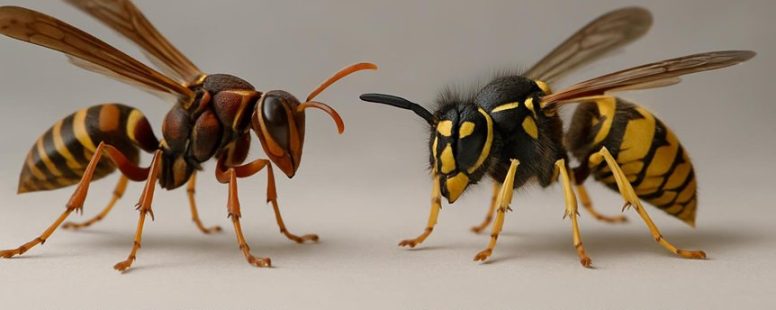
First, size and shape are helpful clues. Paper wasps are usually about half to three-quarters of an inch long and have a slim, elongated body with a narrow waist. Their wings fold along their bodies when at rest. Yellow jackets are often about half an inch long but look stockier, with a more rounded body and shorter wings that don’t fold. Their bodies are more compact and robust compared to paper wasps.
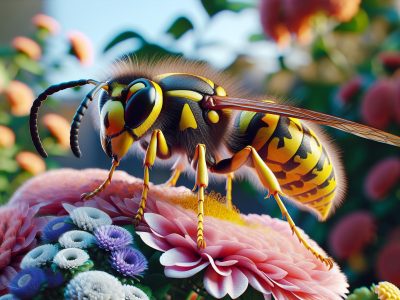
Second, color differences are clear. Paper wasps have reddish-brown bodies with yellow or orange markings, and their legs hang down when they fly. Yellow jackets are bright yellow and black, with bold stripes across their bodies. This makes yellow jackets look more like bees, but they are actually wasps.
Third, their habits and preferred places tell a lot. Paper wasps usually build their nests in shaded areas like tree branches, shrubs, or under eaves. They prefer wooded or garden areas. Yellow jackets are often found near human food, especially in late summer and fall. They build nests underground or in wall cavities around homes, trash cans, or picnic spots.
Fourth, their diets differ. Paper wasps mainly eat nectar and caterpillars, which makes them helpful pollinators and natural pest controllers. They can be beneficial in gardens. Yellow jackets are scavengers. They are attracted to meats, sugary drinks, and sweet foods. This makes them more aggressive around picnics and outdoor meals.
Knowing these differences can help you spot and avoid stings from yellow jackets or disturb only the harmless paper wasps. Keep an eye on their size, shape, color, and where they are building nests. Remember, both insects can sting if they feel threatened, so it is better to observe from a safe distance. If you see a nest near your home, it’s best to call a pest control professional to remove it safely.
What Are the Visual Differences Between Them?
Paper wasps and yellow jackets are common insects, but they look different. Here are the main visual differences to help tell them apart.
First, size is a good clue. Paper wasps are usually slimmer and longer with a more elongated waist. Yellow jackets are stockier and look more solid. If you see a wasp with a thin waist that looks like it has a narrow middle, it’s probably a paper wasp. If it appears more rounded and thicker, it might be a yellow jacket.
Color patterns also help. Paper wasps often have reddish-brown or black bodies with yellow markings. They tend to look less bright. Yellow jackets are bright yellow and black, with bold, clear stripes. Think of yellow jackets as wearing a bright, striped shirt, while paper wasps wear more muted colors.
The nests they build are different too. Paper wasps make open, umbrella-shaped nests that hang from trees or eaves. These nests look like a paper lantern. Yellow jackets usually make their nests underground or inside walls, which are hidden and enclosed. Sometimes you might see a hole in the ground where yellow jackets live.
Their diets are different as well. Yellow jackets are scavengers and often swarm around sugary drinks or food at picnics. They also eat protein like meat or insects. Paper wasps hunt other insects to feed their larvae. If you see a wasp collecting insects, it’s probably a paper wasp.
Where Do These Wasps Build Their Nests?
Wasps build their nests in different places depending on the type. Paper wasps usually make their nests under eaves on houses or on tree branches. They use wood fibers mixed with their saliva to create a paper-like material. These nests are often open with visible cells, and you might see them hanging from a porch or tree.
Yellow jackets, on the other hand, tend to build nests underground or inside walls. They often choose hidden spots like in holes in the ground or inside wall cavities. Sometimes, their nests are inside sheds or garages where they are less likely to be disturbed.
The season also affects where wasps build their nests. In spring and early summer, paper wasps are more active and build nests in visible places. By late summer or fall, yellow jackets may start to build nests underground or in hidden spots as their colonies grow.
Some people prefer to remove yellow jacket nests because they are harder to find and can sting if disturbed. Others might leave paper wasp nests alone if they are not bothering anyone. But always be careful near any wasp nest because they can sting multiple times and cause allergic reactions in some people.
Typical Nest Locations
Both paper wasps and yellow jackets build their nests in places that protect them and are easy to access. These spots match how they search for food and fly around. Knowing where they like to build can help you stay safe or keep them away.
You’ll often find nests:
Under eaves or roof overhangs, where they stay hidden but can come and go easily
Inside wall cavities or attics, giving them shelter from rain, wind, and predators
On tree branches or shrubs, especially near where they look for food
Beneath porch floors or decks, close to places where food might be
These locations help wasps fly around their territory and find food without too much trouble. They tend to patrol these spots often, which makes it easier for them to protect their nests and gather meals. If you see nests in these spots, be careful. Knowing where they usually build can help you avoid surprises or stings.
Nest Material Differences
Paper wasps and yellow jackets build their nests in similar places like eaves or branches, but they use different materials. Paper wasps make their nests from a papery substance they create by chewing wood fibers mixed with their saliva. Their nests are lightweight, have an open structure, and usually hang from structures or trees. Yellow jackets also make nests from a paper-like material, but they use chewed wood fibers and saliva to create a denser, more enclosed nest. These nests are sturdier and more compact. Knowing these differences can help you tell the two apart and decide how to avoid or remove them safely.
Seasonality of Nests
Wasps build nests at different times and in different places, depending on the season. Knowing when and where they build can help you stay safe and avoid trouble.
When and where do paper wasps build their nests?
Paper wasps usually start building their nests in spring. They often choose spots under eaves, porch roofs, or sheltered areas. Their nests grow bigger through the summer as more wasps join. These wasps make their nests out of paper-like material they create by chewing wood fibers mixed with their saliva. If you see a nest under your porch or on your house, it might be a paper wasp. They are active during warm months and are less noticeable in fall when most nests are abandoned.
When and where do yellow jackets build their nests?
Yellow jackets tend to build their nests underground or inside cavities like wall voids or hollow trees. They usually start in late spring or early summer. Their nests can grow quite large before fall. Unlike paper wasps, yellow jackets are more aggressive and can sting multiple times if provoked. Because their nests are hidden in the ground or inside walls, it’s often harder to spot them early. Be careful around trash cans or compost piles in late summer because yellow jackets are attracted to sugary drinks and food.
What about their flight and diet?
Yellow jackets have strong wings that let them fly quickly and change direction fast. This helps them gather food and defend their nests. They mostly eat protein foods like other insects, which makes them aggressive when hunting. Paper wasps prefer sweet foods like nectar and fruit. They usually stay near their nests and are less aggressive unless disturbed.
How does seasonality affect their behavior?
Most wasp nests are abandoned when fall comes, except for the queens who survive the winter. These queens find a safe place and hibernate until spring. In fall, you might see fewer wasps, but be careful because yellow jackets can still be aggressive. If you want to avoid stings, it’s best to stay away from nests and food sources during late summer and fall.
Are there any warnings or limitations?
Some wasp nests are easy to spot, but others are hidden and harder to find. If you find a nest, it’s best not to disturb it, especially with yellow jackets. They can sting multiple times and cause allergic reactions. For safety, call a pest control professional if you need to remove a nest. Remember, wasps help control pests, but their stings can be painful or dangerous for some people.
Understanding when and where wasps build nests helps you stay safe and avoid surprises. Keep an eye out in spring and summer for nests, and remember to be cautious around food and trash in late summer.
How Do Their Behaviors and Aggression Levels Differ?
Paper wasps and yellow jackets behave differently when they feel threatened. The main difference is how aggressive they are. Paper wasps tend to be less aggressive and usually only sting if their nest is directly threatened. They often fly away or warn you with a buzz before attacking. If they do sting, they usually only sting once, and then they leave.
Yellow jackets are much more aggressive. They will attack quickly, even if you only make a small disturbance near their nest. They tend to sting repeatedly and keep attacking until the threat is gone. They are more persistent and can be dangerous if they feel cornered.
Knowing these differences helps you stay safer. If you see a paper wasp near your porch, it’s best to leave it alone. But if you come close to a yellow jacket nest, be extra careful and avoid disturbing them. Some people get stung multiple times because yellow jackets do not stop once they attack.
In short, paper wasps are calmer and sting once, while yellow jackets are more aggressive and will sting multiple times. This can help you decide how to act around them, especially during summer when they are most active.
Aggression Triggers and Responses
Paper wasps and yellow jackets both can sting when they feel threatened, but their triggers and how they respond are very different.
Paper wasps tend to be less aggressive. They usually send warning signals through their communication before they sting. They only attack if someone disturbs their nest. For example, if you accidentally bump into a paper wasp nest, they might fly around you first, trying to warn you. If you keep bothering them, they will sting to protect their home.
Yellow jackets are more aggressive and react faster. They often attack without warning, especially if they are near food. If you are eating a sugary snack outside, a yellow jacket might suddenly swoop in and sting you. They also react quickly if they feel cornered or if their food sources are taken away. Yellow jackets tend to attack in groups, making them more dangerous.
Both types of wasps respond strongly if their nests are disturbed. But yellow jackets are generally more aggressive overall. They are more likely to attack first and in larger groups.
Knowing these differences can help you stay safe. For example, avoid disturbing wasp nests and be careful around food outdoors. Understanding their triggers can prevent painful stings and help you react safely.
Defense Mechanisms and Habits
Paper wasps and yellow jackets have different ways of protecting themselves and their colonies. The key fact is that paper wasps are less aggressive, while yellow jackets are quick to sting when disturbed.
Paper wasps usually try to avoid fights. They can quickly fly away or raise their wings to warn others. They mainly eat caterpillars and soft insects, which they hunt carefully. They don’t bother people much unless they feel threatened. For example, if you get too close to their nest, they might sting, but they usually warn you first by waving their wings.
Yellow jackets are more aggressive and attack faster if they think their nest is threatened. They tend to sting without warning if bothered. They are attracted to sweet drinks and meats, so they often come near picnics or trash cans. This makes them more likely to sting people who are eating outside. Be careful around them because their sting can be painful and cause allergies.
Mating habits also differ. Paper wasps mate late in summer. Male wasps defend small areas to attract queens. Yellow jackets have more aggressive mating fights. Male yellow jackets compete fiercely for queens, and their behavior can be unpredictable.
Both types of wasps respond differently to threats. Paper wasps prefer to avoid trouble, while yellow jackets often attack quickly. Understanding these habits can help you stay safe. For example, stay away from nests and avoid leaving sweet drinks outside during picnics. Remember, yellow jackets can sting multiple times, so they are more dangerous if you disturb them.
What Happens When a Wasp Feels Threatened?
When a wasp feels threatened, it reacts quickly to defend itself. Wasps communicate using alarm pheromones, which are special chemical signals they release. These signals warn other wasps nearby that danger is near. As a result, the wasps become more aggressive and may sting repeatedly to protect themselves or their nest.
If a wasp’s nest is disturbed, the wasps’ defensive behavior gets even stronger. They will sting more often and try to chase away the threat. For example, if you get too close to a wasp nest while gardening, the wasps might attack to defend their home.
Yellow jackets, a common type of wasp, are especially aggressive when their food sources are disturbed. Since they eat other insects and sometimes sweet drinks, they react fiercely if you try to take away their food. Their reaction isn’t just about saving themselves; they want to protect their colony’s survival too.
There are two ways to look at this. One side says wasps are just protecting themselves and their nests. The other side warns that their stings can be painful and even dangerous for some people. If you see a wasp nearby, it’s best to stay calm and move away slowly. Trying to swat at a wasp can make it more aggressive and increase the chance of getting stung.
Safety Tips for Encountering Paper Wasps and Yellow Jackets
If you see paper wasps or yellow jackets, it’s good to know how to spot their warning signs. These insects can become aggressive if they feel threatened. Recognizing their signals, like buzzing loudly or circling around, can help you stay safe.
When you spot them, wear protective clothing such as long sleeves and gloves. Avoid sudden movements because quick actions can make them attack. Stay calm and move slowly away from their nest. If they start to bother you, try to stay still and quietly walk away.
Some people think wearing bright colors or strong perfumes can attract yellow jackets and paper wasps. So, it’s better to stay with neutral clothes and avoid sweet scents outdoors.
Remember, these insects usually only sting if they feel threatened. But if you get stung, clean the area and watch for signs of allergic reactions. If you or someone else has trouble breathing after a sting, seek medical help immediately.
Knowing how to recognize and respond to paper wasps and yellow jackets can help prevent painful stings and keep you safe during outdoor activities.
Recognize Aggressive Behavior
Many paper wasps and yellow jackets show clear signs of aggression when they feel threatened. Recognizing these signs can help you avoid getting stung. These insects might buzz loudly, hover aggressively, or move quickly near their nest. If they start to come closer or stay close to you, they are likely feeling threatened and may attack.
To stay safe, watch for:
Raised or bristly antennae
Fast, aggressive flying toward you
Biting or stinging actions
Loud buzzing around your head or hands
Knowing these signs helps you see when a wasp or yellow jacket is defending itself. If you stay calm and avoid sudden moves, you are less likely to provoke an attack.
For example, if a wasp is buzzing loudly and hovering near your face, it might be warning you to back off. Some people think waving their arms will scare it away, but this can actually make it more angry. Instead, slowly step back and give it space.
Wear Protective Clothing
Wearing protective clothing is one of the best ways to stay safe from paper wasps and yellow jackets. These insects can sting if they feel threatened, so covering your skin helps prevent stings. Thick long sleeves, pants, gloves, and a hat with a veil create a barrier that keeps wasps from getting to your skin. When you wear protective gear, you also stay calmer, which can stop wasps from attacking because they are more likely to sting if they sense danger.
Yellow jackets are easy to spot because they have bright yellow and black stripes. They can become aggressive if you come too close to their nests. Sometimes they even sting people who are just walking nearby. Paper wasps are less aggressive but can still sting if they are upset. So, it’s smart to wear protective clothing whenever you are near a wasp nest or outdoors where wasps are active.
There are two sides to consider about protective clothing. Some people say that wearing thick clothes is the best way to avoid stings. Others believe that staying away from wasp nests altogether is safer. While thick clothing helps, it’s also a good idea to stay cautious and avoid disturbing nests. Remember, wasps usually sting when they feel threatened, not because they want to hurt you.
In real life, think about a gardener working in the yard. Wearing gloves and a hat with a veil can keep them safe from unexpected wasp stings. But if they stand too close to a nest, protective clothing might not be enough. Always approach these insects carefully and use protective gear to stay safe.
Avoid Sudden Movements
Avoid sudden movements if you see paper wasps or yellow jackets. Quick motions can make them feel threatened and attack. These insects often live near eaves, shrubs, or trash cans, and they may see sudden moves as a sign of danger. During outdoor activities like picnics or barbecues, encounters are more likely because yellow jackets like sugary drinks and snacks.
To stay safe, follow these steps:
Move slowly and carefully when near their nest or food sources
Don’t swat at wasps or yellow jackets, as this can provoke them
Keep your hands and arms still
If they come close, step back calmly and avoid panicking
Staying calm helps prevent them from attacking. These insects react strongly when they feel threatened, especially in late summer when yellow jackets are most active. If you stay quiet and steady, you are less likely to get stung. Remember, they may seem aggressive, but they are just protecting their home. Always be cautious around their nests and food to avoid trouble.
How Do Their Stings Differ in Pain and Medical Impact?
Paper wasps and yellow jackets both sting, but their stings are quite different in pain and health effects. Yellow jackets usually give a sting that hurts more right away. Their sting can cause quick, sharp pain, swelling, and sometimes allergic reactions. They tend to be aggressive, especially if they feel threatened, which makes them more likely to sting multiple times. Because they often sting more than once, they are a bigger risk for serious health problems.
On the other hand, paper wasp stings are usually less painful. They might cause some swelling and irritation, but they rarely cause serious allergic reactions. Paper wasps are less aggressive than yellow jackets and usually sting only if they are disturbed or feel scared. Their nests are often built in shrubs or under eaves, so they tend to sting if someone gets too close.
Yellow jackets are more dangerous because they sting harder and are more likely to attack. They are attracted to sugary foods and meats, which makes them more common around picnic areas and trash cans. This increases the chance of getting stung. Paper wasps, however, tend to stay away from humans unless disturbed.
In simple terms, yellow jackets are like tiny, aggressive warriors with a more painful sting and higher health risks. Paper wasps are less aggressive with a sting that’s less painful but can still bother you if you bother them first. If you see a nest, it’s best to stay away and call a pest professional for help.
When and How Should You Remove or Manage Their Nests?
Removing or managing wasp and yellow jacket nests at the right time is key to staying safe. The best time to do this is in late fall or early winter when these insects are less active. During this time, their colonies are winding down, so there is less risk of getting stung. If you try to remove a nest during spring or early summer when the colony is growing, you might cause the insects to become aggressive and attack.
When you remove a nest, it is important to do it carefully. First, avoid disturbing the colony because wasp and yellow jacket pheromones can signal danger, making them more likely to sting. Always wear protective clothing like long sleeves, gloves, and a face mask. If the nest is large or in a hard-to-reach place, it’s best to call a professional pest control service. They have the proper tools and experience to remove nests safely.
Some people wonder if they can remove nests on their own or should leave them alone. If the nest is small and far from your house, you might consider using a wasp spray in the evening when they are less active. However, if the nest is near your food, playground, or in a difficult spot, professionals are the safest choice.
Yellow jackets often build nests close to food sources like trash cans or fruit trees, which can increase the risk of stings during outdoor activities. Be cautious around nests in spring or early summer because the colony is just starting and more vulnerable to disturbance.
In short, waiting until late fall or early winter is the safest way to manage nests. Using the right safety gear and knowing when to act can keep you safe. Sometimes, calling a professional is the best choice, especially for large nests or tricky locations. Understanding their behavior helps you decide the best time and method to remove or manage their nests safely.
What Environmental Factors Influence Wasp and Yellow Jacket Activity?
Environmental factors are key in deciding when and where wasps and yellow jackets are most active. Pollution can change their behavior, making them adapt to cities instead of their usual outdoor homes. For example, in cities like New York or Los Angeles, these insects find food and places to build nests amid busy streets and trash. Higher pollution levels may make wasps and yellow jackets more aggressive or cause them to avoid certain areas.
Temperature and weather also matter a lot. Warm, sunny days make these insects more active. If it is cloudy, rainy, or cold, they tend to stay hidden or become less active. For instance, on a hot summer day, you might see many wasps around picnics or outdoor events. But during a rainy day, they usually stay inside their nests.
Food sources from humans also draw these insects. Garbage cans, outdoor dining areas, or sweet drinks left outside can attract large groups of wasps and yellow jackets. This is why you often see more of them in places with lots of food waste or outdoor parties.
Some people think that pollution and urban life help wasps and yellow jackets thrive, while others worry about the risks. It’s true that these insects can adapt well in cities, but they can also become pests. Knowing how weather and pollution affect their activity helps us stay safe and avoid getting stung.
Tips to Prevent Future Encounters With These Insects
To keep wasps and yellow jackets away from your home and yard, you need to take simple steps. These insects are attracted to food and places where they can build nests. If you act early, you can prevent problems and enjoy your outdoor space more.
First, always cover sweet foods and drinks when you are outside. Wasps love sugary things like soda, fruit, or desserts. If you leave a picnic or barbecue out, these insects will come looking for a snack. So, keep food covered and clean up spills quickly.
Second, check your house for cracks or holes around windows, doors, and the roof. Sealing these gaps with caulk or weatherstripping makes it harder for wasps to find a place to nest. Remember, a small hole can become a big problem if it leads to a hidden hive.
Third, trash cans should always be tightly closed and cleaned regularly. Leftover food and drinks in open bins attract wasps and yellow jackets. Using trash cans with secure lids or placing trash in sealed bags can help keep these insects away.
Lastly, if you notice a nest early, remove it before it gets bigger. Use a long-handled spray specifically made for wasp control, and do this at night when they are less active. But be careful because some nests are hard to see and dangerous to destroy without proper gear.
Some people prefer to call a professional pest control service for large or hard-to-reach nests. They have special tools and know how to handle the insects safely. However, always read the instructions on any spray and follow safety tips to avoid stings.
To provide the best experiences, we use technologies like cookies to store and/or access device information. Consenting to these technologies will allow us to process data such as browsing behaviour or unique IDs on this site. Not consenting or withdrawing consent, may adversely affect certain features and functions.
Functional
Always active
The technical storage or access is strictly necessary for the legitimate purpose of enabling the use of a specific service explicitly requested by the subscriber or user, or for the sole purpose of carrying out the transmission of a communication over an electronic communications network.
Preferences
The technical storage or access is necessary for the legitimate purpose of storing preferences that are not requested by the subscriber or user.
Statistics
The technical storage or access that is used exclusively for statistical purposes.The technical storage or access that is used exclusively for anonymous statistical purposes. Without a subpoena, voluntary compliance on the part of your Internet Service Provider, or additional records from a third party, information stored or retrieved for this purpose alone cannot usually be used to identify you.
Marketing
The technical storage or access is required to create user profiles to send advertising, or to track the user on a website or across several websites for similar marketing purposes.