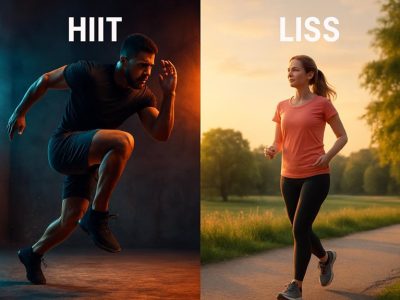
When you dive into the world of cardio, the stark contrast between HIIT and LISS becomes instantly clear.
Imagine the rush of a lightning bolt—HIIT delivers quick, fiery bursts that leave your lungs roaring and your muscles humming with adrenaline. In contrast, LISS is like a gentle river—steady, calming, almost meditative as your feet glide smoothly over the pavement.
Choosing between them isn’t just about effort; it’s about how each one shapes your energy and mindset. Did you know that incorporating both can unlock a surprising boost in your endurance and mood?
Understanding their unique rhythm can transform how you feel during and after your workout—making every session more powerful than you ever imagined.
What Is HIIT Cardio and How Does It Work?
HIIT cardio, or High-Intensity Interval Training, is a workout method that mixes quick, intense exercises with short rest periods. It is designed to get your heart rate up fast and burn calories in less time. This type of workout can be done with no equipment or just simple tools like a jump rope or running shoes.
To do HIIT, you follow a few easy steps. First, pick an exercise like sprinting, jumping jacks, or burpees. Next, do the exercise really hard for about 20 to 30 seconds. Then, rest for about 10 to 30 seconds. Repeat this cycle for several rounds. You can switch up the exercises or increase the intensity as you get stronger. For example, you might do sprinting one day and jump rope the next.
Some people say that HIIT boosts your metabolism and helps you build endurance quickly. Others warn that because it is very intense, beginners should start slow and listen to their body. If you push too hard too soon, you might get hurt or feel too tired.
A lot of fitness brands like Nike and Under Armour promote HIIT because it saves time and works for many fitness levels. But not everyone will see the same results. Some may find it too tiring or not suitable if they have health issues.
If you want a workout that is quick but effective, HIIT might be a good choice. Just remember to start slow, rest when needed, and pick exercises you enjoy. It’s a simple way to get stronger and burn calories fast, but always be careful not to overdo it.
What Is LISS Cardio and How Does It Differ From HIIT?
LISS cardio is a type of exercise where you keep your heart rate steady at a low to moderate level for a longer period. It’s like walking at a comfortable pace or cycling slowly for 30 minutes or more. Unlike HIIT, which has short, intense bursts of activity followed by rest, LISS is gentler. It helps burn calories without making you feel exhausted right away.
Some people prefer LISS because it’s easier on the body and can be done almost anywhere. For example, if you’re new to exercise or have joint pain, walking outside or on a treadmill at a slow pace is a good way to start. But, it takes longer to see quick results compared to HIIT.
There are two ways to look at LISS. One side says it’s safer and easier for beginners or people with health issues, and it still helps you lose weight over time. The other side argues that it might not be the best for fast calorie burn or building strength. Plus, doing the same slow activity for a long time can get boring, so some people lose motivation fast.
If you want to lose weight or improve your endurance without pushing too hard, LISS could be a good choice. But if you’re looking for quick results or want to build muscle fast, HIIT might be better. Just keep in mind that both methods work best when combined with a healthy diet and regular activity.
Defining LISS Cardio
LISS cardio is a simple way to exercise without pushing yourself too hard. It stands for low-intensity steady-state cardio. This means doing activities like brisk walking, easy jogging, or light cycling at a steady pace for a longer time. Usually, people do it for 30 to 60 minutes.
The main idea is to keep your heart rate in a comfortable zone. You are not trying to go as fast as you can. Instead, you stay at a moderate speed that feels manageable. This makes it easy to do regularly, even if you are just starting out or recovering from an injury.
Many people like LISS because it is gentle on the joints and less tiring than high-intensity workouts. It helps improve endurance, burn fat, and keep you active without making you feel drained. For example, a person might walk briskly in the park or ride a bike slowly around their neighborhood.
There are some downsides to keep in mind. It takes longer to see quick results compared to high-intensity workouts. Also, if you want to build muscle or burn calories fast, LISS might not be enough. Some critics say that doing only LISS could lead to slower progress if you’re aiming for quick fitness gains.
Key Differences From HIIT
Understanding the main differences between LISS and HIIT can help you pick the right workout.
LISS is low-intensity steady state cardio. It keeps your heart rate at a moderate level, which means you can exercise longer without feeling too tired. For example, walking or slow cycling for 30 to 60 minutes is a typical LISS workout. It helps you build endurance and keeps your muscles engaged without overworking your body. Because it’s less intense, you can do it more often and recover faster. Some people like LISS because it feels easier and less stressful on the joints.
HIIT stands for high-intensity interval training. It involves short, intense bursts of activity followed by rest. For example, sprinting for 30 seconds then walking for a minute, repeated several times. HIIT pushes your heart rate very high during the bursts, which helps burn more calories in less time. It’s good if you want fast results and have limited time. But it can be tough and may cause more fatigue, especially if you’re new or not used to intense exercise. Also, doing HIIT too often can increase the risk of injury or burnout.
Some people prefer LISS because it’s easier to stick with and safer for beginners. Others choose HIIT for quick calorie burn and improved fitness. Both styles have their pros and cons. If you have joint problems or are just starting out, LISS might be better. If you want fast results and feel comfortable pushing yourself, HIIT could work well.
Remember, both methods can be effective. The key is to match your choice to your fitness level and goals. If you’re unsure, talk to a trainer or health expert. And always listen to your body. Pushing too hard too soon can cause injuries or burn you out.
In the end, mixing both types can give you variety and help you stay motivated. Think of LISS as a slow, steady walk and HIIT as a quick sprint. Both can help you stay healthy, but knowing when to use each one is the real trick.
Benefits And Drawbacks
Cardio workouts can be good for your health, but choosing the best one depends on your goals. Two popular options are LISS and HIIT.
LISS stands for Low-Intensity Steady-State cardio. It means doing exercises like walking, cycling, or swimming at a gentle pace for a longer time. This kind of workout is easy on your joints and helps your muscles recover. It’s great for building endurance and keeping your heart healthy. However, it takes more time to burn the same amount of calories as high-intensity workouts. If you have a busy schedule but want consistent fat loss, LISS might be the best choice.
HIIT, or High-Intensity Interval Training, involves short bursts of very intense activity like sprinting or jumping, followed by rest. It can burn a lot of calories quickly and boost your metabolism for hours after you finish. Many people like HIIT because they see fast results in less time. But, it can be hard on your body, especially if you are just starting out or have injuries. Overdoing HIIT might make you sore or tired, and recovery can take longer.
Some athletes and trainers suggest mixing both types for a balanced routine. Use LISS for easy days when your muscles need recovery, and do HIIT when you want to push yourself and see quick progress. Think about your goals, your schedule, and your body before choosing.
How HIIT and LISS Cardio Affect Your Body and Energy Levels
HIIT and LISS cardio affect your body and energy in different ways.
HIIT stands for High-Intensity Interval Training. It involves short bursts of very intense exercise followed by rest. When I do HIIT, I feel a quick surge of energy during the workout. But afterward, I often feel tired and drained. That’s because HIIT pushes your body hard, and it needs time to recover. For example, after a quick sprint session, I might feel like I can’t move well for a while. So, if you choose HIIT, you need to plan for good recovery, like stretching and eating right.
LISS stands for Low-Intensity Steady State. It means exercising at a gentle, steady pace for longer periods. When I do LISS, my energy stays pretty even during the workout. I don’t feel a big spike or crash. This makes it easier to keep going longer without feeling wiped out. For example, walking at a steady pace for 45 minutes keeps my energy up and helps me stay focused. If you want to feel consistent energy day to day and avoid feeling tired or sore, LISS might be better for you.
Some people prefer HIIT because it gives quick results and feels exciting. But it can also make you very tired fast and increase injury risk if not done carefully. LISS is safer for many beginners and helps build endurance over time, but it takes longer to see big fitness changes.
Knowing how each type affects your energy helps you pick the right workout. Do you want quick, intense exercise with lots of recovery? Or steady, manageable activity that keeps you balanced? Both have their pros and cons, so choose what fits your goals and how you want to feel afterward.
Calorie Burn in HIIT vs. LISS Cardio
HIIT (High-Intensity Interval Training) burns more calories in less time than LISS (Low-Intensity Steady-State) cardio. That’s because HIIT involves short bursts of intense effort, making your body work harder quickly. For example, sprinting for 30 seconds then walking for a minute is a typical HIIT move. This intense effort causes you to burn more calories during the workout.
Another reason HIIT is popular is the afterburn effect. After a tough HIIT session, your metabolism stays high for hours, meaning you keep burning extra calories even when you’re resting. Think of it like a fire that keeps smoldering after the flames die down. According to some studies, people can burn about 25 to 30 percent more calories after HIIT than after moderate exercise.
LISS, on the other hand, keeps your heart rate steady at a lower level over a longer time. Activities like walking, slow cycling, or swimming fit into this category. While you burn fewer calories per minute with LISS, doing it for a longer period adds up. If you prefer a gentler, low-impact workout, LISS is easier to do regularly and less tiring.
Both types of exercise have their pros and cons. HIIT can give you a quick calorie burn and boost your metabolism, but it can also be tough on your joints and might cause injury if not done carefully. LISS is easier on the body and good for beginners or those with joint problems, but it takes longer to see big calorie results.
How HIIT and LISS Cardio Support Different Fitness Goals
HIIT and LISS cardio are two different types of workouts that help improve your fitness, but they do so in different ways.
HIIT, which stands for high-intensity interval training, is best if you want to build strength and muscle. It involves short, very intense bursts of exercise followed by quick rest periods. For example, sprinting for 30 seconds then walking for 1 minute. This type of workout pushes your muscles and boosts your power. It also helps your muscles recover faster and become more resilient. If you’re into strength training or want to get stronger quickly, HIIT is a good choice. Just be careful because it can tire you out fast and increase injury risk if not done properly.
LISS, which means low-intensity steady-state cardio, focuses on building endurance. It involves steady, moderate effort for a longer time, like walking, biking, or swimming at a relaxed pace for 30 minutes or more. LISS improves your heart and lung health over time without putting too much strain on your muscles. It’s great if you want to increase your stamina or do longer workouts without feeling exhausted. However, it takes longer to see big results compared to HIIT. Some people find LISS boring because it’s slow and steady, but it’s safer for beginners or those with joint issues.
Both workouts have their pros and cons. HIIT can give faster results for strength but can be hard to do regularly without risking burnout. LISS is safer and better for building endurance, but it takes more time. Think about what you want to achieve. If you want quick strength gains, go with HIIT. If you want to run longer without stopping, try LISS. Knowing the difference can help you pick the right workout for your goals and stay motivated.
Ideal Workout Duration and Frequency for HIIT and LISS
The best workout duration and frequency depend on your goals and the type of exercise. For HIIT, shorter sessions work better, usually about 20 to 30 minutes. Because HIIT pushes your body hard, you need time to recover between sessions. If you go longer than 30 minutes, you might tire out or risk injury. For example, a quick 20-minute sprint workout can boost your fitness without burning you out.
LISS, or low-intensity steady state, is less intense. It can last longer, typically 30 to 60 minutes. Since it’s easier on your body, you can do LISS more often or for longer periods without getting tired. Think of walking or slow cycling for an hour as a good example.
Most people find that doing three to four workouts a week is enough to see progress. Doing too many can lead to burnout or injuries, especially with HIIT. Alternating between HIIT and LISS during the week can keep your routine fresh and help you avoid overtraining. For example, you might do HIIT on Monday and Thursday and LISS on Tuesday and Friday.
Some folks worry about overdoing it. It’s true that pushing too hard every day can cause fatigue and slow progress. But if you give your body enough rest and mix things up, you’ll stay motivated and see better results. Remember, consistency matters more than doing long or frequent workouts that tire you out.
In short, stick to about three to four sessions a week. Keep HIIT sessions short and intense, around 20 to 30 minutes. Enjoy longer, easier LISS workouts for 30 to 60 minutes. Mix them up to stay motivated and avoid injuries. This way, you can stick with your fitness plan and see steady progress over time.
Choosing HIIT or LISS Cardio Based on Your Lifestyle and Goals
HIIT and LISS are two types of cardio exercises that help you improve your fitness. HIIT stands for high-intensity interval training, where you do short bursts of very hard effort followed by rest. LISS means low-intensity steady state, which involves longer, moderate activity at a comfortable pace.
Choosing between them depends on your goals and lifestyle. If you want quick fat loss or to boost your endurance fast, HIIT might be better. It burns calories quickly in shorter sessions. For example, a 15-minute HIIT workout can be as effective as longer sessions. But, be careful—HIIT can be tough and might cause injury if you push too hard or don’t warm up properly.
LISS is good if you prefer longer, easier workouts or need to recover from more intense training. It’s less stressful on your body and easier to stick with on busy days. For instance, walking at a steady pace for 45 minutes is a simple LISS workout. Still, it takes more time to see the same fat-burning results as HIIT.
Your lifestyle matters too. If you are always busy or pressed for time, HIIT might fit better because it saves time. But if you want a workout you can do without feeling drained, LISS is a safer choice. It’s also better if you’re recovering from an injury or just starting out.
Some people try both to get the best of both worlds. For example, doing HIIT twice a week and LISS on other days. Keep in mind that overdoing HIIT might lead to fatigue or injury, so listen to your body. Likewise, relying only on LISS might take longer to see results.
To choose the right cardio, think about your goals. Want quick fat loss? Try HIIT. Need a low-stress workout? Go for LISS. Also, consider how much time you can invest and how your body responds. Testing both types can help you see what feels best and keeps you motivated.
Common Mistakes to Avoid With HIIT and LISS Cardio
HIIT and LISS are popular cardio workouts, but many people make mistakes that can hurt their progress. Here’s what you should know to do these exercises safely and effectively.
First, with HIIT or high-intensity interval training, pushing yourself too hard every time is a mistake. It’s tempting to go all out, but your body needs time to recover. If you don’t, you risk injury or feeling burned out quickly. Start with shorter, manageable bursts and increase intensity gradually. For example, if you run fast for 20 seconds, follow it with a rest period. Don’t skip warm-ups or cool-downs either.
Second, with LISS or low-intensity steady state cardio, ignoring rest days or doing too much can also cause problems. LISS is meant to be moderate, so doing it every day for hours can lead to fatigue or injury. Make sure to give your body time to rest. For example, walk at a steady pace for 30 minutes three or four times a week.
Third, proper form matters. Some people think they can cheat on technique because it’s just cardio. But bad form can cause injuries, especially if you do high-impact activities like sprinting or jumping. Focus on posture and movement. For example, keep your back straight when cycling or walking.
Finally, pay attention to your body. If you feel pain or extreme tiredness, stop. Listening to your body helps prevent serious injuries. Remember, doing a little less but consistently beats overdoing it once and having to take weeks off.
Some folks believe that pushing harder always leads to faster results. While that’s sometimes true in strength training, cardio is different. Too much intensity or neglecting recovery can slow you down instead. So, balance is key.
In short, avoid these common mistakes: push too hard without breaks, skip rest days on LISS, ignore your form, or push through pain. Follow these tips, and you’ll stay healthy while seeing better results from your cardio workouts.
Overtraining Risks
Overtraining happens when you push yourself too hard during workouts without enough rest. It can cause more harm than good. Knowing the signs early can help you avoid injuries and burnout. Here are three clear signs to watch for:
Feeling very tired all the time that doesn’t go away even after resting.
Not getting better at your workouts even when you try hard.
Feeling irritable or having trouble sleeping at night.
If you notice these signs, it’s a good idea to take a break and focus on recovery. Do things like get enough sleep, drink plenty of water, and take active rest days where you move lightly. Remember, doing more isn’t always better. Resting and recovering help you stay motivated and see real progress. Pay attention to how your body feels and give it what it needs to stay healthy.
Improper Form Issues
Proper form is very important when doing HIIT or LISS workouts. Good form means moving your body correctly during exercise. It helps prevent injuries and makes your workout more effective. When you rush or focus only on speed, you might hurt yourself or not get the full benefit. For example, people sometimes bend their knees too much or lean forward too much during sprints. Small adjustments, like keeping your back straight or tightening your core, can really help.
Some folks think skipping proper form saves time, but it can cause muscle strains or joint pain later. If you push too hard without paying attention to how you move, you risk injuries that keep you from working out at all. On the other hand, focusing on form might slow you down a little, but it’s worth it. It’s like building a house – you need a solid foundation before rushing to finish.
There are two ways to look at this. One says that proper form is the best way to avoid injuries and get better results. The other warns that sometimes, focusing too much on perfect form can make workouts take longer, and some beginners might get discouraged. It’s good to find a balance.
So, what can you do? First, learn the correct way to do each exercise. Then, during your workout, stay aware of your body. For example, keep your shoulders down and your knees aligned over your toes. If you notice your form slipping, slow down and fix it. Some trainers suggest recording yourself or asking a friend to watch. Remember, small changes in your posture can make a big difference.
In short, proper form isn’t just about looking good. It’s about staying safe and making sure your workout helps you reach your goals. Don’t rush through exercises. Instead, focus on moving right, and you’ll see better, safer progress.
Ignoring Recovery Time
Recovery time is often ignored, but it is very important for fitness progress. Many people think that working harder during HIIT and LISS workouts will get them better results faster. But skipping rest can cause injuries and slow down progress. Recovery helps muscles heal and gives energy back.
Here are some simple ways to include recovery in your routine:
Rest days are key. Take days off from intense workouts so your muscles can repair and grow stronger. For example, if you do a tough workout on Monday, plan a rest or light activity day on Tuesday.
Pay attention to how you feel. If you are really tired or sore, do gentle movement or stretch instead of pushing hard. Listening to your body helps prevent injury.
Use active recovery. Easy activities like walking or yoga can boost blood flow and help your body recover without extra strain.
Some people say you should push through soreness to get results faster, but that can lead to injuries. Others believe recovery is just as important as working out. It’s best to find a balance. Remember, your muscles need time to get stronger, just like a car needs fuel and maintenance.
If you skip recovery, you may feel exhausted or get hurt. On the other hand, taking too many rest days can slow your progress. The trick is to listen to your body and plan rest days wisely.
How to Combine HIIT and LISS Cardio for Balanced Training
Combining HIIT and LISS cardio is a good way to improve your fitness without getting too tired or burned out. HIIT stands for high-intensity interval training, which involves short bursts of very hard exercise followed by rest. LISS is low-intensity steady-state cardio, meaning you do longer, easier workouts like walking or light cycling.
The key is to balance these two types of exercise. Doing HIIT two or three times a week can boost your strength and endurance fast. On rest days or days when you want to take it easy, LISS helps you recover and stay active without overdoing it. For example, you might do sprints for 30 seconds, then walk for a minute, and repeat several times. On other days, go for a 45-minute walk or easy bike ride.
Some people worry that doing both might be too much. That’s a fair point. If you push too hard every day, you risk injury or exhaustion. It’s better to listen to your body and give yourself enough time to recover. Combining HIIT and LISS works well if you plan your week carefully — like doing HIIT on Monday, Wednesday, and Friday, and doing LISS on Tuesday and weekends.
Another thing to consider is your personal goals. If you want to build endurance, mixing both can keep your workouts interesting and challenging. But if you’re just starting out, focus on one type first, then add the other later.
Some trainers say that too much high-intensity work can lead to burnout, so don’t forget to rest. Others believe that mixing styles keeps your body guessing, which can make you stronger faster. Just be sure you’re not overdoing it, especially if you have health issues or are new to exercise.
In short, combining HIIT and LISS can give you a balanced workout plan. It helps improve different fitness areas, keeps things fun, and avoids burnout. But always pay attention to how your body feels and don’t push too hard. Doing both smartly can help you stay consistent and reach your goals faster.
To provide the best experiences, we use technologies like cookies to store and/or access device information. Consenting to these technologies will allow us to process data such as browsing behaviour or unique IDs on this site. Not consenting or withdrawing consent, may adversely affect certain features and functions.
Functional
Always active
The technical storage or access is strictly necessary for the legitimate purpose of enabling the use of a specific service explicitly requested by the subscriber or user, or for the sole purpose of carrying out the transmission of a communication over an electronic communications network.
Preferences
The technical storage or access is necessary for the legitimate purpose of storing preferences that are not requested by the subscriber or user.
Statistics
The technical storage or access that is used exclusively for statistical purposes.The technical storage or access that is used exclusively for anonymous statistical purposes. Without a subpoena, voluntary compliance on the part of your Internet Service Provider, or additional records from a third party, information stored or retrieved for this purpose alone cannot usually be used to identify you.
Marketing
The technical storage or access is required to create user profiles to send advertising, or to track the user on a website or across several websites for similar marketing purposes.