You can plant azaleas that flower once with spectacular pomp, or choose varieties that return to bloom and extend color through summer. That choice shapes your spring routine, your garden’s look in June, and how much pruning or feeding you must do. This article compares repeat-blooming azaleas and classic spring-blooming types side by side so you can pick the right shrubs for your yard. You’ll find clear differences in timing, maintenance, hardiness, pests, and landscape use, plus practical cultivar picks and a simple planting calendar to get started.
Quick Head-To-Head Comparison
Fact: Repeat-blooming azaleas produce two or more flushes of flowers per year: spring classics produce one major flush.
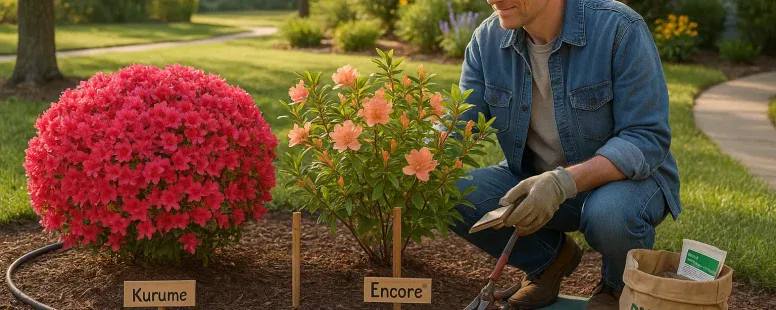
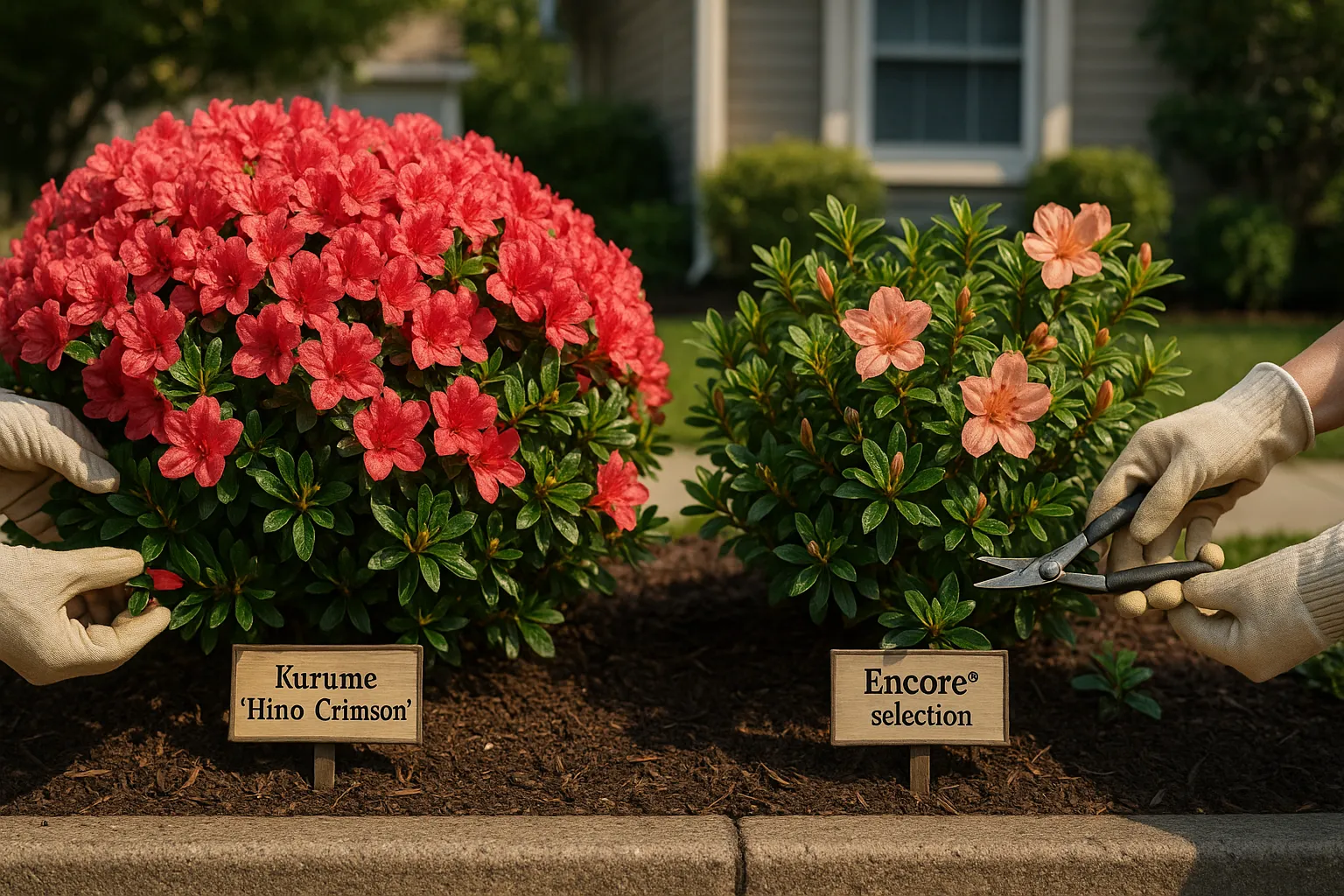
Begin with the basics. Repeat-bloomers (examples: Encore® series, Rozanne selections) give you color in spring and again in summer or fall. Spring classics (examples: Kurume and Satsuki types, ‘Hino-Crimson’, ‘Formosa’) concentrate energy into one intense bloom early in the season.
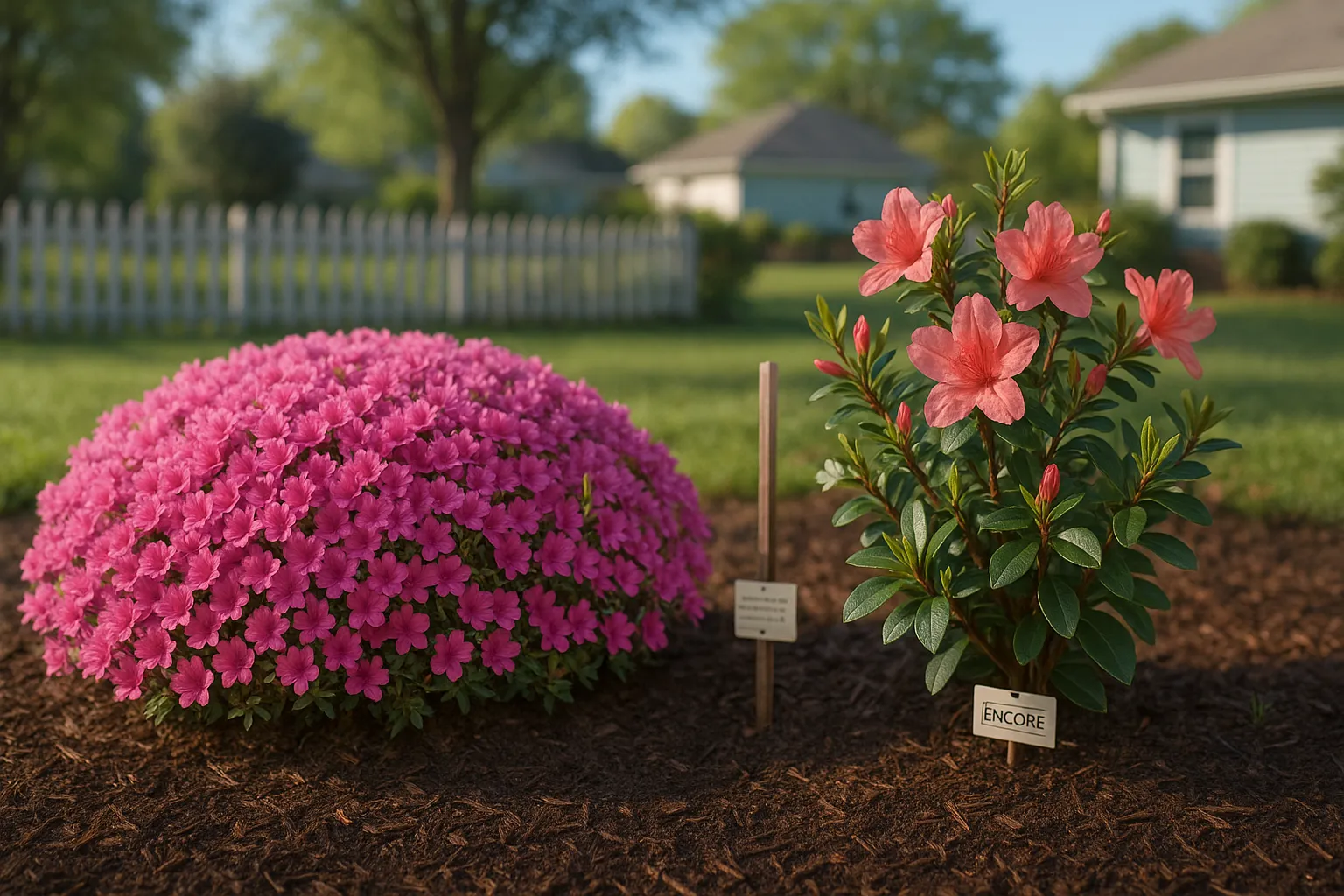
Appearance and impact differ. Spring classics often create a loud, short-lived spectacle, thick swathes of flowers that read from the street. Repeat-bloomers offer prolonged interest with smaller or less dense clusters, so the display feels steady rather than explosive.
Maintenance and timing also differ. Repeat-bloomers ask for lighter pruning after the first flush to encourage another bloom, while spring classics need pruning immediately after flowering to avoid cutting next year’s buds. Hardiness ranges overlap but specific cultivars vary widely: check local extension recommendations before buying.
This comparison sets the stage for deeper details below: bloom timing and duration, growth habit and lifespan, cultural needs, pests, and design uses.
Bloom Timing, Duration, And Floral Display
Fact: Bloom pattern defines both the gardener’s schedule and the visual rhythm of a garden.
Spring Classics: Typical Bloom Patterns
Spring classics bloom in late March through May in most temperate U.S. zones. They set floral buds the previous summer and autumn, so a hard late frost can reduce the bloom. The display lasts two to four weeks depending on weather. Flowers often appear en masse, creating solid color blocks that can be used for mass planting or dramatic hedges. Kurume and Satsuki types have smaller flowers but massive density: southern indica types produce larger flowers that read well at distance.
Example: In Athens, GA, mature Kurume plantings usually peak in early April: a cool, wet spring can stretch the bloom to nearly a month. But if a warm snap follows a cold night, you may lose a percentage of blossoms to frost damage.
Repeat-Blooming Azaleas: What To Expect
Fact: Repeat-bloomers typically produce a strong spring flush and secondary bloom(s) later in the season.
Expect a first heavy bloom in spring, similar to spring classics but often slightly less dense per flush. After light pruning and proper feeding, plants can push another wave in midsummer or early fall. The Encore® series, developed by Paul James and introduced widely by Spring Meadow Nursery, is a common repeat-bloomer that flowers spring through fall in many zones.
Practical note: The second bloom often has fewer flowers and sometimes smaller petals. You’ll get longer color rather than the single dramatic event. That trade-off fits gardeners who want continuous interest or who miss the single blast because of travel or busy schedules.
Hardiness, Growth Habit, And Lifespan
Fact: Hardiness depends on species and cultivar more than on bloom pattern.
Azaleas belong mainly to Rhododendron subgenera: Kurume and Satsuki types tolerate colder zones (USDA 6–9), while southern indica and many repeat-bloomers thrive in USDA 7–10. Some Encore® cultivars handle zone 6 if winter-rooted and mulched well. University extension trials show that microclimate and winter mulch raise survival odds by a zone.
Growth habit: Spring classics often grow into compact, dense mounds 3–6 feet tall. Repeat-bloomers come in both compact and upright forms: some reach 6–8 feet if left unpruned. Lifespan: healthy azaleas live decades. You can expect 20–50 years with correct siting and soil. But many gardeners replace older specimens after 15–25 years to refresh form or update colors.
Vulnerable moment: I once planted three ‘old-school’ kurumes too close to a fence: over a decade they stretched and became leggy. I had to replace them, a costly lesson, give an azalea room to grow or plan for regular rejuvenation pruning.
Soil, Light, And Water Requirements
Fact: Azaleas need acidic, well-drained soil and bright but filtered light: extremes reduce flowering and increase stress.
Soil: Aim for pH 4.5–6.0. Add peat moss, pine fines, or composted pine bark to improve acidity and drainage. A soil test from your county extension will tell you exact pH and nutrient needs.
Light: Most azaleas prefer morning sun and afternoon shade. In hot-summer zones, full sun often scorches foliage and shortens bloom: in cool climates, more sun increases flower set.
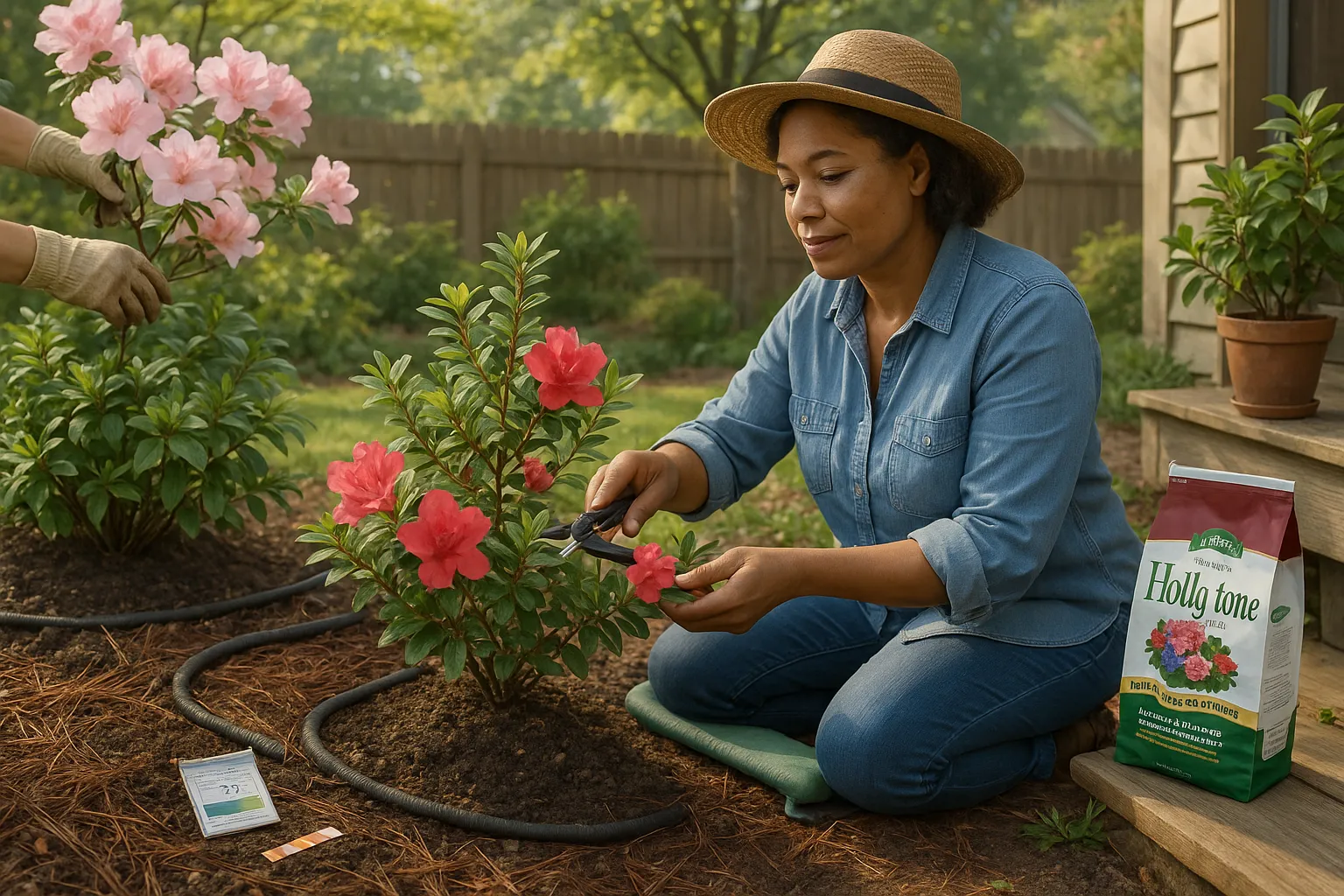
Water: Azaleas demand consistent moisture during establishment and bloom. Use drip irrigation or soaker hoses to keep roots moist but not waterlogged. Mulch 2–3 inches of pine straw or shredded bark to conserve moisture and regulate temperature.
Pruning, Fertilizing, And Winter Care
Fact: Prune spring classics immediately after bloom: prune repeat-bloomers lightly after their first flush if you want another bloom.
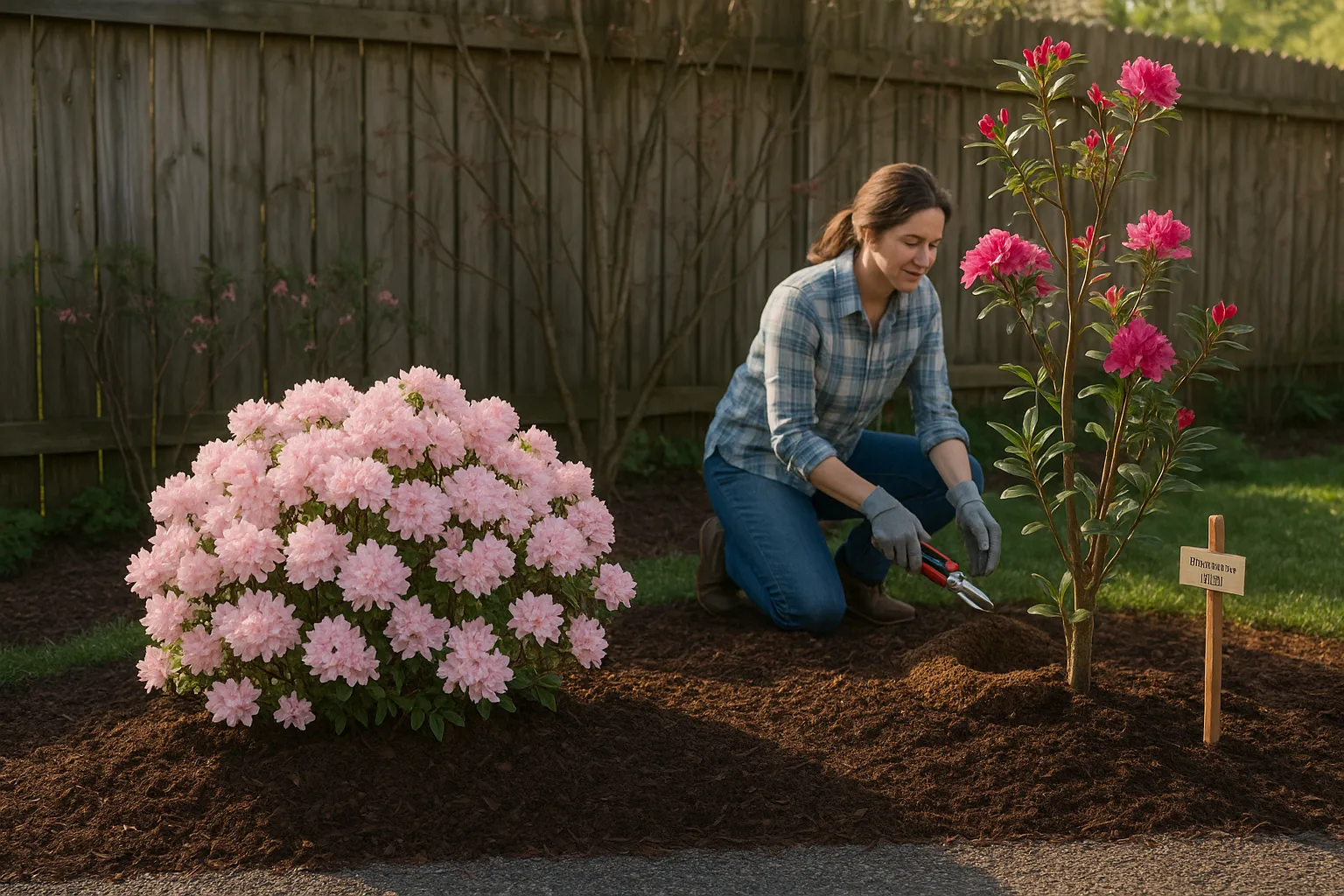
Pruning: Cut no later than six weeks after the spring flush to avoid cutting next season’s flower buds. For repeat-bloomers, thin selectively instead of shearing to preserve bloom potential.
Fertilizing: Use a low-phosphate, acid-forming fertilizer (brands: Espoma Holly-Tone, Jobe’s Azalea & Camellia fertilizer). Apply in early spring and again after the main bloom for repeat-bloomers.
Winter care: In colder zones, add an extra mulch ring and protect from desiccating winds. For container-grown azaleas, move to cold frame or a sheltered porch during extreme freezes. These simple steps cut winter dieback and help preserve buds.
Pest And Disease Susceptibility
Fact: Azaleas face common pests: lace bugs, azalea caterpillars, and root rot: susceptibility varies by cultivar and site conditions.
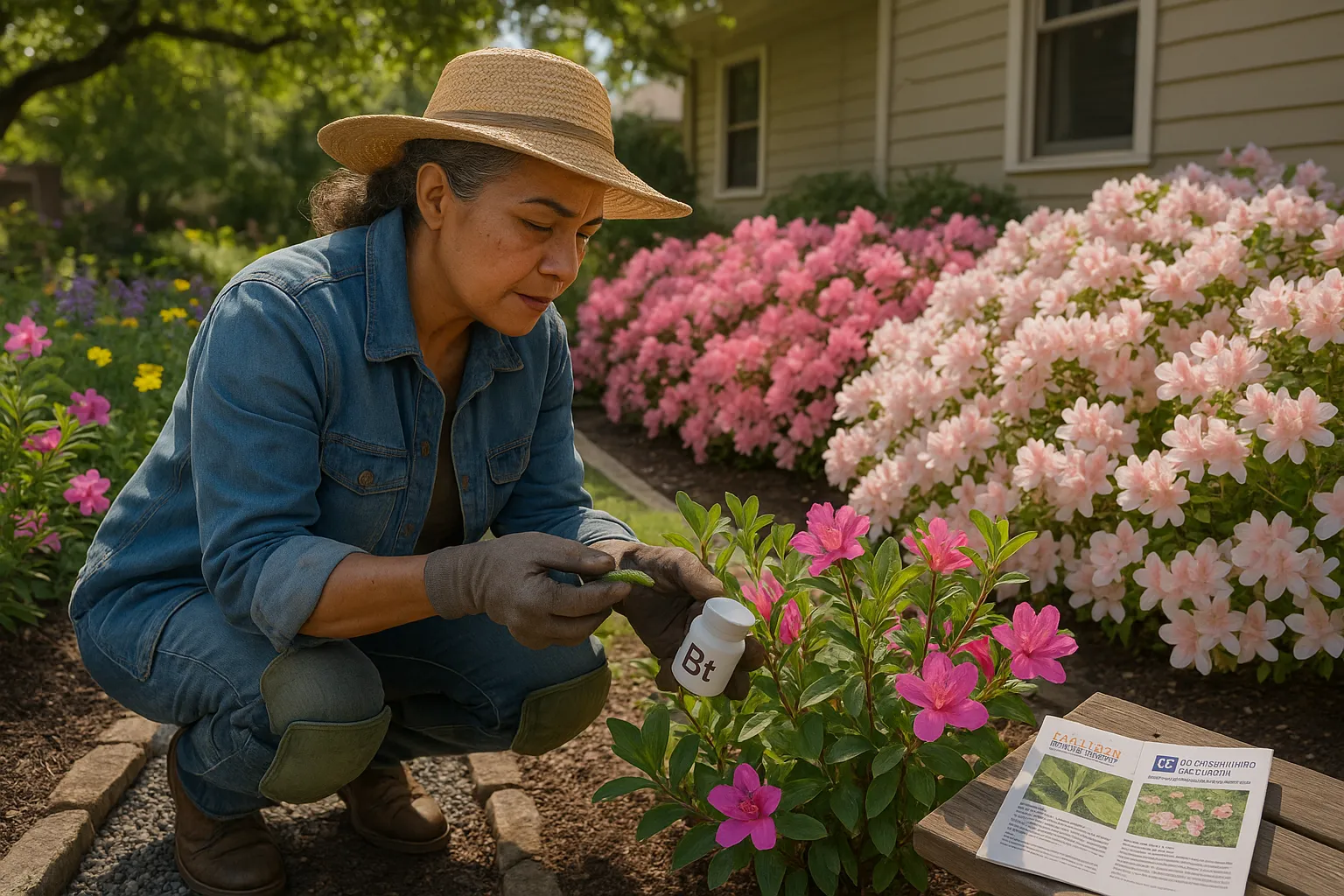
Lace bugs (Tupiochoris spp.) cause stippled foliage and drop leaves. They favor hot, sunny exposures, so planting in dappled shade lowers risk. Azalea caterpillars can defoliate quickly: handpicking works for small outbreaks, but Bacillus thuringiensis (Bt) can control younger larvae.
Diseases: Phytophthora root rot appears in poorly drained soils: symptoms include wilting and dieback. Leaf gall (Exobasidium) creates thickened, pale leaves in wet springs. Good drainage and sanitary practices limit spread.
Integrated approach: Use resistant cultivars where available, maintain proper site conditions, and monitor regularly. University of California and Clemson Extension publications provide regional pest guides and treatment thresholds.
Landscape Uses And Design Considerations
Fact: Spring classics excel in mass plantings and formal beds: repeat-bloomers work well in mixed borders and foundation plantings.
Design tip: Use spring classics to create a bold seasonal statement, long alleys, front-yard sweeps, or under-planting with bulb drifts. Pair repeat-bloomers with summer perennials like Coreopsis or Salvia to keep color moving.
Practical layout: Plant azaleas in groups of odd numbers for natural movement. Allow 3–6 feet spacing based on mature spread to avoid overcrowding. These spacing rules reduce disease pressure and allow light to reach the canopy.
Pros And Cons: Which Type Suits Your Garden?
Fact: Repeat-bloomers offer extended show and lower single-event impact: spring classics deliver a one-time dramatic display and often denser flower coverage.
Pros of repeat-bloomers:
Longer season of interest
Good for mixed borders and continuous color
Flexibility if you miss spring peak
Cons of repeat-bloomers:
Second flush usually smaller
Some cultivars less cold-hardy
Pros of spring classics:
Spectacular, dense spring display
Many cold-hardy options for northern gardens
Strong traditional forms for mass planting
Cons of spring classics:
Short bloom window
Mistimed pruning can lose next year’s flowers
Top Cultivars To Consider (By Region/Use)
Fact: Choose cultivars by USDA zone and intended use, foundation planting, hedge, or mixed border.
Pacific Northwest / Moist climates: ‘Formosa’ (robust spring classic), Encore® ‘Love’ (good in mild winter areas)
Foundation & Containers: ‘Coral Bells’ selections and Encore® ‘Autumn Princess’ work well in containers: prune roots and repot every 3–4 years.
How To Choose: Decision Checklist For Home Gardeners
Fact: Match your choice to zone, sun exposure, and the type of seasonal effect you want.
Checklist:
Know your USDA zone and microclimate (sun, wind exposure).
Test soil pH: amend toward 4.5–6.0 if needed.
Decide display type: continuous color vs. single dramatic show.
Check cultivar hardiness and disease resistance on plant tags or extension notes.
Plan spacing and companion plants now to avoid crowding later.
Planting And Establishment Calendar (Quick Action Plan)
Fact: Timing establishes success: follow a simple seasonal calendar for planting and care.
Early spring (before bud swell): Soil test, add organic amendments, plant new azaleas in raised beds if drainage is poor.
Late spring (after peak for spring classics): Prune spring classics lightly: apply first fertilizer in early spring and a second, low-dose feed for repeat-bloomers after the first flush.
Summer: Monitor water and mulch: prune repeat-bloomers lightly to shape and encourage rebloom. Scout for lace bugs and caterpillars weekly.
Fall: Mulch and protect roots: avoid heavy late fertilization that stimulates tender growth before hard freezes.
Winter: Add windbreaks in vulnerable sites: move container plants to a sheltered area. Planting in mild winter windows works for root establishment in zones 7–9.
Action tip: Label plants with cultivar and purchase date. That small habit prevents later guesswork about pruning schedules and hardiness. It saved me time when I inherited a neighbor’s mixed hedge: labels cut my trial-and-error in half.
Call-to-action: Choose one test site in your garden, pick a cultivar that matches your checklist, and plant this season, you’ll learn more from one living specimen than from ten articles.
To provide the best experiences, we use technologies like cookies to store and/or access device information. Consenting to these technologies will allow us to process data such as browsing behaviour or unique IDs on this site. Not consenting or withdrawing consent, may adversely affect certain features and functions.
Functional
Always active
The technical storage or access is strictly necessary for the legitimate purpose of enabling the use of a specific service explicitly requested by the subscriber or user, or for the sole purpose of carrying out the transmission of a communication over an electronic communications network.
Preferences
The technical storage or access is necessary for the legitimate purpose of storing preferences that are not requested by the subscriber or user.
Statistics
The technical storage or access that is used exclusively for statistical purposes.The technical storage or access that is used exclusively for anonymous statistical purposes. Without a subpoena, voluntary compliance on the part of your Internet Service Provider, or additional records from a third party, information stored or retrieved for this purpose alone cannot usually be used to identify you.
Marketing
The technical storage or access is required to create user profiles to send advertising, or to track the user on a website or across several websites for similar marketing purposes.