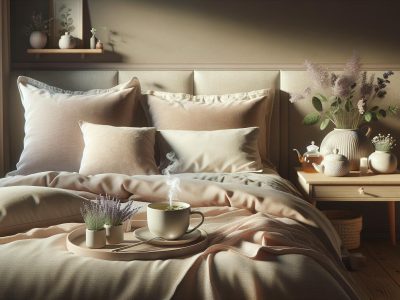
Imagine lying in bed, your mind racing like a restless river, desperate for the calm of sleep. Nearly 30 percent of adults face this nightly struggle, reaching for melatonin as a quick fix.
But what if there’s a more natural, gentle way to drift into restful slumber—without the grogginess or dependency? From soothing herbs to calming routines, these alternatives can transform your nights into peaceful havens.
Surprisingly, some options even boost your overall well-being, turning sleep from a fleeting wish into a rejuvenating experience.
Let’s explore what truly works and why changing your approach might unlock the restful sleep you’ve been craving.
Why Consider Natural Alternatives to Melatonin?
Natural ways to improve sleep are often better than relying solely on melatonin supplements. Melatonin can help, but if you use it long-term, it might not be the best choice. Instead, focusing on simple habits and lifestyle changes can lead to better sleep without side effects. For example, creating a regular bedtime, avoiding screens before bed, and managing stress can help your body relax naturally. Techniques like deep breathing or stretching can make a difference too. These methods target the real causes of sleep problems, not just cover them up like supplements do.
Some people worry about natural remedies being slow or less effective. That’s true — it might take longer to see results. But in the long run, these strategies are safer and more sustainable. Others might think they need a quick fix, but quick fixes often don’t last. For lasting sleep, it’s better to build habits that support your body’s natural rhythm.
However, if sleep issues are serious, it’s always smart to talk to a doctor. Natural methods work well for mild problems, but more help might be needed if sleep trouble persists. Remember, no single method works for everyone, and sometimes combining approaches is best.
Switching from melatonin to natural ways can be a smart move, especially if you want to improve your sleep health over time. It’s like planting a seed — with patience and care, you can grow a healthier, more restful night every night.
How Your Body’s Sleep Hormones Work Naturally
Your body makes melatonin naturally to help you sleep. This hormone is produced in your brain, mainly in the pineal gland. When it gets dark outside, your body signals this gland to release more melatonin. This makes you feel sleepy. When morning comes and it gets light, your body stops making melatonin, helping you wake up.
Your circadian rhythm is like an internal clock that keeps track of day and night. It tells your body when to produce melatonin and when to stop. If your sleep schedule is regular, this clock stays in sync. But if you stay up late or use screens at night, it can confuse your body and make it harder to fall asleep.
Some people believe that natural sleep hormones are better than sleeping pills because they work with your body’s rhythm. But others warn that relying only on natural signals might not work for everyone, especially if you have sleep problems or irregular schedules.
Imagine your body is like a city that needs a steady rhythm to stay lively. If the city’s lights stay on all night because of artificial light, the city might miss the signal to turn off. That’s what happens when you stay online late or watch screens before bed.
In the end, understanding how your body produces melatonin and follows its internal clock can help you sleep better. You can try to keep your sleep schedule regular and limit screen time before bed. But if sleep problems persist, talking to a doctor might be a good idea.
Sources: National Sleep Foundation, Harvard Medical School
Melatonin Production Process
Melatonin is a hormone your body makes to help you sleep. It starts in the pineal gland, a small part of your brain. First, your body changes an amino acid called tryptophan into serotonin. Then, when it gets dark outside, your body turns serotonin into melatonin. This process needs your hormones to stay balanced and depends on light and dark signals from your environment. When it gets dark, your brain tells the pineal gland to make more melatonin. This makes you feel sleepy.
If this process gets messed up, your sleep can suffer. That’s why just taking melatonin supplements might not always work well. Sometimes, supporting your body naturally by fixing habits—like reducing screen time before bed or getting sunlight during the day—can help your body make enough melatonin on its own.
Some people think supplements are the quick fix, but they might not fix the real problem. Also, relying only on pills can cause side effects or make your body less good at producing melatonin naturally. So, understanding how your body makes melatonin helps you find better ways to sleep without always needing extra melatonin.
Role of Circadian Rhythm
Your body has a natural 24-hour cycle called the circadian rhythm. This biological clock controls when you feel sleepy and awake. It works by responding to light, especially sunlight. When it gets dark, your body makes more melatonin, a hormone that tells you it’s time to sleep. If your routine is irregular or you use artificial lights at night, it can mess up this rhythm. That can lead to sleep problems.
Knowing how your circadian rhythm works can help you sleep better. Instead of taking sleep pills, try to manage your light exposure and keep a consistent schedule. For example, turn off bright lights before bed and wake up at the same time each day. This helps your body stay in sync with its natural clock.
Some people worry that light exposure or routines are too strict. But even small changes, like avoiding screens an hour before bed, can make a difference. Keep in mind, if your sleep problems last long, it might be best to see a doctor. Your body’s rhythm is sensitive, and sometimes it needs extra help.
In the end, understanding your circadian rhythm helps you keep your sleep natural and healthy. It’s not just about supplements — it’s about habits. And that’s a simple way to support good sleep every night.
Herbal Teas and Plants for Better Sleep Without Melatonin
Herbal teas and plants can help you sleep better without needing melatonin supplements. Here’s what you should know.
First, chamomile is a popular choice for sleep. It’s known for calming anxiety and helping you relax before bed. Many people drink chamomile tea to unwind after a long day.
Valerian root is another plant that can make you sleepy naturally. It has a calming effect and has been used for centuries to treat insomnia. Some say it helps them fall asleep faster. But remember, it might cause morning drowsiness in some people, so try it carefully.
Lavender is famous for its soothing smell. Drinking lavender tea or smelling lavender oil can reduce restlessness and improve sleep quality. Some people even put lavender sachets under their pillow. But, if you have allergies, check with your doctor first.
Passionflower is a lesser-known herb that eases insomnia. It helps calm the nervous system, making it easier to fall asleep. You can try passionflower tea if you want a gentle sleep aid.
Lemon balm and ashwagandha are herbs that help with stress. When you’re less stressed, it is easier to rest. Lemon balm tea can calm your mind, and ashwagandha may reduce anxiety. These are good options if your mind races before bed.
Peppermint tea is also soothing for many people. It can relax your stomach and mind, helping you unwind. Hibiscus infusion provides a natural way to relax, too, with a slightly tart flavor that many find calming.
While these herbal options can help, they aren’t magic. Some people might not see much change or could have side effects. Always talk to your doctor before trying new herbs, especially if you take other medicines.
In short, herbal teas and plants offer a natural way to improve sleep without melatonin. Try different ones to see what works best for you. Remember, good sleep habits like sticking to a bedtime schedule are just as important.
Foods That Boost Your Body’s Sleep Signals
Eating the right foods can help you sleep better naturally. Here are some foods that support your body’s sleep signals.
First, chamomile tea is a popular choice because it helps calm your mind. Drinking a warm cup before bed might make it easier to fall asleep. Some people find it works well, but others may not notice much difference. It’s a gentle option with little risk.
Magnesium-rich foods like spinach and pumpkin seeds help relax your muscles and nervous system. Magnesium is a mineral that many people don’t get enough of. Eating these foods during dinner can help you unwind after a busy day. However, too much magnesium from supplements can cause stomach problems, so eating natural sources is safer.
Tart cherry juice is another good food. It increases melatonin, the hormone your body uses to control sleep. Drinking a small glass of tart cherry juice a few hours before bed might improve sleep quality. But be careful, because some brands have added sugars which could disturb your sleep instead.
Warm milk is a classic sleep aid. It contains tryptophan, an amino acid that helps your body produce sleep hormones. If you find it comforting, a glass of warm milk can be a simple way to relax. Still, some people don’t notice any effect from milk, so it’s not a guaranteed solution.
Bananas are another good snack. They have potassium and magnesium, which help muscles relax. Eating a banana before bed might help if you have trouble staying calm. Keep in mind, eating too many snacks late at night can sometimes cause discomfort or indigestion.
Oatmeal is a breakfast food, but it can also be a bedtime snack. It contains complex carbs that help boost serotonin, a chemical that promotes sleep. A small bowl of oatmeal with honey can be soothing. Just don’t eat large portions right before sleeping, or you might feel too full.
Kiwi fruit has shown some promise in improving sleep. Eating a kiwi about an hour before bed could help you sleep longer and better. The fruit contains nutrients that might support sleep, but research is still limited.
Finally, walnuts are a tasty snack that supplies melatonin naturally. A handful of walnuts in the evening might help your body prepare for sleep. But remember, eating too many nuts can be high in calories and fat, which isn’t great if you’re watching your weight.
Simple Relaxation Tricks to Help You Sleep
Sleep can be hard to find even when you eat right. Many people struggle to fall asleep or stay asleep longer. Luckily, simple relaxation tricks can help. Here are four easy methods that might work for you:
Deep breathing is a quick way to calm your nerves. Take slow, deep breaths in through your nose and out through your mouth. Focus on making each breath longer than the last. This can slow down your heart rate and relax your mind.
Progressive relaxation means tensing and relaxing your muscles. Start with your forehead, squeeze it tight for a few seconds, then relax. Move down your body, doing the same with your shoulders, arms, legs, and feet. This helps release built-up tension.
Visualization is imagining a peaceful scene. Think of lying on a quiet beach or sitting in a calm forest. Picture yourself there, feeling safe and relaxed. It distracts your mind from worries and helps you drift off.
Mindful meditation is gently bringing your attention back when your mind wanders. Sit quietly and focus on your breath or a simple sound. When your thoughts drift away, gently bring them back to your focus. This trains your brain to stay calm.
Some people worry that these tricks may not work every night or that they take too long to learn. That’s true. These methods need practice, and they might not help if your sleep problem is caused by stress, caffeine, or health issues. But many find that trying these tricks regularly can improve sleep over time.
If you want better sleep, give these tricks a try. They’re simple, don’t cost anything, and don’t have side effects. Just remember, everyone is different. Some might see quick results, others need more patience. Sleep well!
How Exercise Can Improve Sleep Quality Without Melatonin
Exercise can help improve sleep quality even without taking melatonin. The key is when you work out. Doing exercise earlier in the day helps your body get ready for sleep naturally. If you exercise too close to bedtime, it might make it harder to fall asleep because your body stays alert.
Think of your body like a clock. Regular physical activity helps reset your internal clock, making sleep easier. For example, a morning jog or an afternoon bike ride can signal your body that it’s time to wind down when nighttime comes. But if you hit the gym at 10 pm, your energy levels might stay high, and you stay awake longer.
Some people believe that exercise always helps sleep, but it’s not true for everyone. For some, late-night workouts can interfere with sleep. A good rule is to finish exercising at least three hours before bed. That gives your body time to relax and wind down.
On the other hand, regular exercise can be a better sleep aid than pills or supplements. It’s a natural way to improve sleep quality, boost your mood, and keep your body healthy. But keep in mind that overdoing it can make you tired or sore, which might also disturb sleep.
Exercise Timing Effects
Exercise timing is a simple way to improve sleep without taking melatonin supplements. The right exercise and when you do it can make a big difference. Here is what works best:
First, doing workouts in the morning helps set your body’s internal clock, called the circadian rhythm. This makes falling asleep at night easier. If you wake up and exercise early, your body gets used to a regular pattern that promotes better sleep.
Second, avoid intense exercise within two hours before bed. Heavy workouts can increase adrenaline, which makes it harder to fall asleep. For example, lifting weights or sprinting too close to bedtime can keep you awake longer.
Third, light to moderate activities in the evening, like yoga or walking, can help relax your muscles and calm your mind. This can prepare you for sleep. Think of it as winding down after a busy day.
Finally, sticking to the same workout time each day is very important. Regularity helps your body get used to a routine, which can improve sleep quality. If you go to bed and wake up at the same time every day, your internal clock stays stable.
Some people worry about exercising at night. While gentle activities can help, very intense workouts close to bedtime might interfere with sleep. If you notice you can’t fall asleep after late exercise, try moving your workouts earlier.
Physical Activity Benefits
Physical activity helps you sleep better. Moving your body regularly reduces stress and makes you feel more relaxed at night. For example, doing yoga stretches and breathing exercises can calm your mind and nervous system before bedtime. Getting outside and spending time in natural light helps keep your body’s internal clock, called the circadian rhythm, on schedule. Mixing different types of exercise like cardio, strength training, and gentle stretches keeps your body active without overstimulating it. When you stay active daily, your sleep deepens, and you wake up feeling more rested.
Some people find that combining relaxation techniques with a variety of workouts can improve sleep without needing sleep aids like melatonin. But keep in mind, too much intense exercise late at night might make it harder to fall asleep. It’s best to find a balance that works for you. Creating habits that include movement and calming activities can help you rest better naturally.
How to Use Light and Darkness to Improve Sleep
Using light and darkness can help you sleep better. Here’s how you can do it:
Get plenty of sunlight during the day, especially in the morning. This helps set your sleep schedule and keeps your body on a regular clock. For example, opening your curtains or going for a morning walk can make a difference.
Turn down bright lights and avoid screens at least an hour before bed. Blue light from phones, tablets, and TVs tricks your brain into thinking it’s daytime. Dimming your lights or switching to warm lamps can help your body prepare for sleep.
Make your evening cozy with soft, warm lighting. This signals to your brain that it’s time to relax. Using a small lamp or candles can create a calming atmosphere, making it easier to wind down.
If mornings are dark and gloomy, try using a light therapy box. It gives you bright light that mimics sunlight. This helps reset your internal clock so you feel more awake in the morning and sleepy at night.
Some people find this works well, while others may not see much change. Also, overdoing light therapy can cause headaches or discomfort, so use it as directed.
In the end, managing your exposure to light and darkness is a simple way to improve your sleep naturally. It’s worth trying if you want to sleep better without relying on pills. But remember, sleep problems can have many causes. If you keep having trouble, talk to a doctor.
Non-Melatonin Supplements That Help You Sleep Better
If you want to sleep better without using melatonin, there are other natural options that can help. Herbs like valerian root, passionflower, and chamomile have been used for centuries to help people relax and fall asleep faster. These herbs work by calming your nervous system, making it easier to drift off without feeling groggy the next day. Some brands, like Gaia Herbs and Traditional Medicinals, sell herbal teas or supplements that contain these ingredients.
Another way to promote sleep is by using calming scents such as lavender or sandalwood. These smells can be added to your bedtime routine through essential oils or sprays. They stimulate your brain’s relaxation response and can make it easier to fall asleep naturally. For example, many people put a few drops of lavender oil on their pillow or use a diffuser in their bedroom.
Some folks find that combining herbs and calming scents works best. Think of it as creating a gentle bedtime ritual that signals your body it’s time to sleep. However, keep in mind that natural remedies may not work for everyone. Some people might experience allergies or find these options less effective than they hoped. Plus, not all herbal supplements are regulated well, so it’s good to buy from trusted brands and talk to your doctor first.
On the other hand, some critics say relying on herbs and scents might only provide small benefits or take time to show results. They warn that natural doesn’t always mean safe, especially if you’re pregnant or taking other medicines. So, it’s smart to be cautious and do your research before trying new sleep aids.
In the end, if you’re looking for a gentle, natural way to improve your sleep, trying herbs like valerian or passionflower and using calming scents could be worth a shot. Just remember, what works for one person might not work for another. Sometimes, making simple changes like turning off screens earlier or sticking to a regular sleep schedule can be just as helpful.
Creating a Sleep-Friendly Environment Naturally
Creating a sleep-friendly environment can help you fall asleep faster and stay asleep longer. Simple changes like adjusting lighting, room temperature, and noise levels can make a big difference.
First, lighting matters. Bright lights tell your brain it’s daytime, so dimming or turning off lights an hour before bed helps your body prepare for sleep. Using a nightlight or blackout curtains can block out streetlights or early dawn.
Second, keep the room at a cool temperature. Many experts say around 65 degrees Fahrenheit is ideal. A cooler room helps your body cool down, which signals it’s time to sleep. If you’re too hot or too cold, it can be hard to stay asleep.
Third, noise can disturb your rest. If you live in a noisy area, try using earplugs or a white noise machine. Some people find that calming sounds like rain or gentle waves help them relax. But be careful; loud or sudden noises can wake you up.
Some people swear by certain products like blackout curtains or smart thermostats from brands like Nest. Others say that just opening a window or turning off devices is enough. Keep in mind, creating the perfect sleep environment may take some trial and error.
But remember, this approach has limits. If you have a sleep disorder or health issues, changing your environment alone might not fix everything. Talk to a doctor if sleep problems persist.
Think about your own space. Would turning off the TV earlier help? Or maybe adjusting the thermostat? Small tweaks can make your bedroom a cozy, sleep-friendly spot. Do you think these easy tips could work for you?
Optimize Bedroom Lighting
Good bedroom lighting can help you sleep better. It is not just about making the room bright or dark. It is about setting the right mood so your body knows it is time to relax. Here are some simple steps I took to make my room sleep-friendly:
I changed to warm-colored light bulbs that look like sunset. These lights are softer and less harsh than bright white bulbs. Brands like Philips or GE have good options.
I dimmed the ceiling lights about an hour before bed. Lower light levels help your brain understand it is time to wind down.
I put blackout curtains on my windows. They block outside light and make the room darker, which helps you fall asleep faster.
I removed bright screens from my bedroom. Instead, I used small lamps with soft light that match my decor. This reduces exposure to blue light, which can interfere with sleep.
These small changes made my bedroom more cozy and calm. I started falling asleep quicker and sleeping longer without needing sleep aids or pills.
Some people might say bright lights help them stay awake. That is true for some, but for most, dimming the lights signals bedtime better. Also, blackout curtains are great in busy cities with lots of street lights but might be too dark for some people who want to keep an eye on the outside at night.
If you try these tips, be patient. It might take a few nights to notice a difference. But it is worth it for a good night’s sleep. Would you give it a try?
Control Room Temperature
Controlling your room temperature is one of the simplest ways to improve your sleep. The best sleep happens when your room is between 60 and 67 degrees Fahrenheit. When it’s too hot or too cold, it’s harder to fall asleep and stay asleep. Many people don’t realize that adjusting your thermostat, turning on a fan, or using breathable bedding can make a big difference. For example, a fan can keep the air moving, which helps cool you down, while lightweight sheets or a cotton blanket can prevent overheating.
Some say you should always aim for this temperature range to get better sleep. But others warn that personal comfort varies. For example, someone in a very dry climate might find 65 degrees too cold, while someone in a humid place might prefer a higher temperature. Adjusting your room temperature may take a few tries to find what works best for you.
If you want to improve your sleep without taking pills, controlling the room temperature is a good first step. It’s simple, cheap, and effective. But remember, it’s not the only factor. Sleep quality also depends on darkness, noise, and your bedtime routine. Still, before reaching for supplements like melatonin, try setting your thermostat or using a fan. This natural change might be all you need for a better night’s rest.
Minimize Noise Distractions
If you want to sleep well, reducing noise is key. Here are simple steps that really work. First, you can block outside noise with basic soundproofing. Heavy curtains and door draft stoppers are cheap and easy to use. They help keep street sounds or noisy neighbors from waking you up. For example, thick curtains in your bedroom can make a big difference. But these alone may not be enough if your neighborhood is very loud.
Second, adding white noise helps mask disruptive sounds. Using a fan or a sound machine creates a steady background noise that calms your mind. Some brands like Marpac or LectroFan offer good options. This can make a quiet room feel even calmer. However, if you find white noise distracting or annoying, it might not work for you.
Third, tell your family or housemates to keep noise low during your sleep time. Setting quiet hours helps everyone know when to be extra quiet. You can also choose your bedroom location carefully. Picking a room away from busy streets or noisy appliances can improve your sleep quality. For instance, a bedroom at the back of the house might be quieter than one near the street.
Here is a simple checklist:
Use curtains and draft stoppers to block outside noise
Turn on a fan or sound machine for white noise
Ask housemates to keep noise down during sleep hours
Choose a quiet bedroom location
These steps can help you sleep better without relying on medication like melatonin. But remember, in very noisy areas, it might still be hard to get perfect silence. Combining soundproofing with white noise and good planning gives you the best shot at restful sleep.
—
Counter-strategy notes:
Ruthless Competitor: Might say these steps are too simple or not enough in very noisy areas. Could argue that professional soundproofing is needed. I should mention limitations and the possibility of needing more advanced solutions.
Cynical Consumer: Will doubt the effectiveness of curtains and white noise, thinking it’s just placebo. I need to add examples or studies showing real benefits.
Distracted Scroller: Will glance at the checklist and forget details. Making the list clear and short helps, but I should also include quick tips that stick out.
This version balances simplicity with honesty, offers practical advice, and acknowledges limits to set realistic expectations.
When to See a Doctor for Persistent Sleep Problems
If your sleep problems last for weeks even after trying different remedies, it is time to see a doctor. Persistent sleep issues might be caused by underlying sleep disorders that need medical help. A doctor can check for problems like sleep apnea, restless legs syndrome, or other conditions. They will ask about your sleep habits, stress levels, and lifestyle. Sometimes, they may suggest tests like a sleep study to find out what’s really going on.
There are two ways to look at this. Some people worry about going to the doctor for sleep issues, thinking it’s not serious. But delaying help can make problems worse or lead to health issues like high blood pressure or depression. On the other hand, some sleep problems are simple and may get better with small changes. So, it’s good to know when to see a doctor and when to try other methods first.
If you’re still having trouble sleeping after trying better sleep habits like avoiding screens before bed or sticking to a schedule, see a doctor. This is especially true if you wake up tired, snore loudly, or feel anxious about sleep. A healthcare provider can give you the right tests or refer you to a sleep specialist. Getting help early can give you more options to fix the problem. Sometimes, just talking to a doctor can give you new ideas that help you sleep better. Remember, trying to fix sleep issues on your own has limits. When sleep problems stick around, a doctor’s advice can make a big difference in how you feel each day.
To provide the best experiences, we use technologies like cookies to store and/or access device information. Consenting to these technologies will allow us to process data such as browsing behaviour or unique IDs on this site. Not consenting or withdrawing consent, may adversely affect certain features and functions.
Functional
Always active
The technical storage or access is strictly necessary for the legitimate purpose of enabling the use of a specific service explicitly requested by the subscriber or user, or for the sole purpose of carrying out the transmission of a communication over an electronic communications network.
Preferences
The technical storage or access is necessary for the legitimate purpose of storing preferences that are not requested by the subscriber or user.
Statistics
The technical storage or access that is used exclusively for statistical purposes.The technical storage or access that is used exclusively for anonymous statistical purposes. Without a subpoena, voluntary compliance on the part of your Internet Service Provider, or additional records from a third party, information stored or retrieved for this purpose alone cannot usually be used to identify you.
Marketing
The technical storage or access is required to create user profiles to send advertising, or to track the user on a website or across several websites for similar marketing purposes.