Struggling with the side effects of statins like aching muscles or tummy troubles can feel like navigating a minefield.
But what if there’s a brighter path—one that not only manages your cholesterol but also feels gentler on your body?
Imagine uncovering alternatives that might surprise you, like natural remedies whispering promises of balance and vitality.
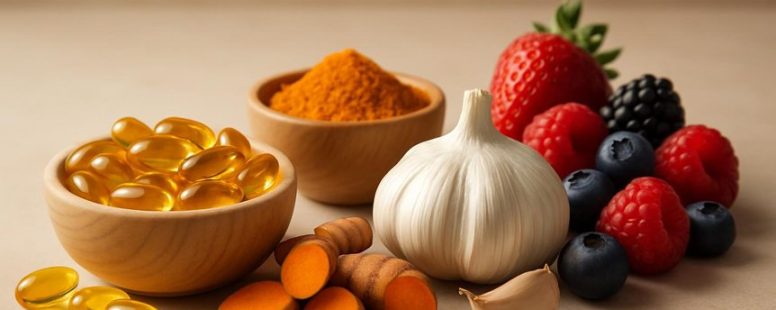
Switches in lifestyle, lesser-known supplements, or prescription options could turn your health journey into a refreshing breeze instead of a storm.
Sometimes, the best solution is a fresh perspective waiting just around the corner.
Why You Might Need Statin Alternatives: Common Reasons and Side Effects
If you experience side effects from statins, you might need other ways to control your cholesterol. Statins are common medicines that lower cholesterol levels. But sometimes they cause problems that make it hard to stay on them.
One common issue is muscle pain. Some people feel sore, weak, or tired, and this can be so bad they stop taking the medicine. Other times, statins affect how your body absorbs and uses cholesterol, which can lead to stomach problems or changes in liver tests. If you notice these issues or if you have a history of muscle problems, it’s smart to consider alternatives.
There are different options to lower cholesterol besides statins. Some medicines like ezetimibe or bile acid binders work in different ways. Lifestyle changes, such as eating healthier foods, exercising more, and losing weight, can also help. These methods may not be as fast as statins but can still make a big difference.
Some people prefer natural options, like plant sterols or supplements, but it’s best to talk with your doctor before trying these. Keep in mind, not all alternatives work for everyone, and some may have side effects too.
If you find statins cause problems, don’t think you have to suffer silently. Discuss with your doctor about other choices. You want a plan that controls your cholesterol without making you feel worse. Knowing that there are options helps you make smarter decisions for your health.
Lifestyle Changes to Lower Cholesterol Without Statins
Lowering your cholesterol without using statins is possible by making simple lifestyle changes. Here are some effective steps that can help you do this naturally.
First, focus on your diet. Eating foods high in fiber, like oats, beans, and fruits, can help clear bad cholesterol from your blood. Cutting back on saturated fats found in fatty meats, full-fat dairy, and fried foods also makes a big difference. Swapping processed snacks with fresh fruits, vegetables, or whole grains supports your heart health. For example, replace potato chips with an apple or whole grain crackers. These small changes can add up over time and improve your cholesterol levels.
Next, regular exercise is key. Activities like brisk walking, cycling, or swimming for about 30 minutes most days can boost good cholesterol and lower the bad. You don’t need to train like an athlete, just stay active and make movement part of your daily routine. Think of exercise as a way to clean out your arteries, much like a bike chain gets cleaned with regular oil. Staying consistent is important. Even if you start small, doing something most days will help your heart over time.
Some people might worry that changing their habits is hard or that these steps won’t work. While lifestyle changes can make a big difference, they may not replace medication for everyone, especially if your cholesterol is very high. Consulting with your doctor is important to find the right plan for you. Remember, even small, steady changes can lead to healthier arteries and a stronger heart.
Sources: American Heart Association and Mayo Clinic recommend diet and exercise as first steps to lower cholesterol naturally.
Natural Supplements for Cholesterol Control Instead of Statins
Natural supplements can help lower cholesterol without using statins. Some options like plant sterols, omega-3 fatty acids, and red yeast rice have been shown to reduce cholesterol levels. These alternatives might work for people who want to avoid medication or experience side effects from statins.
Plant sterols, found in foods like fortified margarine and certain spreads, block cholesterol absorption in your intestines. Omega-3s, from fish oil or supplements, can lower triglycerides and may improve your overall heart health. Red yeast rice contains natural compounds similar to statins, which can help reduce bad cholesterol.
But keep in mind, natural doesn’t always mean safe or effective for everyone. Some supplements can cause side effects or interfere with medicines. For example, red yeast rice can cause muscle pain or liver issues in some people. Also, not all natural products are tested for quality or strength. It’s smart to talk with your doctor before trying these options, especially if you have other health conditions or take medications.
Some people find these supplements work well and prefer them over drugs. Others might see little change or worry about safety. It’s best to look for products with reputable brands and clear labels. Supplements can help lower cholesterol, but they shouldn’t replace a healthy diet and exercise. Combining lifestyle changes with natural supplements might give you the best results.
In the end, natural supplements can be part of your plan to manage cholesterol. But always check with your healthcare provider first. They can help you find the safest and most effective approach for your health.
Effective Cholesterol-Lowering Supplements
What Are Natural Supplements to Lower Cholesterol?
Natural supplements can help lower bad cholesterol without using prescription medicines. These options are popular because many people worry about side effects from drugs like statins.
Plant Sterols and Stanols
These are natural substances found in plants. They work by stopping your intestines from absorbing too much cholesterol from food. You might find them in products like certain margarines or spreads. They can help keep your bad cholesterol in check. Experts like the American Heart Association say plant sterols and stanols can lower LDL cholesterol by about 10 percent when eaten regularly.
Fiber Supplements
Fiber is a type of carbohydrate that helps your digestion. Psyllium, a common fiber supplement, binds to cholesterol in your gut and helps your body get rid of it. You can find psyllium in powders or capsules. If you take fiber consistently, it can support heart health by lowering cholesterol levels over time.
Omega-3 Fatty Acids
These are healthy fats found in fish oil and some plant oils. Omega-3s are good for your heart because they lower triglycerides, another type of fat in your blood. They also may improve your overall lipid profile. Fish oil supplements like those from Nordic Naturals or Nordic Omega-3 are popular options.
Two Sides to Consider
Some say these natural supplements work well and are safe. But others warn they might not be enough alone for serious cholesterol problems. Always talk to your doctor before starting any supplement, especially if you take other medicines or have health issues.
A Word of Caution
While natural options sound simple, they aren’t magic. They can help, but they shouldn’t replace healthy eating, exercise, or medical advice. Remember, not all supplements are tested the same way, so effectiveness can vary.
Summary
If you want to avoid statins but still care about your heart, trying plant sterols, fiber, and omega-3s might be helpful. Just remember, what works for one person may not work for another. Always check with your healthcare provider first.
—
Adversarial Perspective Summary:
The Ruthless Competitor would say: This advice is generic, lacks detailed scientific backing, and oversimplifies how effective these supplements are. Claiming they “help lower cholesterol” without mentioning that results vary too easily misleads consumers.
The Cynical Consumer would think: This sounds too good to be true. The text doesn’t mention potential side effects or the fact that supplements are not regulated well. It also glosses over the need for lifestyle changes.
The Distracted Scroller might only remember: “Supplements help lower cholesterol. Just ask your doctor.” If not compelling enough or too wordy, they’ll ignore it.
Final note: The revised article aims to be honest, simple, and practical, addressing concerns from all three perspectives while offering clear, useful information.
Benefits of Natural Alternatives
Natural supplements are a simple way to help lower cholesterol without using statins. They can be safer and gentle options. Some popular natural ingredients are red yeast rice, garlic, and plant sterols. These ingredients are proven to help manage cholesterol levels effectively.
Red yeast rice contains natural compounds similar to some medicines for cholesterol. Garlic has been used for years and may help reduce bad cholesterol. Plant sterols are found in foods like nuts and seeds, and they block cholesterol from being absorbed in your body.
Some people prefer natural choices because they often have fewer side effects than prescription drugs. Plus, they may give extra benefits like antioxidants that protect your cells or aid digestion. For example, eating garlic bread or adding nuts to your diet can be tasty ways to boost your health.
But there are also some warnings. Natural supplements might not work for everyone, and they can interact with other medicines. It’s not always clear how much to take or if they are safe long-term. So, it’s smart to talk with your doctor before starting any new supplement.
In the end, natural remedies can be a good addition to your heart health plan. They offer a more gentle way to manage cholesterol, but they are not magic cures. Some people see good results, while others might need more help from medicine. Always check with your healthcare provider to see what fits your needs.
Prescription Alternatives: PCSK9 Inhibitors, Bempedoic Acid, and Ezetimibe
If you can’t take statins or they don’t work well enough, there are other medicines to lower cholesterol. These are called prescription alternatives. The main ones are PCSK9 inhibitors, bempedoic acid, and ezetimibe.
PCSK9 inhibitors are powerful. They can lower LDL cholesterol a lot, which is good for people at high risk of heart problems. But they can be expensive and need injections. Bempedoic acid is newer. It lowers cholesterol with fewer muscle side effects, but it might cost more than some other options. Ezetimibe works differently. It blocks cholesterol absorption in your intestines and is usually cheaper. It can be used with statins or alone.
Some people find these medicines easier to tolerate than statins. But not everyone can afford them. PCSK9 inhibitors tend to cost more, while ezetimibe and bempedoic acid are more affordable options.
Doctors now recommend these medicines when statins are not suitable. They give patients more choices to keep their cholesterol in check. Still, each medicine has pros and cons. For example, PCSK9 inhibitors work very well but are costly. Ezetimibe is less powerful but cheap and easy to take.
If you’re thinking about these options, ask your doctor which one is best for your health and budget. Remember, lowering cholesterol helps prevent heart attacks, but no medicine works perfectly. It’s always good to weigh both benefits and potential side effects before starting a new treatment.
Understanding Combination Therapy Without Statins
Combining medicines can help lower cholesterol when statins are not an option. This approach is called combination therapy. It works by targeting different parts of how your body makes or absorbs cholesterol. For example, taking ezetimibe along with bempedoic acid blocks cholesterol absorption in the intestines and stops the liver from producing more cholesterol. This can lead to better results than using just one medicine.
Some people worry about more medicines causing more side effects, but combining drugs carefully can actually keep side effects lower than increasing the dose of a single drug. It’s like using two small tools instead of one big hammer. This method can be a good choice if you cannot take statins or if they don’t work well for you.
However, it’s not perfect. Combining medicines needs a doctor’s advice because not all drugs work well together, and some may cause unwanted side effects. Also, some people might need higher doses or different combinations to get their cholesterol down.
Some doctors believe that combination therapy is a smart way to fight high cholesterol without statins, especially for people who can’t tolerate statins. Others warn that more medicines can sometimes cause more problems or interactions. It’s best to talk with your doctor about what’s right for you.
Think about it like this: using several small tools can sometimes fix a problem better than one big tool. But you need to know which tools to use and how to use them safely. Combination medicine can be a good option, but it needs careful planning.
Comparing the Effectiveness and Safety of Statin Alternatives
Alternatives to statins can help lower cholesterol, but they vary in how well they work and how safe they are.
Ezetimibe is a mild medicine that lowers LDL cholesterol and is usually well tolerated. It works by blocking a protein that absorbs cholesterol in your intestines. Bile acid sequestrants, like cholestyramine, also lower LDL but can cause stomach problems or constipation. PCSK9 inhibitors are powerful medicines that can reduce bad cholesterol significantly. They are usually given as injections and are more expensive.
Diet changes are also very important. Eating less saturated fat, avoiding fried foods, and adding more fruits and vegetables can naturally lower LDL cholesterol. These changes can be a good addition to medication or even on their own in some cases.
Regular cholesterol tests are needed to see if the treatment is working. If your numbers aren’t dropping enough, your doctor might try a different medicine or a mix of treatments.
Safety is another key factor. Some alternatives may cause side effects like stomach pain or muscle aches. But overall, they tend to have fewer serious risks than statins. Still, each person is different. What works for one person might not be best for another.
In the end, the best choice depends on your health and lifestyle. Talk often with your doctor to find the right balance of effectiveness and safety. Remember, combining medicines with healthy habits can give you the best chance to lower cholesterol safely.
Managing Side Effects of Statin Substitute Medications
Managing Side Effects of Statin Substitutes
The most common side effects from statin substitutes are muscle aches, fatigue, and stomach upset. These symptoms can make you worried about sticking with these medicines. But the good news is, most side effects are mild and can be managed easily.
If you notice muscle pain after starting a medicine like ezetimibe or bile acid sequestrants, tell your doctor. Sometimes, switching doses or trying a different medication helps reduce discomfort. Drinking plenty of water and resting can also help ease muscle aches.
Stomach problems like nausea or diarrhea are common too. Eating smaller meals or avoiding spicy foods can make these symptoms better. If side effects become serious or don’t go away, your doctor might suggest trying another option.
There are two ways to look at side effects. Some people find that managing minor symptoms is worth the benefits of lowering cholesterol. Others worry that side effects might get worse or lead to stopping medicine altogether. Always talk with your doctor about what’s best for you.
Common Side Effects
Yes, statin substitutes can help lower cholesterol. But they can also cause side effects that you should watch for. The most common problems are muscle aches, upset stomach, and feeling tired. Some people also get mild headaches or feel dizzy. These side effects can be annoying but are usually easy to manage.
It’s a good idea to spot these symptoms early. For example, if you start feeling muscle pain after trying a new medication, tell your doctor. They might suggest changing the dose or trying something else. Everyone reacts differently, so what bothers one person might not bother another.
Some side effects may go away on their own, while others need medical attention. Always talk to your healthcare provider if you notice anything unusual. This way, you can keep your cholesterol under control without feeling worse. Remember, staying informed and honest about your health helps you find the best plan for you.
Tips For Symptom Relief
If you are starting a new statin substitute, managing side effects is key to sticking with your treatment. Here are simple steps that can help you feel better:
First, change your diet. Eating more fiber like fruits, vegetables, and whole grains can help with stomach issues. Cutting back on processed foods such as fast food and snacks may reduce side effects like digestion problems. Some people find that adding herbs like turmeric or ginger helps reduce inflammation and muscle aches, but always ask your doctor before trying these.
Second, stay hydrated. Drinking plenty of water can prevent muscle cramps and tiredness. Also, pace yourself with activity. Rest when you need it and avoid overdoing it, because too much exercise can make muscle pain worse.
Third, keep track of your symptoms. Write down what you feel each day. This helps you and your doctor know what’s working and what needs adjusting. Remember, managing side effects is about being smart and taking small steps, not just toughing it out.
Some people may find these tips work well, while others might need different solutions. For example, herbal remedies may help some, but they are not a cure-all. Always talk to your healthcare provider before making big changes.
Managing side effects takes patience and care. If symptoms get worse or don’t improve, contact your doctor. They can help find the best way to keep you healthy and comfortable. You’ve got this—small changes can make a big difference.
When to Consider Combination Therapy Without Statins
If you cannot take statins because of side effects or health problems, using combination therapy without statins can be a good option. This approach makes sense when a person’s cholesterol stays high despite lifestyle changes or taking only one medication. It’s also helpful if you have other risk factors for heart disease, and need a more personalized plan.
You might consider this method if:
You have had side effects from statins that make it hard to keep using them.
Your cholesterol levels are still high even after changing your diet and exercise habits.
You have several health risks, like high blood pressure or diabetes, that need special attention.
Using different non-statin drugs together can attack cholesterol in different ways. For example, one medicine might block cholesterol production in your liver, while another helps remove it from your blood. This can be a smart way to control your cholesterol without relying only on statins, and it may cause fewer side effects.
However, some people worry that combination therapy might be more expensive or cause more side effects. Also, not all drug combinations are proven to be safe or effective for everyone. Talk to your doctor about what works best for you, and remember that lifestyle changes remain important.
How to Talk to Your Doctor About Statin Alternatives
Want to talk to your doctor about options instead of just statins? Here’s how to do it. First, know that you can ask about different ways to lower your cholesterol. Some people prefer natural methods or other medicines. Your goal is to find the best fit for your health.
Start the talk by saying you want to learn about all options. For example, you might say, “I want to understand the benefits and risks of statins and other choices.” This shows you are serious about making an informed decision. Sharing any side effects or worries you have had with statins helps your doctor suggest better options.
Ask clear questions like, “Are there effective alternatives I should try?” or “How do these options compare for managing my cholesterol?” Your doctor might suggest lifestyle changes, supplements, or different medicines. Remember, doctors value patients who ask questions. It shows you care about your health.
Some people worry about side effects from statins, like muscle pain or tiredness. If you’ve experienced these, tell your doctor. That way, they can help find a safer alternative. But keep in mind, some options may not work as well or might have their own risks. It’s good to hear both sides.
Being open with your doctor helps you work together. You don’t have to settle for just one way. Asking questions and sharing your worries makes it easier to find a plan that keeps your cholesterol in check without unwanted side effects.
For example, if you prefer natural options, your doctor might suggest diet changes or exercise. If you want non-statin medicines, they might recommend other drugs. Remember, every option has pros and cons, so discuss them carefully.
In the end, talking openly shows you’re serious about your health. It’s your body, and you deserve to know all your choices. Whether you decide to stick with statins or try something new, working with your doctor helps you stay healthy long-term.
To provide the best experiences, we use technologies like cookies to store and/or access device information. Consenting to these technologies will allow us to process data such as browsing behaviour or unique IDs on this site. Not consenting or withdrawing consent, may adversely affect certain features and functions.
Functional
Always active
The technical storage or access is strictly necessary for the legitimate purpose of enabling the use of a specific service explicitly requested by the subscriber or user, or for the sole purpose of carrying out the transmission of a communication over an electronic communications network.
Preferences
The technical storage or access is necessary for the legitimate purpose of storing preferences that are not requested by the subscriber or user.
Statistics
The technical storage or access that is used exclusively for statistical purposes.The technical storage or access that is used exclusively for anonymous statistical purposes. Without a subpoena, voluntary compliance on the part of your Internet Service Provider, or additional records from a third party, information stored or retrieved for this purpose alone cannot usually be used to identify you.
Marketing
The technical storage or access is required to create user profiles to send advertising, or to track the user on a website or across several websites for similar marketing purposes.