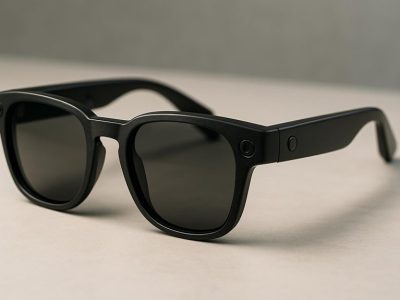
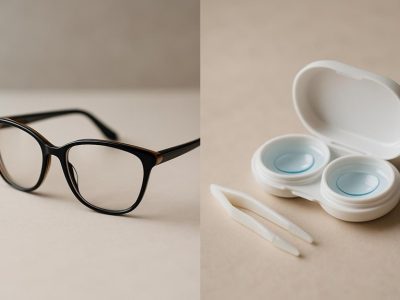
Imagine stepping outside on a bright, sunny day and feeling your eyes instantly adjust without needing to fumble for sunglasses. Transition lenses promise this seamless convenience, blending practicality with innovation. They adapt to changing light conditions, offering a unique solution for those tired of juggling between prescription glasses and shades. But is this modern marvel as perfect as it seems?
While transition lenses sound like a dream come true, they come with their own set of trade-offs. From their ability to enhance comfort and reduce glare to potential limitations in certain environments, there’s more to these lenses than meets the eye—literally. Whether you’re considering them for their stylish appeal or functional benefits, understanding both their perks and drawbacks can help you decide if they’re the right fit for your lifestyle. So, are transition lenses the game-changer you’ve been searching for, or do they fall short of expectations? Let’s explore.
What Are Transition Lenses?
Transition lenses, also known as photochromic lenses, are eyeglass lenses that automatically adjust their tint in response to ultraviolet (UV) light exposure. They darken in bright outdoor sunlight and return to a clear or nearly clear state indoors or in low-light environments. This adaptability provides both prescription vision correction and sun protection in one pair of glasses.
These lenses work through a chemical process involving photochromic molecules embedded in the lens material. When exposed to UV light, these molecules change their structure, causing the lens to darken. Once the UV exposure decreases, the molecules revert to their original form, and the lenses clear up. Glasses made from materials like glass, polycarbonate, or plastic often feature transition lenses.
Many popular eyewear brands, such as Essilor’s Transitions, incorporate these lenses into their designs. They’re commonly used by individuals who spend time both indoors and outdoors but wish to avoid carrying separate prescription glasses and sunglasses. They offer significant convenience by eliminating the need to switch between eyewear for different environments.
Benefits Of Transition Lenses
Transition lenses, or photochromic lenses, offer multiple practical advantages that improve your day-to-day visual experience. They combine functionality, protection, and style while adapting to various environments.
Convenience And Versatility
These lenses adjust seamlessly to changing light conditions, removing the need for separate prescription glasses and sunglasses. For instance, they darken when you’re outdoors on a sunny day and return to clear indoors or during nighttime outings. This feature saves you time and effort, especially if you frequently move between indoor and outdoor settings. Certain brands also offer faster transitioning speeds and compatibility for activities like driving by including light-sensitive technology that works behind windshields.
UV Protection And Eye Health
Transition lenses block 100% of UVA and UVB rays, safeguarding your eyes from harmful sun exposure. Prolonged UV exposure can cause cataracts, photokeratitis, and even macular degeneration over time. By integrating UV protection directly into your eyeglasses, you reduce risks without needing additional accessories. For high-UV environments, such as hiking or beach trips, these lenses offer robust shielding that ensures your comfort and eye safety.
Style And Customizability
Modern transition lenses come in various shades and designs, allowing you to match your preferences and personality. Options include classic gray, brown, or green hues, as well as mirrored effects for a trendy look. Some brands enable lens customization for different frame shapes, ensuring a cohesive appearance. Whether you prefer minimal aesthetics or bold eyewear, transition lenses offer a stylish and practical solution.
Cost-Effectiveness
Transition lenses combine two products—prescription glasses and sunglasses—into a single pair, reducing long-term costs. Instead of investing in multiple eyewear solutions, you only maintain one versatile pair. While upfront costs might seem higher, the multipurpose nature of transition lenses makes them a valuable investment for individuals seeking convenience and savings in eyewear expenses.
Drawbacks Of Transition Lenses
Transition lenses offer undeniable convenience, but they also come with some drawbacks. Understanding these challenges helps you make an well-informed choice.
Slower Reaction Times
Transition lenses take time to adjust fully to changing light conditions. Outdoors, it may take 30-60 seconds for them to darken completely, and returning to a clear state can take even longer. This delay might be inconvenient, especially if you’re quickly moving between environments with varying light intensities.
Ineffectiveness In Cars
Transition lenses don’t always activate effectively inside vehicles. Most UV-blocking windshields filter out the ultraviolet rays needed to trigger the lens reaction. As a result, the lenses may not darken enough in bright sunlight, reducing their effectiveness while driving.
Limited Color Options
Color choices for transition lenses are often limited to neutral shades like gray, brown, or green. For instance, if you’re looking for vibrant or bolder hues, you might not find the options appealing. This limitation can affect those wanting stylish, personalized eyewear.
Higher Upfront Cost
Transition lenses are typically more expensive than standard prescription lenses or regular sunglasses. Their added functionality justifies the cost, but the initial investment may feel steep for budget-conscious buyers. Over time, combining two products in one could balance the expense, but the upfront cost remains a deterrent.
Who Should Consider Transition Lenses?
Transition lenses benefit individuals who frequently alternate between outdoor and indoor environments. If you spend considerable time outdoors, especially in activities like walking or running errands, these lenses provide seamless adaptability by automatically adjusting to light changes.
They’re ideal for those prioritizing UV protection to safeguard eye health. Prolonged exposure to UV radiation increases the risk of eye conditions like cataracts or macular degeneration. Wearing transition lenses offers 100% UV blockage, making them suitable for individuals with sensitivity to bright light or medical conditions like photophobia.
Children and teens may find transition lenses practical and protective. Since kids’ eyes absorb more UV rays than adults’, lenses can prevent long-term damage while eliminating the need for separate prescription sunglasses, adding convenience for parents.
Professionals often exposed to varying light conditions, such as architects or surveyors, might also find these lenses advantageous. They reduce the hassle of switching between eyewear and keep your focus on work. But, if needing precise shade dynamics in cars, their limitations under UV-blocking windshields should be noted.
Alternative Options To Transition Lenses
Prescription Sunglasses
Prescription sunglasses offer a dedicated solution for outdoor use by combining prescription lenses with sun protection. Unlike transition lenses, these sunglasses maintain a constant tint, ensuring optimal vision in bright sunlight without delays in adaptation. They come in a wide range of frame styles and lens colors, providing enhanced customization options. If you spend extended periods outdoors, prescription sunglasses may offer a more robust solution as they don’t rely on UV light activation. But, you would need to carry an additional pair for indoor use.
Clip-On Sunglasses
Clip-on sunglasses are a cost-effective alternative for those who prefer not to invest in multiple pairs of glasses. These detachable lenses can quickly attach to your existing prescription glasses, offering convenience and versatility. Available in different sizes, shapes, and tints, they allow for some degree of personalization. But, clip-ons may feel bulky or mismatched on certain frame styles. If portability is important, they can be a practical option even though their aesthetic limitations.
Polarized Lenses
Polarized lenses, often available in prescription and non-prescription forms, reduce glare from reflective surfaces like water, snow, or roads. These lenses provide clearer vision and enhanced visual comfort in bright and high-glare environments. While they don’t adapt to changing light conditions like transition lenses, they’re ideal for activities such as driving, fishing, or skiing. For those prioritizing glare reduction over light sensitivity, polarized lenses represent a strong choice.
Contact Lenses with UV Protection
UV-blocking contact lenses offer an alternative for individuals seeking protection without relying on glasses. Paired with regular sunglasses, they combine clear vision and eye protection in outdoor settings. Contact lenses don’t change tint with lighting conditions, so you maintain a consistent experience indoors and outdoors. If you’re comfortable wearing contacts, this option can be seamless, although it lacks the adaptability of photochromic technology.
Standard Glasses and Separate Sunglasses
Carrying standard glasses alongside a pair of non-prescription sunglasses is a classic approach. This option provides flexibility, allowing you to switch between eyewear based on your environment. It offers more control over your style choices as you can select unique designs for each pair. But, managing and frequently switching between two sets of glasses may feel inconvenient for some users. For stationary activities or short outdoor trips, this method remains practical.
Smart Glasses
Emerging smart glass technology integrates advanced features such as polarized lenses, tints on-demand, or even augmented reality displays. Although still developing, these glasses could soon offer a dynamic alternative to both prescription and photochromic lenses. Prices and availability currently limit access, but if you’re looking for cutting-edge solutions, they’re worth exploring. Ensure compatibility with your lifestyle before investing in these features.
Conclusion
Choosing the right eyewear comes down to your lifestyle, preferences, and priorities. Transition lenses offer a blend of convenience, UV protection, and cost-effectiveness, making them a strong contender for many. But, their limitations in certain situations mean they might not be the perfect fit for everyone.
If you’re seeking versatility and value in a single pair of glasses, transition lenses could be an excellent choice. For those with specific needs or style preferences, exploring alternative options might better suit your requirements. Weigh your options carefully to find what works best for you.
To provide the best experiences, we use technologies like cookies to store and/or access device information. Consenting to these technologies will allow us to process data such as browsing behaviour or unique IDs on this site. Not consenting or withdrawing consent, may adversely affect certain features and functions.
Functional
Always active
The technical storage or access is strictly necessary for the legitimate purpose of enabling the use of a specific service explicitly requested by the subscriber or user, or for the sole purpose of carrying out the transmission of a communication over an electronic communications network.
Preferences
The technical storage or access is necessary for the legitimate purpose of storing preferences that are not requested by the subscriber or user.
Statistics
The technical storage or access that is used exclusively for statistical purposes.The technical storage or access that is used exclusively for anonymous statistical purposes. Without a subpoena, voluntary compliance on the part of your Internet Service Provider, or additional records from a third party, information stored or retrieved for this purpose alone cannot usually be used to identify you.
Marketing
The technical storage or access is required to create user profiles to send advertising, or to track the user on a website or across several websites for similar marketing purposes.