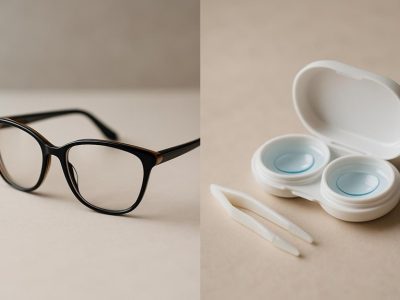
Imagine waking up, slipping on a pair of glasses, and feeling like they’re a barrier between you and the world. Contact lenses offer a different story—a chance to see clearly without the weight on your nose or frames in your peripheral vision. They promise freedom, blending seamlessly into your daily routine while enhancing your natural look. But are they as perfect as they seem?
From the convenience of no foggy lenses on rainy days to the challenge of maintaining proper hygiene, contact lenses come with their own set of advantages and drawbacks. Whether you’re considering ditching your glasses or simply curious about the switch, understanding the pros and cons can help you make an informed choice. Jump into the world of contact lenses and discover if they’re the vision solution you’ve been searching for.
Understanding Contact Lenses
Contact lenses are thin, curved lenses placed directly on the eye’s surface to correct vision or for cosmetic purposes. They provide an alternative to glasses, offering advantages for those preferring a less obtrusive way to improve their sight.
What Are Contact Lenses?
Contact lenses are lightweight optical devices designed to address refractive errors like nearsightedness (myopia), farsightedness (hyperopia), astigmatism, or presbyopia. Made from advanced materials like silicone hydrogel or PMMA, they conform to the eye’s natural shape, promoting comfort and visual acuity. Unlike glasses, contact lenses move with your eye, offering a wider field of unobstructed vision.
For example, they’re ideal during sports activities where glasses might slip or break. By sitting directly on the cornea, they eliminate the distortion peripheral vision can experience with glasses. Always ensure your lenses match your specific prescriptions to avoid discomfort or incorrect vision correction.
Types Of Contact Lenses
Contact lenses come in various types, categorized by material, wear schedule, and purpose. Understanding these variations helps you select the right option for your needs.
Soft Lenses: Made from water-absorbing materials, soft lenses are flexible and comfortable. Daily disposable lenses, for instance, offer convenience without requiring cleaning routines, but monthly lenses are cost-effective for regular use.
Rigid Gas-Permeable (RGP) Lenses: These provide sharper vision for certain conditions like astigmatism but may require a longer adjustment period. They allow oxygen to pass through, keeping the cornea healthy.
Extended Wear Lenses: Worn continuously for up to 30 days, these are suitable for those with active lifestyles but can increase the risk of eye infections if not monitored properly. Sleeping with contacts in can lead to dryness or irritation.
Toric and Multifocal Lenses: Toric lenses correct astigmatism, adapting to different angles of vision. Multifocal lenses cater to presbyopia by featuring zones for distance and near vision in the same lens.
A consultation with your eye care professional ensures safe usage and correct lens type selection. Proper hygiene and adherence to care guidelines, like cleaning lenses after every use, are critical to avoid complications.
Pros Of Contact Lenses
Contact lenses offer numerous advantages over traditional eyeglasses, making them an appealing choice for many people. They combine functionality and aesthetics, addressing diverse vision and lifestyle needs.
Improved Vision And Convenience
Contact lenses provide natural vision correction by sitting directly on the eye rather than at a distance like glasses. They move with your eyes, ensuring a stable and wider viewing range. Unlike glasses, they don’t fog up in humid conditions, making daily activities smoother. For example, cooking over a steamy pot becomes hassle-free. Also, they are compatible with various sunglasses or safety goggles that may lack prescription capabilities, increasing versatility in different situations.
Aesthetic Benefits
Contact lenses let you showcase your natural appearance without frames altering your look. They enhance confidence for those who prefer not to wear glasses during social interactions or photos. Colored contact lenses even allow temporary changes to your eye color, creating opportunities for a different aesthetic approach. This feature appeals especially to individuals experimenting with new looks. Eventually, their unobtrusive design aligns seamlessly with your features.
Suitable For Active Lifestyles
For athletes and fitness enthusiasts, contact lenses are ideal. They eliminate concerns about glasses slipping off or breaking during intense activities. Sports like soccer, tennis, and jogging benefit from the secure fit of contact lenses. By also offering extended wear options, you can focus on performance rather than constantly adjusting your eyewear. This attribute underscores their practicality for physically demanding pursuits.
Wider Field Of Vision
Contact lenses enhance peripheral vision, as there are no obstructive frames. Glasses limit side views due to their rigid structure, while lenses offer a continuous field. This improvement is crucial for activities such as driving, where awareness of surrounding movement ensures safety. It also benefits rapid professions or hobbies requiring enhanced spatial perception. The clarity and full-scope vision lenses provide elevate their functional superiority.
Cons Of Contact Lenses
Contact lenses provide many benefits, but there are several drawbacks worth considering before making a decision.
Potential Discomfort Or Dryness
Wearing contacts for extended hours can cause discomfort. For example, long screen time or dry environments often worsen this issue, leading to dry eye symptoms. The contact lens material might not suit some users, causing irritation or redness. Those with sensitive eyes may find lenses unpleasant, especially during allergy season.
Maintenance And Hygiene Requirements
Contact lenses demand stringent hygiene practices. Proper cleaning routines and storage are vital to avoid complications. Without consistent maintenance, bacteria and debris can accumulate on lenses, potentially harming your eyes. For instance, reusing old contact solution or keeping lenses in unclean cases increases infection risk. Following a daily cleaning regimen might feel burdensome, especially for beginners.
Risk Of Eye Infections
Using contacts slightly raises the probability of eye infections like keratitis. Poor hygiene or overextended lens use are often the causes. Sleeping with contacts or wearing them past their expiry amplifies this risk. Statistics from the CDC indicate that around 1 in 500 contact lens users experience serious infections annually. Regular check-ups with your eye care professional help minimize these risks.
Cost Considerations
Contact lenses are typically more expensive than glasses over time. Aside from the lenses themselves, you’ll need cleaning solutions and replacement materials to maintain them. Specialty lenses like toric or multifocal options further increase costs. For example, monthly disposable lenses may cost $25-$40 per box, making affordability a concern for some individuals. Health insurance coverage for contacts can vary, so reviewing your plan is essential.
Tips For Choosing Contact Lenses
Selecting the right contact lenses ensures comfort, clarity, and safety for your eyes. Understanding your specific needs and consulting professionals helps make an well-informed choice.
Consulting An Eye Care Professional
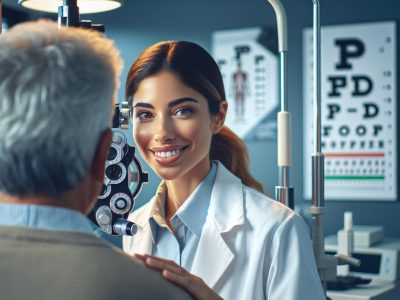
Meeting an eye care professional is the first step to finding suitable lenses. They perform a comprehensive eye exam to determine your prescription and assess eye health. Conditions like dry eye syndrome, astigmatism, or allergies can influence lens options. For instance, soft lenses may work well for flexibility, while rigid gas-permeable lenses may be recommended for sharper vision.
Professionals also evaluate if daily disposable, extended wear, or specialized lenses align with your lifestyle. Relying on their expertise minimizes risks associated with improper lens usage. Poor-fitting lenses cause discomfort or corneal issues, so professional guidance ensures your lenses fit properly and align with your visual needs.
Evaluating Your Lifestyle Needs
Your daily routine and habits play a major role in choosing contact lenses. If you have an active lifestyle, sports-specific contact lenses, such as high oxygen-permeable lenses, enhance comfort and performance. For those working long hours at a computer, lenses with moisture retention technology prevent dryness and fatigue.
Think about maintenance preferences too. Daily disposable lenses suit individuals preferring a low-maintenance option, while reusable lenses might appeal to budget-conscious buyers. Specialty lenses, like colored lenses for aesthetics or multifocals for age-related vision issues, cater to unique needs.
Understanding how contacts fit into your routine helps ensure your wear experience is both practical and enjoyable. Choices should prioritize comfort, health, and vision accuracy to complement your lifestyle.
Conclusion
Choosing contact lenses is a highly personal decision that depends on your lifestyle, vision needs, and comfort preferences. While they offer unparalleled convenience and aesthetic benefits, they also require commitment to proper care and hygiene.
By consulting with an eye care professional and evaluating your daily activities, you can find the right lenses to suit your needs. Prioritizing your eye health and comfort ensures a positive experience, whether you’re new to contact lenses or considering switching from glasses.
To provide the best experiences, we use technologies like cookies to store and/or access device information. Consenting to these technologies will allow us to process data such as browsing behaviour or unique IDs on this site. Not consenting or withdrawing consent, may adversely affect certain features and functions.
Functional
Always active
The technical storage or access is strictly necessary for the legitimate purpose of enabling the use of a specific service explicitly requested by the subscriber or user, or for the sole purpose of carrying out the transmission of a communication over an electronic communications network.
Preferences
The technical storage or access is necessary for the legitimate purpose of storing preferences that are not requested by the subscriber or user.
Statistics
The technical storage or access that is used exclusively for statistical purposes.The technical storage or access that is used exclusively for anonymous statistical purposes. Without a subpoena, voluntary compliance on the part of your Internet Service Provider, or additional records from a third party, information stored or retrieved for this purpose alone cannot usually be used to identify you.
Marketing
The technical storage or access is required to create user profiles to send advertising, or to track the user on a website or across several websites for similar marketing purposes.