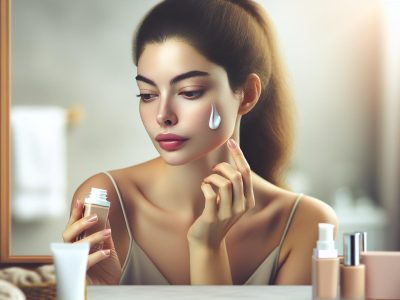
Imagine running your fingers across skin so smooth it feels like silk. That’s the promise dermaplaning offers—a skincare treatment that’s been gaining buzz for its ability to exfoliate and reveal a radiant complexion. With a tiny blade gliding over your face, it removes dead skin cells and peach fuzz, leaving your skin fresh and glowing. But is it all as flawless as it sounds?
Like any beauty treatment, dermaplaning has its perks and pitfalls. While it can enhance makeup application and boost your skincare routine, it’s not without potential downsides. Whether you’re curious about its benefits or cautious about the risks, understanding both sides can help you decide if it’s the right choice for your skin. So, before you book that appointment, let’s explore what dermaplaning really brings to the table—both the good and the not-so-good.
What Is Dermaplaning?
Dermaplaning is a non-invasive cosmetic procedure designed to exfoliate the skin and remove fine vellus hairs, often referred to as peach fuzz, using a sterile surgical scalpel. This treatment targets the outermost layer of dead skin cells, revealing smoother and brighter skin underneath.
During a session, a trained professional glides the scalpel at a precise 45-degree angle across your skin. This process not only exfoliates but also promotes cell regeneration by eliminating the debris that can clog pores. It’s suitable for most skin types, though individuals with active acne or sensitive skin may experience irritation.
Dermaplaning enhances your skin’s texture, which can lead to improved makeup application and better absorption of skincare products. For example, foundation often looks more even, and serums penetrate deeper after treatment.
Although typically performed in professional clinics, at-home dermaplaning kits have become increasingly popular. But, these may not deliver the same results or safety standards as in-office procedures. Always research the tools and methods you’re considering to ensure proper use.
By removing built-up dead cells and fine hair, dermaplaning gives your complexion a rejuvenated appearance. It’s an effective choice if you’re seeking immediate results without downtime.
How Does Dermaplaning Work?
Dermaplaning uses a sterile surgical scalpel to scrape off dead epidermal skin cells and fine facial hair, also known as vellus hair. A trained practitioner holds the blade at a 45-degree angle and gently glides it across your skin’s surface. This controlled exfoliation removes the top layer of skin, promoting a fresh, more even complexion.
The process encourages cell turnover, which leads to brighter and smoother skin. If done correctly, it also allows for better absorption of topical skincare products. You might notice your foundation and other makeup applying more evenly afterward.
Professional dermaplaning sessions typically last 20-30 minutes in a clinical setting. The skin is cleansed, prepped with a solution, and then treated with the scalpel. Practitioners ensure precision, minimizing the risk of cuts or irritation. At-home dermaplaning kits, although convenient, lack the expertise provided during professional treatments, which may impact results or safety.
While the procedure is generally painless, you may feel a slight scraping sensation. Afterward, your skin may appear slightly pink but without downtime. People with active breakouts or highly sensitive skin should avoid dermaplaning to prevent exacerbating irritation.
This treatment targets common skincare concerns, such as dullness, dryness, and fine lines. You restore the skin’s radiance by removing the dulling layer of debris.
Pros Of Dermaplaning
Dermaplaning offers multiple benefits for your skin, making it a popular choice among skincare enthusiasts. From exfoliating the skin to revealing a smoother texture, this treatment targets various common skin concerns.
Exfoliates The Skin
Dermaplaning removes dead skin cells from your face’s outermost layer, leaving a refreshed, polished surface. The controlled scraping action stimulates cell turnover, enhancing your skin’s natural renewal process. For example, individuals with dull complexion often notice brighter, more radiant skin after just one session. While many exfoliation techniques exist, dermaplaning uniquely combines precision with gentle care to avoid harsh abrasions.
Removes Peach Fuzz
Dermaplaning eliminates fine vellus hair (commonly called peach fuzz), which can make your skin look smoother and more even. This removal helps makeup lay flawlessly on your skin, creating a sleek, airbrushed appearance. If you’ve struggled with uneven foundation or textured skin, this technique addresses those issues effectively. Vellus hair doesn’t grow back thicker or darker, contrary to common myths about shaving facial hair.
Enhances Skincare Absorption
With obstructions like dead skin cells and facial hair gone, your skin absorbs topical products more effectively. Active ingredients in serums or moisturizers can penetrate deeper layers, yielding better results. For instance, if you’re treating hyperpigmentation or fine lines with targeted treatments, enhanced absorption can amplify their efficacy. This feature makes dermaplaning an excellent option for pre-event skincare routines or regular maintenance.
Instant Results
Dermaplaning delivers immediate improvements in your skin’s texture and appearance. After a session, you’ll often notice smoother skin, reduced dullness, and a brighter complexion. Unlike some treatments that require days to unveil results, this procedure offers near-instant gratification. Many individuals schedule dermaplaning before important events due to its fast-acting benefits, making it a go-to choice for flawless, photo-ready skin.
Cons Of Dermaplaning
Although dermaplaning offers several benefits, it’s essential to understand its potential downsides to decide if it’s the right skincare treatment for you.
Potential Skin Irritation
Dermaplaning can cause skin irritation, particularly if you have sensitive or reactive skin. Scraping the outer layer of skin with a blade might lead to minor swelling, discomfort, or a stinging sensation. These effects usually diminish within a day, but for some, they might persist longer.
Improper technique or dull blades can increase the risk of microtears or cuts, which could allow bacteria to enter the skin. Using unsterilized tools during at-home dermaplaning raises the chances of infection significantly, compared to professionally sanitized equipment. Proper aftercare, including avoiding active ingredients like retinol, is vital to minimize irritation.
Temporary Redness
It’s common to experience redness immediately after the procedure. This is a temporary condition, typically resolving within a few hours to a day. But, for those with thinner or vascular skin, redness might linger and become more noticeable.
Applying soothing, barrier-repair creams following dermaplaning can help to reduce redness and speed up skin recovery. If you’re planning to dermaplane before an important event, scheduling the treatment at least 1-2 days prior can ensure any visible redness has subsided.
Not Suitable For All Skin Types
Even though its versatility, dermaplaning isn’t ideal for everyone. Individuals with active acne, rosacea, or eczema can experience worsening symptoms post-treatment. The exfoliation process might disrupt the skin’s already compromised barrier, triggering flare-ups or additional sensitivity.
This procedure is also not recommended for those with overly oily skin, as it might stimulate excess sebum production. Consulting a dermatologist or licensed aesthetician can help determine if dermaplaning aligns with your skin type and concerns.
Who Should Avoid Dermaplaning?
Dermaplaning is generally safe, but it isn’t suitable for everyone. Certain skin conditions, health concerns, or specific situations can make this procedure less effective or even harmful for you.
Individuals with active acne
You should skip dermaplaning if you have active acne since the blade can aggravate inflamed areas and spread bacteria. For example, cystic acne sufferers may experience worsened irritation or additional breakouts.
Those with rosacea or eczema
People with sensitive skin conditions like rosacea or eczema often find dermaplaning too harsh. It can disrupt the skin barrier, leading to increased redness or flaking. Consult a dermatologist if unsure.
Excessively oily skin types
Excess oil production might reduce the effectiveness of dermaplaning. Removing peach fuzz in oily areas can sometimes result in uneven skin texture rather than the desired smoothness.
Anyone with open wounds, burns, or cuts
Avoid dermaplaning if your face has any open wounds, healing burns, or visible cuts. These could become further irritated or infected during the procedure.
People with skin infections or sunburns
If you have a skin infection or recent sunburn, dermaplaning can exacerbate these issues, delaying healing and heightening discomfort.
Using certain medications
Medications like isotretinoin (commonly prescribed for acne), strong exfoliants, or retinoids increase skin sensitivity. You risk microtears or irritation while undergoing dermaplaning during their use.
Always disclose medical history and concerns to a licensed professional before deciding if dermaplaning matches your skincare goals.
Conclusion
Dermaplaning can be a game-changer for achieving smoother, brighter skin, but it’s essential to weigh its benefits and potential risks carefully. While the treatment offers instant results and enhances your skincare routine, it’s not suitable for everyone. Consulting a licensed professional ensures you receive safe, effective results tailored to your skin type. Whether you opt for professional sessions or consider at-home kits, understanding your skin’s needs is key to making the best decision for your skincare journey.
To provide the best experiences, we use technologies like cookies to store and/or access device information. Consenting to these technologies will allow us to process data such as browsing behaviour or unique IDs on this site. Not consenting or withdrawing consent, may adversely affect certain features and functions.
Functional
Always active
The technical storage or access is strictly necessary for the legitimate purpose of enabling the use of a specific service explicitly requested by the subscriber or user, or for the sole purpose of carrying out the transmission of a communication over an electronic communications network.
Preferences
The technical storage or access is necessary for the legitimate purpose of storing preferences that are not requested by the subscriber or user.
Statistics
The technical storage or access that is used exclusively for statistical purposes.The technical storage or access that is used exclusively for anonymous statistical purposes. Without a subpoena, voluntary compliance on the part of your Internet Service Provider, or additional records from a third party, information stored or retrieved for this purpose alone cannot usually be used to identify you.
Marketing
The technical storage or access is required to create user profiles to send advertising, or to track the user on a website or across several websites for similar marketing purposes.