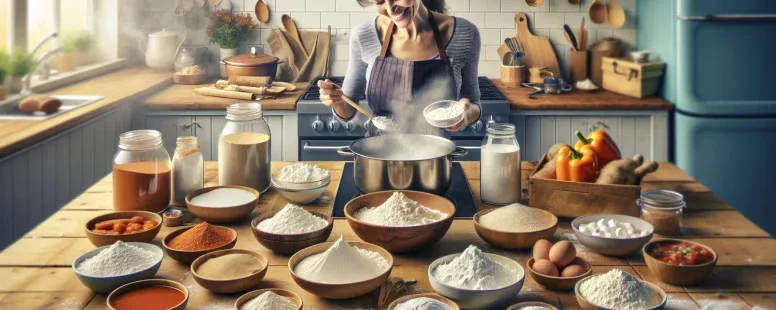
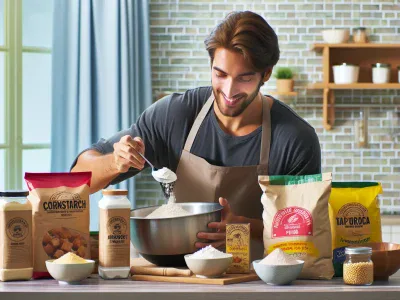
Picture this: you’re halfway through a recipe, whisk in hand, only to realize you’re out of cornstarch. Panic starts to creep in as you wonder if your dish is doomed. But don’t worry—your kitchen likely holds the perfect solution. Substituting for cornstarch isn’t just about saving the day; it can also open doors to healthier, more flavorful, or even gluten-free alternatives.
What Is Cornstarch And Its Uses?
Cornstarch is a fine, powdery substance made from the endosperm of corn kernels. It’s often used as a thickening agent in cooking and baking due to its ability to absorb moisture and form a gel-like consistency. It’s flavorless, which makes it versatile across various recipes.
You commonly find cornstarch in soups, sauces, and gravies, where it improves texture without altering taste. Bakers use it to create tender cakes or cookies by reducing protein content when combined with flour. In frying, cornstarch adds crispiness to coatings for meat or vegetables.
Beyond cooking, cornstarch plays a role in household tasks. It serves as an ingredient for homemade slime or dry shampoo and even soothes skin irritations like rashes when applied topically.
Why Look For A Substitute For Cornstarch?
Cornstarch may not always be the ideal choice for every recipe or situation. If you’re gluten-free, cornstarch could cause concern since it’s derived from corn, which might cross-contaminate with gluten during processing. Replacing it ensures safety in such cases.
Limited availability can also prompt a search for alternatives. Running out of cornstarch mid-recipe is common, and knowing substitutes like arrowroot powder or tapioca flour helps you adapt without compromising your dish.
Health reasons often lead to seeking substitutes too. Some prefer low-carb or nutrient-rich options over refined starches. For example, almond flour adds both texture and nutritional value compared to cornstarch’s empty calories.
Cultural preferences sometimes influence ingredient choices as well. In regions where rice flour or potato starch is more accessible, they replace cornstarch in traditional recipes like soups and stews.
Environmental concerns push some individuals towards alternatives too. Cassava-based products are seen as sustainable compared to corn-derived ones when looking at farming practices and crop yields globally.
Understanding these factors improves your ability to select appropriate substitutes that align with dietary needs, resource limitations, or personal values while maintaining culinary success.
Best Substitutes For Cornstarch
When you’re out of cornstarch, several pantry staples can replace it effectively. Each substitute has distinct benefits and works best in specific recipes.
Flour
Flour acts as a common thickener, though it’s less potent than cornstarch. Use all-purpose or wheat flour by doubling the amount specified for cornstarch in your recipe. For example, if a sauce calls for 1 tablespoon of cornstarch, use 2 tablespoons of flour instead. Whisking it into cold water before adding prevents lumps.
Flour suits hearty dishes like stews or gravies but may slightly cloud clear liquids due to its opaque nature. Gluten-free flours such as almond or oat flour won’t provide the same thickening power but offer alternatives for dietary restrictions.
Arrowroot Powder
Arrowroot powder is a gluten-free thickener derived from tropical plant roots. It creates a glossy finish, making it ideal for fruit sauces and desserts. Replace cornstarch with an equal amount of arrowroot powder—1:1 ratio—for silky textures without altering flavor profiles.
Avoid using arrowroot in dairy-based recipes; it turns slimy when combined with milk or cream. Incorporating arrowroot at lower temperatures ensures optimal results without breaking down its starches.
Tapioca Starch
Tapioca starch excels in achieving smooth and elastic textures, sourced from cassava root. It’s perfect for puddings, pie fillings, and chewy baked goods like mochi cookies. Substitute tapioca starch at a 2:1 ratio—use twice the quantity compared to cornstarch.
This gluten-free alternative maintains stability under freezing conditions unlike others that can turn watery after thawing. Tapioca adds subtle sweetness that complements desserts well while enhancing consistency.
Potato Starch
Potato starch offers high heat resistance and neutral flavoring characteristics suitable for soups and fried foods’ crisp coatings alike! Swap potato starch directly at par (1:1) quantities replacing cornflour seamlessly across savory elements especially where golden crusts are desired!
But avoid reheating preparations containing potato derivatives post-thickened stages risking textural breakdown scenarios altogether deteriorating final outputted versions invariably affecting taste nuances adversely so plan upfront usage constraints limitations accordingly beforehand itself still being quite versatile ingredient overall renditions nonetheless!
Considerations When Using Cornstarch Alternatives
Choosing a substitute for cornstarch depends on your recipe, dietary needs, and the desired outcome. Each alternative has unique properties that can affect texture, flavor, or appearance.
Gluten-Free Options
If you’re avoiding gluten, some substitutes like arrowroot powder and tapioca starch work well. Arrowroot creates a clear, glossy finish in sauces and desserts; it’s ideal for fruit fillings or puddings. Tapioca starch is perfect for recipes requiring freezing as it maintains stability without breaking down, such as in frozen pies or chewy cookies.
Potato starch is another gluten-free option with high heat tolerance. But, reheating can cause textural changes in soups or stews where potato starch was used—it’s best added toward the end of cooking to avoid this issue.
Ratios And Measurements
Using correct ratios ensures consistent results when replacing cornstarch. For example, flour requires twice the amount compared to cornstarch because it’s less potent as a thickener. For arrowroot powder or tapioca starch, use an equal ratio (1:1) to replace cornstarch.
Incorrect measurements lead to undesirable textures—using too much flour may result in a pasty sauce while overusing potato starch could make dishes overly gummy. Always mix substitutes with cold water before adding them to hot liquids to prevent lumps forming during cooking.
Cooking Techniques And Applications
Cornstarch substitutes behave differently under various cooking conditions due their molecular structure differences. For frying foods crispy coatings can be achieved with rice flour or potato starch but avoid using arrowroot—it doesn’t withstand prolonged high heat well.
Conclusion
Finding a substitute for cornstarch doesn’t have to be stressful. With so many versatile options available, you can confidently adapt your recipes to fit your needs without compromising on taste or texture. Whether you’re aiming for gluten-free alternatives, healthier choices, or simply using what’s already in your pantry, there’s an ideal solution for every dish.
By understanding how these substitutes work and adjusting ratios accordingly, you can ensure consistent results and even discover new flavors or textures that elevate your cooking. Embrace the flexibility and creativity these alternatives offer to enhance both your culinary skills and dining experience.
To provide the best experiences, we use technologies like cookies to store and/or access device information. Consenting to these technologies will allow us to process data such as browsing behaviour or unique IDs on this site. Not consenting or withdrawing consent, may adversely affect certain features and functions.
Functional
Always active
The technical storage or access is strictly necessary for the legitimate purpose of enabling the use of a specific service explicitly requested by the subscriber or user, or for the sole purpose of carrying out the transmission of a communication over an electronic communications network.
Preferences
The technical storage or access is necessary for the legitimate purpose of storing preferences that are not requested by the subscriber or user.
Statistics
The technical storage or access that is used exclusively for statistical purposes.The technical storage or access that is used exclusively for anonymous statistical purposes. Without a subpoena, voluntary compliance on the part of your Internet Service Provider, or additional records from a third party, information stored or retrieved for this purpose alone cannot usually be used to identify you.
Marketing
The technical storage or access is required to create user profiles to send advertising, or to track the user on a website or across several websites for similar marketing purposes.